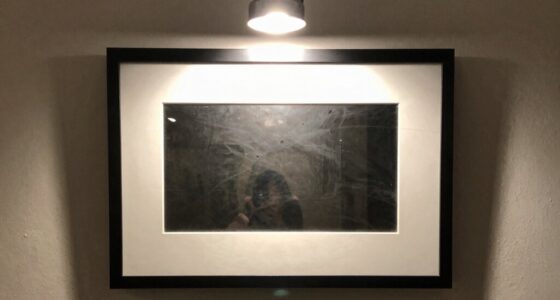

The most subtle yet damaging storage mistake is neglecting proper materials and environmental controls. Using non-acid-free containers or storing works near heat, light, or pollutants can cause silent damage over time, like yellowing, brittleness, and deterioration. These issues often develop unnoticed until irreversible harm has occurred. If you want to protect your paper works for the long run, you’ll find essential details that can help you prevent these hidden dangers before they cause permanent damage.
Listen free for 30 days with Audible
Thousands of audiobooks and originals — cancel anytime.
As an affiliate, we earn on qualifying purchases.
Key Takeaways
- Using non-archival, acid-free storage materials accelerates paper deterioration over time.
- Ignoring environmental controls like temperature and humidity causes unseen damage to paper works.
- Storing documents in areas exposed to direct light leads to fading and weakening of paper fibers.
- Failing to regularly monitor and maintain storage conditions allows gradual, invisible degradation.
- Neglecting proper long-term preservation strategies can result in irreversible damage to paper artifacts.

Many people overlook the importance of proper storage, but failing to do so can seriously damage your paperwork over time. The one storage mistake that often goes unnoticed is neglecting to evaluate the right archival techniques and environmental factors. When you store paper documents improperly, you risk deterioration, fading, and even complete loss of essential information. This mistake isn’t always obvious at first but becomes clear after years of damage has accumulated.
Neglecting proper archival techniques and environmental factors can lead to irreversible damage to your important documents over time.
Your choice of storage methods plays a pivotal role in preserving your documents. Using inappropriate materials, such as regular cardboard boxes or plastic containers that aren’t acid-free, can cause long-term harm. Archival techniques focus on selecting the right materials—acid-free folders, boxes, and paper—that won’t chemically interact with your documents. These specialized storage options help protect paper from acids, lignin, and other damaging substances that accelerate deterioration. Failing to use archival-quality materials leaves your paperwork vulnerable to yellowing, brittleness, and even disintegration over time.
Environmental factors are equally essential. Temperature, humidity, and exposure to light all influence how well your documents survive. High humidity encourages mold growth and attracts pests that can chew through paper. Conversely, low humidity causes paper to become brittle and prone to cracking. Consistently high or fluctuating temperatures can accelerate chemical reactions that break down paper fibers. Exposure to direct sunlight or fluorescent lighting fades ink and weakens paper fibers, diminishing the clarity and integrity of your documents. You might think that storing papers in a closet or a basement is sufficient, but without controlling these environmental factors, you’re unknowingly speeding up damage. Proper environmental controls can significantly extend the lifespan of your documents by maintaining optimal conditions. Additionally, understanding how air quality impacts paper preservation is crucial, as pollutants like dust and airborne chemicals can also accelerate deterioration. Regular monitoring of indoor air quality helps identify and mitigate potential threats to your stored documents.
Many people don’t realize that environmental factors aren’t just about the storage room’s conditions—they include the placement of your documents. Storing papers near windows or heat sources exposes them to damaging light and temperature swings. Instead, you should aim for a cool, dry, dark space with stable conditions. Using climate-controlled environments or dehumidifiers can help maintain a consistent atmosphere, considerably extending the lifespan of your paperwork. Additionally, understanding the significance of proper environmental controls can make a substantial difference in preservation. Proper storage materials are equally critical for long-term protection, preventing chemical reactions that cause deterioration.
In essence, neglecting proper archival techniques and environmental controls is the silent killer of paper documents. It’s a mistake that often feels insignificant but can have devastating long-term consequences. Taking the time to understand and implement proper storage practices isn’t just about keeping documents tidy; it’s about preserving history, legal records, or personal memories for generations to come. If you want your paperwork to stand the test of time, pay close attention to these details—because damage caused by improper storage isn’t always visible immediately but is always permanent.
acid-free archival storage boxes
As an affiliate, we earn on qualifying purchases.
As an affiliate, we earn on qualifying purchases.
Frequently Asked Questions
How Can I Identify if My Paper Artwork Is Damaged?
You can identify damage by inspecting your paper artwork for discoloration, warping, or brittleness, which are signs of deterioration. Use good framing techniques, such as acid-free mats and UV protection glass, to prevent further harm. If you notice fading or spots that seem to change over time, it’s likely damaged. Regularly checking your artwork under natural light helps catch issues early, ensuring your piece stays preserved.
What Are the Best Climate Conditions for Storing Paper Art?
You should store your paper art in a climate with stable temperature and humidity control. Keep the temperature around 65-70°F and humidity between 40-50% to prevent warping and mold. Fluctuations can cause damage, so avoid areas prone to drafts or direct sunlight. Consistent conditions preserve your artwork’s integrity, ensuring it stays vibrant and intact over time. Regularly monitor the environment for ideal preservation.
Are There Specific Storage Materials Recommended for Paper Works?
You should use acid-free folders and archival storage materials for your paper works. These materials prevent acid migration, which can cause yellowing and deterioration over time. Visualize your artwork safely housed in sturdy, conservation-grade containers that shield it from humidity and pollutants. By choosing the right storage materials, you guarantee your paper art stays vibrant and intact for years, avoiding common damage caused by improper storage.
How Often Should I Inspect My Stored Paper Artworks?
You should inspect your stored paper artworks at least twice a year, especially focusing on framing techniques and display considerations. Regular checks help you spot signs of deterioration early, like discoloration or mold. When inspecting, guarantee the storage environment remains stable and free from humidity fluctuations. Proper framing and thoughtful display considerations protect your works, so adjusting these as needed will maintain their condition and longevity over time.
Can Improper Storage Affect the Value of Art Over Time?
Improper storage can definitely impact your art’s value over time. If you don’t use acid-free materials or neglect humidity control, paper can yellow, become brittle, or develop mold. These damages diminish the artwork’s condition and worth. To protect your pieces, guarantee they’re stored in acid-free sleeves or boxes and maintain stable humidity levels. Proper care preserves both the integrity and value of your artwork for years to come.
humidity and temperature monitor for documents
As an affiliate, we earn on qualifying purchases.
As an affiliate, we earn on qualifying purchases.
Conclusion
Don’t let one simple storage slip-up sabotage your special works on paper. By avoiding the avoidable and adopting careful, consistent, and climate-controlled conditions, you can preserve your prized pieces for generations. Remember, proper preservation prevents potential problems and prolongs the life of your literary, artistic, and historical holdings. So, stay savvy, stay secure, and shield your treasured works from silent, sneaky damage—saving your storied collection for future fascination and fascination.
UV protective document storage sleeves
As an affiliate, we earn on qualifying purchases.
As an affiliate, we earn on qualifying purchases.
As an affiliate, we earn on qualifying purchases.
Fall yard work Picks
leaf blowers
As an affiliate, we earn on qualifying purchases.