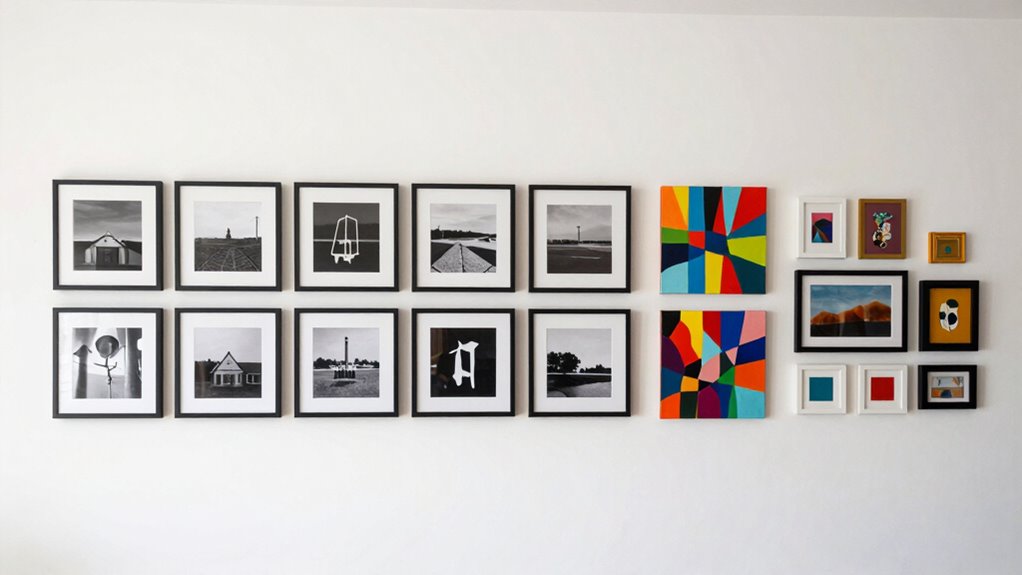
Lifting the veil on how framing choices impacts your mood reveals surprising insights that can transform your emotional outlook—if you dare to explore further.
Browsing Category
Interpretation & Visual Literacy
31 posts
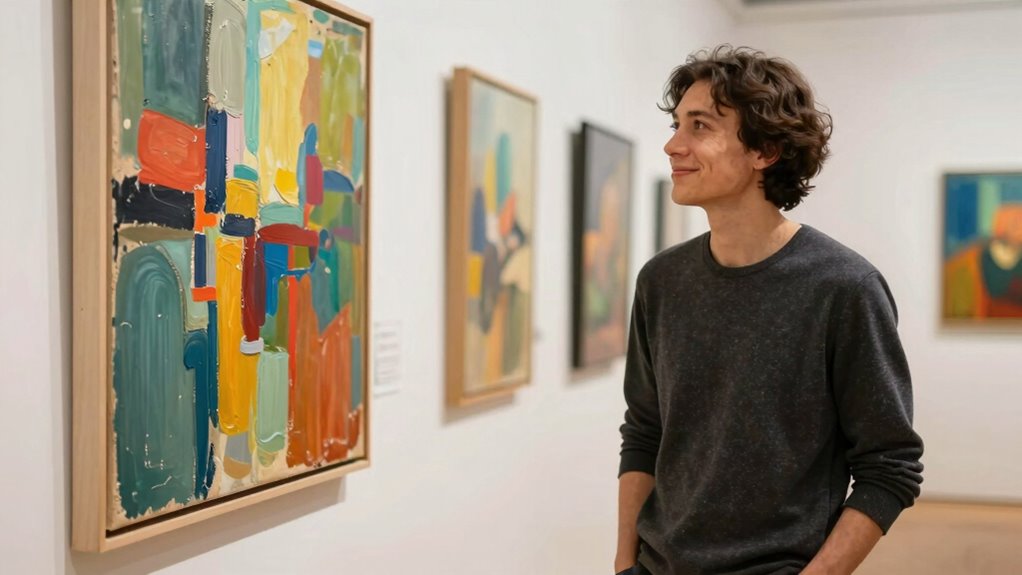
The Case for Slow Looking in a Fast-Scrolling World
Merging mindfulness with observation, slow looking reveals hidden beauty and clarity amid chaos, encouraging you to explore its transformative power.
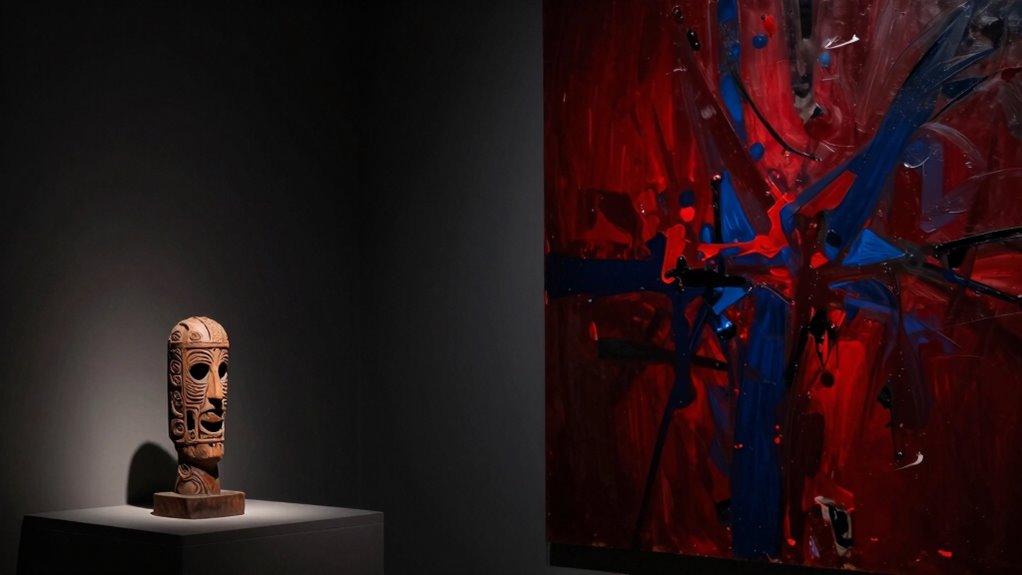
Why Some Art Feels Calming and Other Art Feels Electric
Forces of color, composition, and personal memories shape our emotional responses, making some art feel calming while others feel electric—discover how they influence you.
The Best Way to Think About Negative Space at Home
To think about negative space at home, focus on creating balanced open…
How to Use Contrast to Understand Why a Piece Feels Dramatic
By examining contrast in light, color, and composition, you’ll uncover how emotional tension shapes a piece’s dramatic feel and why it captivates your eye.
Why Some Art Looks Better From Across the Room Than Up Close
Inevitably, the way our brains perceive art from afar enhances its impact, revealing why some masterpieces captivate better at a distance.
The Real Reason Good Lighting Feels More Expensive Than Bigger Art
Just how good lighting can make small art feel more luxurious than larger pieces will surprise you and change your entire display perspective.
Why Color Temperature Can Make Good Art Look Wrong
Omitting proper color temperature alignment can make your art feel off, but understanding how to balance it will transform your work into something truly convincing.
How to Spot a Strong Composition Even If You Can’t Explain Why
Here’s a guide to noticing visual harmony and balance that makes a composition strong, even if you can’t quite explain why.
Abstraction Levels: When ‘It Doesn’t Look Like Anything’ Is the Point
Perhaps the most intriguing abstraction level is when “it doesn’t look like anything,” inviting us to explore the power of simplicity and unseen meaning.