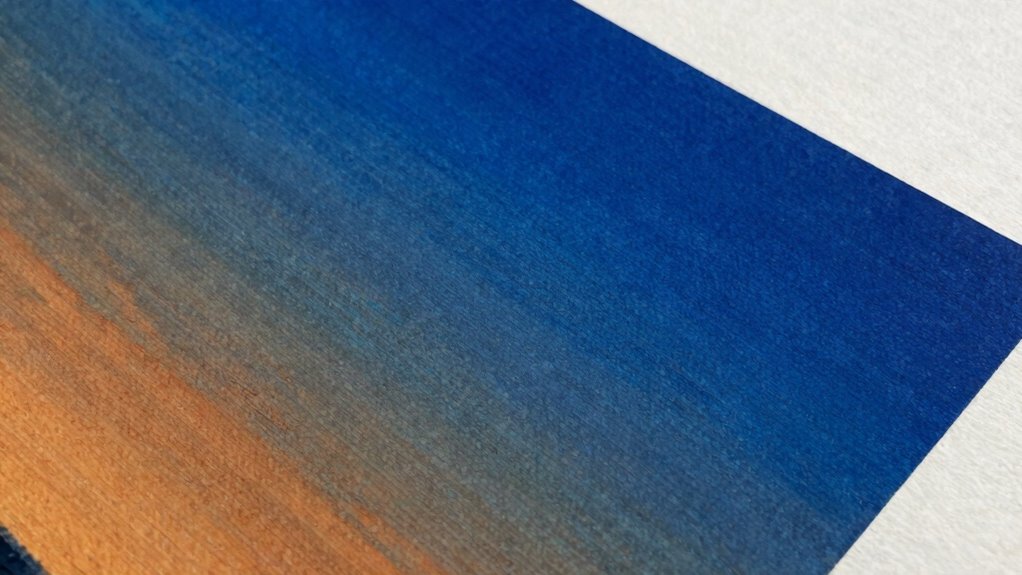
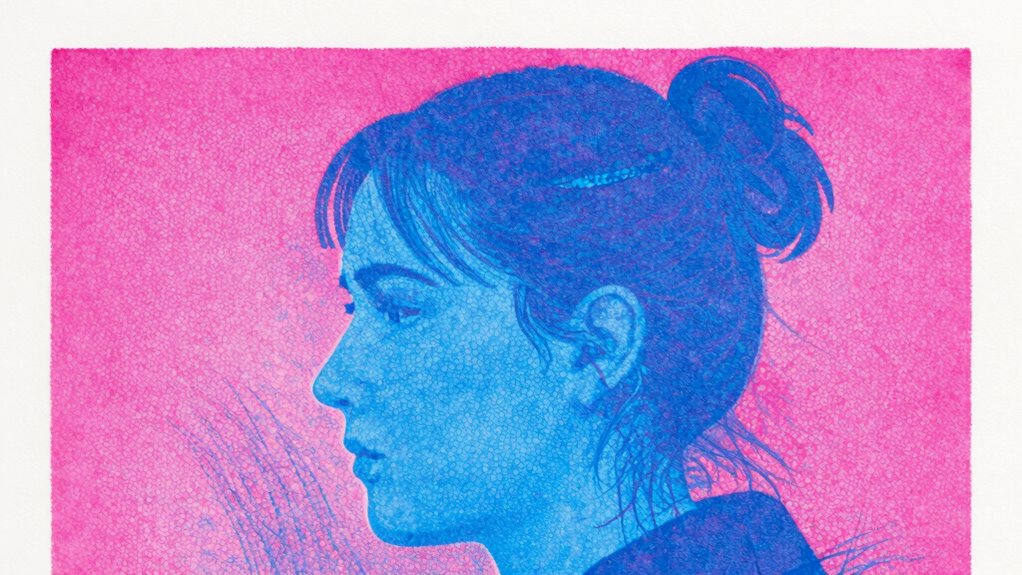
Of all factors, environmental influences and material properties determine why some mediums are more fragile than others, and understanding these can reveal surprising vulnerabilities.
Browsing Category
Techniques & Mediums
32 posts
Why Texture Reproduces Differently in Prints Than Originals
You can’t fully replicate the tactile feel of original surfaces in prints…
How Artists Use Layering to Build Depth and Meaning
You can build depth and meaning in your artwork by layering different…
How Artists Use Texture to Make Flat Surfaces Feel Alive
Arousing curiosity, artists use diverse textures to bring flat surfaces alive, revealing how tactile techniques deepen emotional and sensory engagement—discover more.
Installation Art: Why the ‘Space’ Is Part of the Artwork
Just how does space become a vital part of installation art, shaping perception and emotion—discover the transformative power behind the environment.
Assemblage Art: When Found Objects Become a Real Medium
Proceed into the fascinating world of assemblage art, where everyday objects are transformed into compelling sculptures that challenge perceptions and reveal hidden stories.
Textile Weaving as Art: Structure, Pattern, and Tension Explained
Harnessing structure, pattern, and tension, textile weaving as art reveals intricate details that will inspire you to explore its full creative potential.
Ceramic Glazing: The Chemistry Behind the Shine
Ceramic glazing’s stunning shine results from complex chemistry that influences the final finish—continue reading to uncover the secrets behind this captivating process.
Fine Art Photography Prints: What Makes Them Archival
Only by understanding the key materials and techniques can you ensure your fine art photography prints remain truly archival and long-lasting.
Risograph Printing: Why It Looks ‘Imperfect’ on Purpose
Risograph printing’s intentional imperfections add unique charm and character, making each piece distinctive—discover why these quirks are a deliberate creative choice.