
You need to leave room around your framed paper artwork to prevent damage and help it breathe. Proper space keeps the artwork from touching the glass, reducing risks like warping, mold, or tears. It also helps regulate humidity and temperature, prolonging its life. Well-designed matting and spacing enhance the visual focus and overall presentation. Want to discover how to optimize your framing for lasting beauty? Keep exploring for practical tips.

Prime made for students and young adults
- Fast, free delivery for dorm and study essentials
- Prime Video and Amazon Music included
- Member-only deals
Key Takeaways
- Adequate space prevents artwork from touching the glass, reducing the risk of damage and mold growth.
- Proper breathing room helps regulate humidity and temperature, preserving the paper’s integrity.
- Space around the artwork enhances visual focus and aesthetic appeal.
- It facilitates easier switching, maintenance, and adjustments of framed pieces.
- Sufficient room extends the lifespan of paper artworks by minimizing stress and deterioration.

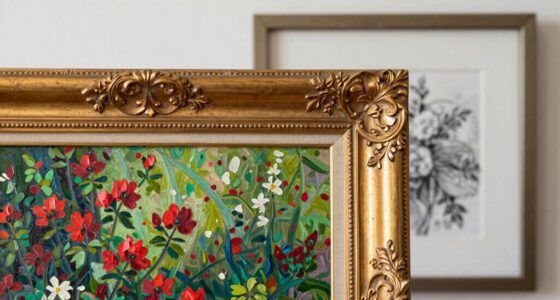
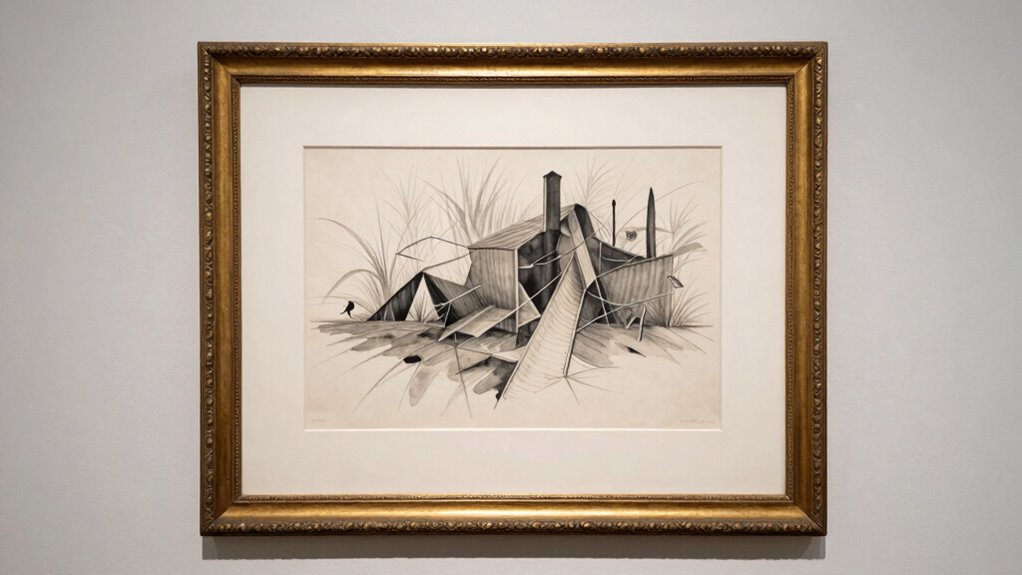
When you frame works on paper, giving them enough space to breathe isn’t just about aesthetics—it’s vital for their preservation and visual impact. Proper matting plays a pivotal role here, acting as a barrier that prevents the artwork from touching the glass directly. Without sufficient matting significance, the paper can stick to the glass over time, leading to damage, warping, or even mold growth. The right mat provides a buffer that helps regulate humidity and temperature around the artwork, extending its lifespan. It also enhances the visual appeal by creating a clean, focused border that draws the eye inward, allowing viewers to appreciate the piece without distraction. Additionally, proper framing techniques are essential for ensuring long-term preservation of paper artworks. Choosing the right frame styles is equally important. Different frame styles can influence how much space you leave around your artwork. For example, a sleek modern frame paired with a wide mat emphasizes minimalism and gives the piece room to stand out. Conversely, ornate or vintage frames often work better with narrower mats, but even then, a bit of breathing space still makes a difference. The goal isn’t just about matching the frame style with your artwork but also about ensuring the work isn’t cramped or overshadowed. When you select a frame style, think about how much room you want for the artwork to “breathe” in relation to the frame’s design. Proper artwork presentation also involves considering the lighting and placement, which can further enhance or detract from the piece’s impact.
Proper matting protects artwork, prevents damage, and enhances visual focus for lasting beauty.
The significance of matting extends beyond protection and aesthetics. It also offers flexibility in presentation. If you want to change your artwork or switch out mats for different occasions, having enough space makes the process easier and less risky for the paper. Additionally, a well-chosen mat can help balance the composition, especially if your artwork has a lot of detail or vibrant colors. It acts as a visual pause, giving viewers a moment to process the work without feeling overwhelmed.
Ultimately, giving your framed works on paper room to breathe isn’t just about making your piece look good; it’s about safeguarding it for years to come. Proper matting importance and the right frame styles work hand in hand to create a display that’s both beautiful and durable. By paying attention to these details, you guarantee that your artwork remains vibrant, intact, and engaging, no matter how long it’s been hanging on your wall.
As an affiliate, we earn on qualifying purchases.
Frequently Asked Questions
How Much Space Should Be Left Around Framed Artwork?
You should leave about 2-3 inches of space around your artwork for matte borders, which help create a balanced look. This extra room prevents the piece from feeling cramped and allows framing styles to shine. Depending on the artwork’s size and style, you might opt for more space, especially with intricate or delicate pieces. Proper spacing enhances visual appeal and protects your paper work from damage.
Does Framing Size Affect Paper Longevity?
Yes, framing size impacts paper longevity. Using acid-free materials and ideal framing techniques helps protect your artwork from deterioration caused by environmental factors. When you select the right size frame, you guarantee there’s enough space for proper airflow and cushioning, reducing stress on the paper. This careful approach prevents acid migration and physical damage, ultimately preserving your piece for years to come. Always prioritize acid-free mats and backing for best results.
How Can I Prevent Mold Behind the Frame?
Think of your artwork as a delicate garden; mold is like invasive weeds. To prevent it behind the frame, use proper framing techniques with acid-free mats and backing. Maintain humidity control in your display area, ideally around 40-50%, to keep mold at bay. Regularly check your artwork and guarantee proper ventilation, so moisture doesn’t linger and foster mold growth. This way, your paper stays fresh and vibrant.
What Materials Are Best for Breathable Framing?
You should choose materials that promote breathability, like acid-free backing and a matte instead of glass. Matte provides better airflow, preventing moisture buildup, while glass can trap humidity. Acid-free backing prevents acid migration and mold growth. Combining these materials guarantees your artwork stays dry and healthy. Avoid airtight frames with glass, and opt for breathable options to protect your paper works on paper effectively.
How Often Should I Check the Air Circulation Around Framed Paper?
You should check the air circulation around your framed paper at least once a month, especially if you’re aiming to dodge the dreaded museum lighting-induced mold or archival adhesive degradation. Imagine your artwork as a diva demanding fresh air and spotlight control. Regular checks help prevent dust buildup and guarantee proper ventilation, keeping your masterpiece alive and thriving, not suffocating behind a wall of stale, stagnant air.
As an affiliate, we earn on qualifying purchases.
Conclusion
Remember, giving your framed paper art some gentle space isn’t just about aesthetics; it’s about letting the artwork breathe and flourish. Think of it as creating a quiet, open field where colors and textures can dance freely, unburdened by cramped surroundings. When you allow this breathing room, your piece can truly shine, inviting viewers to linger and appreciate every delicate detail. Sometimes, a little room to breathe is the secret to making your art’s beauty resonate deeply.
As an affiliate, we earn on qualifying purchases.
As an affiliate, we earn on qualifying purchases.
Fall Picks
fall essentials
As an affiliate, we earn on qualifying purchases.