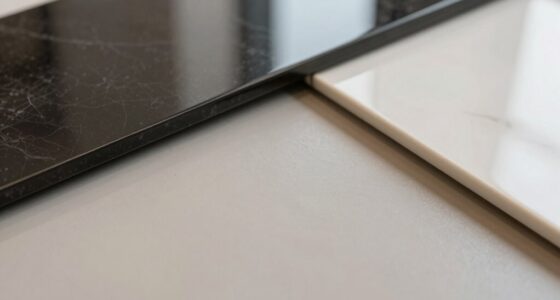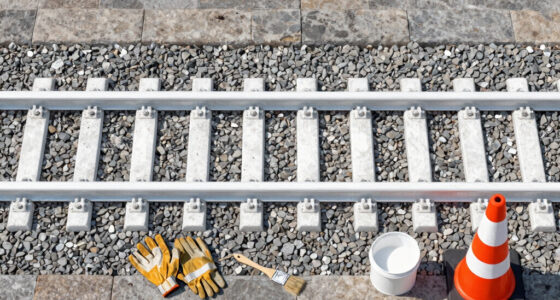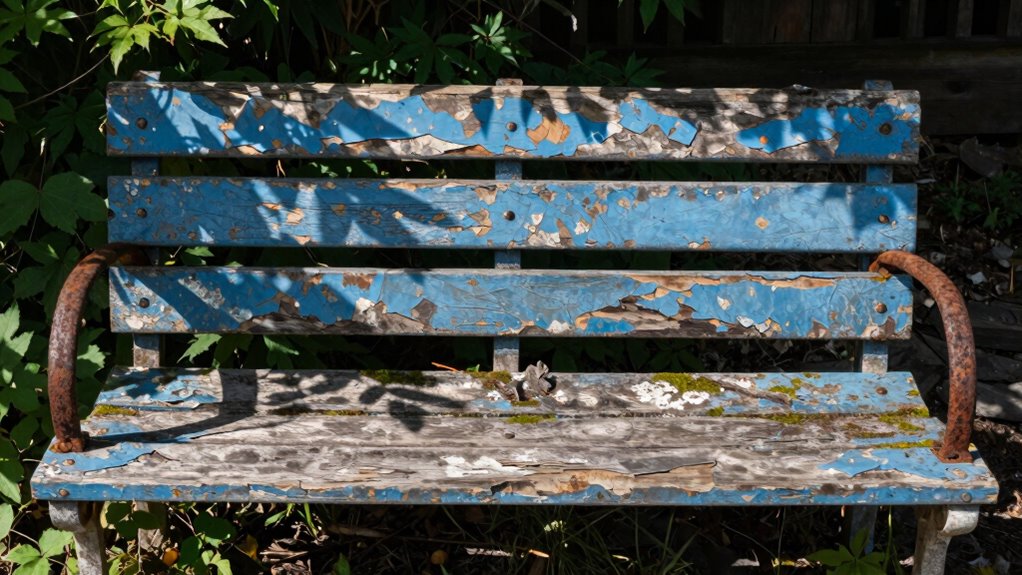

Materials impact how a piece ages because chemical reactions and environmental factors work together to accelerate or slow deterioration. For example, moisture, oxygen, and pollutants cause rust, decay, or discoloration, while temperature changes weaken bonds. Some materials resist aging, but others degrade quickly under sunlight or humidity. Knowing how different materials react helps you understand their lifespan. Keep exploring to discover how these processes can be managed to preserve objects longer.

Prime made for students and young adults
- Fast, free delivery for dorm and study essentials
- Prime Video and Amazon Music included
- Member-only deals
Key Takeaways
- Chemical reactions like corrosion and oxidation alter a material’s structure, leading to visible deterioration or dramatic changes.
- Environmental factors such as humidity, temperature, and pollutants accelerate chemical processes that cause aging.
- Exposure to UV light and sunlight can break down polymers and fade colors, causing significant material transformation.
- Different materials have varying resilience; some resist aging effects, while others degrade rapidly under environmental stress.
- Protective coatings and material selection help slow deterioration and prevent dramatic aging effects.
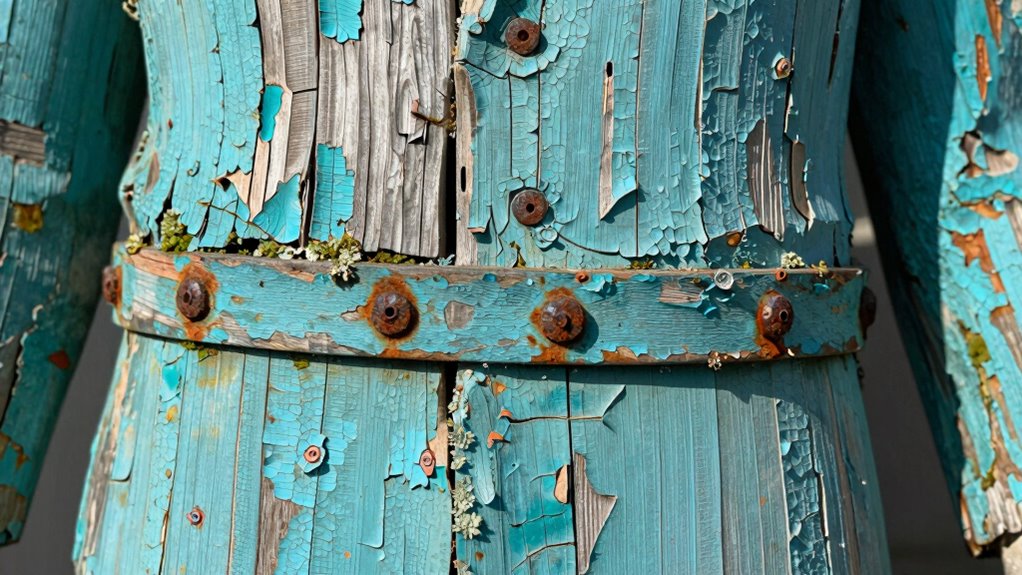
Materials play an essential role in how a piece ages over time. The type of material you choose influences its durability, appearance, and overall lifespan. When you think about aging, it’s not just about the passage of time but the ongoing chemical reactions and environmental effects that shape a piece’s condition. These processes can cause subtle changes or dramatic transformations, depending on the materials involved and the conditions they’re exposed to.
Chemical reactions are at the heart of material deterioration. Over time, exposure to moisture, oxygen, and pollutants triggers reactions that break down the material’s structure. For example, metals tend to corrode when they react with water and oxygen, forming rust. Plastics may become brittle or discolored due to oxidation or degradation from UV light. Even natural materials like wood undergo chemical changes, where enzymes and moisture facilitate decay. You can often see this in the form of fading colors, cracking, or surface roughness, which are signs that chemical reactions are actively altering the material’s integrity. Understanding these processes helps in developing strategies to slow or prevent deterioration.
Chemical reactions, triggered by moisture, oxygen, and pollutants, cause materials like metal, plastic, and wood to deteriorate over time.
Environmental effects accelerate or modify these chemical reactions. Temperature fluctuations cause expansion and contraction, which can weaken bonds within the material. Humidity levels influence how quickly certain reactions occur; high moisture speeds up corrosion and decay, while dry conditions might slow down some processes but promote others, like cracking in clay-based ceramics. Pollutants like sulfur dioxide and nitrogen oxides in the air interact with surfaces, creating acids that corrode materials faster. Sunlight, particularly UV radiation, can break down polymers and fade colors, leading to a worn or aged appearance. Additionally, UV exposure can cause plastics to degrade more rapidly, emphasizing the importance of understanding environmental influences when preserving objects. Recognizing how environmental factors influence chemical reactions can help you anticipate and mitigate deterioration.
When you leave an object outside, these environmental effects compound, often leading to rapid aging compared to indoor storage. Recognizing how different environmental conditions influence material deterioration enables better preservation practices. Understanding how different materials respond to these factors determines how dramatically a piece ages. Some materials are more resilient, resisting chemical reactions and environmental damage longer, while others are more sensitive and show signs of deterioration quickly. For instance, stainless steel resists rust thanks to a protective oxide layer, but untreated iron reacts readily with environmental elements, rusting in months. Similarly, certain plastics are designed to withstand UV exposure, but others become brittle and discolored after just a few years outside.
Recognizing the chemical reactions and environmental effects that influence material deterioration helps you predict aging patterns. It also guides you in choosing the right materials for specific environments or applying protective coatings to slow down deterioration. Recognizing these processes empowers you to preserve objects and materials longer, maintaining their appearance and functionality despite the inevitable effects of time.
protective coating for metal objects
As an affiliate, we earn on qualifying purchases.
As an affiliate, we earn on qualifying purchases.
Frequently Asked Questions
How Do Environmental Factors Accelerate Material Aging?
Environmental factors accelerate material aging by speeding up processes like polymer fatigue and oxidative deterioration. Sunlight, heat, moisture, and pollutants weaken materials, causing polymers to become brittle or crack and promoting oxidation that leads to discoloration and breakdown. You’ll notice these effects happen faster if materials face harsh conditions regularly, reducing their lifespan. Protecting items from exposure and controlling environmental conditions can slow this aging process and preserve material integrity longer.
Can Artificial Aging Processes Replicate Natural Aging Effects?
Yes, artificial aging processes can replicate natural aging effects. In historical preservation and artistic restoration, experts use techniques like chemical treatments, heat, or UV exposure to simulate the aging process. This helps them understand how materials change over time and develop methods to preserve or restore artworks and artifacts. While not perfect, these methods allow conservators to predict long-term changes and guarantee the longevity of cultural treasures.
What Role Do Chemical Reactions Play in Material Degradation?
Chemical reactions silently influence how your materials age, often steering them along subtle yet impactful paths. These reactions can compromise chemical stability, leading to deterioration over time. Reaction pathways determine how materials break down or transform, shaping their appearance and strength. Understanding these processes helps you predict aging patterns and develop better protections, ensuring your pieces stand the test of time with resilience and grace.
How Does Material Composition Influence Its Aging Process?
Your material composition directly influences its aging process by affecting its resistance to factors like material fatigue and environmental stressors. If a material has strong, durable components, it maintains structural integrity longer, slowing degradation. Conversely, materials with weaker or less stable elements are prone to faster aging, cracking, or breaking. So, choosing the right composition helps preserve the item’s longevity and maintains its structural integrity over time.
Are There Ways to Reverse or Slow Down Material Aging?
Ever wonder if you can reverse or slow down material aging? You can, by using techniques like nanostructure analysis to understand tiny changes and microbial interactions that accelerate deterioration. Developing protective coatings, controlling environmental factors, and applying advanced treatments can help preserve materials longer. While complete reversal isn’t always possible, these methods can considerably delay aging effects, keeping your objects in better shape for years to come.
UV resistant plastic storage containers
As an affiliate, we earn on qualifying purchases.
As an affiliate, we earn on qualifying purchases.
Conclusion
So, next time you see an aging masterpiece or a weathered relic, remember it’s quietly telling its story through subtle changes. Materials, in their gentle ways, shape how a piece matures over time, adding character and depth. Embrace these delicate transformations—they’re like whispers from the past, hinting at the history woven into every crack and patina. Ultimately, it’s these quiet shifts that make each piece uniquely timeless, inviting you to appreciate its subtle, ongoing evolution.
As an affiliate, we earn on qualifying purchases.
corrosion resistant jewelry storage
As an affiliate, we earn on qualifying purchases.
As an affiliate, we earn on qualifying purchases.
Fall Picks
fall essentials
As an affiliate, we earn on qualifying purchases.