
When materials are exposed to heat, internal damage like microcracks or phase changes can happen silently before you see any outward signs. Their internal structure weakens due to uneven heating, thermal expansion, or prolonged high temperatures. This internal damage can cause long-term issues even when the surface looks fine. Understanding these hidden changes helps you prevent failures. Keep exploring to discover how internal processes affect material durability and safety under heat.

Prime made for students and young adults
- Fast, free delivery for dorm and study essentials
- Prime Video and Amazon Music included
- Member-only deals
Key Takeaways
- Internal microcracks and phase changes can occur silently before external signs appear.
- Uneven heat conduction causes internal stresses and weakening that are not externally visible.
- Materials may soften or degrade internally without visible external damage.
- Thermal expansion leads to internal stress buildup, risking damage long before surface signs emerge.
- Microstructural changes compromise material integrity, making them react badly to heat internally.
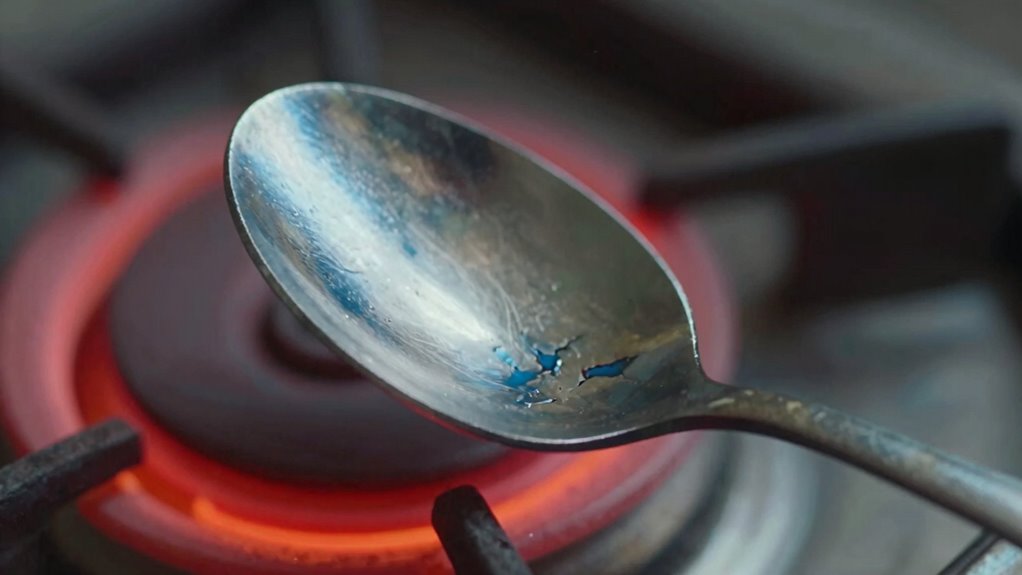
Many materials can deteriorate or become dangerous when exposed to heat, and understanding their reactions is fundamental for safety and proper handling. When you heat a material, it doesn’t always show obvious damage right away, but internal changes might be happening that compromise its integrity. Thermal properties of a material, such as its specific heat capacity and melting point, influence how it reacts to heat. Two key factors influence how materials respond to heat: thermal expansion and heat conduction. Recognizing how these processes work helps you predict and prevent potential hazards before visible signs of damage appear. For example, uneven heating can lead to internal stresses that are not immediately apparent but can cause failure over time. Thermal expansion is a common reason why materials react badly to heat. As temperature rises, most substances expand because their molecules move more vigorously, pushing further apart. If this expansion occurs unevenly—say, in a metal rod with different parts heating at different rates—it can cause stress and even cracks. This internal strain might not be immediately visible but can weaken the material over time, leading to failure during use. That’s why engineers design joints and allowances for thermal expansion, especially in large structures or machinery exposed to fluctuating temperatures. Heat conduction is another essential factor. Materials differ considerably in how quickly they conduct heat. Metals like copper and aluminum are excellent heat conductors, so they quickly transfer heat throughout their structure. While this may seem beneficial, it can also cause rapid internal temperature changes, leading to thermal stresses. Conversely, insulating materials slow heat transfer, causing localized heating that can weaken the material internally without obvious external signs. When handling or assembling components, understanding heat conduction helps you predict where internal stress might build up, preventing unexpected failures. Additionally, internal microstructural changes, such as phase transformations, can occur under certain heat conditions, further influencing how materials react internally. In many cases, materials react badly to heat long before they look damaged because internal processes are quietly progressing beneath the surface. For instance, a ceramic component might withstand high temperatures visually, but prolonged exposure can cause microcracks due to thermal expansion and contraction cycles. Similarly, plastics might soften or degrade internally because of uneven heat conduction, even if they appear intact externally. Recognizing these hidden changes is crucial for safety, especially in applications where materials are regularly exposed to heat. Being aware of internal processes and their effects helps you make informed decisions about material use and design. Proper selection of materials, along with appropriate design considerations like expansion joints or heat shields, can drastically reduce risks. Additionally, understanding thermal stresses enables engineers to develop more resilient components that can better withstand temperature fluctuations. It is also important to consider the microstructural integrity of materials, as internal changes can compromise their long-term performance. So, next time you’re working with heat-sensitive materials, remember that damage often begins internally—long before the material shows any outward signs. Being aware of these subtle reactions helps you maintain safety, extend the lifespan of your components, and avoid costly failures.
thermal stress testing equipment
As an affiliate, we earn on qualifying purchases.
As an affiliate, we earn on qualifying purchases.
Frequently Asked Questions
Do All Materials React Negatively to Heat?
Not all materials react negatively to heat. Some, like metals, handle thermal expansion and conduct heat well, making them suitable for high-temperature applications. Others, like plastics or ceramics, may crack or degrade due to poor heat conduction or excessive thermal expansion. Your choice depends on how the material reacts to heat, whether it can withstand temperature changes, and how it manages heat transfer without losing structural integrity.
How Can I Tell if a Material Is Overheating?
Did you know that thermal expansion can cause materials to change size by up to 10%? You can tell if a material is overheating by watching for a color change, which often indicates temperature rise, or signs of warping and cracking. Overheating leads to thermal expansion, weakening the material’s structure. If you notice these signs, reduce heat immediately to prevent permanent damage or failure.
Are There Materials That Tolerate High Heat Well?
Some materials, like ceramics and certain metals, tolerate high heat well because they have low thermal expansion and high heat conductivity. These properties allow them to handle temperature changes without cracking or deforming. You’ll find them useful in high-temperature environments, such as furnaces or engines. Their ability to dissipate heat efficiently helps prevent damage, making them reliable choices when dealing with extreme heat.
What Safety Measures Prevent Heat Damage?
To prevent heat damage, you should control thermal expansion, optimize heat conduction, and use appropriate insulation. Keep temperatures within safe limits, avoid rapid temperature changes, and guarantee proper ventilation. Using heat-resistant materials and applying thermal barriers help manage heat flow, reducing stress on the material. Regularly monitoring temperature and employing safety devices like thermostats also safeguard against overheating, ensuring your materials perform safely and effectively.
Can Heat Reactions Be Reversed or Repaired?
Heat reactions often can’t be fully reversed once materials have been damaged, especially if the heat treatment causes structural changes. However, some materials with high resilience can be repaired or reconditioned through specific processes like annealing or tempering. These methods help restore properties, but the success depends on the material type and extent of damage. Always assess damage carefully before attempting repairs, as some effects are permanent.
heat resistant materials for industrial use
As an affiliate, we earn on qualifying purchases.
As an affiliate, we earn on qualifying purchases.
Conclusion
So, next time you’re tempted to ignore the signs of heat damage, remember that some materials can degrade internally long before showing visible signs. You might think they’re still fine, but subtle changes often mean the material’s integrity is compromised. Recognizing these early reactions isn’t just about avoiding immediate damage; it’s about ensuring long-term safety and durability. Don’t overlook the hidden risks—pay attention to how materials respond under heat, even when everything seems normal on the surface.
thermal expansion measurement tools
As an affiliate, we earn on qualifying purchases.
As an affiliate, we earn on qualifying purchases.
As an affiliate, we earn on qualifying purchases.
Fall Picks
fall essentials
As an affiliate, we earn on qualifying purchases.