
TL;DR

Prime made for students and young adults
- Fast, free delivery for dorm and study essentials
- Prime Video and Amazon Music included
- Member-only deals
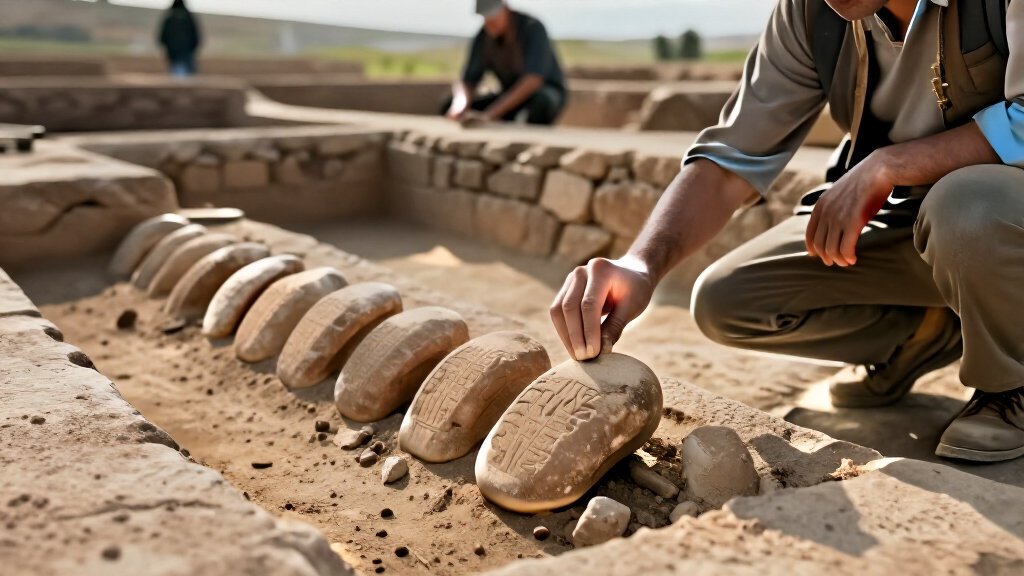
Archaeologists excavating the ancient Hittite city of Samuha in central Turkey found 131 cuneiform tablets and fragments this season, adding to 53 recovered the previous year. The roughly 3,400-year-old texts include records of a royal child’s fatal illness, a military request for reinforcements, and religious rituals and divination.
Archaeologists excavating the ancient Hittite city of Samuha in modern-day Sivas province, central Turkey, have uncovered 131 cuneiform tablets and fragments dating to the reign of King Tudhaliya II, about 3,400 years ago. The texts record royal life, a fever epidemic, military supply needs and religious practices, adding to 53 pieces found at the site in the previous excavation season.
The tablets are written in Hittite and Hurrian, according to the report on the excavation. Together, the finds are described as the largest and most comprehensive archive of Hittite-language documents discovered in the 21st century. They include correspondence, prayers, rituals and divination records, offering material for research into the Hittite language and scribal practice as well as the political and religious life of the kingdom.
One document describes a fever illness affecting the infant daughter of the king. The child was still nursing when she became sick, and the text records that her condition worsened and she died. The tablet also describes the funerary ritual that followed. Other records show that the health of royal children and the children of senior officials was closely monitored, with religious rituals performed in response to illness, which was understood as connected to divine will.
A letter from Hittite generals in western Anatolia asks the king for additional men, horses and chariots to counter enemy forces. The generals warn that their army could be destroyed without support and state that they should not be held responsible for failure if reinforcements do not arrive. The tablet places the king at Samuha when the message reached him, linking the archive to the city’s role as a royal base as well as a center of administration.
What the Samuha Tablets Reveal
The documents offer a view of the Hittite state through the work of its administration, rather than only through later accounts of rulers and wars. The military letter records a practical problem: forces operating far from the king needed supplies and reinforcements, and their commanders communicated the risk directly to the court. Its wording also shows how officers sought to assign responsibility if the request went unanswered.
The illness and funerary text provides a rare account of royal family life and death, while records about officials’ children suggest that concern for health extended beyond the palace. Read together, the material connects household welfare, religious practice and governance. The divination records may also help researchers examine how Hittite specialists observed and interpreted signs, including birds, in specific places and circumstances.
Because the archive includes texts in both Hittite and Hurrian, it may support comparison of languages and religious traditions within the Hittite world. The discoveries do not, on their own, answer every question about how these practices worked, but they add contemporary written evidence from a city with an important political and religious role.
As an affiliate, we earn on qualifying purchases.
Samuha as a Hittite Royal Base
Samuha, in what is now central Turkey, served as a royal stronghold during a period of political and military upheaval. The texts date to the reign of Tudhaliya II. The report says the tablet about military reinforcements confirms that the king was at Samuha when the letter arrived, an indication of the city’s connection to royal decision-making.
The city retained military importance after Tudhaliya II: his successor, Suppiluliuma I, used Samuha as a base for campaigns associated with the consolidation and expansion of Hittite territory. It also had a religious role linked to the goddess Sauska, a major deity in the Hurrian pantheon associated with love and war and identified with Ishtar in the report.
The excavation’s earlier season yielded 53 tablets and fragments. This season’s 131 finds more than triple that count, although the figures refer to recovered pieces, not necessarily 131 complete documents. A tablet recording the journeys of bird diviners describes their routes, stops and observations in a diary-like format, adding detail about religious activity beyond the royal court.
“Without reinforcements, the army would be destroyed by the enemy.”
— Hittite generals writing to King Tudhaliya II, as summarized in the report
As an affiliate, we earn on qualifying purchases.
What the Excavation Has Not Settled
The report does not provide the exact excavation dates, the precise findspot within Samuha, or details about which institutions or researchers are leading the work. It also does not state whether the 131 pieces have been fully conserved, translated or published, or how many represent complete tablets rather than fragments.
The account summarizes the documents’ contents but does not include full translations or technical descriptions of the texts. Further study may refine readings of the letters, rituals and divination records. The report’s description of the collection as the largest 21st-century Hittite-language archive is not accompanied by comparative figures or an explanation of how that category was defined.
As an affiliate, we earn on qualifying purchases.
Translation and Study of the Tablets
The next stage will be the detailed conservation, cataloguing and interpretation of the newly recovered pieces. Researchers will need to establish how the fragments fit together, assess the languages and scripts, and compare the texts with other Hittite records. Publication of fuller translations and archaeological details would clarify the archive’s scope and the circumstances in which the documents were stored.
As that work proceeds, scholars can test what the tablets suggest about royal administration, military communication and religious practice at Samuha. For now, the confirmed development is the recovery of 131 pieces this season; the full contents and research conclusions remain forthcoming.
As an affiliate, we earn on qualifying purchases.
Key Questions
Where was the Hittite archive found?
It was found at ancient Samuha, in modern-day Sivas province in central Turkey.
How many tablets were recovered?
The latest excavation season produced 131 cuneiform tablets and fragments. The previous season uncovered 53 pieces, according to the report.
What do the tablets describe?
The reported contents include a royal child’s illness and funeral rites, a generals’ request for military reinforcements, religious rituals, prayers and records of bird divination.
How old are the documents?
They date to the reign of King Tudhaliya II, about 3,400 years ago.
Have the tablets been fully translated?
The report summarizes several texts but does not say whether the entire collection has been conserved, translated or formally published. Further study is needed to establish the full contents.
Source: hn
Fall Picks
fall essentials
As an affiliate, we earn on qualifying purchases.