
The key detail that predicts fading in pigments versus dyes is their molecular stability. Pigments are larger, chemically complex molecules with strong bonds that resist environmental damage like UV light, moisture, and temperature changes. Dyes, on the other hand, are smaller and more soluble, making them more prone to breakdown and fading over time. Understanding this core difference helps you choose the right colorant for durability—keep exploring to learn more about how stability impacts long-lasting colors.
Key Takeaways
- Molecular size and structure: pigments have larger, more stable molecules, making them less prone to fading than smaller, soluble dyes.
- Chemical bonding strength: pigments bond physically or chemically within substrates, enhancing durability over dyes that often sit on the surface.
- Solubility characteristics: dyes are highly soluble, increasing vulnerability to washing and environmental degradation, unlike insoluble pigments.
- Resistance to UV exposure: pigments’ complex molecules better resist photodegradation, predicting longer-lasting color than dyes.
- Environmental stability: pigments generally withstand moisture, heat, and chemicals better, reducing fading compared to dyes.

Canon imagePROGRAF TM-240 24" Large Format Printer
With the new L-COA PRO II processor, the imagePROGRAF TM Series is approximately 30 percent faster than previous...
As an affiliate, we earn on qualifying purchases.
The Chemical Foundations of Color Stability
Understanding the chemical principles behind color stability is essential to grasp how pigments and dyes maintain their hues over time. At the core, molecular stability plays a vital role; stable molecules resist breakdown and color change, ensuring longevity. Chemical interactions also influence how well a color endures, as strong bonds within the pigment or dye molecules prevent fading. When molecules are stable, they resist environmental factors like heat, moisture, and chemicals that typically cause discoloration. Dyes often rely on weaker chemical interactions, making them more prone to fading. Conversely, pigments are designed with robust molecular stability, which helps them stay vibrant longer. The chemical composition of a pigment or dye significantly impacts a color’s resistance to fading, emphasizing the importance of molecular structure in color preservation. Additionally, advancements in molecular design continue to improve the durability of colorants in various applications. Recognizing these chemical foundations helps you understand why some colors last while others fade quickly.

Canon imagePROGRAF TC-21 24" - Large Format Printer, Poster & Plotter Printer, Automatic Roll & Cut Sheet Paper Feeder, Includes 280 ml of Ink, White
Quality Prints: The 4-color ink printer delivers crisp text and vibrant images for attention grabbing posters on a...
As an affiliate, we earn on qualifying purchases.
How Pigments and Dyes Interact With Light
Pigments and dyes interact with light in different ways, which directly affects how they display color. Pigments typically absorb specific wavelengths through spectral absorption, reflecting others to create their hue. Dyes, on the other hand, dissolve into materials and rely on molecular stability to maintain their color. Their interaction depends on how molecules absorb light and resist breakdown. The table below compares their light interactions:
| Aspect | Pigments | Dyes | Impact on Color |
|---|---|---|---|
| Spectral absorption | Selective, broad spectrum | Often narrow, specific wavelengths | Determines color brightness and hue |
| Molecular stability | Usually stable under light | Can degrade faster | Affects longevity and fading resistance |
| Light reflection | Reflects reflected light | Absorbs and transmits light | Influences vibrancy and durability |
| Fading risk | Lower, due to stability | Higher, depending on stability | Predicts fading over time |
| Interaction type | Solid particles or powders | Dissolved molecules | Affects how light interacts with material |
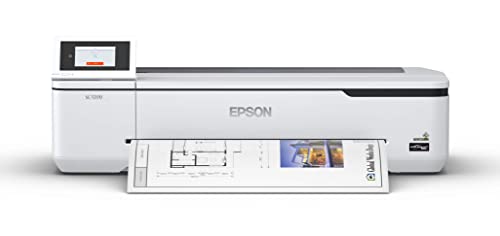
Epson SureColor T2170 24-Inch Desktop Wireless Poster CAD Plotter Printer | PrecisionCore Printhead | All-Pigment Durable Inks
Fast Print Speeds — produce accurate A1/D-size prints in 43 seconds (1).
As an affiliate, we earn on qualifying purchases.
The Role of Colorfastness in Material Durability
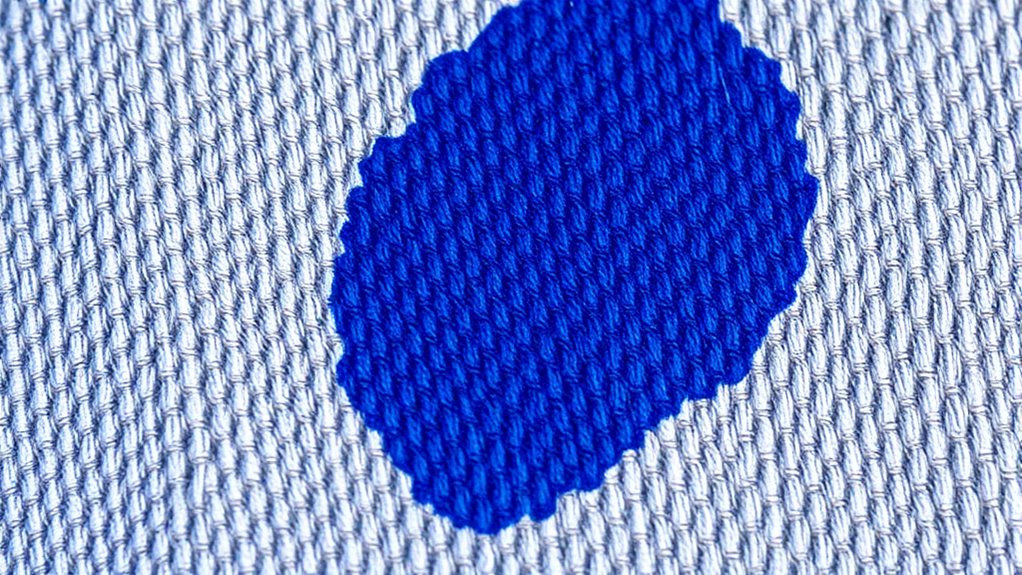
Colorfastness determines how well your materials resist fading over time, directly impacting their durability. Several factors, like exposure to sunlight and washing, influence fading resistance. Testing methods help assess these qualities to make certain your fabrics stay vibrant longer. Proper ventilation considerations can also help prolong color retention by reducing humidity and environmental stressors. Additionally, choosing appropriate dyes and pigments can significantly enhance the longevity of the colors. Selecting materials with high UV resistance can further protect against sunlight-induced fading, ensuring your decor remains beautiful for years to come. Incorporating colorfastness testing into your material selection process provides valuable insights into how well products will maintain their appearance over time.
Colorfastness and Material Longevity
When a fabric or material withstands repeated washing, exposure to sunlight, or daily wear, its colorfastness becomes an essential factor in determining how long it will look new and maintain its integrity. Natural pigmentation often provides better resistance to fading because it’s less reliant on dye absorption, which can weaken over time. Dyes, especially if not properly fixed, are more prone to fading with exposure. The key is how well the color stays embedded within the material. Understanding material durability, including the role of pigment and dye stability, helps in selecting fabrics that maintain their appearance longer. Additionally, aviation regulations influence the selection of durable materials in aircraft interiors to ensure safety and longevity. Recognizing the impact of media on perceptions of material quality can also guide consumers toward more reliable choices. Factors like UV resistance are crucial for maintaining colorfastness under prolonged sunlight exposure, especially in outdoor applications.
Factors Affecting Fading Resistance
Factors such as the type of coloring agent and how it’s applied considerably influence a material’s resistance to fading. Color formulation plays a vital role; pigments generally offer better colorfastness than dyes because they are more resistant to environmental factors. The stability of the color depends on the chemical makeup and how well the pigment bonds with the substrate. Application techniques also matter—proper methods guarantee the coloring agent is evenly distributed and deeply embedded, enhancing durability. Poor application can lead to uneven fading or quicker discoloration. Whether you’re using pigments or dyes, selecting the right combination of color formulation and application techniques can markedly improve fading resistance. Understanding the mechanics of colorfastness can help in choosing the most durable coloring methods for various materials. Additionally, the chemical stability of the coloring agents contributes significantly to their long-term performance under environmental stresses.
Test Methods for Durability
To accurately assess a material’s durability, scientists rely on standardized test methods that evaluate how well colors withstand environmental stressors. These tests measure colorfastness, essential for predicting fading over time. Techniques include exposure to light, washing, and rubbing. For example, in dye synthesis, the stability of dyes during color mixing determines their longevity. You can test textiles by simulating sunlight or moisture to see how pigments or dyes resist fading. Here’s a quick overview:
| Test Type | Stressor | Purpose |
|---|---|---|
| Lightfastness Test | UV light exposure | Assess fading due to sunlight |
| Wash Fastness Test | Water and detergents | Check color retention after washing |
| Rubbing Fastness | Friction | Measure resistance to wear |
Additionally, understanding colorfastness testing helps manufacturers improve product durability. These methods are crucial for maintaining color stability during product use. These methods help predict real-world durability, guiding material selection. Recognizing the importance of piercing aftercare can also influence the longevity of body jewelry, as proper hygiene and handling prevent premature fading or damage.

HP DesignJet T630 Large Format 24-inch Plotter Printer, with Auto Sheet Feeder, Media Bin & Stand (5HB09D) - New Model
Ideal for: Technical line-drawings, renders requiring precise, accurate line-quality and crisp text, posters, and maps. This printer is...
As an affiliate, we earn on qualifying purchases.
Chemical Composition and Its Impact on Fading Resistance
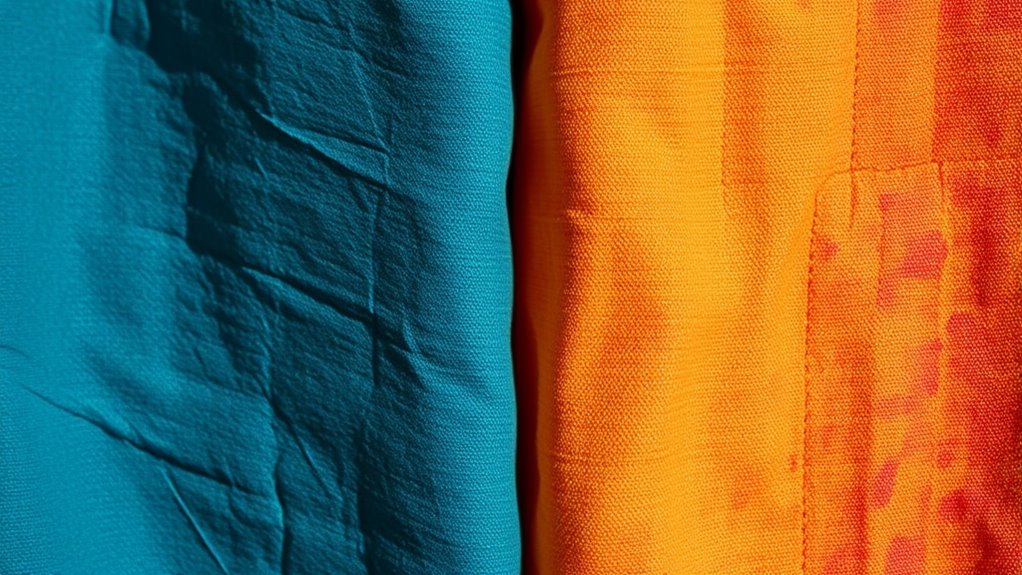
The chemical composition of pigments and dyes plays a crucial role in how well they resist fading over time. Your choice impacts molecular stability and how chemical interactions occur within the material. Stable molecules prevent breakdown caused by light exposure, heat, or chemicals. Poor molecular stability leads to quicker fading and discoloration. Understanding the chemical makeup can reveal:
- How resistant the pigment or dye is to photodegradation
- The strength of chemical bonds that hold the color intact
- Potential reactions with environmental factors that cause fading
- The overall durability linked to the molecular structure and its influence on stability and longevity. Recognizing chemical stability can help predict their longevity and performance in various conditions. Additionally, factors such as oxidation resistance significantly affect how pigments and dyes withstand environmental stressors over time. Moreover, considering chemical interactions can provide deeper insight into how different substances may accelerate or hinder fading processes.
The Importance of Molecular Structure in Color Retention
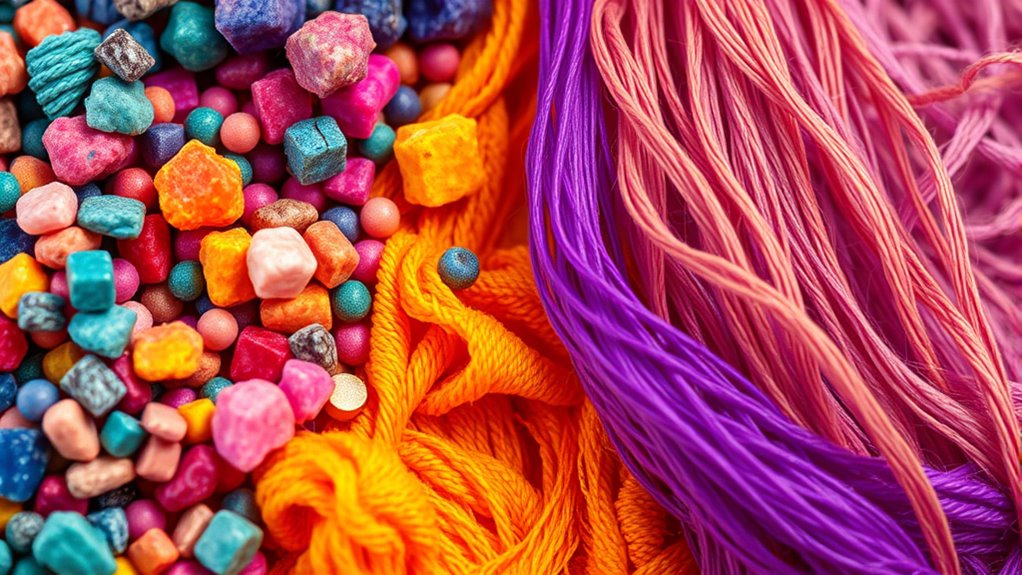
Molecular structure determines how well a pigment or dye maintains its color over time by influencing the stability of its chemical bonds. Your understanding of molecular interactions helps predict color retention, as stable structures resist breakdown and fading. When molecules form strong bonds, they enhance chemical stability, making colors last longer. Conversely, weak interactions lead to quicker fading. The arrangement of atoms affects how molecules respond to environmental stressors. Recognizing the benefits of curiosity can also provide insights into how innovative solutions are developed to improve colorfastness. Additionally, understanding the role of molecular bonds can guide the development of more durable pigments and dyes, as chemical stability plays a crucial role in resisting environmental degradation. Exploring molecular stability mechanisms can further inform material scientists in creating long-lasting coloration.
Environmental Factors Influencing Color Longevity
Your colors face constant challenges from environmental factors like UV light, humidity, and temperature changes. These elements can cause fading, deterioration, or shifts in hue over time. Understanding how these conditions impact pigments and dyes helps you choose more durable options. Additionally, awareness of air quality and its effects can further influence the longevity of your colors, making it essential to consider your environment when selecting materials. Recognizing the role of material composition can also help predict how well your colors will hold up under specific environmental stresses. Moreover, knowing how environmental conditions interact with different colorants can guide you in making more resilient choices.
UV Light Exposure
Exposure to UV light can considerably accelerate the fading of both pigments and dyes, especially when they’re left outdoors or in bright environments. UV degradation affects the molecular bonds in colorants, reducing pigment stability and causing colors to dull over time. To minimize damage, consider these factors:
- Material protection: Using UV-resistant coatings or varnishes can shield colors from harmful rays.
- Placement: Keep artworks or items away from direct sunlight to slow degradation.
- Color choice: Some pigments withstand UV exposure better due to their chemical composition.
- Environmental control: Reducing exposure to intense light preserves color vibrancy longer.
Understanding how UV light impacts pigment stability helps you make informed decisions about display and storage, prolonging the life of both pigments and dyes.
Humidity and Moisture
Humidity and moisture levels can substantially influence the longevity of colors in pigments and dyes. High humidity impact accelerates deterioration by promoting mold growth and fostering chemical reactions that break down color molecules. Moisture effects are especially critical for dyes, which are more susceptible to water-related fading because they often sit on or within fibers. Excess moisture can cause dyes to bleed or fade faster, while pigments generally resist moisture better, but prolonged exposure can still weaken their stability. Controlling humidity is essential to preserve vibrant colors over time. Too much moisture invites deterioration, while very dry conditions can cause cracking or flaking. Understanding these moisture effects helps you choose appropriate storage and display environments, ultimately extending the life of your colored materials.
Temperature Fluctuations
Fluctuations in temperature can substantially impact the durability of colors in pigments and dyes. As temperatures rise and fall, materials undergo thermal expansion and contraction, causing stress within the colorants. This process can lead to color migration, where pigments shift or fade unevenly. Rapid temperature changes accelerate this effect, weakening the binder’s stability and exposing colors to environmental damage. You should be aware that:
- Repeated thermal expansion and contraction cause microcracks.
- These cracks allow moisture and UV rays to penetrate, accelerating fading.
- Color migration results from uneven expansion, distorting original hues.
- Consistent temperature control preserves color integrity and longevity.
Comparing Lightfastness: Pigments Vs Dyes
Pigments generally outperform dyes in lightfastness because their molecular structure makes them more resistant to fading when exposed to light over time. This increased pigment stability means they retain their color longer, even under intense light. Dyes, with their high dye solubility, tend to fade faster because they are more susceptible to breakdown when exposed to UV rays. To understand this difference better, consider the table below:
| Aspect | Pigments | Dyes |
|---|---|---|
| Molecular Structure | Larger, more complex | Smaller, simpler |
| Lightfastness | Higher, more resistant | Lower, prone to fading |
| Application | Less soluble, stays embedded | Highly soluble, washes out easily |
This table highlights why pigments are more durable and ideal for longevity, whereas dyes might fade quicker due to their inherent properties.
Selecting the Right Coloring Agent for Long-Lasting Results
Choosing the right coloring agent is key to guaranteeing your project remains vibrant and durable over time. To achieve long-lasting results, consider how chemical reactions influence color stability and how color formulation impacts fading. When selecting between pigments and dyes, think about how they respond to environmental factors and light exposure.
- Opt for agents with stable chemical reactions that resist fading
- Prioritize color formulation designed for longevity
- Consider whether the coloring agent is compatible with your material
- Balance vibrant hue with chemical resilience for lasting brightness
Understanding these factors helps you make an informed choice, assuring your colors stay true longer. The right combination of chemical stability and thoughtful color formulation ensures your project endures the test of time.
Frequently Asked Questions
How Do Environmental Pollutants Affect Pigment and Dye Longevity?
Environmental pollutants accelerate pigment and dye fading through pollutant interactions that cause chemical breakdown. You might notice colors dull faster when exposed to pollutants like sulfur dioxide or nitrogen oxides, which trigger environmental degradation. These pollutants break down molecular structures, weakening color bonds. To protect your textiles or artworks, limit exposure to polluted environments and choose treatments resistant to environmental degradation, ensuring your colors stay vibrant longer.
Can Manufacturing Processes Influence the Fading Resistance of Pigments and Dyes?
Yes, manufacturing techniques can influence the fading resistance of pigments and dyes. If you focus on optimizing processes that enhance chemical stability, you can produce colors that resist fading better over time. Precise control during manufacturing, such as proper curing and formulation, guarantees the pigments and dyes maintain their vibrancy. By prioritizing these methods, you help create longer-lasting colors that withstand environmental challenges.
Are Natural Pigments More Resistant to Fading Than Synthetic Dyes?
Yes, natural pigments often resist fading better than synthetic dyes, though you’d never guess from their humble origins. While synthetic dyes may dazzle with vibrant hues, they tend to wash out faster, thanks to their chemical makeup. So, if you want colors that stand the test of time, choose natural pigments—they’re the slow and steady champions of color longevity, even if they don’t scream “flashy!”
What Role Does Substrate Material Play in Color Durability?
You should consider substrate material because it directly impacts color durability. Substrate compatibility ensures the pigment or dye bonds properly, preventing premature fading. Additionally, surface texture influences how well the color adheres; a smooth, compatible surface promotes even application and longevity, while rough or incompatible textures can cause uneven fading. By choosing the right substrate and surface texture, you’ll greatly enhance the durability and vibrancy of your colors over time.
How Do Advances in Nanotechnology Improve Colorfastness?
Nanotech innovations act like guardians, shielding colors from fading. By manipulating structures at the molecular level, these advances enhance color stabilization, making dyes and pigments more resistant to environmental stressors. You’ll notice your fabrics and inks stay vibrant longer because nanotechnology creates a barrier, preventing degradation. This cutting-edge approach guarantees your materials maintain their brilliance, turning everyday items into lasting expressions of color that resist time and wear.
Conclusion
Remember, the secret to lasting color isn’t just about choosing between pigments or dyes—it’s about understanding their molecular armor against fading. Like a battle of resilience, your selection can determine whether colors stand the test of time or fade into memory. So, ask yourself: are you investing in a fleeting illusion or a durable masterpiece? Make the smart choice, and let your colors tell their story for years to come.