Bronzing or gloss differences in prints happen because of how ink interacts with the paper’s surface, ink formulation, and environmental factors. Uneven ink absorption, surface coatings, or ambient conditions like humidity and sunlight can cause gloss variability and surface sheen changes over time. The type of paper and printing technique also play a role. If you want to understand how to prevent or manage these issues, there’s more to explore below.
Key Takeaways
- Uneven ink absorption on paper surfaces causes variations in gloss and bronzing over time.
- Ink formulations with metallic or reflective pigments can lead to surface gloss differences.
- Surface coatings and paper finishes influence how light interacts, affecting gloss uniformity.
- Environmental factors like humidity and sunlight accelerate surface deterioration, causing bronzing.
- Inconsistent printing processes or material choices can result in uneven ink application and surface effects.

Speedball Water-Soluble Metallic Block Printing Ink Set – 4 Iridescent Colors With Satiny Finish – 1.25 FL OZ Tubes
LIGHTFAST PRINTING INK – These block printing inks receive rave reviews from artists and students for good reason….
As an affiliate, we earn on qualifying purchases.
As an affiliate, we earn on qualifying purchases.
What Causes Bronzing and Gloss Differences in Prints
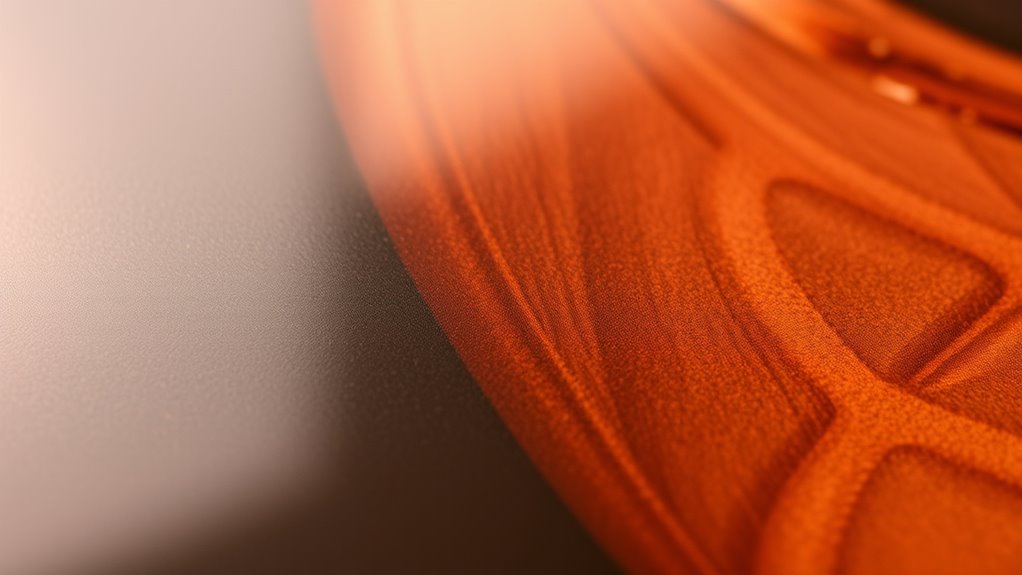
Bronzing and gloss differences in prints typically result from how the inks and coatings interact with the printing process and materials. One key factor is ink absorption; when ink penetrates the paper surface unevenly, it can cause variations in gloss and bronzing. Additionally, ink formulation plays a significant role in determining how the ink behaves during printing, influencing the final appearance. Variations in ink chemistry can lead to different levels of metallic or reflective qualities, affecting the overall finish.
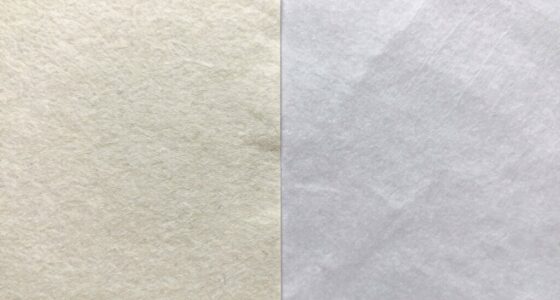
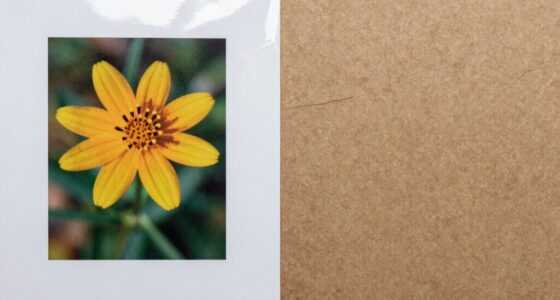
The paper texture plays a vital role here—smooth, coated papers tend to reflect light more evenly, reducing bronzing and increasing gloss, while rougher textures absorb more ink and scatter light, leading to duller finishes. Differences in how the ink interacts with these textures influence the final appearance. Surface properties of the paper, such as porosity and coating layers, also impact how light interacts with the print, further contributing to gloss and bronzing effects.
If ink absorption is inconsistent across the surface, certain areas might appear more reflective or metallic, creating the bronzing effect. Understanding the relationship between ink absorption and paper texture helps control gloss and bronzing in printing. Additionally, paper coating techniques can be adjusted to further minimize these differences and achieve a more uniform print finish, especially by optimizing coating formulations for specific paper types.

Epson Premium Photo Paper Semi-Gloss, 8.5 x 11 Inches, 20 Sheets (S041331)
Instant-drying, soft gloss paper for brilliant, fingerprint-resistant photos
As an affiliate, we earn on qualifying purchases.
As an affiliate, we earn on qualifying purchases.
How Ink Formulations Influence Print Aging and Surface Changes
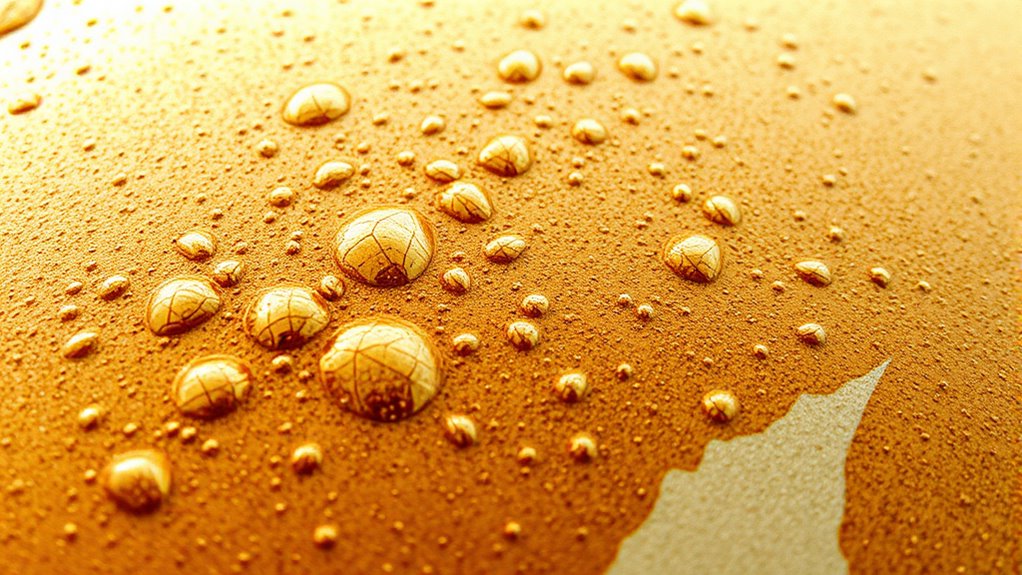
Ink formulations play a crucial role in how prints age and develop surface changes over time. Your choice of ink chemistry affects pigment stability, which influences whether prints bronze or exhibit gloss differences. Stable pigments resist degradation, maintaining color and surface integrity longer. Conversely, unstable pigments can lead to surface changes, such as gloss variation or bronzing.
| Ink Chemistry | Surface Stability | Aging Effects |
|---|---|---|
| Pigment stability | Resistance to fading | Surface gloss changes |
| Solvent composition | Resistance to cracking | Surface bronzing |
| Binder types | Longevity of finish | Surface aging effects |
Understanding these factors helps you select formulations that minimize undesirable surface changes over time.

Krylon K01309 Gallery Series Artist and Clear Coatings Aerosol, 11-Ounce, UV-Resistant Matte Spray Paint, 11 ounce, 11 Oz
Protects against harmful UV light rays
As an affiliate, we earn on qualifying purchases.
As an affiliate, we earn on qualifying purchases.
Why Paper Type and Surface Finish Matter for Gloss and Bronzing
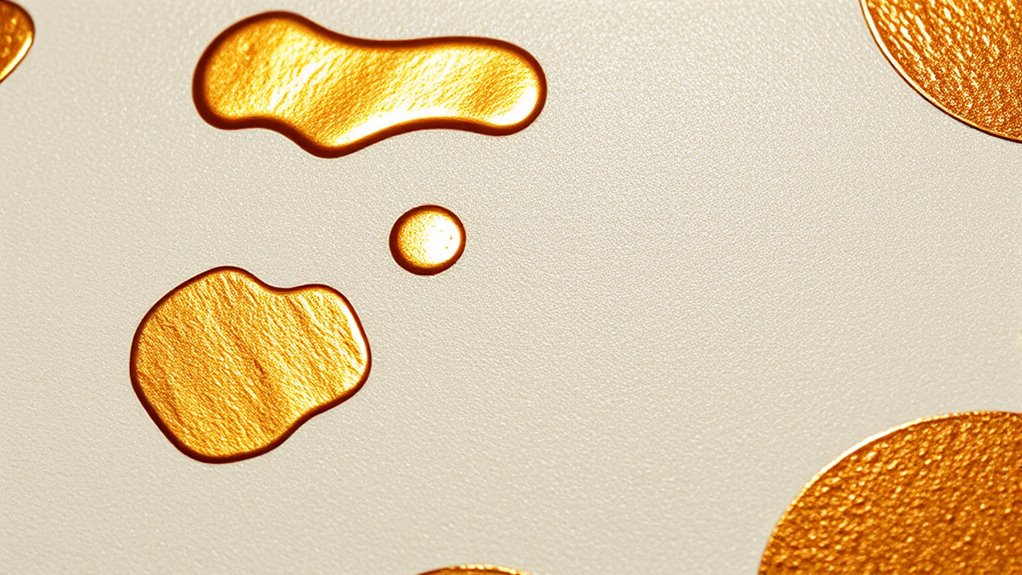
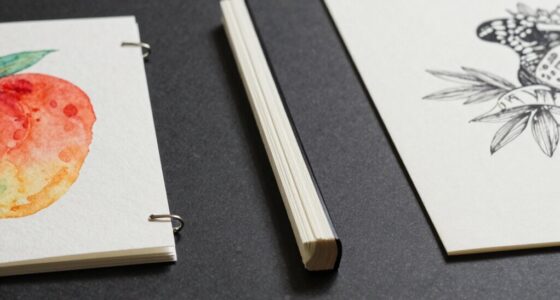
The type of paper and its surface finish considerably influence how prints develop gloss and bronzing effects over time. Different paper textures, such as smooth, matte, or glossy surfaces, affect how light interacts with the print. Smooth papers tend to produce higher gloss, making images appear shinier, while textured or matte papers diffuse light, reducing glare. Surface coatings also play a pivotal role; coatings designed for gloss enhance shine and can increase the likelihood of bronzing with certain inks. Conversely, coatings that add a matte or satin finish minimize reflections and help prevent surface changes. Your choice of paper and surface finish directly impacts the long-term appearance of your prints, determining whether they maintain their vibrancy or develop unwanted gloss or bronzing effects. Additionally, the surface finish can influence how inks settle and cure, further affecting the final appearance of printed images. Selecting the appropriate print materials is essential for achieving the desired visual outcome and durability. Proper understanding of print material properties helps in making informed choices that align with your aesthetic and longevity goals. Moreover, considering the compatibility of inks and surfaces ensures optimal results and reduces the risk of surface issues over time.
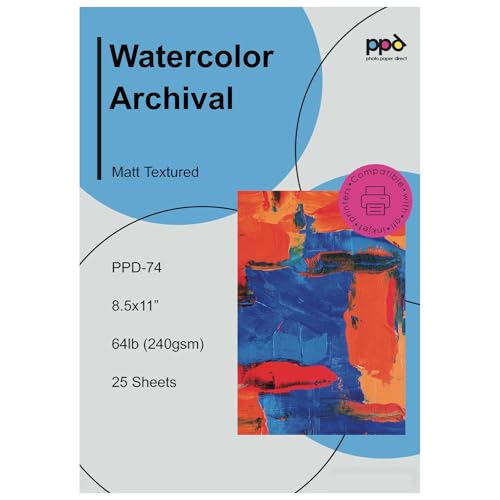
PPD Watercolor Printer & Printable Fine Art Paper for Inkjet Printer, Textured Giclee Archival Acid Free Paper 8.5 x 11, Professional Grade, Heavyweight 240 gsm/64 lb (25 Sheets)`
High Quality Inkjet Watercolor Paper: This premium 8.5 x 11 inch, 240 gsm (64 lb) fine art paper…
As an affiliate, we earn on qualifying purchases.
As an affiliate, we earn on qualifying purchases.
How Environment Affects Print Degradation Over Time
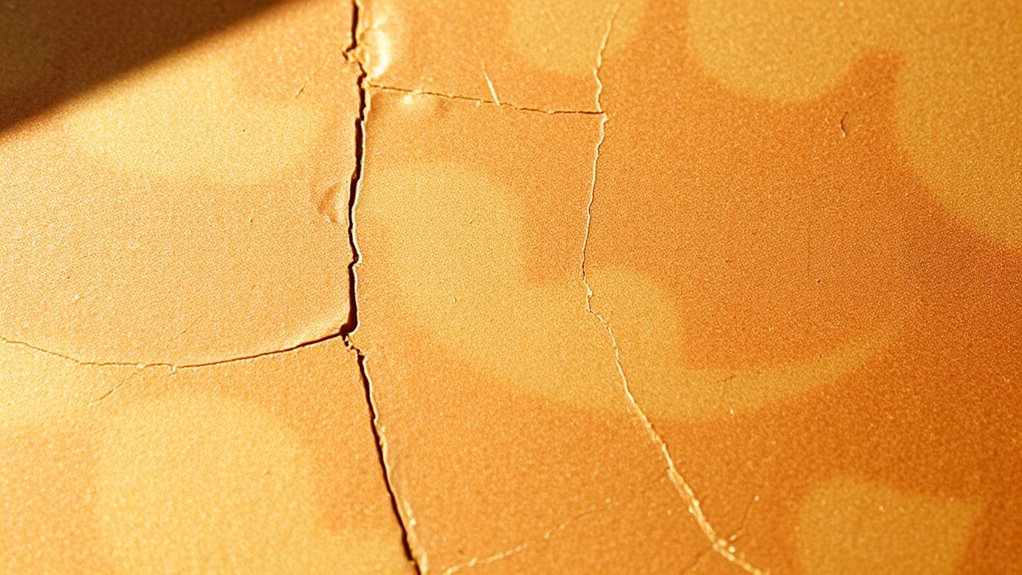
Environmental factors play a vital role in how your prints age. High humidity can cause prints to warp or stick. Direct sunlight speeds up fading and bronzing. Temperature swings also weaken the paper and ink, leading to quicker deterioration over time. Additionally, poor indoor air quality and airborne pollutants can accelerate print degradation by depositing particles onto the surface. Proper storage conditions that control environmental exposure can significantly extend the life of your prints.
Humidity’s Impact on Prints
Humidity levels play a crucial role in how prints age over time. Excess humidity can lead to humidity effects like warping, mold growth, or ink smudging, accelerating deterioration. Conversely, low humidity can cause paper to become brittle and crack, risking damage during handling. Maintaining proper moisture control is essential to preserve print quality. Additionally, indoor air quality can influence the presence of pollutants or mold spores that may further degrade prints if not properly managed. When humidity fluctuates, it creates stress on the print surface, leading to uneven gloss or bronzing. Environmental stability is vital for long-term preservation, and fluctuations can be minimized with proper climate control. To prevent these issues, store prints in environments with stable humidity levels—ideally between 40-50%. Using dehumidifiers or humidifiers helps regulate moisture, protecting your prints from environmental damage. Proper moisture management is key to long-term preservation and can involve regular monitoring with hygrometers to ensure consistent conditions. Understanding humidity’s impact allows you to take proactive steps, such as climate control measures, ensuring your prints remain vibrant and intact over time. Additionally, understanding the physics behind bubble behavior in case of sonoluminescence can offer insights into environmental effects on physical phenomena, which parallels how environmental conditions influence material stability.
Sunlight Accelerates Damage
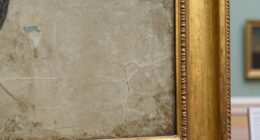
Sunlight exposure accelerates the degradation of prints by breaking down dyes, inks, and paper fibers over time. UV exposure triggers chemical reactions within the materials, causing fading, discoloration, and surface deterioration. Understanding the importance of proper mounting and framing techniques can help protect prints from environmental damage. These UV rays can break chemical bonds in dyes and inks, leading to loss of vibrancy and gloss. Additionally, prolonged exposure to sunlight can weaken paper fibers, making prints more fragile and prone to cracking or browning. The chemical breakdown process is intensified by heat and humidity, which can further accelerate deterioration. Implementing UV protection methods such as UV-filtering glass or acrylic can significantly reduce damage. The damage is often irreversible, so you should limit direct sunlight exposure or display prints in UV-protected environments. Recognizing the environmental factors that contribute to print degradation helps you take proactive steps to preserve your prints’ appearance and longevity, ensuring they remain vibrant and intact for years to come. Proper environmental conditions, including temperature and humidity control, are also crucial in extending the lifespan of your prints.
Temperature Fluctuations Cause Deterioration
Temperature fluctuations can considerably accelerate the deterioration of your prints by causing the materials to expand and contract repeatedly. This constant movement weakens the bonds within the inks and coatings, leading to issues like bronzing or gloss differential. Fostering a digital-friendly environment at home can help monitor and control environmental conditions more effectively. As temperatures vary, you may notice color inconsistencies developing over time, as some areas fade or change hue faster than others. These shifts reduce overall print durability, making your prints more susceptible to cracking, peeling, or fading. To preserve your prints’ integrity, keep them in stable environments with consistent temperatures. Minimizing exposure to temperature swings helps maintain color consistency and prolongs the lifespan of your prints, ensuring they stay vibrant and intact longer. Controlling environmental factors** is key to preventing deterioration caused by temperature fluctuations. Proper storage and handling also play a crucial role in maintaining print quality over time, especially by avoiding environmental stressors that can accelerate material breakdown. Being aware of material properties can further help you select the best storage conditions to protect your prints from environmental damage. Additionally, understanding the science of material degradation** can assist in choosing optimal storage environments to extend your prints’ longevity.
Do Printing Techniques Impact Long-Term Appearance?
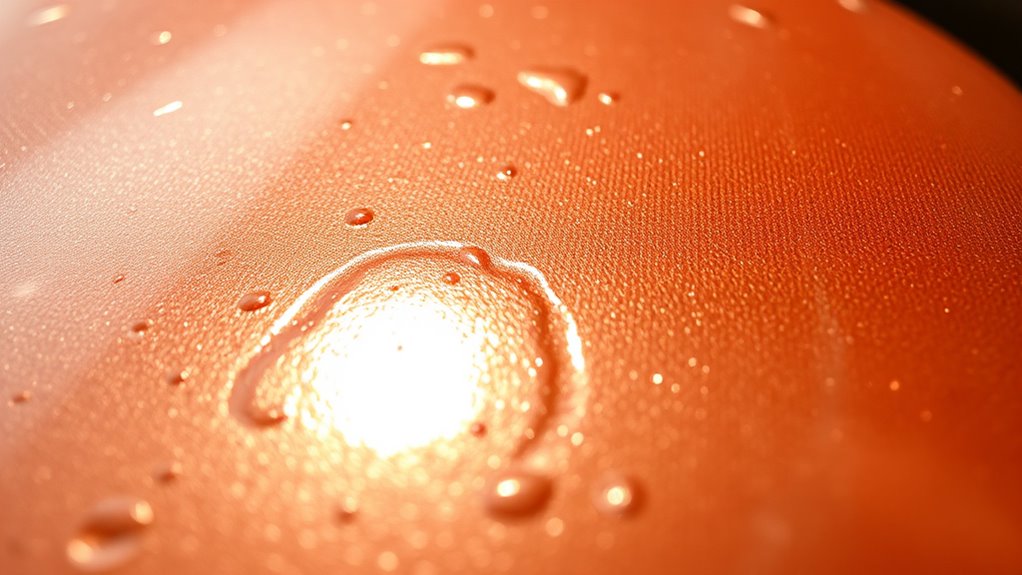
Your choice of ink application methods can influence how your print ages, with some techniques offering better durability than others. Surface coatings also play a key role in protecting prints from wear and environmental factors, affecting their long-term look. Additionally, the materials you select for printing can determine how well your images resist bronzing or gloss differences over time. Incorporating smart environmental sensors can help monitor conditions that may accelerate deterioration, ensuring your prints remain vibrant longer.
Ink Application Methods
The way ink is applied during the printing process can considerably influence the long-term appearance of a print, especially when it comes to bronzing or gloss differences. Different application methods affect ink absorption rates, which in turn impact how evenly the ink settles on the paper.
For example, screen printing often deposits thicker ink layers, leading to longer drying times and potential surface irregularities. Faster drying methods, like quick-dry inks or heat-assisted techniques, reduce the risk of uneven gloss or bronzing by limiting ink absorption inconsistencies.
Precise control of ink application guarantees a uniform surface, minimizing gloss differential over time. Ultimately, choosing the right ink application method is vital to achieving consistent, durable print quality that resists long-term surface changes.
Surface Coating Effects
Surface coatings play an essential role in determining how printing techniques influence the long-term appearance of a print. The surface texture created by the coating affects how light reflects, impacting gloss and bronzing.
A smooth, even coating ensures consistent gloss, reducing the risk of gloss differential over time. Conversely, uneven surface texture can lead to areas where coating adhesion is weaker, causing spots that may bronze or lose shine faster.
Proper adhesion between the coating and underlying ink or substrate is critical for durability; poor adhesion can cause peeling, fading, or uneven gloss.
Printing Material Choices
Choosing the right printing materials considerably influences how a print will age and maintain its appearance over time. Your choice of paper textures and printing equipment determines the durability and visual consistency of the final product. Higher-quality papers with smoother textures resist bronzing and gloss differential better, while incompatible printing equipment can cause uneven ink distribution, leading to long-term issues.
| Paper Texture | Impact on Appearance |
|---|---|
| Smooth | Prevents bronzing, ensures even gloss |
| Rough | May cause uneven ink absorption, gloss issues |
| Glossy | Enhances vibrancy, but prone to surface differences |
| Matte | Less reflective, more forgiving over time |
| Textured | Adds character but can complicate ink adhesion |
How to Minimize Bronzing and Gloss Variations in Your Prints
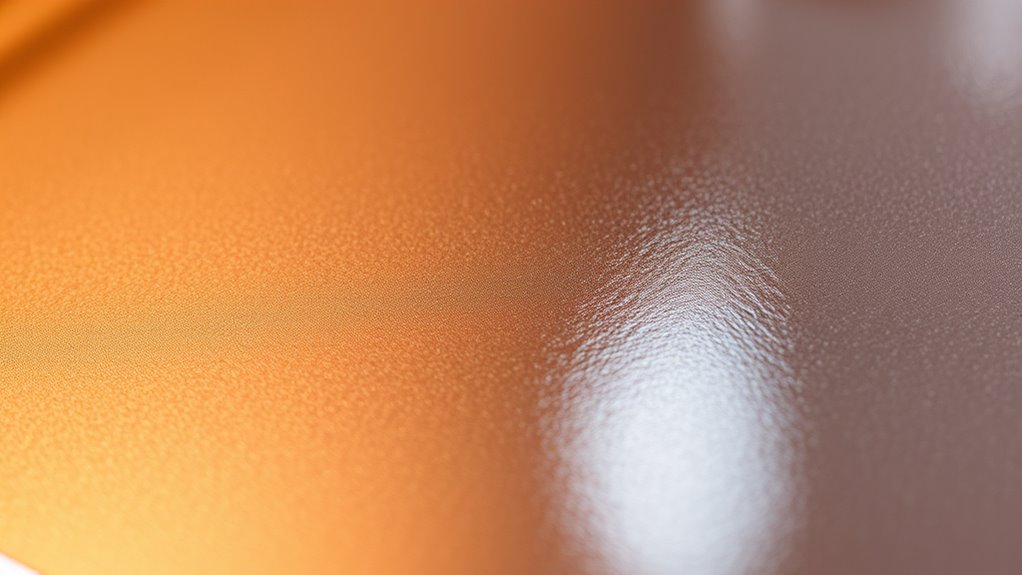
To minimize bronzing and gloss variations in your prints, it’s essential to control the printing process meticulously. Start by ensuring consistent ink absorption; uneven absorption can cause gloss differences and color fading over time. Use compatible inks and substrates with proper surface properties to promote uniform ink penetration.
Adjust printing parameters such as drying time and ink layer thickness to prevent excess ink buildup, which can lead to glossy patches or dull areas. Regularly calibrate your printer to maintain color consistency, reducing the risk of color fading that accentuates gloss differences.
Additionally, avoid exposing prints to excessive light or humidity, which can further affect ink stability and uniformity. By managing these factors, you achieve more consistent gloss levels and prevent bronzing.
Frequently Asked Questions
Can Digital File Settings Influence Gloss and Bronzing Outcomes?
Yes, digital file settings can influence gloss and bronzing outcomes. If your digital file quality is poor or the color profile settings are incorrect, it can lead to uneven gloss or bronzing effects.
Ensuring your digital files have high resolution and proper color profiles helps maintain consistent finishes. Adjusting these settings before printing allows you to control how the ink interacts with the paper, reducing unwanted gloss or bronzing variations.
Do Printing Equipment Calibration Issues Cause Surface Finish Inconsistencies?
Yes, calibration issues can cause surface finish inconsistencies. When your printing equipment isn’t properly calibrated, it can lead to uneven ink distribution, affecting gloss levels and causing bronzing effects.
Regular equipment maintenance helps prevent these problems by ensuring your printer operates accurately and consistently.
How Does Ink Drying Time Affect Gloss Uniformity?
When ink drying time isn’t consistent, gloss variability occurs because the ink may not fully cure or dry evenly across the surface.
If ink dries too quickly, it can cause a dull or matte finish, while slower drying allows for a more uniform gloss.
You should control drying conditions carefully, such as temperature and humidity, to guarantee even ink drying and achieve consistent gloss throughout the print.
Are Certain Protective Coatings More Effective Against Bronzing?
Yes, UV coatings are generally more effective against bronzing because they create a durable, even protective layer that prevents the ink’s reflective properties from changing.
When choosing a coating, consider its compatibility with your ink formulation; some formulations work better with specific UV coatings. Always test different coatings to verify they provide the desired gloss uniformity and protect against bronzing, especially on prints with metallic or glossy inks.
Does Storage Temperature Impact Long-Term Gloss Stability?
Yes, storage temperature impacts long-term gloss stability. When you store prints in poor storage conditions, especially at high temperatures, it accelerates material degradation.
This degradation can cause gloss to fade or become uneven over time. To protect your prints, keep them in a cool, stable environment with controlled humidity.
Proper storage minimizes deterioration, ensuring your prints maintain their original gloss and visual appeal for years to come.
Conclusion
To keep your prints looking great over time, pay attention to ink formulations, paper types, and surface finishes. Use the right printing techniques and store your prints in a suitable environment to prevent bronzing and gloss differences. Regularly monitor your prints and choose materials wisely. By understanding these factors and making informed choices, you can minimize surface variations and guarantee your prints stay vibrant and consistent for years to come.