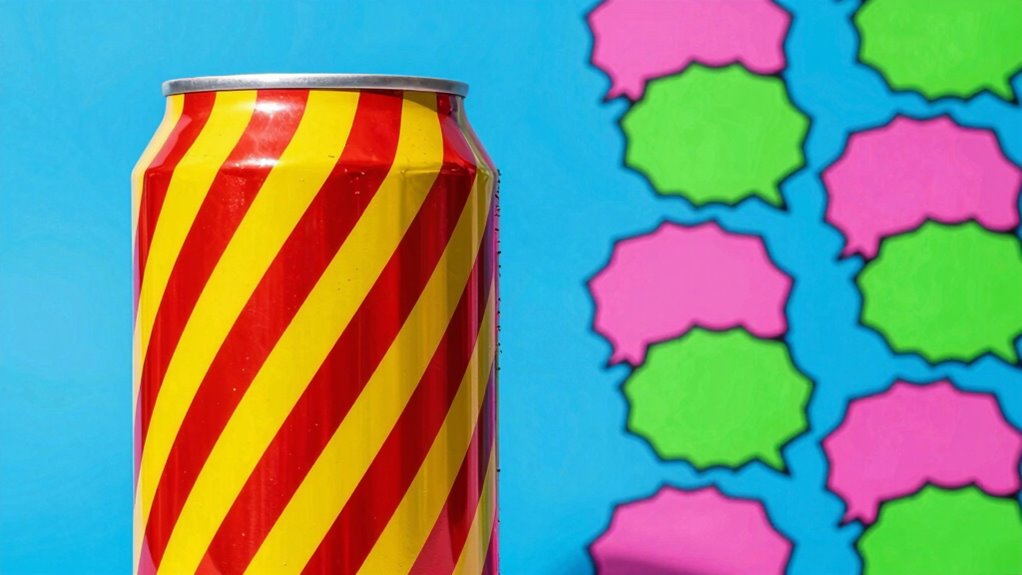

Pop Art makes everyday objects high art by challenging traditional ideas of beauty and value. Artists like Warhol and Lichtenstein used familiar images from popular culture, turning products, comics, and consumer items into art symbols. They employed techniques like silk-screening and repetition to highlight their commercial origins. This movement blurs the line between high and low culture, reshaping perceptions and inspiring future art forms. To find out how these objects became cultural icons, keep exploring the story behind Pop Art.
Key Takeaways
- Pop Art elevates everyday objects by using them as artistic symbols, challenging traditional distinctions between high and low art.
- Artists like Warhol and Lichtenstein used commercial imagery and techniques such as silkscreen printing to transform ordinary items into art.
- Incorporating familiar consumer products and mass media, Pop Art blurs the boundaries between commercial culture and fine art.
- The movement emphasizes repetition, scale, and innovative materials to highlight the artistic value of everyday objects.
- Pop Art’s cultural critique and visual style make ordinary items iconic, redefining their role within artistic and societal contexts.

Banksy Style Butterfly Canvas Wall Art Colorful Graffiti Butterflies Picture Wall Decor for Living Room Bedroom Little Girl Painting Prints Abstract Street Pop Art Poster Artwork Home Decoration 12×16
【Banksy Canvas Wall Art Size】- Each Butterfly wall decor panel is 12 x 16 inch (30 x 40…
As an affiliate, we earn on qualifying purchases.
As an affiliate, we earn on qualifying purchases.
The Origins of Pop Art and Its Cultural Context
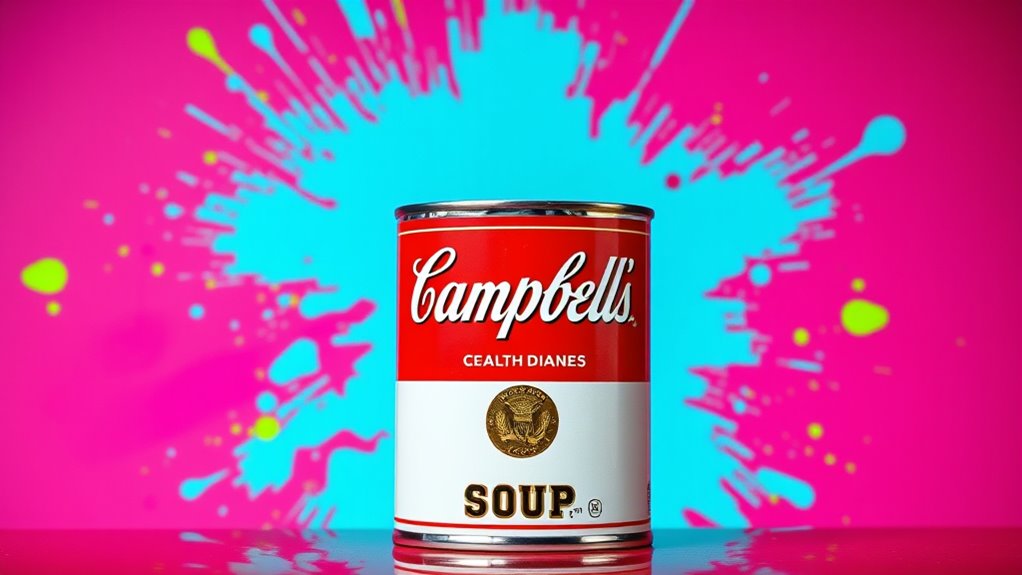
Pop Art emerged in the mid-1950s as a reaction to the dominant abstract expressionism and the growing consumer culture of post-war America and Britain. You see, artists started questioning how mass production and consumerism influenced society and art. They used commercial critique to challenge traditional notions of fine art, highlighting that everyday objects, advertisements, and mass-produced items could be art itself. By incorporating images from popular culture, they aimed to blur the lines between high and low art. This movement reflected the rise of consumerism, where mass production made products and images more accessible than ever. As a result, Pop Art became a commentary on how mass media and consumer goods shaped cultural identity, transforming ordinary objects into symbols of artistic expression. Additionally, the advent of new artificial materials and techniques allowed artists to experiment with different textures and effects, further elevating everyday items to the status of high art. The use of innovative artistic techniques and materials played a crucial role in pushing the boundaries of traditional art forms, making everyday objects appear more vibrant and compelling. Moreover, the movement often embraced popular imagery, turning commercial icons into celebrated works of art that challenged traditional aesthetic standards. These innovations in artistic materials also enabled artists to achieve a wide range of visual effects, enhancing the vibrancy and impact of their work. Furthermore, the influence of iconic artists like Andy Warhol demonstrated how mass-produced images could be transformed into influential works of art, solidifying Pop Art’s place in art history.

LEES TOSS Andy Warhol Soup Can (Tomato) Canvas Wall Art Bedroom Painting Decorative Poster for Room Aesthetic Living Room Decor Poster Unframe:12x18inchs(30x45cm)
As an affiliate, we earn on qualifying purchases.
As an affiliate, we earn on qualifying purchases.
Iconic Artists and Their Techniques
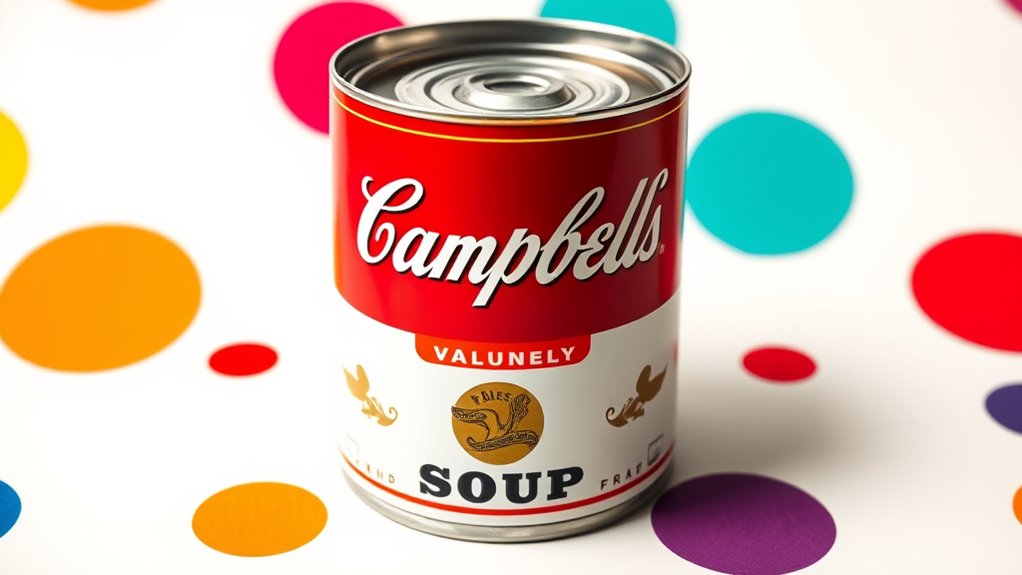
Several artists revolutionized the Pop Art movement with their innovative techniques and bold imagery. You can see how Roy Lichtenstein used comic book-style dots and thick outlines to transform printed images into fine art, emphasizing the graphic quality of popular culture. Andy Warhol, another key figure, embraced commercial imagery by silk-screening images of Marilyn Monroe and Campbell’s soup cans, blurring the line between high and low art. These artists didn’t just imitate commercial visuals; they elevated them, using techniques that highlighted their mass-produced origins. Their methods challenged traditional artistic boundaries and invited viewers to reconsider everyday objects and media as valid artistic subjects. Their use of repetition and scale further emphasized the commercial origins of their subjects, transforming mundane items into iconic symbols of modern culture. Additionally, their work often employed techniques of mass reproduction, which underscored the connection between art and consumerism. These methods also incorporated techniques of commercial printing, allowing for rapid and affordable production that contributed to the pop art aesthetic. The innovative use of screen printing technology enabled artists to produce bold, consistent images efficiently, making art more accessible. Through their bold approaches, they made familiar objects and images iconic symbols of modern culture.

Lichtenstein (Basic Art Series 2.0)
Exceptional reproductions of Lichtenstein's most important paintings and illustrations
As an affiliate, we earn on qualifying purchases.
As an affiliate, we earn on qualifying purchases.
Transforming Ordinary Items Into Artistic Symbols

By transforming everyday objects into artistic symbols, Pop artists challenge you to see the familiar in a new light. They repurpose items from mass production, turning consumer symbolism into art. This shift questions the boundaries between high and low culture, emphasizing how mass-produced items hold cultural value. Think of Campbell’s soup cans or comic strips—everyday objects elevated to iconic symbols. They highlight how consumerism influences identity and societal values. Use the table below to explore this transformation:
| Ordinary Item | Artistic Symbol |
|---|---|
| Soup Can | Commercial Culture |
| Comic Strip | Mass Media |
| Brillo Pad | Consumer Goods |
This approach invites you to reconsider the significance of common objects, revealing their deeper cultural meanings. Recognizing these objects as art also reflects the influence of pop culture on contemporary artistic expression. Additionally, this perspective encourages viewers to appreciate the everyday environment as a source of artistic inspiration, and it underscores the importance of cultural context in interpreting art. Understanding how artistic symbols are created from ordinary items can deepen your appreciation of the interconnectedness between daily life and creative expression. Exploring artistic innovation further can enhance your understanding of how artists transform mundane objects into meaningful symbols.
NATIONAL GEOGRAPHIC Kids Screen Printing Kit – Arts and Crafts Silk Screen Printing Kit with Fabric Paint, Frame, Stencils & Squeegee Plus Drawstring Bag & More, Screen Print, Silkscreening Kit
EVERYTHING KIDS NEED – This silk screen printing kit includes a reusable wooden mold, fabric and puffy paint,…
As an affiliate, we earn on qualifying purchases.
As an affiliate, we earn on qualifying purchases.
The Impact of Pop Art on Contemporary Culture
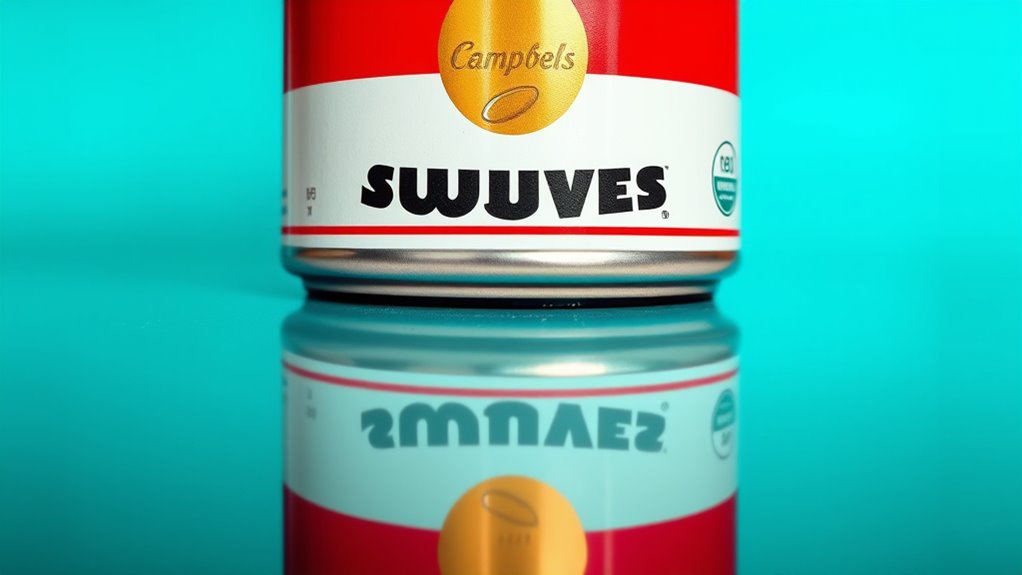
The influence of Pop Art extends far beyond the gallery walls, shaping how you perceive and engage with everyday culture. It has blurred the line between high art and mass media, making consumerism central to modern life. Pop Art’s bold imagery and familiar objects reflect society’s obsession with brands and advertising. This has led you to see consumer culture as an art form itself, influencing fashion, design, and entertainment. Pop Art’s impact includes:
- Normalizing the use of commercial imagery in art
- Encouraging brands to adopt artistic styles
- Shaping advertising strategies to appeal visually
- Reaffirming consumerism as a cultural force
- Promoting Free Floating aesthetics that emphasize spontaneous and unanchored visual expressions. This approach has also contributed to the rise of visual culture as a key aspect of contemporary society. Additionally, the integration of AI tools in artistic processes has expanded creative possibilities, influencing how modern art is conceived and produced. Recognizing the importance of appliance maintenance and energy efficiency can also be seen as part of the broader cultural shift towards sustainability and responsible consumption, which is reflected in the art and design of our daily lives. Moreover, the movement’s embrace of popular imagery has helped democratize art, making it more accessible to diverse audiences. Through this, Pop Art transforms your daily interactions with media and products into a reflection of contemporary identity.
Legacy and Continuing Influence of Pop Art

Pop Art’s bold approach to blending commercial imagery with fine art has left a lasting mark on the art world and popular culture. Its market influence is evident in how contemporary artists incorporate everyday objects and mass media into their work, blurring the lines between high and low art. This movement sparked significant artistic innovation, inspiring new styles that challenge traditional notions of creativity and value. Today, galleries and collectors continue to value Pop Art’s legacy, often seeking works that reflect its playful, provocative spirit. Its influence extends beyond art into advertising, design, and fashion, demonstrating how Pop Art reshaped cultural norms. By transforming ordinary objects into symbols of artistic expression, Pop Art remains a powerful force that drives ongoing innovation and reshapes artistic boundaries. Additionally, evidence‑informed guidance encourages artists and creators to explore new ways of engaging audiences through familiar visuals, ensuring Pop Art’s principles continue to inspire future generations. Its enduring appeal underscores the importance of artistic innovation in maintaining its relevance and fostering creative evolution. Moreover, understanding the cultural context of Pop Art helps to appreciate its impact on societal perceptions of consumerism and mass media, and recognizing its historical significance reveals how it challenged traditional artistic standards. Recognizing the cultural influences behind Pop Art enriches our understanding of its societal role and ongoing relevance.
Frequently Asked Questions
How Did Pop Art Influence Modern Advertising and Marketing Strategies?
Pop art influences modern advertising and marketing strategies by shaping branding tactics that emphasize bold visuals and familiar imagery, making campaigns more memorable. You can see its impact in how brands use pop culture references to boost consumer engagement, creating a sense of connection and excitement. This approach helps brands stand out, foster loyalty, and resonate emotionally, proving pop art’s lasting effect on how you experience advertising today.
Are There Contemporary Artists Still Using Pop Art Techniques Today?
Yes, contemporary artists still use pop art techniques today. For example, imagine a street artist creating a digital collage of iconic brand logos layered over political messages, echoing pop art’s bold commentary. This fusion of digital collage and street art keeps pop art’s spirit alive, making it relevant in today’s visual culture. You might see artists blending these techniques to challenge consumers and provoke thought just like the original pop artists did.
What Are Some Lesser-Known Pop Art Movements Around the World?
You’ll find lesser-known pop art movements worldwide that reflect unique cultural adaptations and regional influences. For example, in Latin America, the Mexican Arte Popular blends local traditions with pop aesthetics. In Japan, Superflat combines anime-inspired imagery with consumer culture. These movements incorporate local symbols and societal themes, showing how pop art evolves differently across regions, emphasizing diverse cultural narratives while maintaining the core pop art techniques you’re familiar with.
How Did Pop Art Challenge Traditional Notions of Fine Art?
You might be surprised to learn that over 50% of pop art pieces incorporate mass-produced items, challenging traditional art’s exclusivity. You see, pop art questions fine art’s elitism by embracing consumer culture and mass production, making everyday objects part of high art. By doing so, it blurs the line between high and low culture, encouraging you to view mundane items as worthy of artistic admiration.
Can Everyday Objects Be Considered Valuable Art Collectibles Now?
Yes, everyday objects can be valuable art collectibles now. You see, mass-produced art and consumer culture have elevated ordinary items into sought-after collectibles. Artists like Warhol transformed consumer goods into iconic art pieces, making them desirable for collectors. These objects symbolize a cultural shift, reflecting society’s obsession with mass production and shared experiences. So, if you own a piece of pop art, it could very well be a valuable addition to your collection.
Conclusion
So, next time you grab your favorite snack or stare at a billboard, remember—you’re actually witnessing pop art in action. What once was considered mundane now dominates galleries and museums, proving that everyday objects can become high art. Ironically, the very items society ignored or discarded have transformed into cultural icons. Who knew that the simplest things, with a splash of creativity, could challenge the boundaries of art itself?