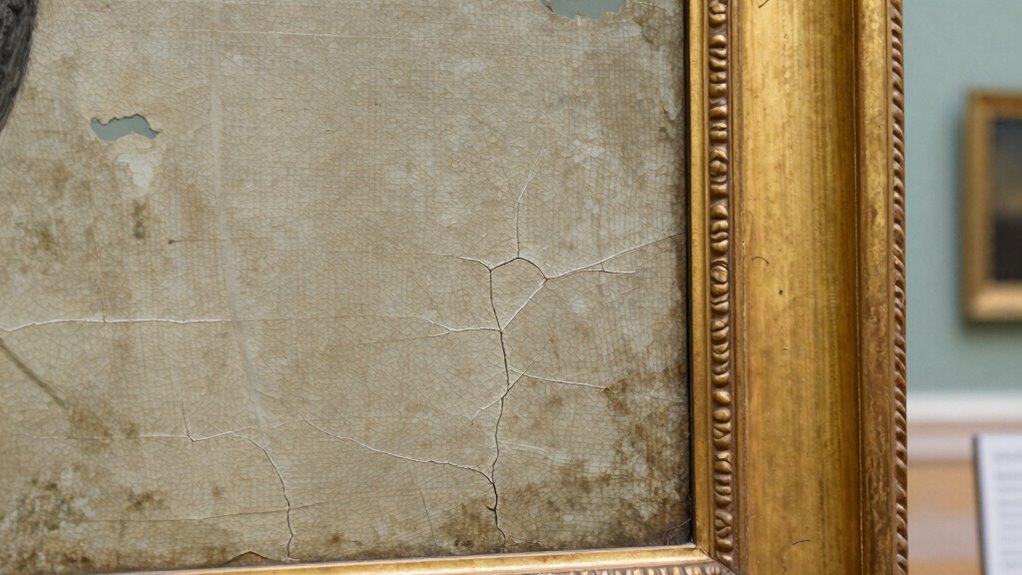

You should consider professional conservation when you notice signs of damage like cracks, fading, or flaking paint that threaten the integrity or appearance of the work. If deterioration could compromise its historical or artistic value, it’s time to consult a conservator. Budget considerations also matter—minor issues are easier and cheaper to address. Prioritizing high-value pieces is key, and seeking expert advice guarantees your work stays authentic and well-preserved. For a deeper understanding, keep exploring this important topic.

Get school and study supplies delivered free — and shop member deals
- Fast, free delivery on millions of items
- Access to Prime Big Deal Days deals on October 6–7
- Prime Video, Amazon Music and more included
Key Takeaways
- Identify visible damage or deterioration that compromises the work’s integrity or aesthetic value.
- Consider if preservation aligns with ethical guidelines to maintain authenticity and historical significance.
- Assess the importance and value of the work relative to available conservation resources and costs.
- Recognize signs that deterioration may threaten the work’s long-term preservation or authenticity.
- When in doubt, consult a professional conservator for expert advice on appropriate intervention.
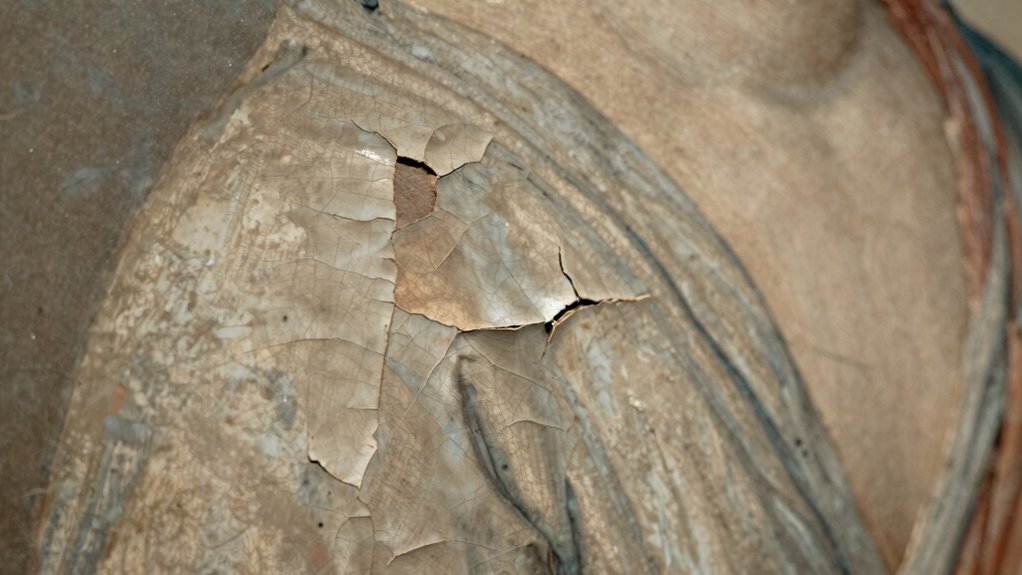
Deciding when a work of art or historic object needs professional conservation can be challenging, but understanding the signs can help you make an informed choice. You might notice visible damage like cracks, fading, or flaking paint, which signals that the piece could benefit from expert intervention. Sometimes, the deterioration isn’t obvious, but the object’s structural integrity or aesthetic value is compromised. If you’re unsure, consulting a conservator can clarify whether intervention is necessary. Recognizing the importance of professional conservation and its role in preserving authenticity is essential for making the right decision.
Restoration ethics play a vital role in this decision. You want to respect the original material and intent of the piece while guaranteeing its longevity. A professional conservator adheres to ethical guidelines that emphasize minimal intervention and transparency, so you can trust that they’ll preserve the work’s authenticity. If the damage threatens the piece’s historical significance or artistic integrity, conservation becomes more urgent. Conversely, if the damage is superficial or reversible, it might be best to avoid unnecessary treatments that could alter the original work. Ethical considerations also involve avoiding over-restoration, which can diminish the work’s historical value or mislead viewers about its original state. Understanding conservation ethics and its principles is crucial for making informed decisions. You should seek experts who prioritize these principles, making certain that their work aligns with best practices in the field.
Prioritize minimal, transparent interventions to preserve the work’s authenticity and historical value.
Funding considerations are often a practical aspect influencing whether you pursue conservation. Professional conservation can be costly, especially for complex or delicate objects requiring extensive treatment. If funding is limited, you’ll need to weigh the importance of the piece against the investment needed for proper care. Sometimes, grants or institutional support are available to help cover costs, but these aren’t always accessible. When funds are tight, it’s essential to prioritize objects with the highest historical or cultural significance, making sure that limited resources are allocated effectively. Remember, some conservation efforts, like cleaning or minor stabilization, can be more affordable and still provide meaningful preservation benefits. Always get a detailed estimate from a conservator before proceeding, so you understand the scope of work and costs involved.
In the end, your decision hinges on balancing the object’s value, ethical considerations, and available resources. Recognizing the signs of deterioration, respecting conservation ethics, and understanding funding realities will guide you toward the right choice. When in doubt, consulting a professional conservator is the safest route to make certain your artwork or historic object receives the care it deserves without compromising its integrity.
professional artwork conservation supplies
As an affiliate, we earn on qualifying purchases.
As an affiliate, we earn on qualifying purchases.
Frequently Asked Questions
What Are Common Signs a Work Needs Professional Conservation?
You’ll notice signs like cracked or flaking paint, warping, or fading colors indicating your artwork’s stability is compromised. These issues suggest it’s time for professional conservation. Conservation techniques can stabilize and restore your piece, preventing further damage. If you see mold, stains, or insect activity, it’s especially urgent. When damage affects the work’s integrity or value, consulting a professional guarantees proper care and preservation for the long term.
How Much Does Professional Conservation Typically Cost?
Professional conservation costs typically range from $500 to $10,000, depending on the artwork’s size, complexity, and condition. An interesting statistic shows that about 60% of conservation projects involve intricate restoration techniques to preserve original materials. Your decision should consider conservation ethics—prioritizing minimal intervention and maintaining authenticity. Costs vary based on expertise, materials, and effort involved, so consulting a conservator for a detailed estimate is always recommended.
How Long Does a Conservation Process Usually Take?
A conservation process usually takes several weeks to months, depending on the artwork’s condition and complexity. You’ll work with professionals who use specialized restoration techniques and conservation materials tailored to your piece. They carefully assess the damage, develop a treatment plan, and execute conservation techniques that preserve the work’s integrity. Expect the timeline to vary based on the work’s size, materials, and the extent of deterioration, ensuring thorough and careful restoration.
Can I Conserve Artwork Myself Without Professional Help?
You can attempt basic artwork cleaning and improve storage techniques yourself, but be cautious. Avoid using harsh chemicals or abrasive tools that might damage your piece. Focus on gentle dusting and proper storage in a stable environment, avoiding extreme temperature and humidity changes. For complex issues like tears or fading, it’s best to consult a professional conservator. Proper care can extend your artwork’s life without risking damage.
What Risks Are Involved in DIY Conservation?
Diving into DIY conservation? Beware of DIY pitfalls that turn your masterpiece into a modern art experiment. Conservation hazards lurk at every brushstroke—wrong chemicals, unstable adhesives, or overzealous cleaning can cause irreversible damage. You might think you’re saving money, but poor techniques often lead to costly repairs down the line. Trusting amateurs with delicate work risks destroying years of history, turning priceless art into a disastrous craft project.
As an affiliate, we earn on qualifying purchases.
Conclusion
So, now that you’ve weighed the worth of your cherished piece, remember: deciding whether to conserve isn’t just about preserving history, but about making a grand statement. Will you let time triumph, or will you fight back with professional care? After all, nothing says “I value art” quite like risking a few more years of neglect or splurging on proper conservation. Choose wisely—you’re not just saving a work, you’re staking your reputation as its ultimate guardian.
conservation-grade paint flake repair kit
As an affiliate, we earn on qualifying purchases.
As an affiliate, we earn on qualifying purchases.
artwork preservation and restoration books
As an affiliate, we earn on qualifying purchases.
As an affiliate, we earn on qualifying purchases.
Halloween Picks
halloween
As an affiliate, we earn on qualifying purchases.