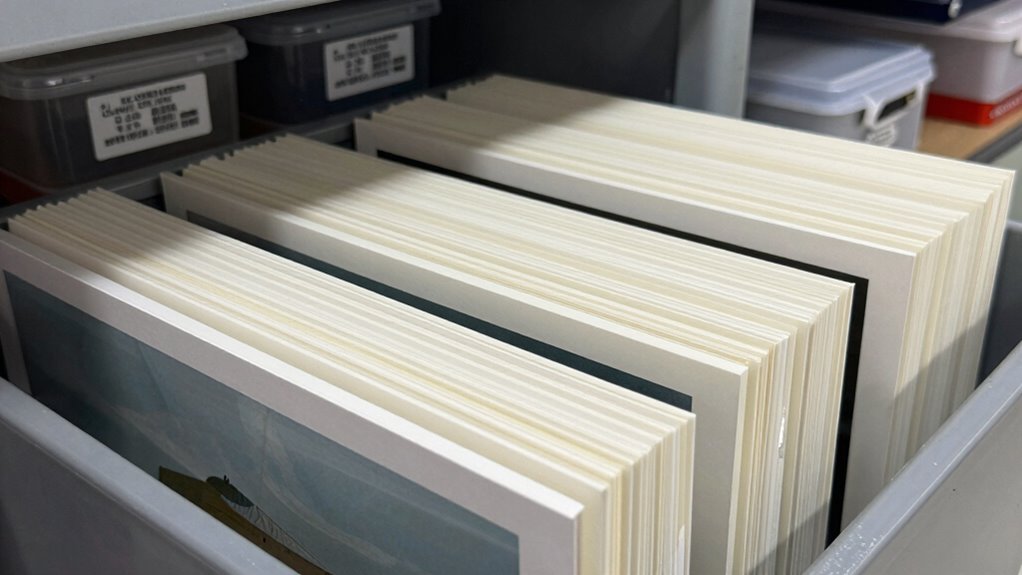

To keep your unframed prints from curling, cracking, or yellowing, store them flat in acid-free sleeves or folders made of archival materials. Maintain a stable environment by controlling humidity and temperature, keeping them away from direct sunlight and UV exposure. Handle prints carefully with gloves and label them for easy identification. For extra protection, store in acid-free boxes or portfolios. Keep these tips in mind to preserve your prints longer and discover more helpful techniques.
Key Takeaways
- Store prints flat in acid-free sleeves or folders to prevent curling and warping.
- Keep environmental conditions stable with controlled temperature (65-70°F) and humidity (40-50%).
- Use acid-free, lignin-free backing boards and enclosures to prevent yellowing and deterioration.
- Avoid exposure to direct sunlight and UV light; store in dark, opaque containers.
- Handle prints with care, supporting edges and wearing gloves to prevent physical damage.
Choose the Best Storage Materials for Unframed Prints
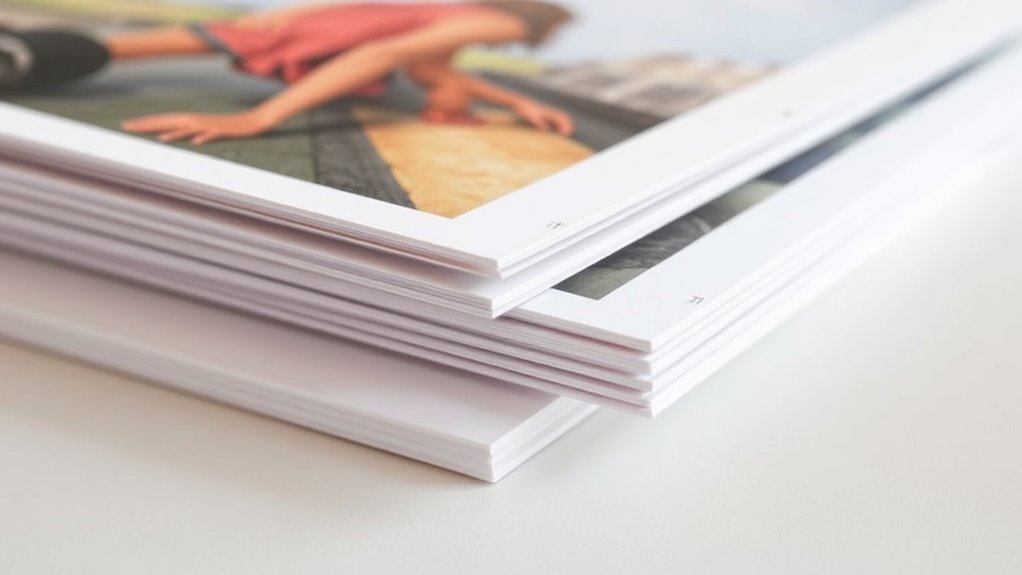
Choosing the right storage materials is essential to protect your unframed prints from damage over time. When selecting storage options, consider how matte vs glossy finishes influence your prints’ protection. Matte finishes tend to hide fingerprints and glare better, making them ideal for storage, while glossy prints are more vibrant but can show fingerprints easily. For framing options, think about using rigid, acid-free backing boards to prevent warping and bending. Acid-free sleeves or folders are also a smart choice to shield your prints from dust, dirt, and environmental damage. Avoid materials that contain acids or lignin, which can cause yellowing or deterioration. Additionally, selecting archival-quality storage materials helps ensure your prints remain in optimal condition for years to come. Using proper storage techniques can further extend the lifespan of your prints and maintain their appearance. Implementing climate-controlled storage environments can greatly reduce the risk of damage caused by humidity and temperature fluctuations. Proper storage materials guarantee your prints stay vibrant and intact, ready for framing or display whenever you choose. Incorporating acid-free enclosures further minimizes the risk of deterioration caused by environmental factors. A UV-protective coating can also add an extra layer of defense against light-induced fading, preserving the vibrancy of your prints.
Use Acid-Free, Archival-Quality Supplies to Protect Your Prints
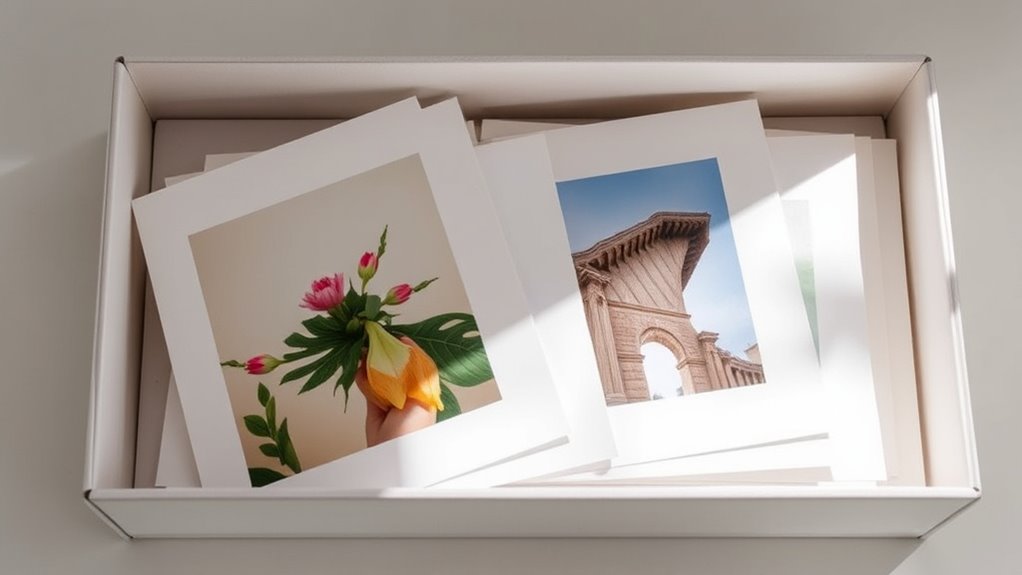
To guarantee your unframed prints remain in top condition over time, it’s vital to use acid-free, archival-quality supplies. Acid-free paper prevents deterioration and discoloration caused by acids that can break down paper fibers. Additionally, storing prints in a free-floating manner, without pressing them against any surfaces, helps reduce the risk of curling or cracking. When selecting materials for storage, opt for acid-free folders, sleeves, or backing boards to ensure your prints stay pristine. Using environmental controls such as stable temperature and humidity levels, along with archival storage methods, protects your prints from environmental factors like light, humidity, and pollutants, which can accelerate yellowing and cracking. Proper storage techniques can also minimize exposure to airborne pollutants, further extending the lifespan of your prints. Incorporating climate-controlled storage can significantly enhance long-term preservation by maintaining optimal environmental conditions. Additionally, choosing storage environments free from UV light exposure helps prevent fading and yellowing of your prints over time.
Store Prints Flat in Acid-Free Sleeves or Folders
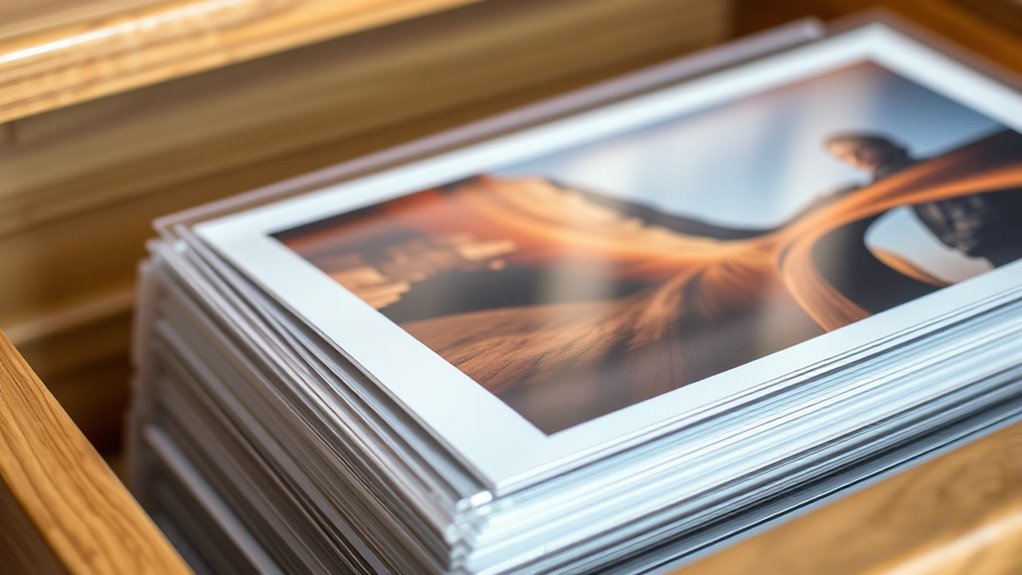
Once you’ve selected acid-free, archival-quality supplies, storing your prints flat helps prevent warping, curling, or creasing over time. Use acid-free sleeves or folders to keep your prints protected from dust and light exposure. Proper storage techniques are essential for maintaining print quality and longevity. This method offers a safe alternative to framing, which can sometimes cause damage or stress to the artwork. Keeping prints flat also makes it easier to organize and access them without risking damage. Consider creating digital backups of your prints to preserve image quality and reduce the need to handle the originals frequently. These backups serve as a safeguard if the physical prints get damaged, and understanding archival storage methods can further extend their lifespan. Additionally, familiarizing yourself with color accuracy and proper environmental conditions can help preserve the vibrancy and integrity of your prints over time. Maintaining optimal storage environment conditions, such as proper temperature and humidity levels, is crucial for preventing deterioration of your prints. Proper environmental controls can also mitigate the effects of climate fluctuations that accelerate aging.
Keep Prints Away From Humidity and Temperature Swings
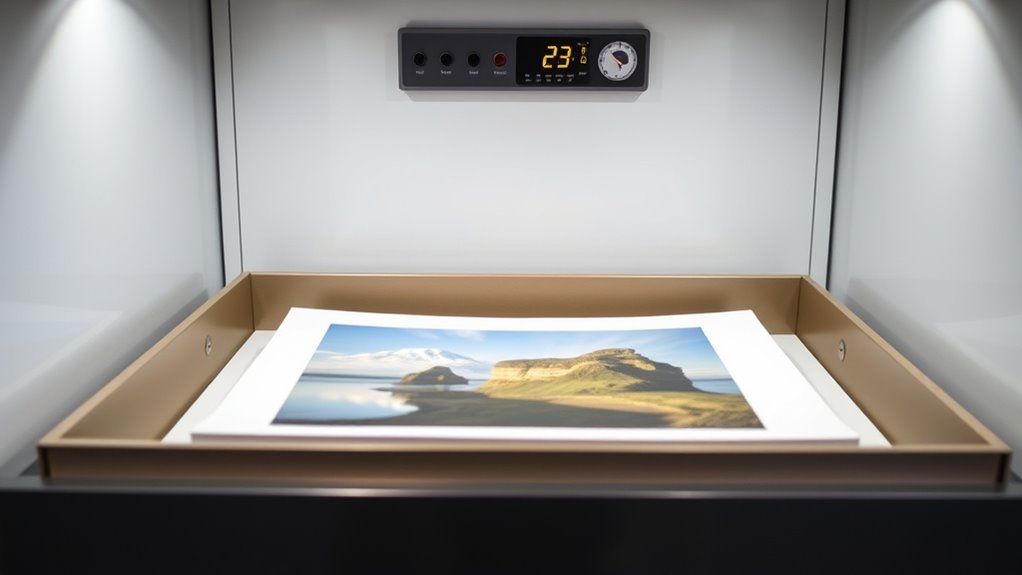
You need to control your indoor climate to protect your prints from humidity and temperature swings. Using humidity trays can help maintain stable moisture levels, preventing damage. Proper climate control is essential for long-term preservation of your prints. Avoiding temperature fluctuations is essential to keep your prints looking their best over time. Additionally, monitoring environmental conditions regularly can help you detect and address issues before they cause irreversible harm. Maintaining consistent indoor conditions also reduces the risk of mold growth and other deterioration. Implementing climate monitoring devices can provide real-time data to further safeguard your collection.
Control Indoor Climate
Maintaining a stable indoor climate is essential for preserving unframed prints, as fluctuations in humidity and temperature can cause irreversible damage. Implementing effective climate control is key to preventing curling, cracking, and yellowing. Proper storage techniques can also prevent damage from environmental factors, ensuring longevity. Use proper storage techniques by keeping prints in a consistent environment, ideally between 65-70°F with relative humidity around 40-50%. Avoid areas prone to temperature swings, such as attics or basements, and stay away from direct sunlight. Consider using a dehumidifier or air conditioner to maintain steady conditions. Monitoring indoor climate conditions with a hygrometer can help you maintain optimal storage environments. Additionally, understanding climate effects on paper can guide you in making better storage decisions. Proper storage techniques combined with a stable indoor climate ensure your unframed prints stay safe, vibrant, and well-preserved for years to come.
Use Humidity Trays
To protect your unframed prints from humidity and temperature swings, incorporating humidity trays into your storage setup is highly effective. These trays help maintain consistent humidity levels, preventing prints from curling or cracking. Place the trays in a stable location away from direct sunlight and vents. Proper tray placement ensures effective humidity control without exposing prints to sudden changes. Consider positioning trays near the storage area’s center rather than edges, where temperature fluctuations are more common. Use a digital hygrometer to monitor humidity levels regularly. To optimize, you might include a small amount of water or silica gel in the trays. Proper humidity control through strategic tray placement preserves your prints’ integrity and longevity. Additionally, understanding climate control basics can help you create an optimal environment for your artwork. Being aware of air circulation can further enhance your storage conditions and prevent mold or mildew growth.
Avoid Temperature Fluctuations
Temperature fluctuations can quickly damage unframed prints by causing warping, cracking, or fading. To protect your artwork, maintain temperature stability in your storage area. Sudden changes in heat or cold can stress the paper and ink, leading to irreversible damage. Use climate control to keep the environment consistent, ideally between 65-70°F (18-21°C). Avoid placing prints near heat sources, windows, or vents that cause temperature swings. If possible, store prints in a temperature-controlled room or closet. Regularly monitor the storage environment with a thermometer to catch any fluctuations early. Keeping your prints in a stable climate ensures they remain flat, vibrant, and intact for years. Proper climate control is essential for preserving your unframed prints’ condition. Climate stability is a key factor in preventing deterioration over time.
Protect Prints From Direct Light and UV Damage
Have you ever noticed how sunlight can quickly fade the colors in your prints? UV damage from direct light exposure is one of the main causes of deterioration.
To protect your prints, keep them out of direct sunlight and avoid placing them near windows or bright light sources. Use UV-filtering glass or acrylic if you choose to frame your prints, and consider storing unframed prints in dark, opaque containers or within protective sleeves that block UV rays.
When displaying or storing prints, make certain they aren’t exposed to prolonged light exposure, which accelerates fading and yellowing.
Taking these simple steps helps preserve your prints’ vibrant colors and prevents irreversible damage caused by harmful UV rays.
Label and Organize Your Stored Prints Clearly
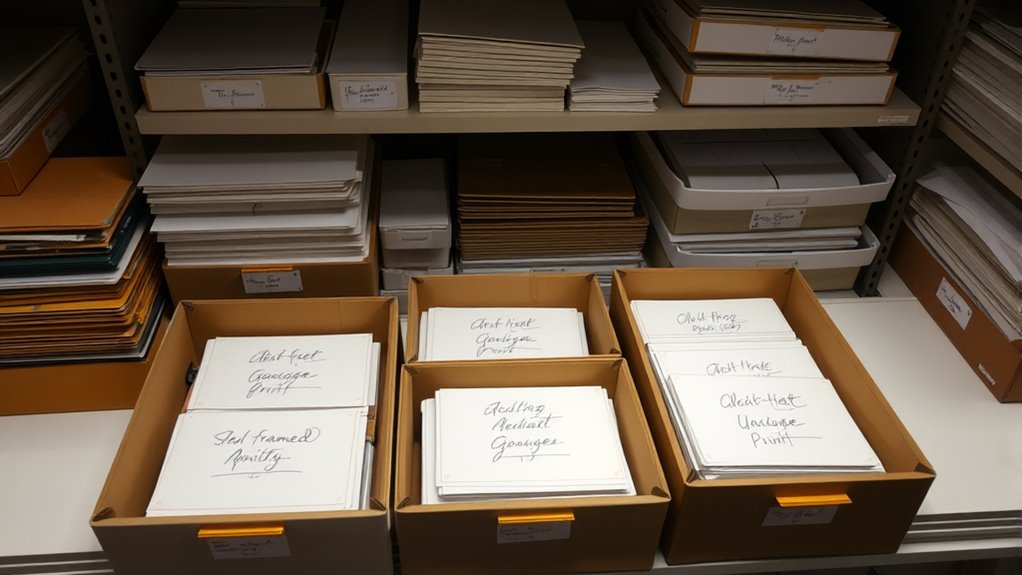
Organizing your stored prints begins with clear labeling to prevent confusion and make retrieval easier. Develop a consistent labeling system that includes details like title, artist, date, and storage location. This helps you quickly identify prints without unnecessary handling. Use durable labels and write legibly to guarantee longevity. Implement inventory tracking by assigning each print a unique code or number, then record details in a log. Here’s an example:
| Code | Title | Location |
|---|---|---|
| P001 | Sunset Over Lake | Shelf A1 |
| P002 | Mountain Peak | Box B2 |
| P003 | City Skyline | Folder C3 |
This organized approach saves time, reduces damage, and keeps your collection manageable.
Handle Prints Carefully to Prevent Damage
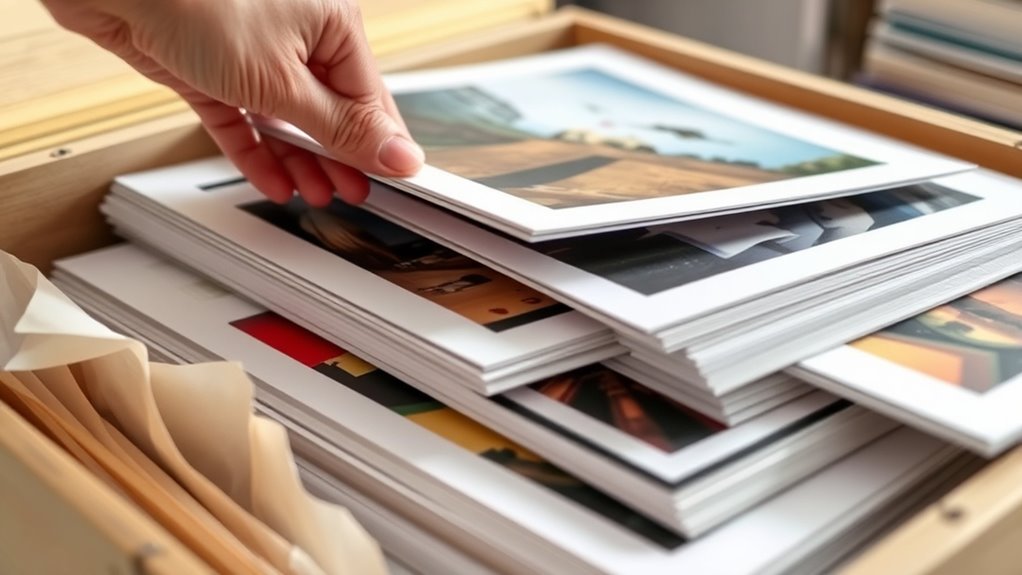
When handling your prints, use gentle techniques to avoid creases or tears.
Try to minimize touching the surface, especially with bare hands, to prevent oils and dirt from causing damage.
Always store your prints in acid-free materials to help preserve their quality over time.
Use Gentle Handling Techniques
Handling unframed prints with care is essential to prevent smudges, tears, or creases. Always wear handling gloves to avoid transferring oils or dirt. When lifting or moving a print, use proper lifting techniques: support the edges and avoid pinching the surface. To visualize this, consider the following table:
| Step | Action | Tip |
|---|---|---|
| Wear handling gloves | Protect prints from fingerprints | Use lint-free gloves |
| Support edges | Hold prints by the sides | Avoid touching the image |
| Proper lifting | Lift with both hands | Keep the print level |
Avoid Excessive Touching
Ever wonder why it’s important to limit how much you touch your unframed prints? Fingerprint prevention is essential because oils and dirt from your skin can cause stains, smudges, or even deterioration over time.
Every time you handle a print, contamination control becomes vital to preserve its condition. Use clean, dry hands or wear cotton gloves to prevent transferring oils or dirt.
Avoid unnecessary touching, especially on the image surface, to reduce the risk of damage. Keep in mind that excessive handling accelerates wear and can lead to curling or cracking.
Handling prints carefully not only maintains their visual quality but also prolongs their lifespan. Being cautious about touch is a simple yet effective way to protect your prints from avoidable harm.
Store in Acid-Free Materials
Storing unframed prints in acid-free materials is essential for preserving their integrity over time. Using acid-free paper and archival storage methods prevents yellowing and deterioration. When handling your prints, always wear gloves to avoid oils and dirt from transferring. Choose acid-free folders or sleeves to protect the surface from dust and light. Proper storage minimizes exposure to harmful environmental factors and maintains color fidelity.
| Material | Benefit |
|---|---|
| Acid-Free Paper | Prevents acid migration, yellowing |
| Archival Storage | Ensures long-term preservation |
| Acid-Free Sleeves | Protects from physical damage |
| Gloves | Keeps prints clean and safe |
Use Storage Boxes or Portfolios for Extra Protection
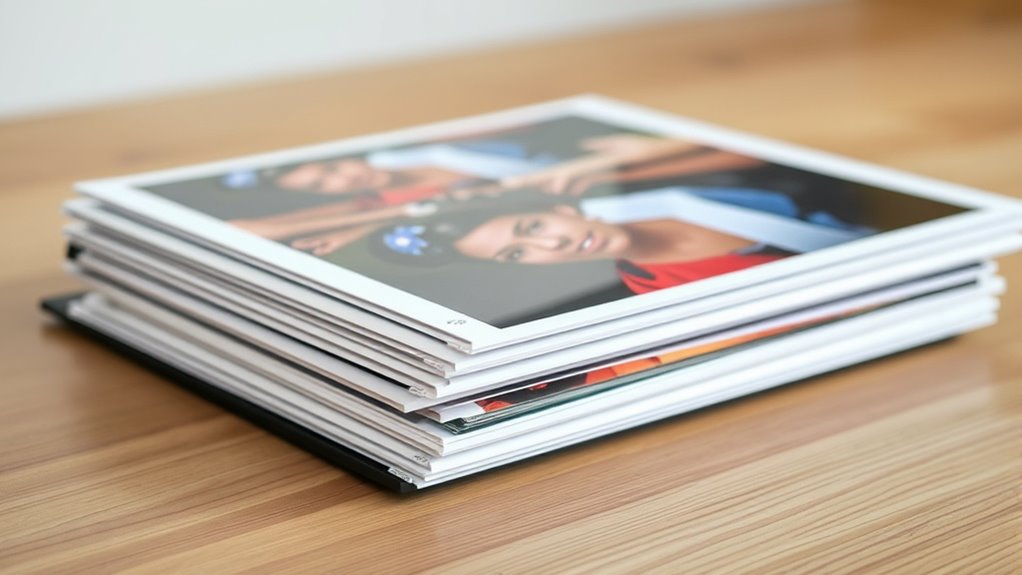
Using storage boxes or portfolios provides an extra layer of protection for your unframed prints, preventing damage from dust, moisture, and bending. These containers keep your artwork safe and organized, especially when you’re not displaying them.
Protect your unframed prints from dust, moisture, and bending with storage boxes or portfolios.
Choose archival-quality boxes or portfolios designed for art storage to guarantee your prints stay in good condition. This method also offers flexibility, allowing you to easily access and examine your prints without risking damage.
For added security, consider creating digital backups of your favorite or valuable pieces, so you have a digital record if anything happens to the physical copies. When selecting framing options later, you’ll have a clear idea of which prints are worth framing and display.
Using storage boxes is a simple, effective way to preserve your unframed prints over time.
Regularly Check and Maintain Your Stored Prints
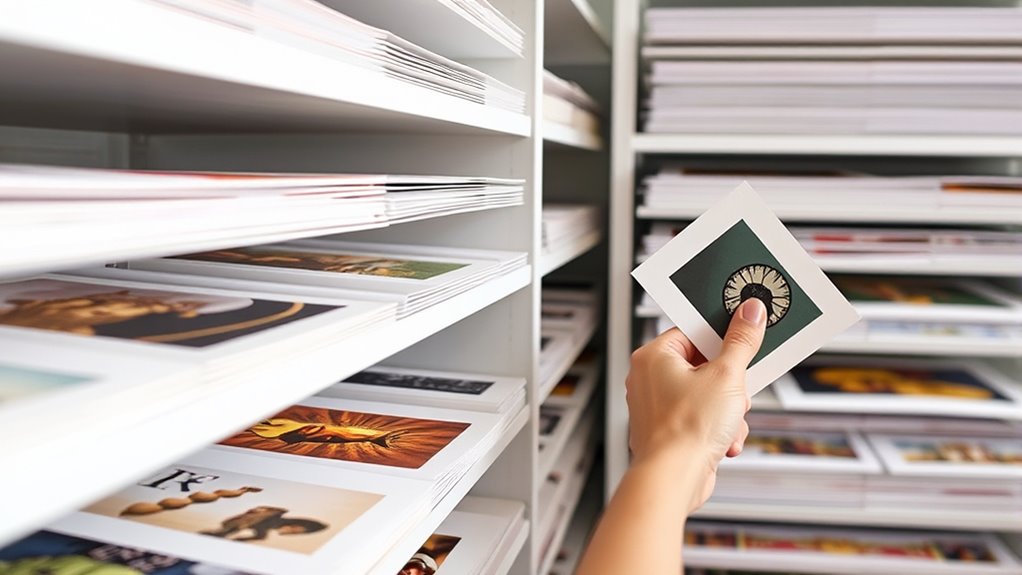
To keep your unframed prints in ideal condition, it’s vital to check on them regularly. Implementing print rotation ensures each piece gets periodic inspection, preventing issues like curling or cracking.
Every few months, gently examine your stored prints for signs of damage or deterioration. During these inspections, look for discoloration, warping, or any evidence of adhesive failure.
If you notice any problems, address them immediately—adjust storage conditions or consult a conservator if needed. Regular maintenance helps catch issues early and preserves your prints’ quality over time.
Frequently Asked Questions
How Long Can Unframed Prints Be Safely Stored Without Damage?
You can safely store unframed prints for up to 2-5 years if you use archival quality materials. Keep them in a cool, dry, dark place, and avoid exposure to direct sunlight or humidity. Proper storage minimizes damage like curling, cracking, or yellowing over time.
Regularly check your prints to guarantee they remain in good condition, and consider archiving them in acid-free sleeves or folders for ideal preservation.
What Are the Best Climate Conditions for Storing Unframed Prints?
You should store unframed prints in a cool, stable environment with controlled humidity levels, ideally around 40-50%. Keep them away from direct light exposure, especially sunlight, to prevent fading and yellowing.
Maintain consistent temperature to avoid expansion or contraction. Using humidity control devices and UV-protective coverings helps protect your prints from damage, ensuring they stay pristine during storage.
Can I Store Prints in Plastic Sleeves Without Causing Damage?
Storing prints in plastic sleeves can cause risks like trapping moisture, leading to mold or yellowing over time.
Instead, you should consider acid-free, archival-quality storage options, like archival folders or boxes, which protect prints without risking damage. These alternatives help prevent curling, cracking, or discoloration, ensuring your prints stay in good condition.
Always choose breathable, acid-free materials to preserve your artwork long-term.
How Often Should I Inspect My Stored Prints for Preservation?
You should inspect your stored prints at least twice a year to guarantee proper frame preservation and prevent damage. Regular storage frequency checks help you catch issues like curling, cracking, or yellowing early.
When inspecting, look for signs of deterioration, and adjust your storage conditions if needed. This proactive approach keeps your prints in excellent condition, preserving their quality and value over time.
Are There Specific Storage Options for Large or Oddly Shaped Prints?
For large or oddly shaped prints, you should use custom storage containers to protect them from damage. Look for options with adjustable shelving, so you can personalize the space according to your prints’ size and shape.
This way, you prevent warping or creasing while keeping your artwork organized and accessible. Proper storage ensures your prints stay in excellent condition, ready to display or enjoy whenever you want.
Conclusion
By choosing the right materials and storing your prints carefully, you can prevent curling, cracking, and yellowing. Keep them flat, away from humidity, light, and temperature fluctuations, and handle them gently. Using acid-free sleeves, storage boxes, and proper organization will help preserve your prints’ quality over time. Regularly check on your collection to catch any issues early. With these tips, your unframed prints will stay beautiful and protected for years to come.