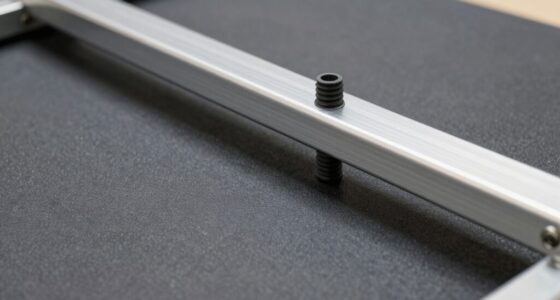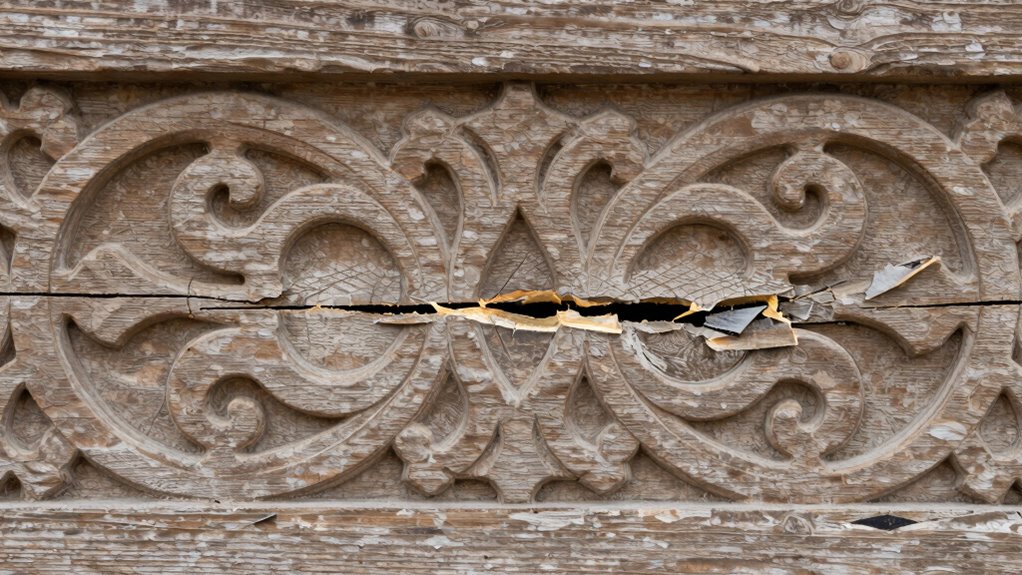

When you look at furniture, handmade character shows subtle irregularities like uneven joints, natural wood imperfections, and unique craftsmanship details that add charm. Actual damage, however, includes deep scratches, cracks, or gouges that weaken the piece and often suggest underlying problems. Recognizing the difference helps you tell authentic age from artificial distressing or repair signs. Keep exploring to see how details and materials further clarify what’s genuine and what’s accidental wear.

Prime made for students and young adults
- Fast, free delivery for dorm and study essentials
- Prime Video and Amazon Music included
- Member-only deals
Key Takeaways
- Handmade character features subtle irregularities and natural imperfections, while actual damage shows deep scratches, cracks, or structural compromise.
- Authentic aging reflects consistent wear patterns, whereas artificial distressing often appears uniform or artificially manipulated.
- Genuine damage typically indicates underlying issues and may require repairs, unlike character marks that enhance uniqueness without structural harm.
- Material composition influences damage appearance; understanding materials helps distinguish between natural wear and artificial damage.
- Close observation of details and craftsmanship irregularities aids in differentiating authentic character traits from superficial or fake damage.
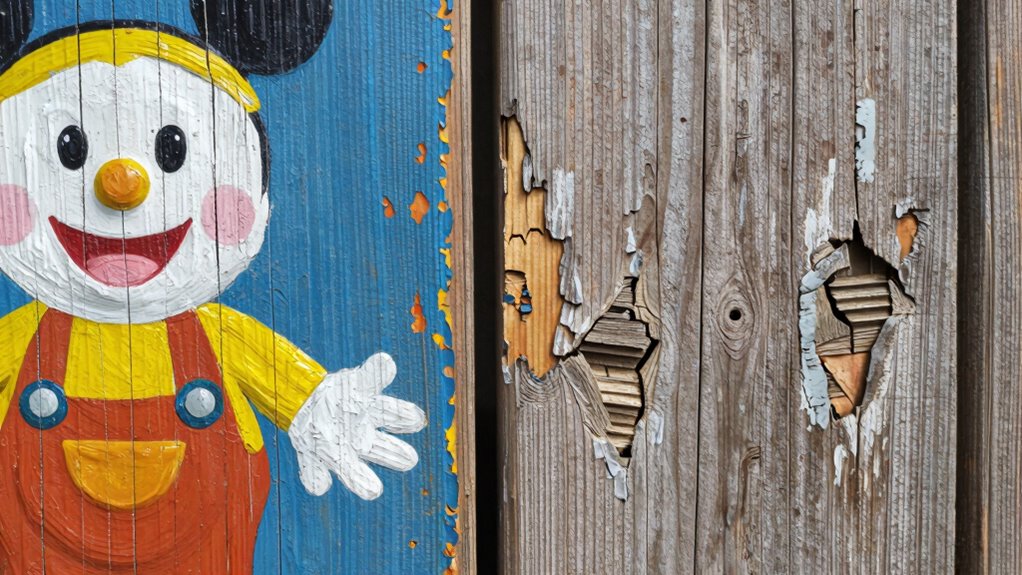
When inspecting a piece of furniture or vintage item, distinguishing between handmade character and genuine damage is vital. This skill helps you determine whether a piece’s unique features add value or indicate underlying issues. Handmade elements often include subtle irregularities, such as uneven joints, slight variations in finish, or natural imperfections in the wood. These features showcase craftsmanship and can enhance the piece’s charm. Genuine damage, on the other hand, might present as deep scratches, gouges, or cracks that compromise structural integrity. Recognizing the difference allows you to decide whether repairs are necessary or if the character of the piece should be preserved. Paying attention to details like irregularities can further aid in making this distinction. Additionally, understanding the characteristics of authentic wear can help you identify genuine aging versus artificial distressing. Being familiar with material composition is also essential, as it influences how damage or wear manifests and how it should be addressed. Proper material identification ensures you select the right techniques, preventing further harm during repairs. Recognizing the signs of artificial distressing can also help differentiate between authentic aging and manipulated appearances. Developing an eye for authentic vintage traits can improve your ability to assess the true condition and value of a piece.
Popular right now

Bose QuietComfort Wireless Over-Ear Noise-Cancelling Headphones, Sandstone

De'Longhi Magnifica Duo Fully Automatic Espresso Machine with Milk Frother, Silver

eufy E25 Robot Vacuum and Mop
As an affiliate, we earn on qualifying purchases.
Frequently Asked Questions
How Can You Tell if Damage Is Genuine or Handmade?
You can tell if damage is genuine or handmade by examining authenticity markers and restoration techniques. Genuine damage often shows irregularities, like uneven edges or natural wear, while handmade marks might be more deliberate and consistent. Restoration techniques may include visible repairs or modern materials that differ from original craftsmanship. Carefully inspecting these details helps you distinguish authentic damage from intentional or artistic alterations, ensuring you appreciate the piece’s true history.
Are Handmade Imperfections Considered Flaws or Features?
Handmade imperfections are more like features than flaws, reflecting artistic expression and adding to the piece’s unique charm. You see, these quirks often enhance the aesthetic appeal, making each item one of a kind. Instead of viewing them as mistakes, consider them part of the craftsmanship’s soul. Embracing these imperfections lets you appreciate the artistry behind handmade work, turning what might seem like flaws into a celebration of individuality.
Does Handmade Character Increase a Piece’s Value?
Yes, handmade character can increase a piece’s value because it showcases artistic craftsmanship and adds unique charm. Collectors often appreciate the authenticity and effort behind handcrafted items, which can also carry historical significance. This individuality makes the piece more desirable and special, elevating its worth. Your appreciation for these qualities highlights its distinctive appeal, making it not just a functional item but a treasured work of art.
Can Actual Damage Be Repaired Without Losing Authenticity?
Yes, actual damage can often be repaired without losing authenticity by using careful restoration techniques. Professionals apply specialized methods that preserve the piece’s original integrity, ensuring it retains its value and character. To confirm authenticity, they rely on authentication methods like provenance research and expert evaluations. These approaches help maintain the piece’s historical significance while restoring its physical condition, allowing you to enjoy both its beauty and genuine history.
What Tools Are Used to Create Handmade Character?
Think of creating handmade character like sculpting with a chisel—your tools shape authenticity. You typically use artistic techniques and craftsmanship methods such as carving knives, rasps, and fine brushes. These tools help you add unique textures and details, giving each piece its personality. When you carefully select and wield them, you preserve the piece’s charm while enhancing its genuine, handcrafted feel.
Conclusion
So, next time you see a worn-out item, remember that not all damage tells the same story. Sometimes, what looks like a flaw is actually a handmade character, a mark of history and craftsmanship. Coincidentally, you might find that your own scars and imperfections carry stories just as rich. Embrace these differences—they remind you that beauty often lies in the unique, imperfect details that make each piece and person truly special.