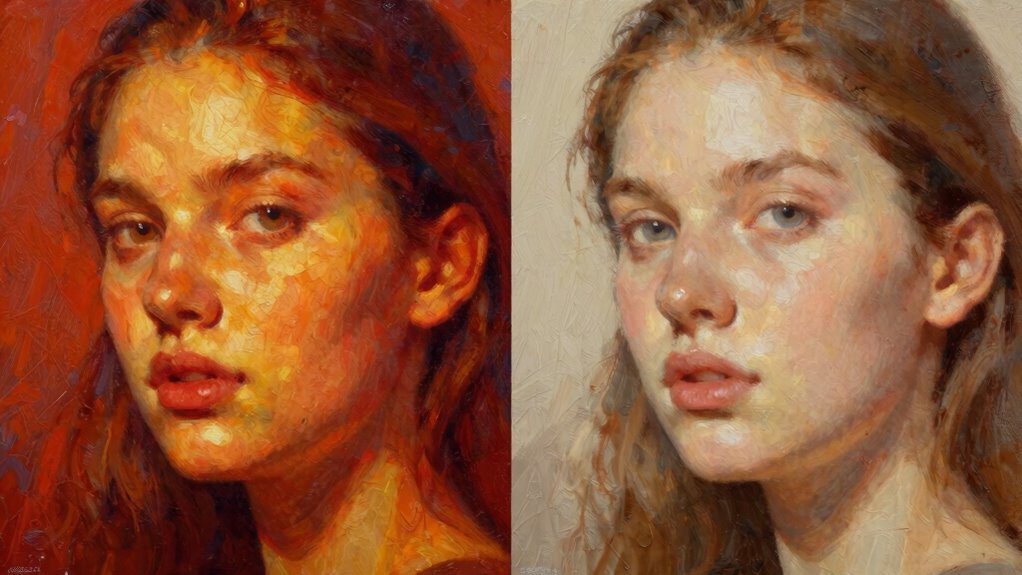

You’ll notice some artwork looks better under warm light because it enhances warm tones like reds and oranges, creating a cozy, inviting atmosphere. Other pieces, especially those with cool colors or intricate details, benefit from neutral light, which offers true-to-life colors and preserves fine textures. Choosing the right lighting depends on the artwork’s colors and mood you want to evoke. Stay with us to discover how to select the perfect lighting for any piece.

Prime made for students and young adults
- Fast, free delivery for dorm and study essentials
- Prime Video and Amazon Music included
- Member-only deals
Key Takeaways
- Warm light enhances warm tones like reds and oranges, making artworks with these colors appear more vibrant.
- Neutral light preserves true colors and fine details, ideal for artworks with cool or subtle hues.
- The emotional impact of warm lighting amplifies warm-colored artwork’s inviting and intimate feel.
- Artworks with cool tones benefit from neutral lighting to maintain accurate color perception and detail.
- The original color palette and intended mood of the artwork influence the most suitable lighting choice.
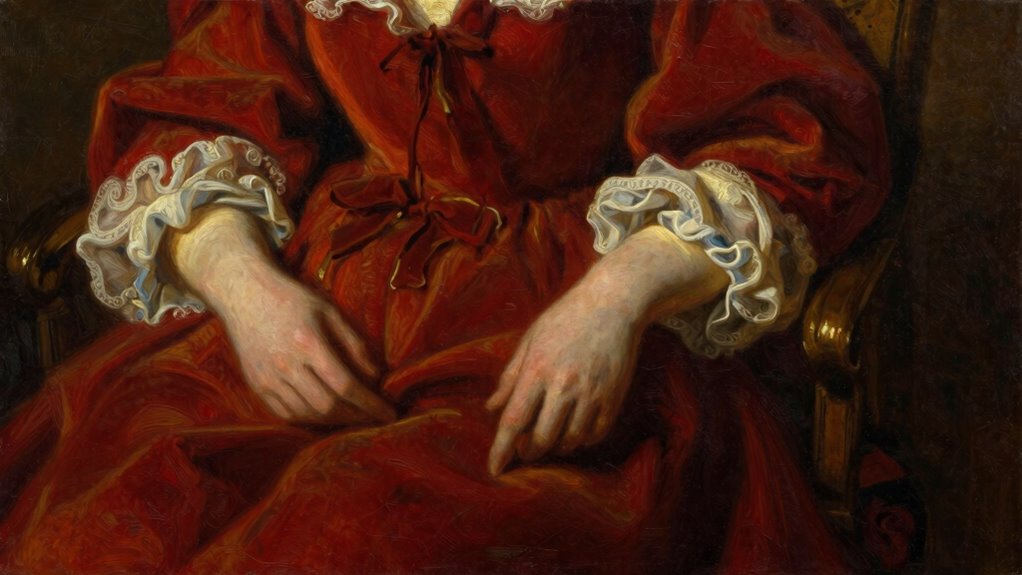
Choosing the right lighting can dramatically enhance the way your artwork is perceived, and the decision between warm and neutral light plays a key role in this. When you’re setting up an exhibit or displaying your pieces at home, understanding how color temperature influences viewer perception is essential. Warm light, with its lower color temperature typically ranging from 2700K to 3000K, produces a cozy, inviting glow. It tends to bring out the richness and depth of warmer tones—reds, oranges, and yellows—making artwork with these hues appear more vibrant and alive. If your piece features warm colors or aims to evoke a sense of intimacy, warm lighting enhances its emotional impact, drawing viewers in and highlighting the subtle nuances of the palette.
On the other hand, neutral light, generally around 3500K to 4100K, offers a more balanced, natural illumination that closely resembles daylight. This type of lighting is often preferred for artworks with cool or subtle color schemes because it doesn’t distort the colors or create unwanted color casts. When you use neutral light, the viewer perceives the artwork more accurately, with truer color representation. This is especially important if your goal is to showcase fine details, textures, or the original intent of the artist’s color choices. Additionally, understanding the color temperature can help you select lighting that complements and enhances your artwork’s intended mood and tone. Recognizing how lighting affects the perception of color can also influence how you choose to display your collection in various environments. For example, using the correct lighting can also help protect the artwork from potential damage caused by prolonged exposure to certain light types. Furthermore, specific light spectra can help preserve delicate pigments and materials over time.
Choosing between warm and neutral lighting ultimately depends on what you want to emphasize and how you want viewers to experience the art. Warm lighting tends to create a cozy, emotional atmosphere, making warm-toned artwork feel more inviting and emotionally resonant. Conversely, neutral lighting offers a more clinical, true-to-life presentation that emphasizes accuracy and detail, ideal for contemporary or highly detailed works. You should consider the artwork’s original tone and the atmosphere you want to evoke. For example, a landscape painting with warm sunset hues will resonate more under warm light, enhancing its emotional warmth. Conversely, a photograph with cool tones or intricate details might be better suited for neutral light to ensure viewers perceive it as intended. Understanding these lighting effects can help you craft a space that truly enhances the viewer’s experience of your art.
As an affiliate, we earn on qualifying purchases.
Frequently Asked Questions
How Does Lighting Affect the Perception of Artwork’s Color Accuracy?
Lighting directly impacts how you perceive an artwork’s color accuracy. Warm light can enhance color saturation, making reds and oranges pop, while neutral light offers better visual clarity for true colors. If the lighting isn’t right, colors may appear dull or distorted, affecting your overall perception. Proper lighting guarantees you see the artwork’s true hues, preserving its intended vibrancy and detail for a more authentic viewing experience.
Can Lighting Change the Emotional Impact of a Piece?
Lighting is like a painter’s brush, shaping the emotional landscape of a piece. You can use ambient ambiance and strategic lighting to evoke mood modulation, transforming a calm scene into a passionate display or a somber tone into hope. When you choose warm or neutral light, you’re not just illuminating; you’re telling a story, guiding viewers’ feelings, and intensifying the artwork’s emotional resonance with every flicker and glow.
What Are the Best Lighting Options for Displaying Artwork at Home?
You should choose adjustable gallery ambiance lighting to showcase your artwork effectively. Use focused lighting techniques like track or spotlighting to highlight details, and warm light for cozy, inviting pieces, or neutral light for true color accuracy. Mixing different lighting options can enhance the overall display, creating depth and mood. Make sure your lighting is dimmable to adapt to different times and atmospheres, making your art look stunning at all moments.
How Do Different Art Mediums React to Warm and Neutral Lighting?
Different art mediums react uniquely to warm and neutral lighting. Warm light enhances texture, making oil paintings and textured canvases pop by boosting contrast and depth. Neutral light, on the other hand, provides accurate material reflection, ideal for artworks with metallic or glossy finishes, showing true colors without distortion. You’ll notice that paintings with subtle details benefit from warm light, while neutral light preserves the integrity of color accuracy across various mediums.
Is There a Universal Best Lighting for All Types of Artwork?
Think of gallery illumination like tuning a radio; there’s no single perfect station. The best lighting for artwork depends on the piece’s colors, medium, and setting. Ambient brightness influences how details pop or fade. While neutral light often works universally, warm light enhances certain textures. You should adjust lighting based on each piece’s needs, rather than seeking a one-size-fits-all solution, ensuring viewers experience art as intended.
neutral white gallery light bulbs
As an affiliate, we earn on qualifying purchases.
As an affiliate, we earn on qualifying purchases.
Conclusion
Ultimately, choosing the right lighting depends on the artwork and the mood you want to create. Warm light can make colors feel richer and more inviting, while neutral light offers a true-to-life view. Remember, “beauty is in the eye of the beholder,” so trust your instincts and experiment. By understanding how different lights affect your pieces, you can enhance their beauty and guarantee they always look their best.
adjustable artwork lighting fixtures
As an affiliate, we earn on qualifying purchases.
As an affiliate, we earn on qualifying purchases.
As an affiliate, we earn on qualifying purchases.
Halloween Picks
halloween
As an affiliate, we earn on qualifying purchases.