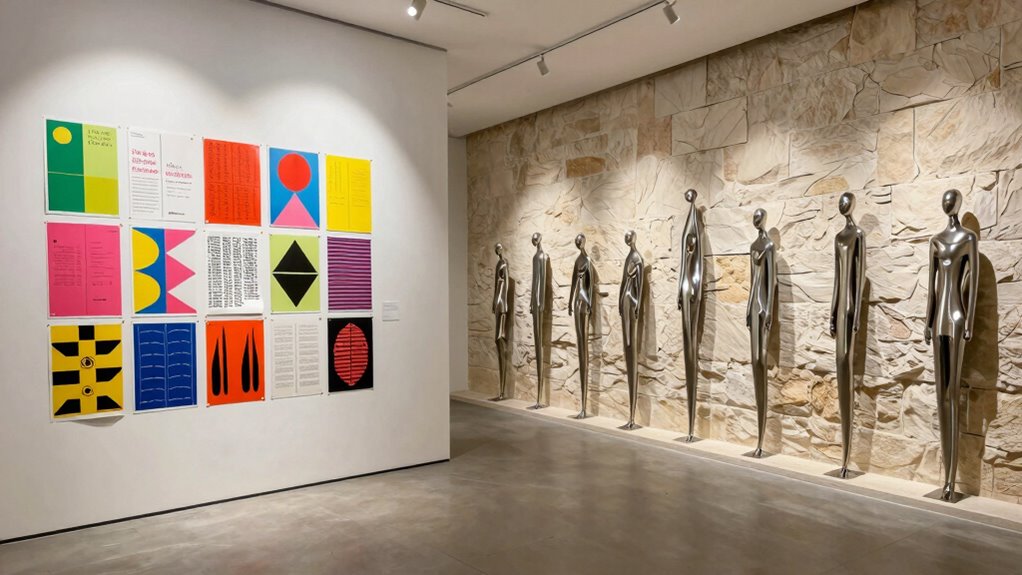

You’ll find that temporary displays aim to grab attention quickly and make an immediate impact, perfect for events or seasonal themes. Long-term installations, on the other hand, create a lasting impression and foster ongoing engagement through thoughtful, immersive experiences. Temporary setups are easy to change and adaptable, while long-term projects require detailed planning and durability. If you’re interested, you’ll discover more about how these approaches differ and what best suits your goals.
Key Takeaways
- Temporary displays are designed for quick attention and easy setup, while long-term installations focus on durability and sustained engagement.
- Temporary displays often feature bold visuals and rapid changes, whereas long-term installations emphasize refined, lasting artistic expression.
- Temporary displays use versatile, eco-friendly materials for flexibility, unlike long-term projects that prioritize durability and detailed craftsmanship.
- Temporary displays aim for immediate impact and buzz; long-term installations foster deeper, ongoing visitor interaction.
- The planning and maintenance of temporary displays are minimal and quick, whereas long-term installations require extensive planning and ongoing upkeep.
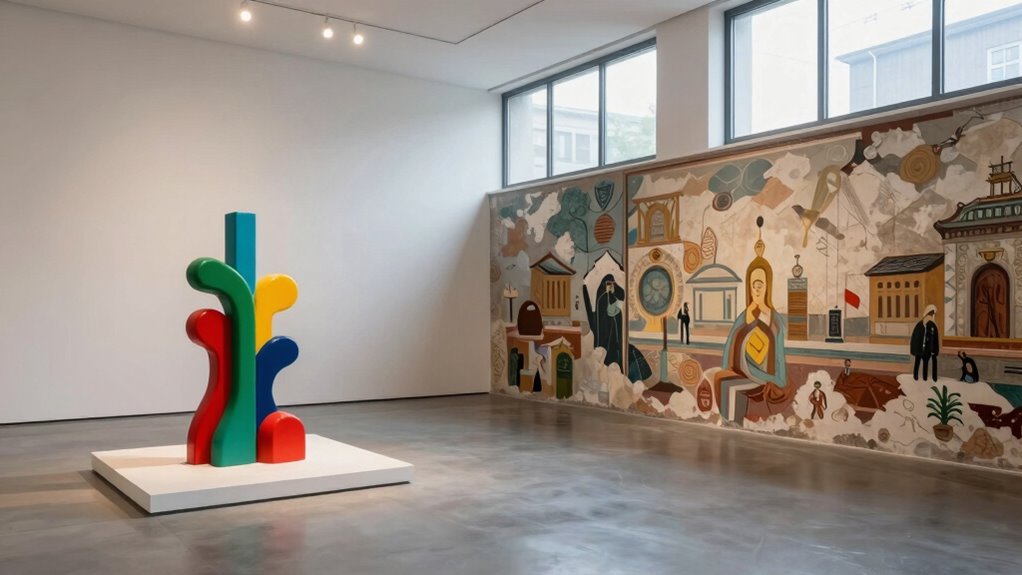
Have you ever wondered what sets apart a temporary display from a long-term installation? The answer often lies in the purpose and scope of each. Temporary displays are designed to grab attention quickly, making an immediate impact, often for events, promotions, or seasonal themes. Long-term installations, however, aim for a sustained presence, creating an ongoing experience that invites visitors to explore and engage over time. This distinction isn’t just about duration; it’s about the way you connect with your audience through interactive engagement and artistic expression.
Temporary displays create instant impact, while long-term installations foster ongoing, meaningful engagement with audiences.
In a temporary display, the focus tends to be on capturing attention with bold visuals, dynamic elements, and immediate appeal. These displays are often vibrant and eye-catching, designed to generate buzz in a short period. They tend to be more flexible, allowing for creative experimentation and quick changes. Because of their fleeting nature, you have the opportunity to push boundaries and showcase innovative ideas without the pressure of permanence. Here, artistic expression takes on a playful, experimental tone, encouraging viewers to experience something fresh and transient. Additionally, temporary displays often leverage versatility to adapt to different themes and contexts easily, which is a key advantage in rapidly changing environments. Incorporating temporary design strategies can help maximize their impact and adaptability.
Long-term installations, on the other hand, prioritize creating a meaningful, lasting impression. They are carefully crafted with a focus on durability, detailed craftsmanship, and an immersive experience. These installations often incorporate interactive engagement, inviting visitors to touch, explore, or participate in the artwork or display. This interaction fosters a deeper connection, encouraging viewers to spend more time engaging with the piece and reflecting on its message. Artistic expression in long-term installations tends to be more refined and thoughtful, often telling a story or conveying a powerful message that resonates over time. Additionally, they often emphasize the importance of sustainable practices, ensuring that they align with principles of conservation and environmental responsibility. The planning and execution of such installations require a long-term commitment, which can significantly influence the design and material choices. Moreover, sustainable approaches often involve using eco-friendly materials and designing with environmental impact in mind, further emphasizing their long-lasting nature. These considerations are crucial for ensuring the installation remains relevant and impactful over the years.
Another key difference is the level of maintenance and adaptability. Temporary displays are easier to set up and take down, allowing for frequent updates and seasonal themes. Long-term installations require ongoing maintenance and sometimes involve permanent fixtures, which demand more planning and resources. Despite these differences, both serve as platforms for artistic expression and opportunities for engaging audiences. Your goal in choosing between them should be based on your objectives: do you want to make a quick, impactful statement, or do you aim to cultivate a lasting, meaningful experience? Understanding this distinction helps you craft displays that truly resonate with your audience and meet your artistic and strategic goals.
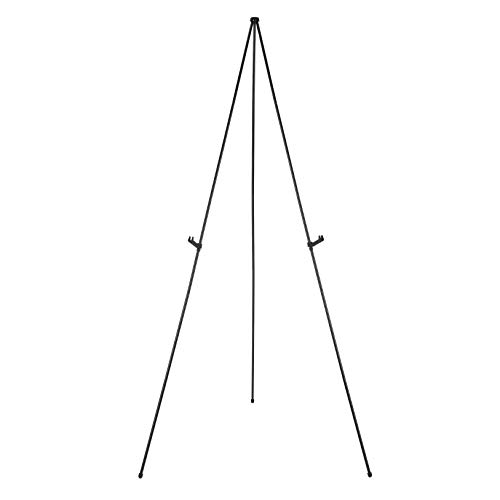
Amazon Basics Easel Display Stand, Instant Floor Poster, Lightweight, Collapsible and Portable with Tripod Base, Black Steel (supports 5 pounds)
- Supports up to 5 pounds: Durable metal and plastic construction
- Quick setup: No tools needed for assembly
- Portable and lightweight: Easy to carry and store
As an affiliate, we earn on qualifying purchases.
As an affiliate, we earn on qualifying purchases.
Frequently Asked Questions
How Do Costs Compare Between Temporary and Long-Term Displays?
Temporary displays usually cost less upfront because they require less planning and fewer materials, making your cost analysis simpler. Long-term installations, however, often involve higher initial expenses due to durable materials and extensive setup. When budgeting strategies, consider ongoing maintenance and potential upgrades for long-term displays, which can add to costs over time. Balancing initial investment with long-term value helps you choose the best option for your needs and budget.
What Materials Are Best for Each Type of Installation?
Ever wondered what materials suit each installation best? For temporary displays, you’ll want lightweight, flexible options like foam core, fabric, or vinyl, which offer easy setup and removal. Long-term installations demand durable materials such as aluminum, acrylic, or steel, providing stability and weather resistance. Consider materials’ durability and installation flexibility to guarantee your display lasts and adapts as needed, guiding your choice for lasting success.
How Is Safety Managed Differently in Temporary Versus Long-Term Setups?
You manage safety differently in temporary versus long-term setups by conducting thorough risk assessments tailored to each. For temporary displays, you prioritize quick, flexible safety protocols because of shorter durations and changing environments. For long-term installations, you implement extensive safety measures, regular inspections, and durable safety protocols to ensure ongoing security. In both cases, understanding potential hazards and adhering to safety standards helps prevent accidents and maintains a safe environment.
Can Temporary Displays Be Upgraded to Long-Term Installations Later?
Yes, you can upgrade temporary displays to long-term installations later. You’ll need to take into account display durability and installation flexibility during the upgrade process. Strengthening materials or enhancing structural support can improve durability for long-term use. Additionally, adjusting the setup for easier maintenance and secure mounting increases installation flexibility. Planning ahead for these factors allows a smoother shift, ensuring your display remains attractive, safe, and functional over an extended period.
What Permits Are Required for Long-Term Installations?
You’ll need to obtain specific permits for long-term installations, depending on your location and project scope. These permit requirements guarantee your installation complies with local building codes, zoning laws, and safety standards. Failing to secure necessary permits can lead to legal issues or fines. To stay compliant, contact your local authorities early, submit detailed plans, and follow their guidance throughout the process for a smooth, legally compliant long-term installation.

Displays2go 6-Panel Folding Exhibition Board
- Versatile 6-Panel Design: Configurable for various display setups
- Reversible Dual-Sided Panels: Black and gray sides for flexibility
- Easy Setup and Breakdown: Quick assembly for events and presentations
As an affiliate, we earn on qualifying purchases.
As an affiliate, we earn on qualifying purchases.
Conclusion
Understanding the difference between temporary displays and long-term installations helps you make better design choices. Did you know that nearly 60% of museums opt for temporary exhibits to keep visitors engaged and returning? By choosing the right approach, you can create impactful experiences that suit your goals—whether fleeting or lasting. So, next time you plan an exhibit, remember: your choices shape how your audience perceives and remembers your space long after they leave.
Digital Art and Meaning: Reading Kinetic Poetry, Text Machines, Mapping Art, and Interactive Installations (Electronic Mediations)
As an affiliate, we earn on qualifying purchases.
As an affiliate, we earn on qualifying purchases.

Juexica 12 Pcs Outdoor Event Parking Sign with Arrows and Stakes 12 x 16 Waterproof Parking Signs for Event Double Sided Large Corrugated Plastic Yard Signage for Wedding Directional Guest Parking
- Ample Quantity with Diverse Styles: Includes 12 signs and 12 stakes in various arrow styles
- Durable Waterproof Material: Made from corrugated plastic, resistant to tearing and fading
- Large, Attention-Grabbing Size: Signs measure 12 x 16 inches for visibility
As an affiliate, we earn on qualifying purchases.
As an affiliate, we earn on qualifying purchases.