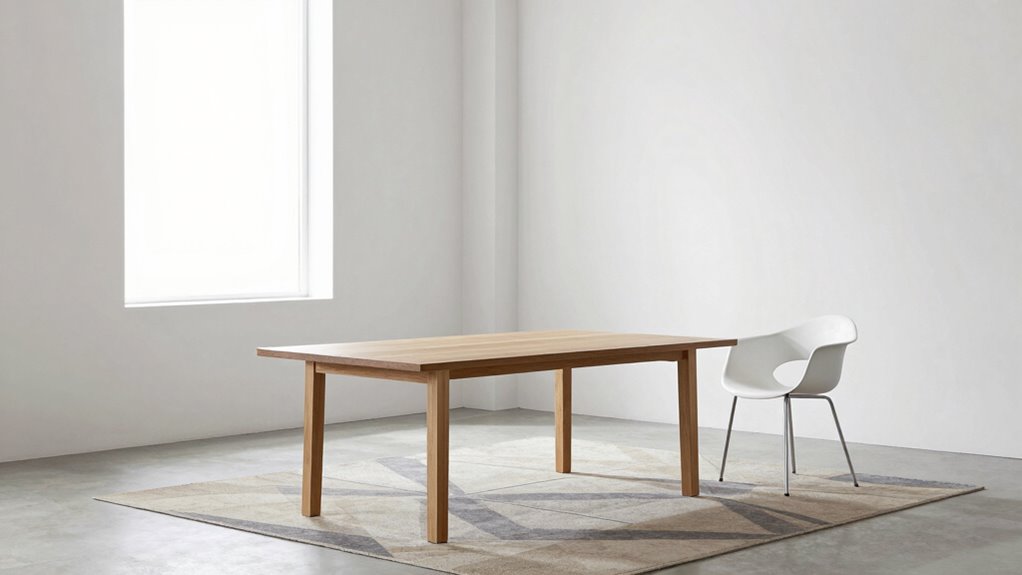

Bauhaus design is still copied today because it focuses on simple, functional, and durable objects that look timeless. Its clean lines, geometric shapes, and use of modern materials make spaces and products both practical and stylish. Designers continue to use these principles because they easily adapt to new ideas and technologies. If you want to understand why Bauhaus impacts so much of today’s design world, there’s plenty more to discover.
Key Takeaways
- Bauhaus emphasizes simplicity, functionality, and clean lines, making its designs timeless and easily adaptable today.
- Its use of durable, modern materials like steel and glass ensures longevity and practicality in contemporary design.
- The focus on removing unnecessary ornamentation creates versatile, purposeful objects that remain relevant.
- Bauhaus principles promote innovative material use and craftsmanship, inspiring sustainable and cost-effective modern products.
- Its integration of art, craft, and technology fosters interdisciplinary creativity that continues to influence current design trends.
The Origins and Core Principles of Bauhaus
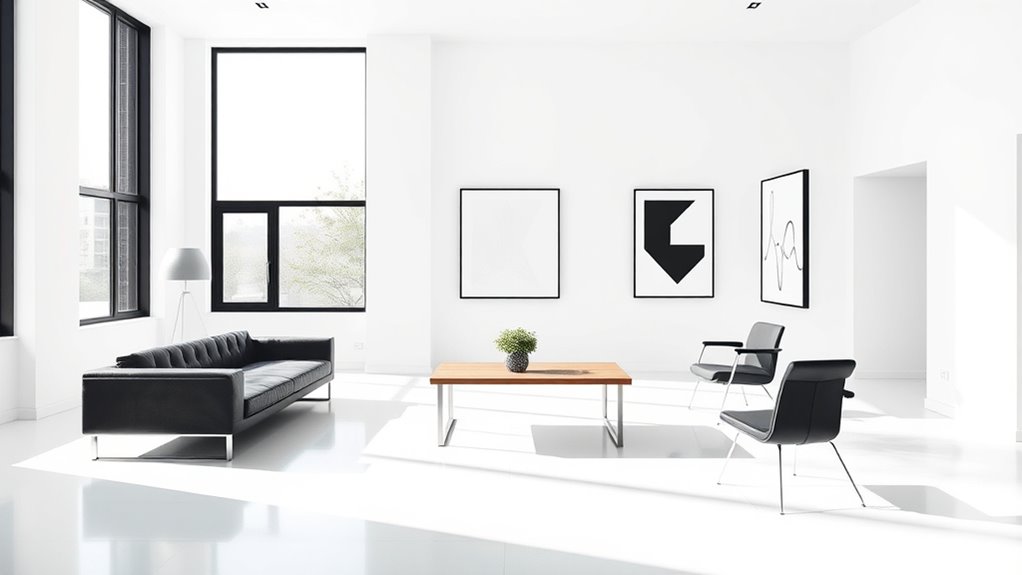
The Bauhaus movement began in 1919 in Germany, founded by Walter Gropius with the goal of uniting art, craft, and technology. As an art movement, Bauhaus aimed to break down the barriers between fine arts and practical crafts, fostering a craft revival that emphasized handmade quality alongside modern innovation. You’ll see that its core principles focus on simplicity, functionality, and the idea that good design should be accessible to all. Instead of ornate decoration, Bauhaus champions clean lines, geometric shapes, and efficient use of materials. This approach transformed how you perceive everyday objects—making art and craftsmanship part of daily life. It’s a movement that sought to democratize design, blending artistic expression with practical purpose. Additionally, Bauhaus’s emphasis on color temperature adjustments and minimalism has influenced contemporary design aesthetics across various fields. The movement’s influence can still be seen today in modern architecture and product design, demonstrating its lasting relevance. Its innovative approach to form follows function continues to inspire designers and architects worldwide. Furthermore, Bauhaus’s integration of industrial techniques has contributed to its enduring legacy in both art and design industries. Its focus on material efficiency also underscores its commitment to sustainable practices that remain vital today.
How Bauhaus Emphasized Simplicity and Functionality
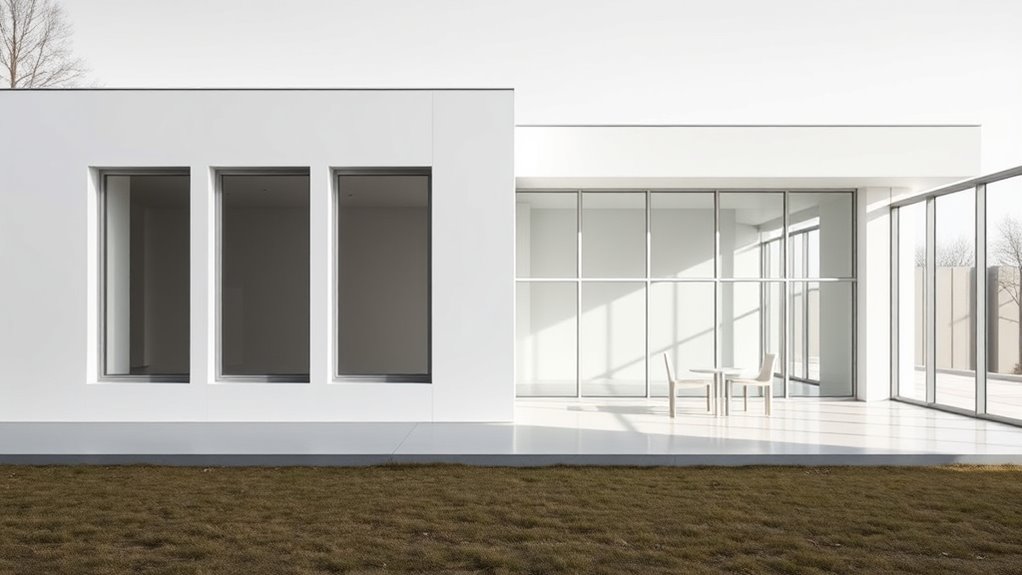
Bauhaus designers prioritized simplicity and functionality to create objects that serve their purpose efficiently. They believed that good design should be accessible and easy to use, stripping away unnecessary ornamentation. This focus doesn’t mean sacrificing artistic expression; instead, it encourages innovative forms that communicate clarity and purpose. The Bauhaus educational philosophy played a key role, emphasizing hands-on learning and problem-solving. Students were taught to balance aesthetics with practicality, fostering a mindset that valued function as much as style. By doing so, Bauhaus aimed to revolutionize design, making it more democratic and aligned with everyday needs. The result is a style that remains influential today, proving that simplicity and function can coexist with artistic creativity. For example, the emphasis on functional design has influenced many modern objects and spaces, demonstrating the lasting relevance of Bauhaus principles. Additionally, their approach to design education helped spread these ideas widely, ensuring that functional and simple design became a standard in various fields.
Modern Examples of Bauhaus-Inspired Design
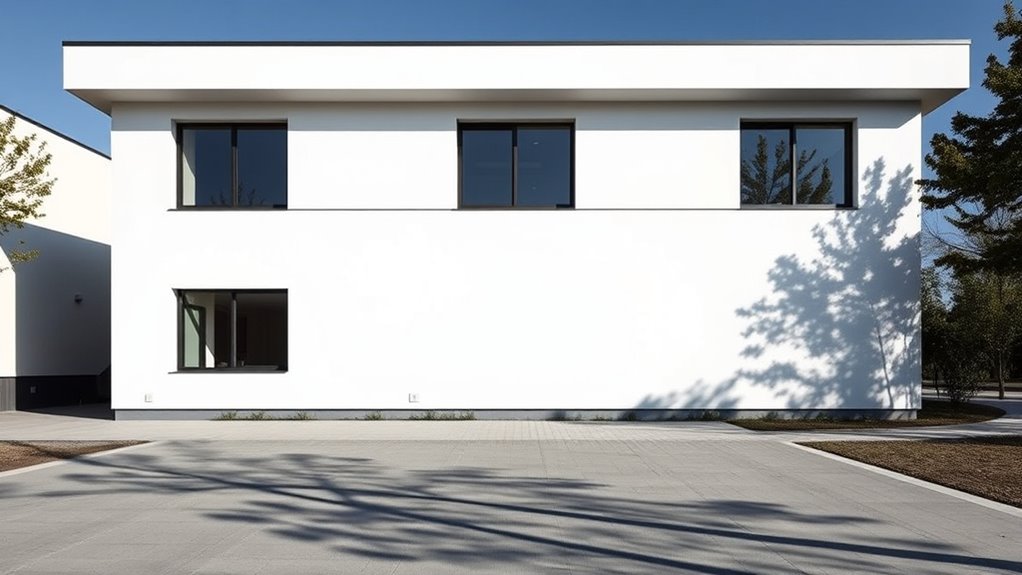
Modern design continues to draw inspiration from Bauhaus principles, evident in the sleek, functional furniture and architecture seen today. You notice how contemporary spaces emphasize minimalism with bold color palettes—like primary reds, blues, and yellows—that pay homage to Bauhaus’s signature style. Material choices favor clean lines and practical textures, such as steel, glass, and molded plywood, reflecting the emphasis on functionality. The enduring popularity of timeless design underscores how Bauhaus remains relevant in shaping aesthetics now and into the future. The innovative use of materials pioneered by Bauhaus continues to influence how designers approach sustainability and durability. Additionally, the integration of modern manufacturing techniques allows for more sustainable and cost-effective production of these iconic designs. This approach demonstrates how Bauhaus principles continue to inspire innovative solutions in modern design practices. Below is a glimpse of modern Bauhaus-inspired designs:
| Piece | Color Palette | Material Choices |
|---|---|---|
| Lounge Chair | Bright primary colors | Plywood and steel |
| Office Desk | Neutral with pops of color | Glass and aluminum |
| Modular Shelving | Monochrome with accent hues | Steel and wood |
| Pendant Light | Bold reds and yellows | Metal and glass |
| Minimalist Sofa | Cool neutrals, vibrant accents | Fabric and metal |
These examples showcase how Bauhaus continues shaping modern aesthetics.
Why Designers Continually Turn to Bauhaus Ideas
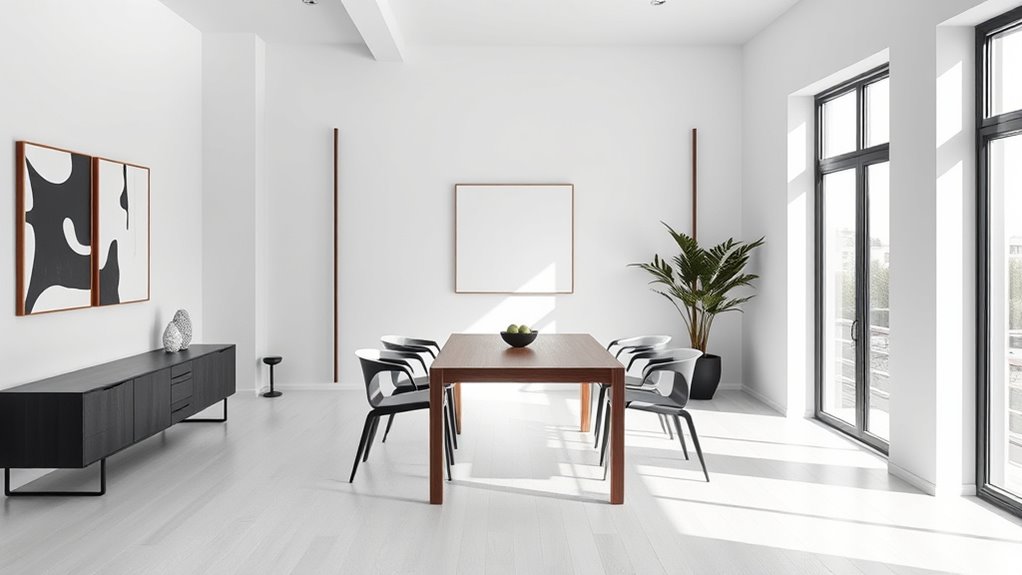
Designers keep returning to Bauhaus ideas because of their timeless focus on simplicity, functionality, and innovation. These principles simplify complex problems, making designs more accessible and effective. Bauhaus’s mastery of color theory helps you create visually striking yet harmonious compositions, essential for branding and user experience. Additionally, its emphasis on architectural innovation inspires you to rethink space and structure, blending form with function seamlessly. The movement’s straightforward approach encourages you to strip away unnecessary details, resulting in clear, purposeful designs. By embracing Bauhaus ideas, you tap into a legacy that fosters creativity while prioritizing practicality. Furthermore, integrating design thinking approaches enhances how these principles are applied to real-world problems, ensuring innovative and user-centered solutions. Recognizing the importance of visual harmony helps designers create balanced and compelling compositions that resonate with audiences. The Bauhaus emphasis on interdisciplinary collaboration also encourages diverse perspectives, leading to richer and more innovative design outcomes. Its focus on material experimentation continues to influence contemporary designers seeking to push boundaries and explore new possibilities.
The Enduring Impact of Bauhaus on Everyday Life
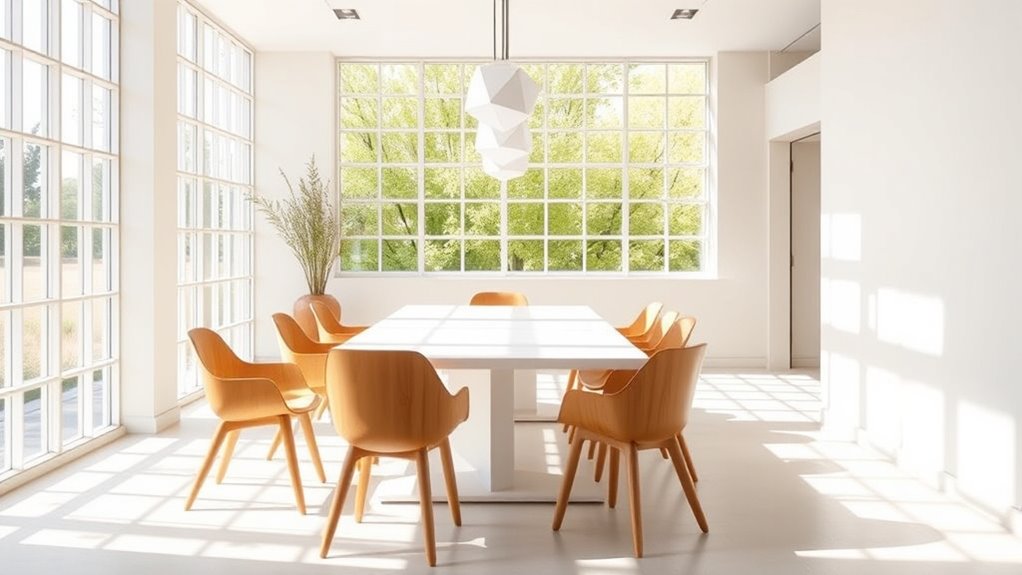
The principles of Bauhaus have shaped more than just aesthetics; they influence many aspects of your daily routines and environment. You likely notice its impact in the clean lines and functional designs of your furniture, appliances, and even your workspace. This movement promotes craftsmanship appreciation by valuing quality and simplicity, making everyday objects both practical and beautiful. Its cultural influence extends beyond design, shaping modern architecture, education, and art. When you use a streamlined chair or a minimalist kitchen, you’re experiencing Bauhaus’s enduring legacy. It encourages you to value function alongside style, reminding you that good design enhances your life without unnecessary complexity. Recognizing the design philosophy behind these objects helps you appreciate their thoughtful construction. Additionally, the principles of Bauhaus emphasize form follows function, fostering environments that prioritize usability and efficiency. This approach also supports innovative design that remains relevant across generations. In this way, Bauhaus continues to influence your environment and perceptions, making daily life more efficient and visually appealing. Understanding the importance of craftsmanship and quality can deepen your appreciation for these thoughtfully designed objects, which often incorporate timeless aesthetics and durable materials.
Frequently Asked Questions
How Did Bauhaus Influence Digital and Interactive Design?
You see Bauhaus influence in digital and interactive design through streamlined interfaces and minimalist aesthetics. It encourages you to focus on clean lines, simple layouts, and functional elements that improve user experience. By adopting these principles, you make your designs more efficient and visually appealing. Bauhaus’s emphasis on functionality and simplicity continues to inspire you to create intuitive, clutter-free digital spaces that prioritize user needs.
Are There Notable Bauhaus Architects Beyond Walter Gropius?
Yes, there are notable Bauhaus architects beyond Walter Gropius. You should explore influential designers like Ludwig Mies van der Rohe and Marcel Breuer, who shaped modern architecture with their innovative ideas. These Bauhaus architects pushed boundaries, integrating form and function seamlessly. Their work continues to inspire contemporary design, proving that their influence extends far beyond Gropius, shaping how you see architecture and design today.
What Role Did Bauhaus Play in Gender Equality in Design?
You see, the Bauhaus played a key role in promoting gender inclusion and feminist design. It challenged traditional gender roles by encouraging women to participate equally in architecture and design education. Women like Marianne Brandt and Gunta Stölzl contributed groundbreaking work, inspiring gender equality in creative fields. Their involvement helped foster a more inclusive environment, emphasizing that good design benefits from diverse perspectives and challenging societal norms around gender.
How Does Bauhaus Compare to Other Modernist Design Movements?
You’ll see that Bauhaus emphasizes functional minimalism and an industrial aesthetic, setting it apart from other modernist movements. Unlike the more ornate styles, Bauhaus promotes simplicity, efficiency, and mass production. Its focus on practicality and clean lines influences many design fields today. While other movements may prioritize artistic expression, Bauhaus keeps a sharp eye on usability, making it a lasting benchmark for modern design principles.
Can Bauhaus Principles Be Applied to Sustainable or Eco-Friendly Design?
Imagine Bauhaus as a sturdy tree rooted in simplicity and function. You can apply its principles to sustainable design by choosing eco-conscious architecture and sustainable materials, just as the tree uses natural resources efficiently. This approach encourages you to create spaces that are both beautiful and responsible, blending form and function seamlessly. Embracing Bauhaus’s ethos helps you craft environmentally friendly designs that stand the test of time.
Conclusion
You walk through a city filled with clean lines and simple shapes, each piece whispering the Bauhaus message of form following function. Its influence is like a steady heartbeat, guiding your everyday life—from sleek furniture to user-friendly tech. By embracing its clarity, you see how design shapes not just objects but experiences. Bauhaus’s timeless spirit reminds you that beauty and purpose can coexist, quietly shaping the world around you every day.