
When you see an artwork signed, initialed, or stamped, it’s a key sign of authenticity and personal expression. Artists use these marks to confirm authorship, reflect their style, or protect privacy. Collector and gallery stamps add provenance and context. Each type of mark has specific meanings, locations, and histories. Knowing what these marks signify helps you understand the artwork’s origin and value—if you look closer, you’ll discover more about their hidden stories.
Key Takeaways
- Signatures, initials, and stamps authenticate artwork and verify provenance, confirming the artist’s involvement and origin.
- Variations in artist marks reflect career stages, stylistic evolution, or cultural influences, offering insights into artistic development.
- Stamps and marks can indicate gallery affiliation, ownership history, or exhibition records, impacting artwork’s value and context.
- Proper placement and material considerations are essential for preservation and accurate documentation of artist marks over time.
- Analyzing signature techniques, placement, and material authenticity helps distinguish genuine marks from forgeries, supporting authentication efforts.
The Significance of Artist Signatures
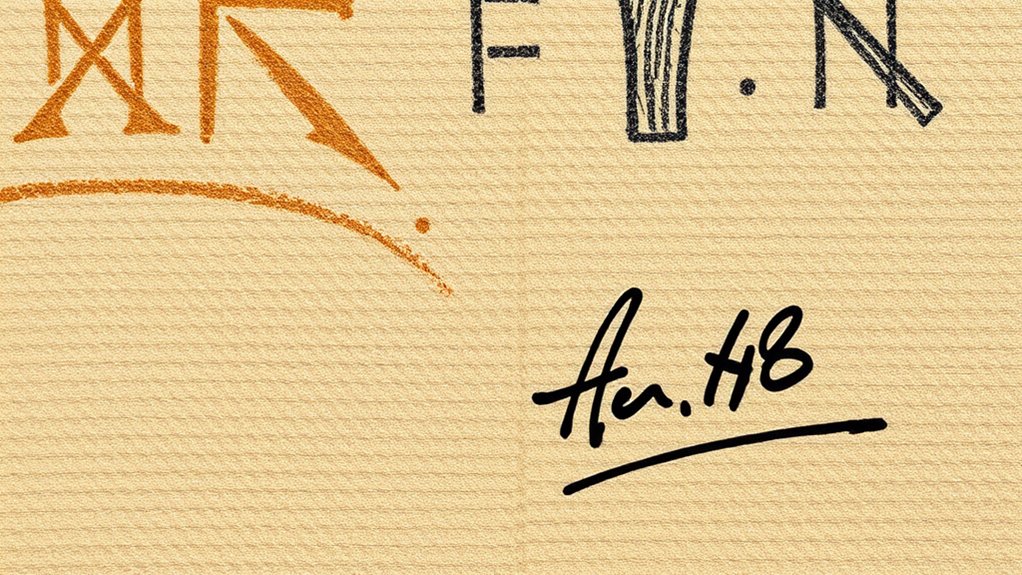
Artist signatures serve as a crucial link between the creator and the viewer, confirming the work’s authenticity and origin. They often carry artistic symbolism, reflecting personal styles or cultural influences. Over time, signature evolution reveals how artists develop their identity, progressing from simple initials to elaborate signatures that become part of their artistic voice. Your understanding of these signatures helps you appreciate the deeper meaning behind each mark, recognizing it as more than just a name. Signatures are unique identifiers that can indicate an artist’s career stage or intent. By studying these variations, you gain insight into the artist’s journey and the significance they attach to their work, making each signed piece more meaningful and authentic. Additionally, recognizing the significance of signatures can deepen your connection to the artwork and enhance your appreciation of the artist’s personal expression, especially when considering how signature evolution reflects their creative development. Understanding how signature styles can vary across different periods and movements further enriches your interpretation of the artwork’s context and provenance. Analyzing these signature variations allows collectors and enthusiasts to better authenticate and value the pieces within an artist’s oeuvre, especially when considering signature changes over time as indicators of stylistic or personal development.
Why Artists Initial Their Work
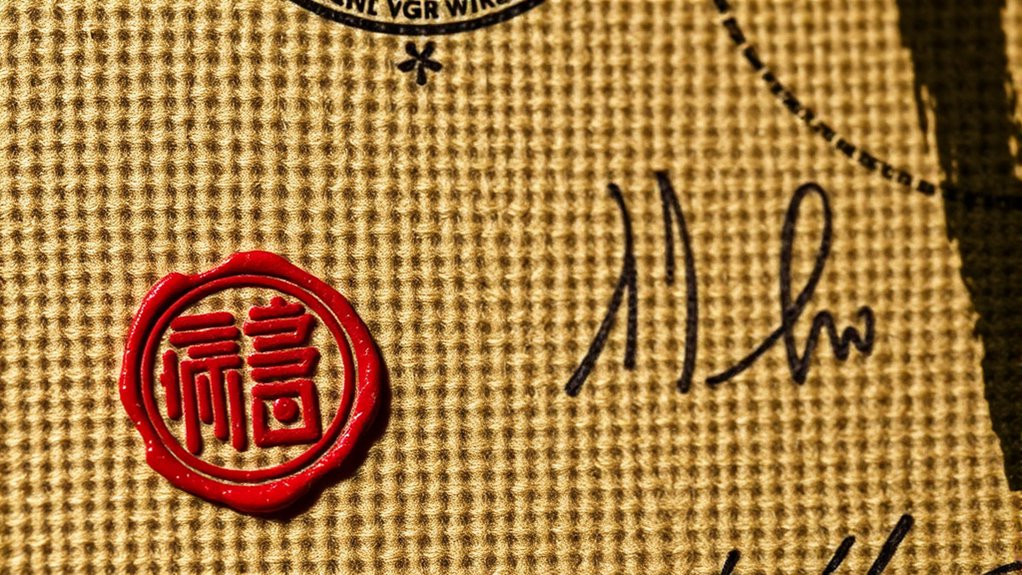
You might wonder why artists choose to initial their work instead of signing it outright. Initials can serve as a quick mark of authenticity and help trace the piece’s provenance. Understanding these markings can give you confidence in the artwork’s origin and value. Verifying artist credentials is essential to ensure the authenticity and proper attribution of artwork or investments. Additionally, knowing what specific marks mean can provide insights into the artwork’s origin and the artist’s practices. Recognizing the significance of different artist marks can also shed light on the artist’s unique methods and the artwork’s historical context. Sometimes, artist marks are used to indicate a limited edition or a particular workshop they belong to, further adding to the piece’s provenance.
Significance of Initials
Initials serve as a personal signature that helps establish authenticity and ownership of a piece. They carry artistic symbolism, reflecting the artist’s identity and sometimes their cultural background. Over time, the signature evolution reveals how an artist’s style or branding changes, offering insight into their career. Your understanding of initials can help you:
- Recognize the artist’s unique mark amid variations.
- Appreciate how initials convey personal or artistic meaning.
- Trace the progression of an artist’s signature over different periods.
Authenticity and Provenance
Because signatures and initials are often the most visible proof of a work’s authenticity, they play a essential role in establishing provenance. When verifying a piece’s origin, collectors and appraisers rely on these marks to confirm it’s genuine. Proper documentation and consistent artist markings also aid in art conservation, ensuring the artwork’s history is clear for future care. A well-documented provenance boosts a collector’s reputation by confirming authenticity and reducing the risk of forgery. Artists’ initials or signatures serve as a direct link to their creative process, reinforcing trust in the artwork’s legitimacy. Without this visible proof, it’s harder to authenticate and preserve valuable works, making initialing or signing a fundamental step in protecting both the artwork and its provenance.
Understanding Collector and Gallery Stamps

Understanding collector and gallery stamps are placed on an artwork can reveal important details about its provenance. You’ll notice that stamp variations can indicate different origins or periods, making them key to authentication. Recognizing artwork provenance through stamps can also impact the value and significance of a piece in the art world. Additionally, variations in stamp placement and design can help verify the authenticity of the artwork, which is crucial for collectors and appraisers alike. Being aware of stamp variations can further assist in assessing the age and history of an artwork, adding another layer of insight for collectors. Moreover, understanding the specific symbols and markings within these stamps can provide clues about the artist’s history and the artwork’s journey over time.
Stamp Placement Significance
The placement of collector and gallery stamps on an artwork can reveal important insights into its history and provenance. It helps you understand the techniques overview and cultural influences that shaped its journey. Typically, stamps are found in specific areas, such as the back or edges, indicating stages of ownership or exhibition. Recognizing these placements can help you identify authentic markers of provenance and avoid fakes. Understanding provenance markers can be crucial in verifying an artwork’s authenticity and value. The specific location of these stamps can also offer clues about the artwork’s origin and the gallery or collector involved. Floating on water in the context of art can also metaphorically relate to how an artwork’s history can seem fluid and layered, much like water’s adaptability, emphasizing the importance of understanding stamp placement to trace its journey accurately. Additionally, the artwork’s documented history often relies on these markers to piece together its full story, making their placement an essential element for collectors and experts alike. Understanding the material composition of stamps can also provide insights into the period and techniques used, further aiding in authentication.
Variations in Collector Stamps
Collector and gallery stamps vary widely in style and placement, reflecting different practices across time and regions. These variations often serve as artistic symbolism, conveying provenance, authenticity, or the artwork’s history. Some collectors prefer bold, prominent stamps, while others favor subtle marks that blend with the piece’s aesthetic. Gallery stamps can indicate exhibition history or ownership, adding layers of meaning to the artwork. Understanding these stamps helps you appreciate the artwork’s journey and provenance more fully. Collector preferences influence the design, size, and placement of these marks, making each stamp unique. Recognizing the diversity in collector and gallery stamps allows you to interpret their significance more accurately, deepening your appreciation of the piece’s story and the context in which it was collected.
Gallery Stamp Authenticity
Gallery stamps serve as important indicators of an artwork’s provenance and authenticity, providing tangible evidence of its history and ownership. These stamps often reflect artistic symbolism and cultural influences, revealing the piece’s origin and the gallery’s identity. Recognizing genuine gallery stamps helps you assess an artwork’s legitimacy. Keep in mind:
- Authentic stamps often contain specific symbols or logos unique to the gallery.
- Cultural influences may shape the design, reflecting regional artistic traditions.
- Provenance documentation, including stamps, can add value and context to the piece.
- Understanding the history of pinball machines can deepen appreciation for the cultural significance of certain artworks. Additionally, familiarity with gallery stamp variations can aid in distinguishing authentic markings from forgeries. Being aware of common forgeries and their techniques is also crucial for verifying authenticity. Recognizing the material composition of stamps can help identify whether they are original or counterfeit, especially in cases of forgeries. A thorough knowledge of authentication techniques can further enhance your ability to verify the legitimacy of gallery stamps. Understanding these elements allows you to verify authenticity and appreciate the artwork’s cultural significance, ensuring you recognize the gallery’s role in shaping its history.
Different Types of Signature Styles and Their Meanings
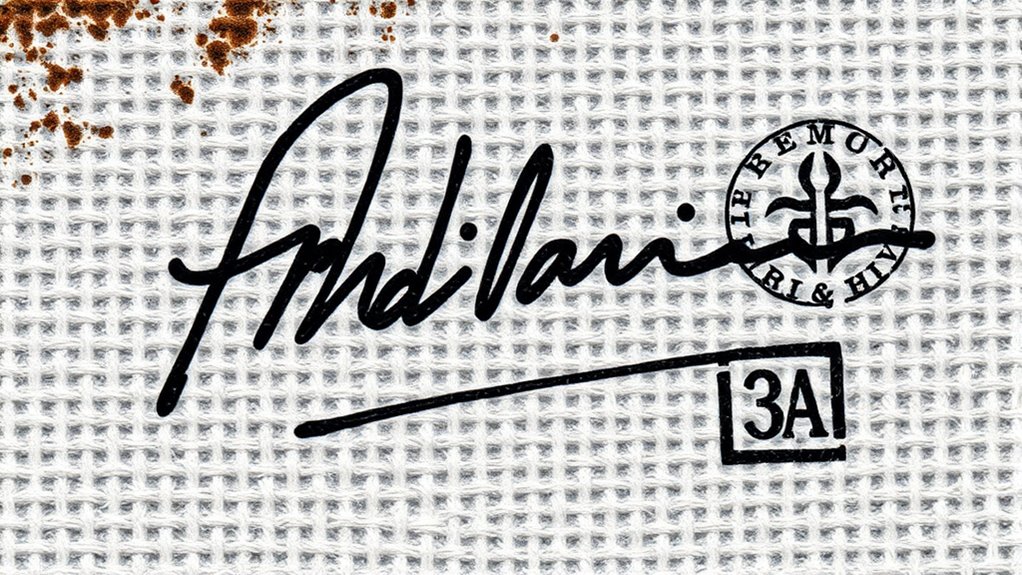
Understanding the different signature styles artists use can reveal a lot about their intentions and the significance of their work. Various marking techniques reflect personal choices and the signature evolution over time. Some artists prefer a simple, quick signature, emphasizing authenticity and immediacy. Others develop elaborate, stylized signatures to establish a recognizable identity or brand. Certain artists use initials or symbols as subtle marks, while others integrate signatures directly into their artwork as an intentional part of the composition. These styles can indicate different stages of career development or artistic phases. Recognizing these variations helps you interpret the meaning behind each mark, whether it’s a deliberate statement or a practical signature. Appreciating these nuances deepens your understanding of an artist’s process and their relationship with their work.
The Role of Signatures in Authentication Processes
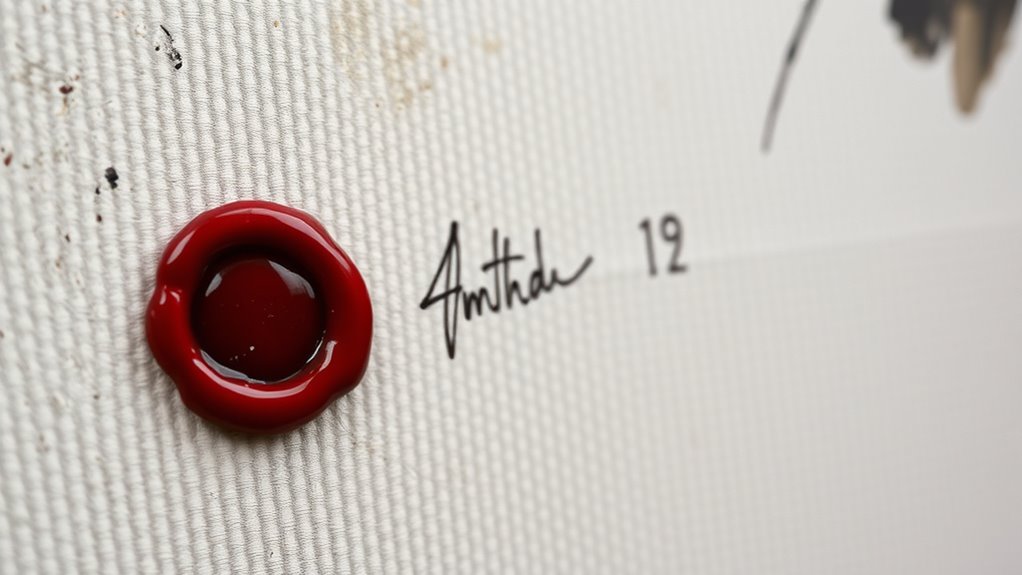
Your signature plays a vital role in authenticating an artwork, helping verify its provenance and history. It also reveals the artist’s intent and authority, ensuring the piece’s legitimacy. Understanding these factors helps you assess whether an artwork is genuine or potentially forged. Additionally, vetted authentication processes often involve examining the signature’s style and placement to confirm authenticity. Recognizing the artist’s unique signature style can further aid in distinguishing authentic works from forgeries.
Provenance Verification Methods
Signatures play a crucial role in verifying a piece’s provenance, serving as tangible evidence of an artist’s involvement and authenticity. They reflect artistic symbolism and the signature evolution over time, helping experts distinguish original works from forgeries. To verify provenance, you can focus on:
- Comparing the signature style to known examples, noting changes or consistency.
- Examining the signature’s placement and technique within the artwork’s context.
- Using scientific analysis, like ink or pigment testing, to confirm age and materials.
These methods help establish a clear connection between the signature and the artist’s creative process. Understanding how signatures evolve and their symbolic meanings enhances your ability to authenticate and appreciate the artwork’s true origin.
Artist’s Intent and Authority
The presence and style of an artist’s signature are more than just identifiers; they reveal the artist’s personal mark of authority and intent. Your signature embodies artistic symbolism, conveying deeper meaning beyond mere identification. It affirms authenticity and reflects cultural significance, tying the work to specific traditions or movements. When analyzing signatures, consider how they assert control over the artwork’s provenance. The table below highlights key aspects:
| Aspect | Significance |
|---|---|
| Artistic Symbolism | Signatures often encode cultural or personal meaning |
| Cultural Significance | Reflects the artist’s background and context |
| Authority Assertion | Confirms the work’s authenticity and provenance |
| Intent Reflection | Reveals the artist’s personal message or identity |
Your signature is a deliberate act, asserting artistic authority and shaping how viewers interpret the work. Recognizing how signature styles can convey additional layers of meaning enhances appreciation of the artist’s intent and the work’s cultural context. Additionally, understanding the intent behind signatures can help collectors and viewers better interpret the artist’s message and the work’s authenticity.
How to Recognize Genuine Versus Fake Artist Marks
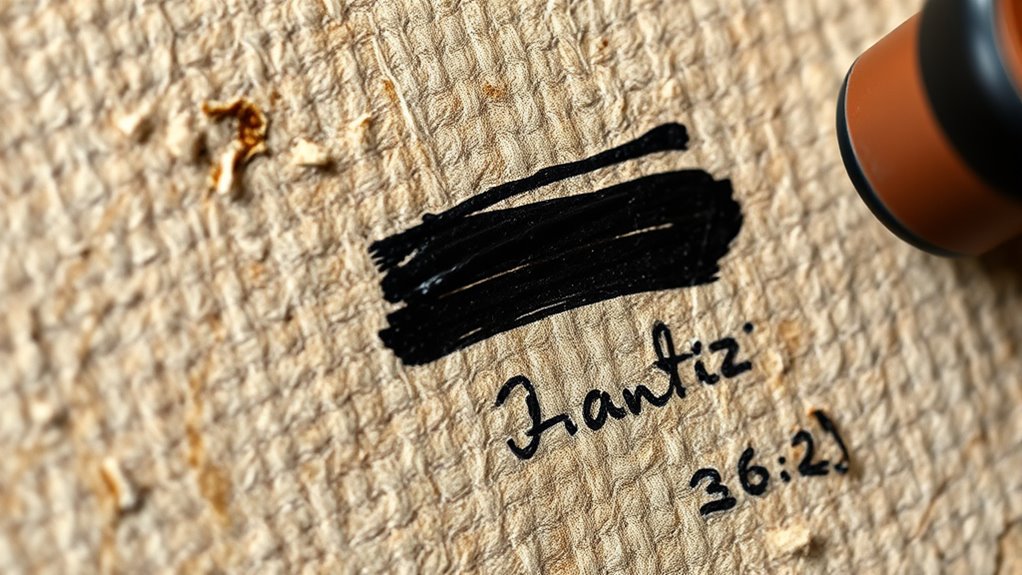
Determining whether an artist’s mark is genuine or fake requires careful examination, as counterfeit signatures and stamps can be convincingly crafted. To spot forgeries, focus on details like line quality, consistency, and placement. Cultural variations in artist marks also matter; different cultures use unique symbols and styles, so familiarity helps you recognize authenticity. Here are key points to contemplate: 1. Examine the ink or material; genuine marks often show natural wear or aging. 2. Compare the mark’s style with known authentic examples from the artist. 3. Use techniques for detecting forgeries, such as microscopic inspection or ultraviolet light, to reveal inconsistencies. Additionally, understanding art authentication methods can greatly enhance your ability to distinguish authentic marks from forgeries.
The History Behind Stamp and Mark Usage in Art
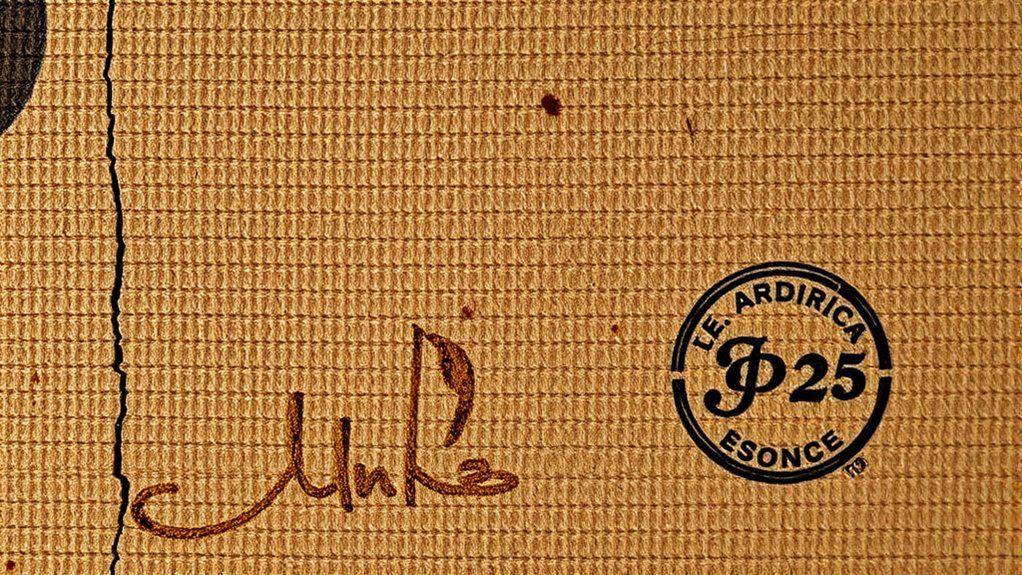
Throughout history, artists have used stamps and marks to authenticate their work, convey ownership, or signify a particular period or style. Famous artist monograms became a signature shorthand, helping identify creators quickly. These marks often carried cultural mark symbolism, reflecting regional traditions, social status, or specific artistic movements. For example, certain symbols indicated craftsmanship or workshop origin, while others signified a specific artistic era. Artists used stamps not just for authentication but also to embed cultural or personal significance into their pieces. Over time, these markings evolved from simple identifiers to complex symbols representing ideology, identity, or cultural heritage. Understanding this history helps you appreciate the layered meaning behind many artist marks, revealing more than just authorship—they tell stories about history, culture, and artistic identity.
When Artists Use Pseudonyms or Aliases
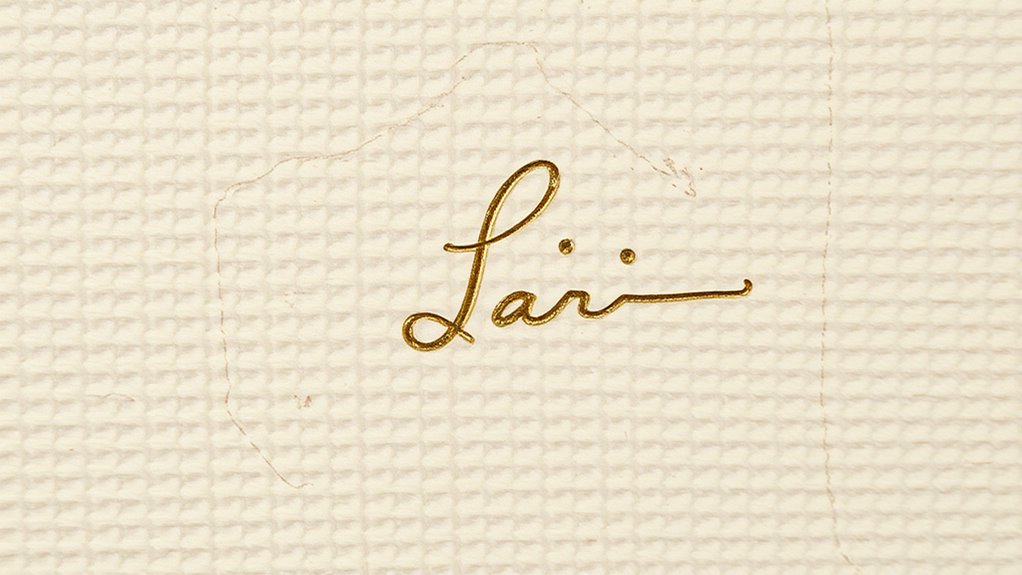
Artists often adopt pseudonyms or aliases to conceal their true identities, craft new personas, or navigate social and professional boundaries. These alternate names can carry symbolic meanings, representing a shift in artistic style, personal transformation, or rebellion. Cultural variations influence how pseudonyms are perceived; in some societies, they signify respect or mystique, while in others, they challenge norms. When using aliases, consider these key points:
- They help artists maintain privacy or avoid political repercussions.
- They can symbolize a new direction or rebirth within their work.
- Cultural context shapes how pseudonyms are interpreted and valued.
Common Locations for Artist Signatures and Marks
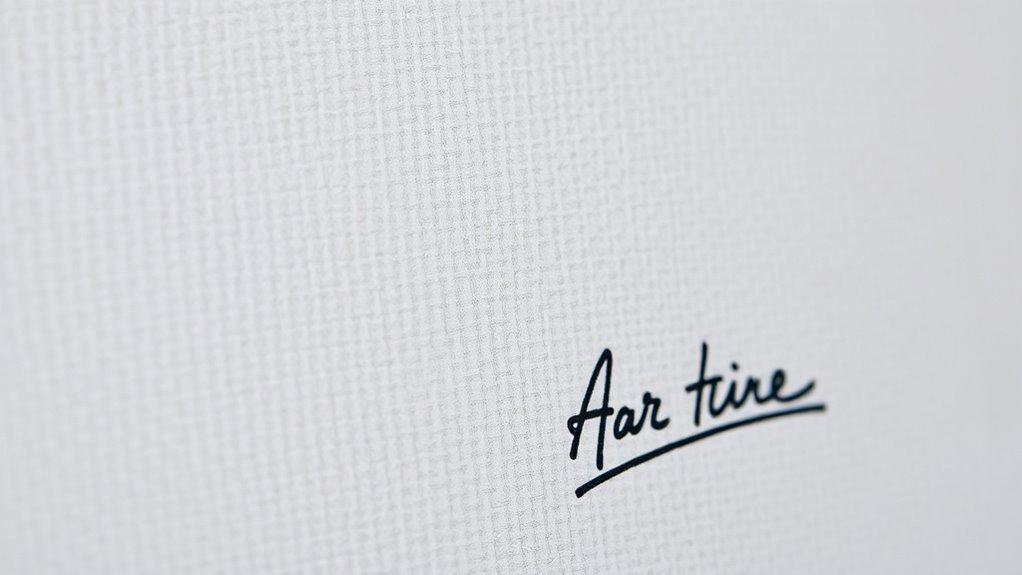
Pseudonyms and aliases often add an air of mystery to an artist’s work, but the placement of their signatures and marks can reveal important details about the piece. Usually, signatures are found in common locations based on techniques overview and material considerations. For paintings, you might find signatures in the lower right or left corner, or along the border. For drawings, marks are often near the bottom or on the back. Sculptors may sign the base or underside. Prints typically feature signatures along the margin or reverse side. Here’s a quick overview:
| Location | Technique Overview | Material Considerations |
|---|---|---|
| Lower right corner | Common for paintings | Oil and acrylic surfaces |
| Bottom edge | Drawings and sketches | Paper or canvas |
| Back of artwork | Prints and photographs | Paper, wood, or metal |
| Base or underside | Sculptures | Metal, stone, or clay |
Tips for Preserving and Documenting Artist Marks

To guarantee artist marks remain legible and intact over time, you should handle the artwork carefully and store it properly. Techniques for preserving include storing works in acid-free sleeves, avoiding direct sunlight, and maintaining stable humidity. Digital archiving is also essential; scan or photograph artwork at high resolution to create a permanent record. This helps protect your documentation against physical deterioration and loss. To effectively preserve and document artist marks, consider these tips:
- Use high-quality tools for digital archiving, like scanners and cameras.
- Keep physical pieces in climate-controlled environments.
- Record detailed notes about the marks’ location, style, and condition.
Following these steps ensures your artist marks stay clear and accessible for years to come.
Frequently Asked Questions
How Do Artist Signatures Vary Across Different Art Periods?
You’ll notice that artist signatures vary across art periods, reflecting their artistic identity and signature evolution. During the Renaissance, signatures were often formal and discreet, while modern artists experiment with bold, expressive marks. In contemporary art, signatures may be abstract or absent altogether, emphasizing concept over authorship. Understanding these variations helps you appreciate how artists express their unique voice and how their signature evolution mirrors broader artistic trends.
Can Digital Art Include Traditional Artist Marks?
Yes, digital art can include traditional artist marks like signatures or initials. You can add digital artist signatures using graphic software, mimicking traditional marks such as signing with a pen or stamping. These digital signatures serve the same purpose as traditional artist marks, authenticating your work. Incorporating traditional artist marks into digital art helps establish provenance and adds a personal touch, making your digital creations feel more genuine and connected to traditional art practices.
Are There Legal Implications for Falsifying Artist Signatures?
Falsifying artist signatures can lead to serious legal penalties, including fines and even jail time. Forgery detection tools are increasingly sophisticated, making it easier for authorities to spot forgeries. You might think small fakes go unnoticed, but the risks are high. Always guarantee signatures are genuine; otherwise, you could face legal trouble that damages your reputation and future opportunities in the art world.
How Do Auction Houses Verify Authenticity of Artist Marks?
Auction houses verify authenticity through rigorous art authentication and provenance research. They examine artist marks, signatures, and stamps, comparing them with verified examples. Experts assess the style, materials, and provenance to confirm the artwork’s origin. You should trust their thorough process, which involves detailed documentation and expert analysis, ensuring the piece’s authenticity before it reaches the auction block. This diligent approach helps prevent fraud and safeguards buyers.
What Are Common Misconceptions About Artist Initials and Stamps?
Many collector misconceptions surround artist initials and stamps, fueling authenticity myths. You might think stamps guarantee authenticity, but they often serve as studio or gallery marks, not proof of a piece’s origin. Initials can be added later, not by the artist themselves. It is crucial to understand that these marks are part of the artwork’s history, but they don’t automatically confirm authenticity. Always verify with proper provenance and expert appraisal.
Conclusion
Understanding artist marks can unseal secrets buried in every masterpiece. Your keen eye for signatures, initials, and stamps reveals the true story behind each artwork. When you recognize these marks, you’re wielding a power greater than a treasure hunter — uncovering authenticity and value that can make your collection legendary. Never underestimate how a simple signature can transform a piece into an irreplaceable masterpiece. Stay observant, and let every mark guide your artistic journey.