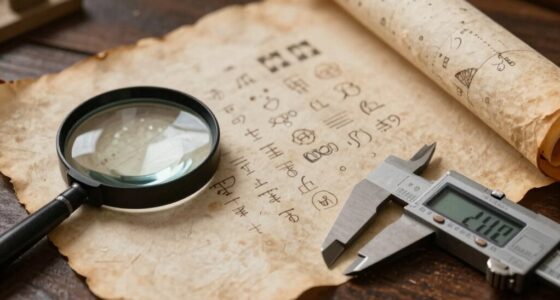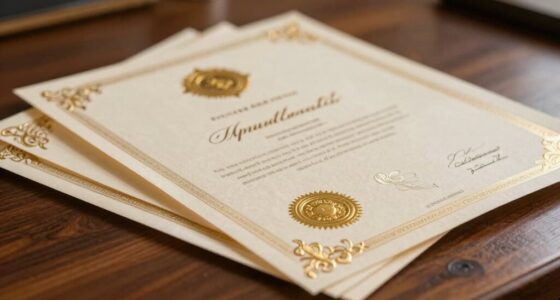

To evaluate editioned work simply, start by understanding the artist’s intent and the work’s historical context, which helps you see its significance. Check the provenance and condition to guarantee authenticity and good preservation. Look at the edition size—smaller editions are usually more valuable—while balancing rarity and relevance. Focus on these essentials to get a clear view, and if you want to strengthen your assessment, you’ll find more insights as you go along.
Listen free for 30 days with Audible
Thousands of audiobooks and originals — cancel anytime.
As an affiliate, we earn on qualifying purchases.
Key Takeaways
- Focus on the artist’s intent and the work’s purpose rather than getting lost in technical details.
- Assess provenance and condition simply to verify authenticity and overall quality.
- Consider edition size to gauge rarity without overanalyzing minor variations.
- Understand the historical and cultural context to inform your valuation easily.
- Combine these straightforward factors for a balanced, clear evaluation without overcomplication.
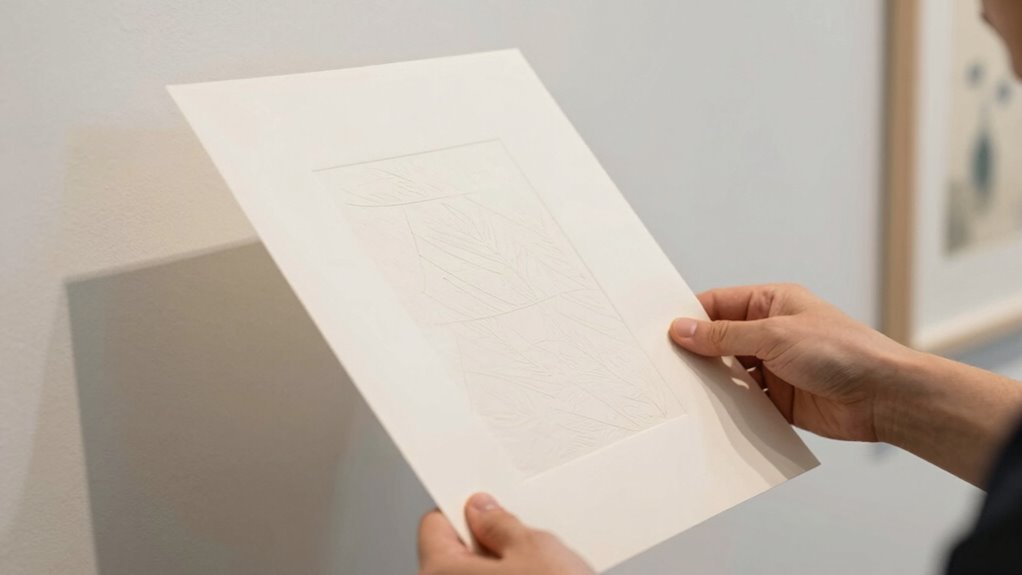
Have you ever wondered how to accurately assess editioned work? Understanding this process involves more than just looking at the piece itself; it requires considering its historical context and artistic intent. Editioned works—prints, sculptures, or photographs produced in limited quantities—carry stories and significance that go beyond their physical appearance. When evaluating them, you need to step back and see the bigger picture, which involves grasping the background against which they were created. The historical context can reveal why an artist made certain choices, what influences shaped their work, and how the edition fits into the broader art movement or cultural moment. This background enriches your appreciation and guides your judgment about the work’s value and authenticity. Recognizing the importance of artistic intent ensures that you appreciate the deeper meaning behind the work, not just its surface.
Assess editioned works by understanding their historical context and artistic intent for a deeper appreciation of their value.
Next, you want to focus on the artistic intent behind the editioned piece. Artists often create editions to make their work more accessible, to experiment with new techniques, or to communicate a specific message. By understanding what the artist aimed to achieve, you can better assess whether the edition reflects their original vision. For example, some editions are meant to be an exact replica, emphasizing consistency and precision, while others may involve subtle variations that add uniqueness. Recognizing these nuances helps you determine if the work aligns with your appreciation of the artist’s goals and whether it holds the significance you’re seeking in an edition. Additionally, understanding the production process can help you identify the craftsmanship involved and evaluate the work’s authenticity. Knowing the artistic techniques used can also provide insight into the skill and effort invested in creating the edition. Furthermore, understanding the manufacturing methods can reveal whether the edition was produced with proper standards and care, impacting its overall value. A comprehensive understanding of these processes can also help detect potential issues like counterfeiting or improper reproduction, which directly affects the work’s credibility.
Another key factor is examining the edition’s provenance and condition. Provenance traces the artwork’s history of ownership and can verify its authenticity, especially if it’s part of a limited run. An edition with a clear provenance from reputable sources increases its credibility and value. The condition of the piece also matters; damage or restoration can impact its worth and how well it preserves the original artistic intent. When you’re evaluating, look for signs of aging or repairs that might affect the piece’s integrity. A well-documented provenance combined with a good state of preservation can significantly enhance the work’s overall value and trustworthiness. In addition, understanding edition size is crucial because it influences the rarity and desirability of the work, which are important factors in valuation.
Finally, consider the edition size. Smaller editions often carry higher value and rarity, but they also require scrutiny to ensure they’re properly documented. Larger editions might be more accessible but can be less exclusive. Balancing these aspects while keeping your focus on historical context and artistic intent allows you to make informed, straightforward evaluations without overcomplicating the process. By combining knowledge of the background, the artist’s goals, and the edition’s condition, you can confidently assess editioned work with clarity and insight.
As an affiliate, we earn on qualifying purchases.
Frequently Asked Questions
How Do I Determine the Value of an Editioned Piece?
You determine the value of an editioned piece by considering its artistic originality and how much market demand exists for similar works. If the piece showcases unique creativity and stands out, it can command a higher price. Check recent sales of comparable editions, and gauge collector interest. Remember, limited editions often add value, but overall, market demand and the artist’s reputation are key factors in setting a fair value.
What Are Common Mistakes When Evaluating Editioned Work?
Don’t fall for the trap of overanalyzing. A common mistake is ignoring the artist’s intent or artistic interpretation, which can skew your assessment. You might also overlook collector preferences that influence value. Remember, evaluating editioned work isn’t just about numbers; it’s about understanding context. Avoid rushing into conclusions or relying solely on market trends. Instead, balance technical details with emotional and artistic significance for a more accurate evaluation.
How Does Provenance Affect the Appraisal Process?
Provenance greatly impacts the appraisal process because it provides essential provenance documentation that verifies an item’s history, authenticity, and ownership. When you assess an editioned work, you rely on this documentation to confirm authenticity and establish value. Without clear provenance, you might question the work’s legitimacy, which can decrease its value. As a result, thorough provenance verification is vital to guarantee accurate appraisal and protect against potential fraud.
Can Edition Size Impact the Artwork’s Value?
Yes, edition size impacts an artwork’s value. Limited editions, with smaller quantities, tend to be more valuable because they’re rarer, attracting collectors seeking exclusivity. Your perception of the artist’s reputation also influences value; renowned artists often command higher prices, especially for limited editions. When evaluating, consider both the edition size and the artist’s standing to gauge the artwork’s true worth, avoiding overcomplication.
What Tools or Resources Assist in Evaluation?
You should utilize digital tools like online marketplaces, appraisal platforms, and cataloging software to assess editioned work efficiently. These tools provide comparative data on prices, edition sizes, and artist reputation, helping you make informed decisions. Additionally, consulting experts—such as art appraisers or gallery professionals—offers valuable insights, especially for understanding nuances that digital tools might miss. Combining these resources streamlines evaluation without overcomplicating the process.
limited edition print display frame
As an affiliate, we earn on qualifying purchases.
As an affiliate, we earn on qualifying purchases.
Conclusion
Evaluating editioned work might seem complex, but remember, it’s not unlike appreciating a finely crafted watch—precision matters, yet too much scrutiny can obscure its beauty. By balancing detailed analysis with an appreciation for the overall impression, you can avoid overcomplicating your judgment. Like admiring a sunset’s vibrant hues without dissecting every wavelength, trust your instincts while respecting the work’s craftsmanship. Ultimately, your thoughtful yet simple approach reveals its true value—without getting lost in unnecessary details.
artwork condition assessment kit
As an affiliate, we earn on qualifying purchases.
As an affiliate, we earn on qualifying purchases.
art authentication and appraisal guide
As an affiliate, we earn on qualifying purchases.
As an affiliate, we earn on qualifying purchases.
Flea & tick season Picks
flea and tick prevention
As an affiliate, we earn on qualifying purchases.