
When years of an item’s history are missing, it’s essential to scrutinize the provenance carefully. Understand that gaps often result from incomplete records or lost documentation, which can affect authenticity and legal ownership. To address this, review all available records, consult experts, and verify sources. Avoid impulsive purchases without solid provenance. If you want to learn how to safeguard yourself and ensure genuine acquisitions despite gaps, keep exploring these important strategies.
Key Takeaways
- Investigate existing records, receipts, and exhibition history to uncover any available provenance details.
- Consult experts and utilize authentication techniques to assess the item’s legitimacy despite missing years.
- Seek information from previous owners, dealers, archives, or provenance research services for potential insights.
- Document all findings and efforts thoroughly to strengthen the item’s provenance profile.
- Exercise caution and avoid purchasing or accepting items with unexplained gaps unless credible explanations are provided.
What Causes the Provenance Gap and Common Examples
The provenance gap often arises from gaps or inconsistencies in the documentation, tracking, or recording of an item’s origin. These lapses can lead to ownership disputes, where rightful owners struggle to prove their claims. A well-sourced coverage of names and histories is essential to address these issues effectively. Inadequate record-keeping practices can exacerbate these problems, especially when combined with digital record loss due to outdated or poorly maintained systems. Moreover, the lack of standardized record-keeping practices across institutions can further complicate provenance verification. Theft recovery efforts are also impacted when records are incomplete or missing, making it harder to identify stolen items. Common examples include treasures looted during wars, artworks with unclear ownership histories, and antiquities excavated without proper documentation. Sometimes, records are lost due to war, natural disasters, or poor record-keeping practices. These gaps obscure an item’s true history, complicating legal ownership and recovery. As a result, missing provenance can pose significant challenges for collectors, museums, and authorities trying to establish authenticity or resolve ownership conflicts.
Why Complete Provenance Matters for Valuing and Authenticating Items
Complete provenance is essential because it directly influences an item’s value and authenticity. When provenance is thorough, you can better assess its origin, history, and legitimacy. This helps prevent forgeries by providing a clear trail that distinguishes genuine pieces from counterfeit ones. Additionally, understanding the free floating nature of certain items can impact how their provenance is interpreted and valued.
Auction houses typically have strict policies requiring detailed provenance before accepting items for sale; they rely on this documentation to verify authenticity and protect buyers. Without complete provenance, you risk undervaluing or overvaluing an item or, worse, unknowingly selling a forgery.
Proper documentation also reassures collectors and investors, establishing trust and confidence in the item’s true worth. Ultimately, exhaustive provenance is a key factor in authenticating and accurately valuing items in the marketplace.
Legal and Ethical Risks of Missing Historical Records

Missing historical records pose significant legal and ethical risks because they can obscure an item’s true origin and ownership history. Without complete provenance, verifying ownership becomes difficult, increasing the chance of disputes or accusations of theft or illegal possession. This can lead to legal action, restitution claims, or confiscation. Ethically, it raises questions about the rightful ownership and cultural significance of the object, especially if it was acquired unlawfully or during periods of conflict or colonization. Furthermore, transparency regarding affiliate relationships is essential when dealing with provenance issues, as it ensures trust and integrity in the handling and documentation of artifacts. Establishing a professional ethical framework for provenance research can help prevent misconduct and promote responsible stewardship. Failing to establish a clear provenance can damage your reputation and undermine trust with stakeholders, collectors, or communities connected to the item. You must be diligent in addressing gaps, as unresolved provenance issues threaten both the legality and ethical standing of your collection.
How to Investigate and Fill the Provenance Gap
To address the legal and ethical risks associated with gaps in provenance, you need to actively investigate the item’s history and gather as much documentation as possible. Start by thoroughly reviewing existing records, sales receipts, exhibition histories, and prior ownership details to identify documentation gaps. Consider piercing care and hygiene practices to ensure the item’s condition is maintained during your research. Examining water-related, authenticating techniques can also help verify the item’s origins and prevent issues related to counterfeit or misattribution. Reach out to previous owners, dealers, or archives that might hold relevant information. When documentation is scarce, consider consulting experts for authentication, ensuring the piece’s legitimacy and provenance continuity. Expert authentication can uncover hidden details or verify attributes that help bridge the provenance gap. Document every step of your investigation carefully, as this strengthens your case if questions arise later. Utilizing historical records and other archival sources can significantly enhance the credibility of your findings. Engaging with Feature Buddies can provide additional insights or resources to assist in your provenance research. Filling these gaps isn’t always straightforward, but diligent research and expert input considerably improve the item’s provenance record.
Tips for Collectors and Institutions to Reduce Risks

Proactively implementing thorough due diligence and maintaining detailed records can substantially reduce the risks associated with provenance gaps. Always verify the authenticity and history of items before purchase, and document every step of your research.
Thorough due diligence and detailed records safeguard your collection from provenance gaps.
Be aware of restoration pitfalls; improperly restored pieces may mask missing history or original features, leading to future challenges.
When considering display options, think about how provenance gaps might influence viewers’ perceptions—transparency about gaps builds trust. Avoid hiding gaps through over-restoration or concealment, as this can create more issues later.
Instead, prioritize clear documentation and honest communication. By staying vigilant and prepared, you protect your collection’s integrity, reduce legal and financial risks, and foster confidence among collectors and institutions alike.
Making Smart Market Choices When History Is Missing
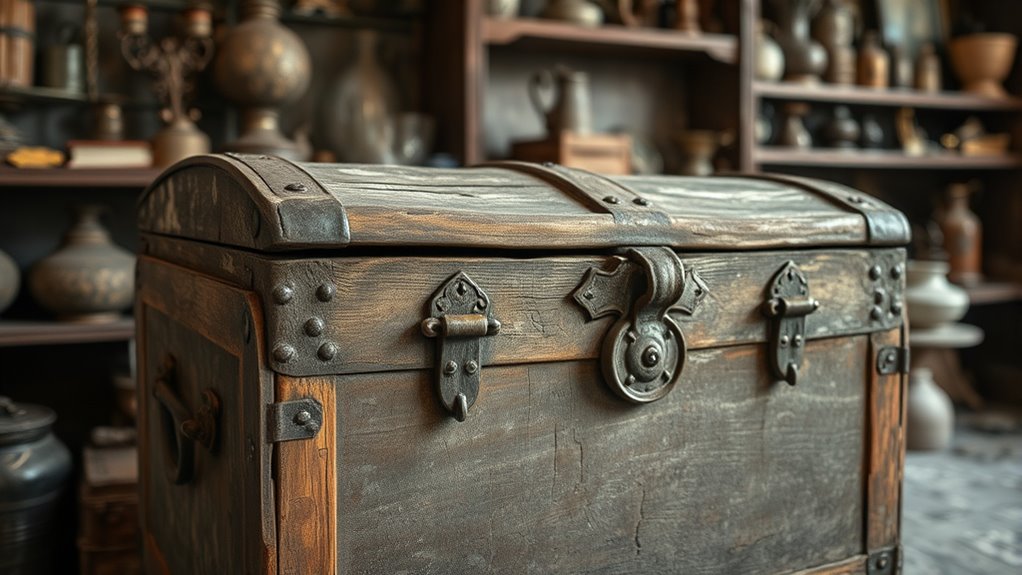
When considering items with incomplete provenance, making informed market choices becomes essential to protect your investment. You should prioritize factors that enhance appraisal accuracy, such as expert evaluations and verified documentation. Utilizing reliable appraisal tools can further help assess an item’s true value in the absence of complete history. Be cautious of overestimating an item’s value without full historical context, as missing provenance can hide risks like theft or forgery. To mitigate these risks, research the item’s origin, provenance gaps, and market history thoroughly. Seek opinions from trusted appraisers and dealers who understand the complexities of incomplete histories. Additionally, understanding electric dirt bike horsepower and the power output of similar items can provide context for assessing value and authenticity. Recognizing vacuum features to consider such as suction power and filters can also aid in evaluating the item’s condition and legitimacy. Conducting thorough market research on comparable items can reveal pricing trends and help identify anomalies that may indicate issues. Being aware of authentication techniques can further help verify an item’s legitimacy and uncover potential red flags. Avoid impulsive purchases, especially if provenance gaps aren’t convincingly explained.
Frequently Asked Questions
Can a Provenance Gap Ever Be Completely Resolved?
A provenance gap can rarely be completely resolved due to restoration challenges and ethical considerations. You might uncover some details through research or scientific analysis, but full certainty remains elusive.
You need to balance the desire for completeness with respect for the artifact’s integrity, ensuring you don’t compromise its authenticity.
While you can minimize gaps, accepting that some missing history is inevitable is essential for responsible stewardship.
How Often Do Provenance Gaps Lead to Legal Disputes?
Provenance gaps often lead to auction disputes and legal challenges, especially when ownership history is unclear. You should be aware that these gaps can escalate into serious conflicts, delaying sales or even halting transactions.
To prevent this, thoroughly research and document the item’s history beforehand. If disputes arise, seek legal advice early to navigate potential claims and protect your interests, reducing the risk of costly legal challenges.
Are There Specific Types of Items More Prone to Provenance Gaps?
Certain items, like artifacts with significant historical or cultural value, are more prone to artifact gaps, especially rare item challenges. You’ll find that high-value antiques, artworks, and antiquities often have incomplete histories due to their scarcity or complex ownership histories.
These gaps can complicate authentication and legality, making it essential for you to thoroughly research provenance and document every detail to minimize risks associated with missing years of history.
What Technological Tools Can Assist in Tracing Missing Provenance?
You can use digital authentication tools and blockchain tracking to trace missing provenance effectively. Digital authentication verifies an item’s history quickly, while blockchain provides an immutable record, ensuring transparency and security.
These technologies help fill provenance gaps by recording every transaction and ownership change, making it easier for you to authenticate and trace items even when historical data is incomplete.
Embracing these tools boosts confidence and safeguards your collection.
How Do Institutions Verify Authenticity Without Full Provenance Records?
You verify authenticity through digital authentication methods, such as forensic imaging or blockchain verification, which help establish a digital trail even without full provenance records.
Additionally, you rely on expert testimonies from art historians or conservators who can assess physical characteristics, materials, and techniques.
Combining these approaches allows you to confidently authenticate items despite gaps in their history, ensuring their credibility and value.
Conclusion
To navigate the provenance gap, stay vigilant and do thorough research before buying or selling. Always seek out available records, consult experts, and ask questions about an item’s history. By understanding the risks and taking proactive steps, you protect yourself from fraud and unethical practices. Remember, incomplete provenance can impact an item’s value and authenticity—so prioritize transparency and due diligence to make smarter market choices and preserve your collection’s integrity.