

To see photography as art, you look beyond the image itself and explore the story, composition, lighting, colors, and cultural symbols behind it. Think about what the photographer wanted to express through framing, tonal choices, and subject placement. Notice how mood is created with shadows and highlights, and consider cultural or historical meanings. Recognizing these layers helps you understand the artist’s intent and emotional message—keep exploring to uncover even deeper insights.
Key Takeaways
- Analyze composition, lighting, color, and tonal choices to understand the photographer’s artistic intent and emotional messaging.
- Recognize cultural symbols, historical context, and narrative elements that deepen the image’s meaning.
- Observe how visual elements guide focus, create balance, and evoke mood, revealing artistic expression.
- Consider the technical skills and equipment used, which influence style, mood, and creative voice.
- Engage with the emotional, symbolic, and thematic layers to interpret the photograph as a work of art beyond its surface.
Discover the Story and Context Behind the Photo

Have you ever wondered what stories lie behind a photograph? To truly understand its meaning, you need to explore its storytelling context.
Think about where and when the photo was taken—these details reveal much about its background. Pay attention to cultural symbolism; objects, gestures, and settings often carry deeper significance rooted in specific traditions or histories. For example, recognizing the subject’s background can provide insights into the photograph’s cultural significance and the narrative the photographer aimed to convey. Additionally, understanding the technological aspects used in capturing the image can shed light on its stylistic choices and authenticity. Recognizing the photographer’s intent can also help you interpret the emotional or political message behind the image. Being aware of global chaos such as disruptions or outages can influence the context and interpretation of certain images depicting events. Recognizing these elements helps you see beyond the surface, uncovering the narrative the photographer intended to tell. Context shapes how we interpret images, transforming a simple moment into a story that resonates across cultures and eras. One way to deepen this understanding is by considering the natural environment, which can provide insights into the scene’s authenticity and mood.
Break Down the Composition and Visual Elements
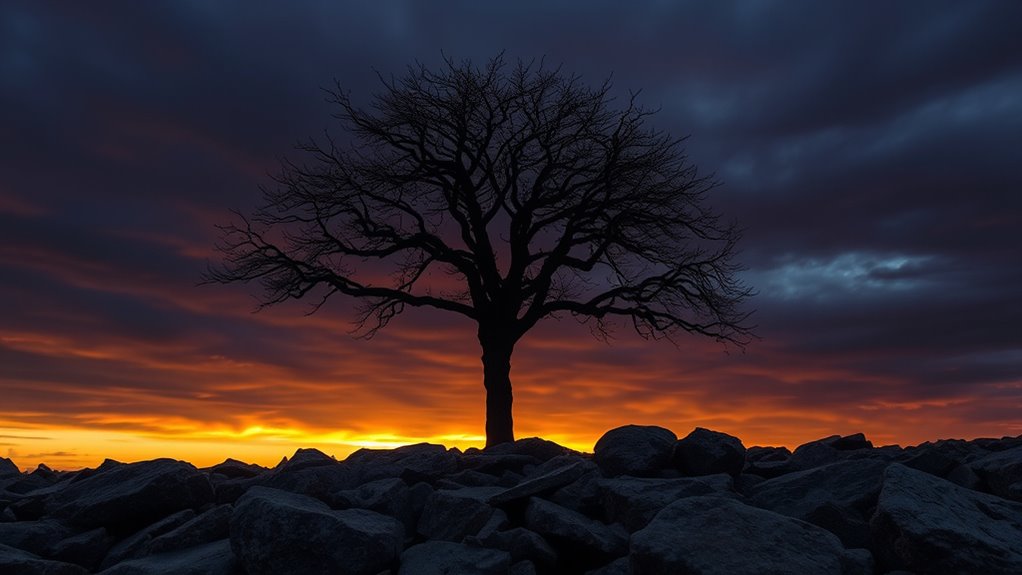
You can start by examining the focal point and how it draws your attention within the scene. Notice how balance is maintained or intentionally disrupted to create tension or harmony. Pay close attention to the lines and shapes, as they guide your eye and shape the overall composition. Additionally, understanding the visual storytelling element in photography helps reveal the underlying narrative or emotion conveyed through the image. Recognizing how composition and design elements interact can deepen your appreciation of the artistic choices made in the photograph. Furthermore, observing the color accuracy and how it influences the mood can enhance your interpretation of the image’s artistic intent. Considering lease costs and financial considerations can also deepen your appreciation of the photographer’s choices in how they present and frame their subject within budget constraints. Being aware of the market trends in reconditioned batteries can also influence how you interpret the energy and sustainability themes often present in modern photography.
Focal Point & Balance
Focal points guide the viewer’s eye to the most important part of the photograph, establishing a clear visual hierarchy. To create effective focal emphasis, position your subject strategically, using contrast, color, or size to draw attention. Additionally, understanding the role of visual weight helps in balancing the composition and emphasizing key elements. Balance involves distributing visual weight evenly across the composition, ensuring no area feels overly heavy or empty. Achieving compositional harmony means arranging elements so they complement each other, guiding the eye smoothly through the image. When you understand how focal points function within a balanced frame, you help viewers engage with your photograph more intentionally. Incorporating knowledge of auditory processing can also inspire a deeper appreciation for how different elements work together to create a cohesive whole. Recognizing how visual hierarchy influences viewer perception allows photographers to craft images that communicate their message more effectively. This balance between emphasis and harmony ensures your image communicates its intended message clearly, making the photograph feel cohesive and compelling as a work of art. Moreover, understanding composition techniques enhances your ability to manipulate visual elements to tell a more powerful story. Exploring symbolic meanings, such as cultural or historical significance, can add layers of depth and resonance to your images.
Use of Lines & Shapes
Lines and shapes are fundamental tools for shaping the visual flow and structure of a photograph. They guide your eye through the image, creating pathways for viewers to follow.
Look for geometric patterns, such as triangles, circles, or rectangles, that add order and harmony. These shapes can emphasize a subject or create a sense of stability.
Lines—whether straight, curved, or diagonal—establish movement and energy, directing attention or leading the gaze across the composition. The interplay of lines and shapes establishes visual rhythm, making an image dynamic and engaging.
Recognizing these elements helps you understand how the photographer constructs meaning and mood. By analyzing the use of lines and shapes, you deepen your appreciation of a photograph as a crafted piece of art, not just a fleeting image.
Spot How Light and Shadows Create Mood
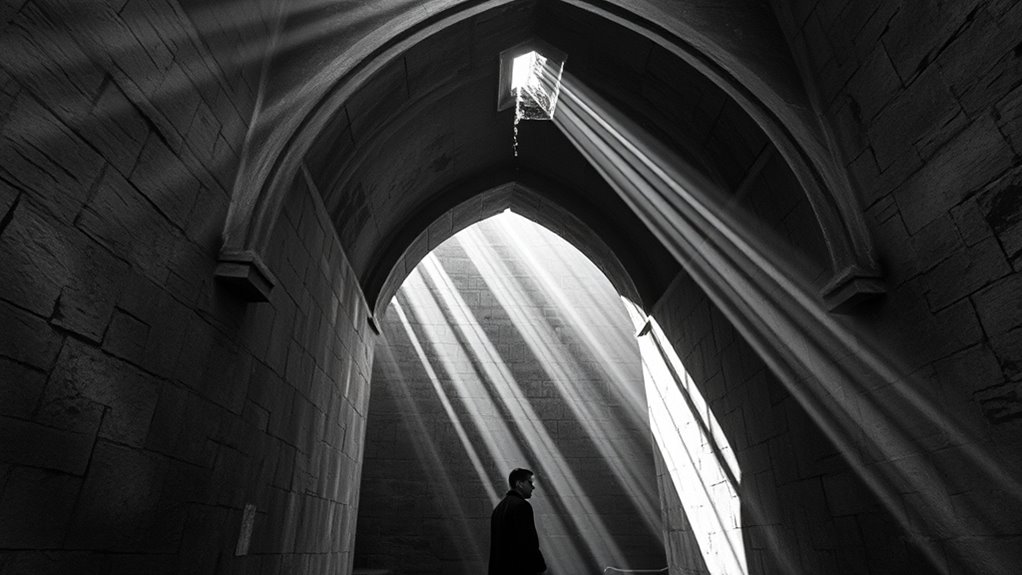
Have you ever noticed how the interplay of light and shadows can instantly change the mood of a photograph? This is where lighting contrast becomes powerful, emphasizing certain elements while hiding others. Deep shadows can add mystery or tension, making a scene feel foreboding or somber. Conversely, gentle shadows or illuminated areas can convey warmth or serenity. Additionally, understanding how lighting contrast influences emotional perception allows photographers to craft images that evoke specific feelings in viewers. Recognizing how visual storytelling techniques can inspire a sense of comfort and familiarity also parallels how lighting can evoke emotional responses in visual storytelling.
Understand Color and Tone Choices

Light and shadows set the emotional tone of a photograph, but color and tone choices deepen that feeling even further.
Color and tone choices enhance and deepen the emotional impact of a photograph.
When you observe the palette harmony, notice how colors work together to evoke specific moods—calm blues or energetic reds. Contrast dynamics also play a vital role; high contrast can create drama and tension, while subtle tonal shifts foster serenity.
Pay attention to how the photographer uses warm versus cool tones to influence your perception, guiding your emotional response. The deliberate selection of colors and tones reveals the artist’s intent and enhances the story behind the image.
Understanding these choices allows you to read beyond the surface, appreciating the nuanced language of color that communicates mood and meaning in the photograph.
Uncover the Photographer’s Perspective and Intent

To truly understand a photograph, you need to contemplate the photographer’s perspective and what they aim to convey. Recognizing their creative intention helps you see beyond the surface, revealing the story or emotion they want to express. Engaging with fan culture can also deepen your appreciation, as it reflects shared meanings and collective interpretations of visual art. Every choice—composition, lighting, subject—serves as a piece of their artistic expression. Ask yourself why they framed the shot a certain way or used specific tones. Are they highlighting beauty, evoking nostalgia, or challenging perceptions?
Explore Cultural and Historical Meanings
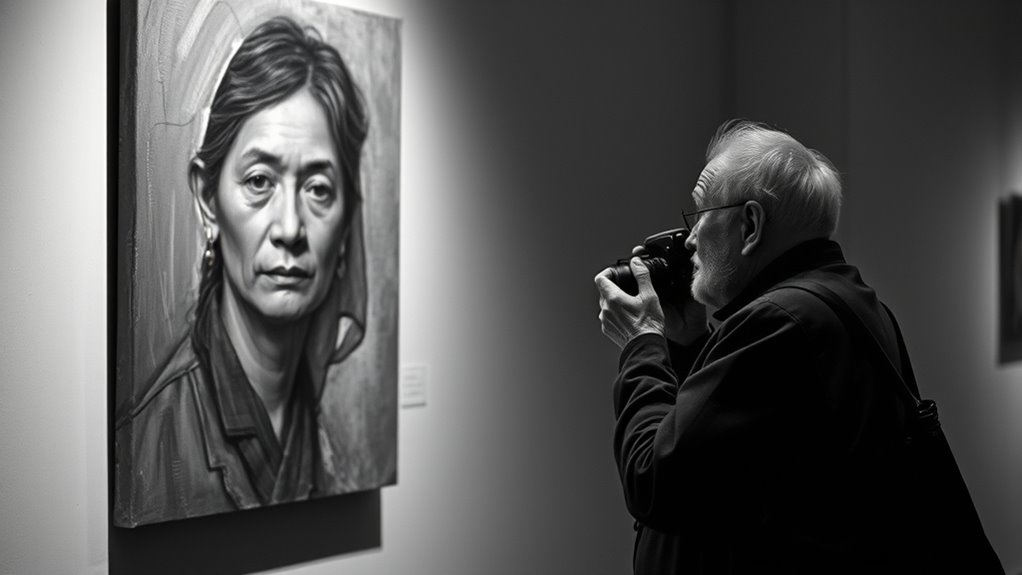
You recognize that a photograph’s cultural and historical context gives it deeper meaning. Symbols and imagery often carry specific significance within certain societies or eras. Understanding the key themes depicted can reveal underlying social values and historical narratives. Additionally, knowing the period-specific design elements can enhance appreciation for the photograph’s stylistic choices and technical characteristics. Recognizing visual symbolism within images further enriches interpretation by connecting visual cues to broader cultural messages. Furthermore, considering Indigenous wellness practices can offer insight into how traditional values influence cultural expression and representation in visual media. Exploring artistic techniques used by photographers can also deepen understanding of their creative intentions and cultural influences.
Contextual Significance Matters
Understanding the cultural and historical contexts behind a photograph enhances its meaning and significance. When you consider the cultural context, you grasp why certain symbols, attire, or settings matter. Historical significance reveals the events or periods that shaped the image’s message. Recognizing these layers helps you see beyond the surface. Here’s a quick look to clarify:
| Cultural Context | Historical Significance |
|---|---|
| Reflects societal values and norms | Connects to specific past events |
| Influences subject portrayal | Shows how times influenced art |
| Reveals cultural identity | Demonstrates historical moments |
Symbolism and Symbols
Symbols in photography carry rich cultural and historical meanings that deepen your understanding of an image. They often utilize metaphorical imagery to convey complex ideas beyond the literal. Recognizing cultural symbols helps you see how an image references shared beliefs, traditions, or historical events. Understanding designer look elements can also enhance your appreciation of visual composition and symbolism in images. For example, a dove might symbolize peace across many cultures, while a broken chain can represent liberation or struggle. These symbols function as visual shorthand, allowing you to interpret layers of meaning quickly. Being aware of symbolic language in visual art can further illuminate the artist’s intent and the context behind the image.
Recognize Emotional and Symbolic Layers

Have you ever noticed how a photograph can evoke feelings beyond its immediate subject? That’s because images often carry emotion symbolism, tapping into universal feelings or personal memories.
When you look closely, you’ll see how the mood set by lighting, color, and composition contributes to a deeper narrative. These emotional layers aren’t always explicit but help convey the artist’s intent or evoke a specific response.
Recognizing these layers involves sensing the underlying tone—whether it’s nostalgia, melancholy, or hope—and understanding how they shape your perception. By paying attention to these emotional and symbolic cues, you move beyond simply observing the image to experiencing its full story, appreciating how the photograph weaves mood and narrative to communicate on a profound level.
Appreciate the Artist’s Personal Voice

To truly appreciate a photograph as a work of art, you need to recognize the artist’s personal voice—how their unique perspective, style, and choices shape the image.
This personal voice reveals their artistic expression, offering insights into what they find meaningful or important. Pay attention to recurring themes, distinctive techniques, or unconventional compositions that reflect their individuality.
By understanding the artist’s personal voice, you move beyond surface-level appreciation and connect with the deeper intent behind the work. It’s about recognizing that each photograph is a reflection of their inner world and worldview.
Appreciating this personal voice helps you see the photograph not just as an image, but as an authentic expression of the artist’s vision and personality.
Learn How Technical Skills Elevate the Image

Mastering technical skills is essential because they serve as the foundation for transforming a good photograph into a compelling work of art. Technical mastery allows you to control elements like exposure, focus, and composition, ensuring your vision translates clearly.
Your equipment choices, from camera settings to lenses, play a pivotal role in this process. By understanding how to manipulate your gear effectively, you can create intentional effects, highlight specific details, or evoke mood.
When you develop these skills, your images become more than just snapshots—they communicate emotion and story with clarity. Ultimately, technical proficiency empowers you to push creative boundaries, elevate your artistry, and truly read photography as an expressive language, not just an image captured.
Frequently Asked Questions
How Can I Tell if a Photo Is Truly Artistic or Just Aesthetic?
You can tell if a photo is truly artistic by looking for its ability to convey visual storytelling and evoke emotional resonance.
An artistic image goes beyond surface beauty; it invites you to explore deeper meanings and feelings. If the photo sparks your imagination or makes you feel something, it’s likely more than just aesthetic—it’s a genuine work of art that communicates on a profound level.
What Are Common Mistakes When Interpreting Photography as Art?
You might mistake a photo’s aesthetic appeal for artistic intent, missing the deeper message. Don’t overlook the importance of visual literacy; it helps you interpret the artist’s intent behind the image.
A common mistake is focusing only on technical skills rather than understanding the context or emotional expression. Remember, true art reveals the artist’s intention, so analyze symbolism, composition, and mood to grasp the full artistic meaning behind the photograph.
How Does Context Influence the Meaning of a Photograph?
You see that context heavily influences a photograph’s meaning by shaping your perception and understanding.
Cultural symbolism plays a key role, guiding you to interpret elements based on shared beliefs and traditions.
Your personal experiences also color how you perceive the image, making context essential in revealing deeper messages or emotions that might otherwise go unnoticed.
Without context, you might miss the full story the photographer intends to tell.
Can an Amateur Photographer’s Work Be Considered Fine Art?
Yes, an amateur photographer’s work can be considered fine art. Your amateur creativity showcases authentic expression, which can earn artistic recognition regardless of experience.
The key lies in the intention, originality, and emotional impact of your images. If your work evokes thought or feeling, it transcends technical skill, qualifying it as fine art.
Keep experimenting and sharing your vision—your passion is what truly defines your art’s value.
How Do Different Art Movements Influence Photographic Styles?
You see that different art movements shape photographic styles by inspiring techniques like surrealist expressions and impressionist techniques. Surrealist ideas encourage you to explore dream-like, unexpected visuals.
While impressionist influences push you toward capturing fleeting moments with loose brushstrokes and vibrant light. By understanding these movements, you can interpret photos more deeply, recognizing how artists translate their artistic philosophies into photographic forms, enriching your appreciation of photography as a true art.
Conclusion
By examining the story, composition, light, color, and context, you uncover photography’s deeper meaning. Pay attention to the emotional layers and the artist’s perspective to truly appreciate the work as art. Recognizing these elements transforms your viewing experience from simply noticing an image to understanding its message and significance. With practice, you’ll develop a richer, more nuanced appreciation for photography as a powerful form of artistic expression.