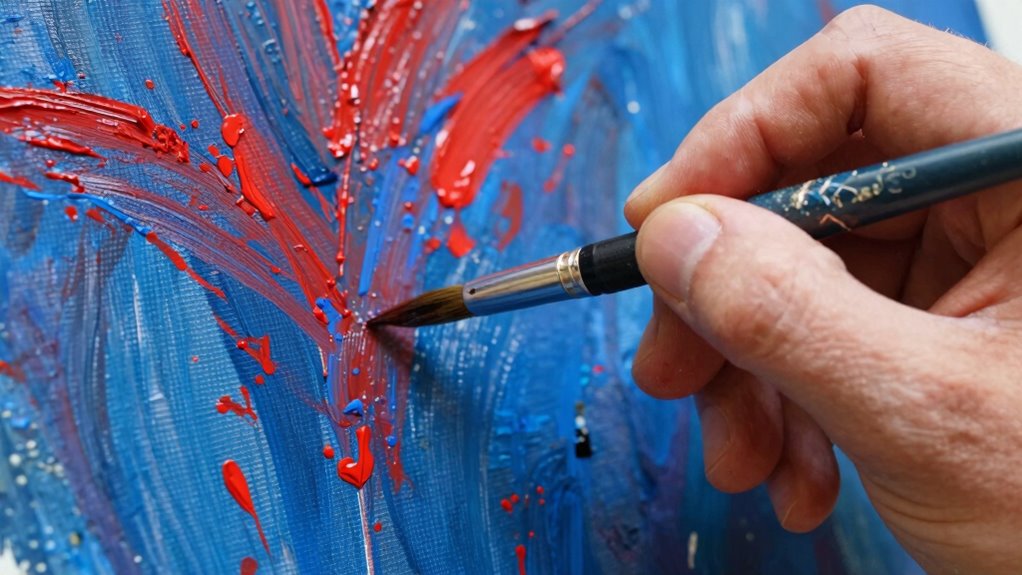

To see an artist’s hand through brushwork, focus on the strokes’ direction, pressure, and texture. Bold, sweeping lines often reveal confidence and energy, while delicate, layered touches suggest sensitivity. Notice how texture and layering reflect the artist’s technique and emotional intensity. Recognizing unique patterns, movement, and style helps uncover their personal signature. Keep exploring these clues, and you’ll uncover deeper understanding of an artist’s true expression and intent.
Key Takeaways
- Analyze stroke quality, direction, and pressure to identify individual techniques and emotional expressions.
- Observe texture and layering to understand the artist’s process and stylistic nuances.
- Compare recurring brushwork patterns across multiple works for consistent signatures.
- Notice line edges—sharp or soft—to reveal mood, confidence, and technical skill.
- Consider cultural and historical context to interpret stylistic choices and artistic intent.
What Does Brushwork Reveal About an Artist?
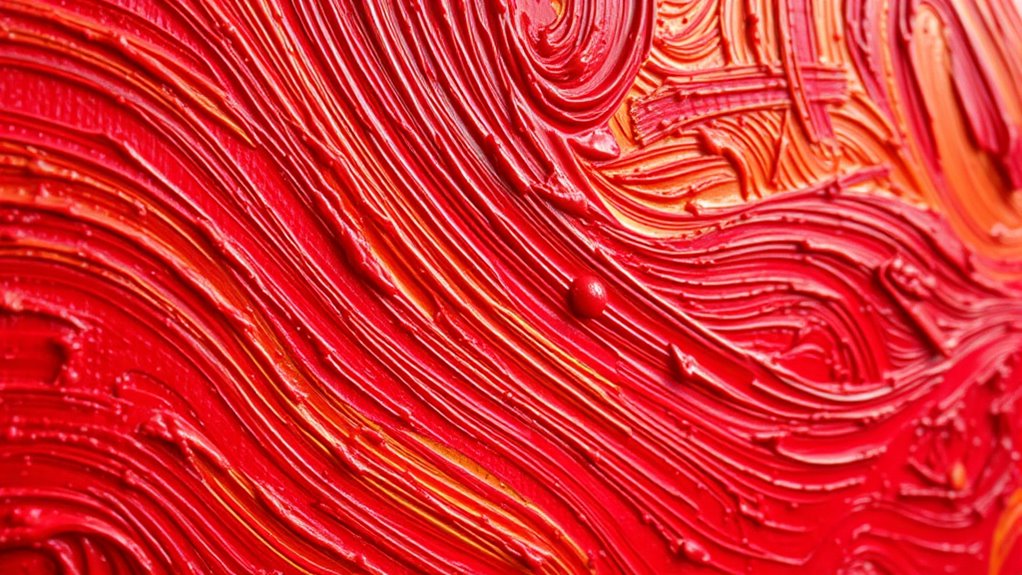
Ever wonder what your brushstrokes say about you as an artist? Your brushwork symbolism acts as a visual language, revealing your emotional state, intentions, and style. Bold, confident strokes suggest assertiveness, while delicate, textured lines hint at sensitivity. Incorporating visual cues into your practice can help you analyze and refine your technique through real-time feedback. Every stroke is a part of your artist signature—your unique mark that distinguishes your work from others. Skilled artists embed subtle nuances into their brushwork, communicating complex ideas beyond words. The way you apply paint—whether swift and loose or meticulous and controlled—serves as a silent conversation with viewers. By understanding what your brushwork conveys, you can better interpret your artistic identity and deepen your connection with your audience. Recognizing the emotional expression conveyed through brushwork enhances your ability to communicate effectively. Your brushstrokes are more than technique—they’re a reflection of your inner voice. Paying attention to technical mastery can further elevate your expressive potential and authenticity as an artist. Developing an awareness of artistic symbolism can also open new avenues for creative exploration and self-discovery.
How Do Different Brushstroke Techniques Convey Meaning?
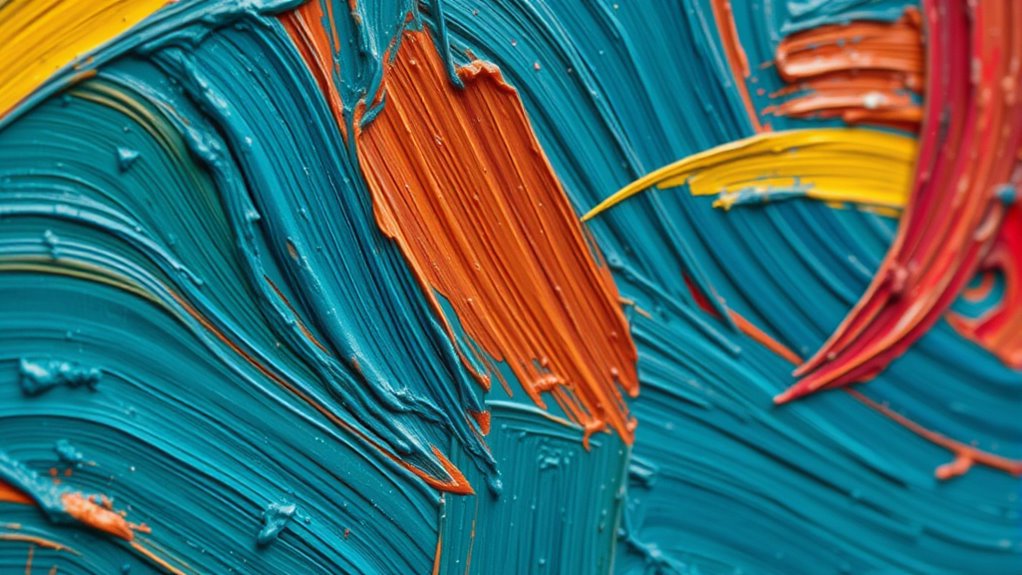
Different brushstroke techniques communicate distinct emotional and conceptual messages, shaping how you interpret your artwork. Bold, sweeping strokes can evoke energy and confidence, while delicate, layered lines suggest subtlety and tenderness. Free floating techniques can also create a sense of spontaneity and movement, further enhancing the expressive quality of your work. Incorporating water-based paints can influence the fluidity and transparency of your strokes, adding another layer of meaning. Color symbolism plays a crucial role; vibrant, warm hues often convey passion or joy, whereas cool, muted tones evoke calm or melancholy. As your technique evolves, you learn to use brushwork intentionally—quick, loose strokes might express spontaneity, while controlled, precise lines communicate stability. The way you apply paint influences viewers’ perceptions, revealing your mood and intent without words. Developing your technique over time allows for greater nuance and depth, enabling viewers to connect more profoundly with your artistic message. Understanding these techniques helps you craft meaning through your brushwork, allowing your artistic voice to resonate clearly and authentically. Your evolving skill guides viewers to see beyond the surface, into the emotions and ideas behind your work. Recognizing the importance of brushwork techniques can deepen your artistic expression and enhance viewer engagement, especially when considering the impact of paint application on overall perception.
How Can You Spot Sharp Versus Soft Line Quality?

To identify sharp versus soft line quality in artwork, pay close attention to the edges and shifts within the lines. Sharp lines usually have clear, defined edges with minimal color contrast, created by a smaller brush size. These lines often suggest precision or emphasis and can make certain elements stand out. Soft lines, on the other hand, feature blurred or feathered edges, with gradual gradations achieved through larger brush sizes and subtle color contrast. These lines create a sense of movement or delicacy, making parts of the composition feel more integrated or atmospheric. Additionally, understanding how visual perception influences our interpretation of line qualities can deepen your appreciation of an artist’s technique. Recognizing the techniques used by artists can also help you see how different styles evoke various emotional responses. Being aware of these artistic principles can further enhance your ability to interpret and appreciate artwork, especially when considering how line quality contributes to the overall mood and message. Exploring artistic techniques can also reveal how artists manipulate line to convey texture and depth, enriching your understanding of their mastery.
What Does Texture and Layering Tell Us About a Painting?
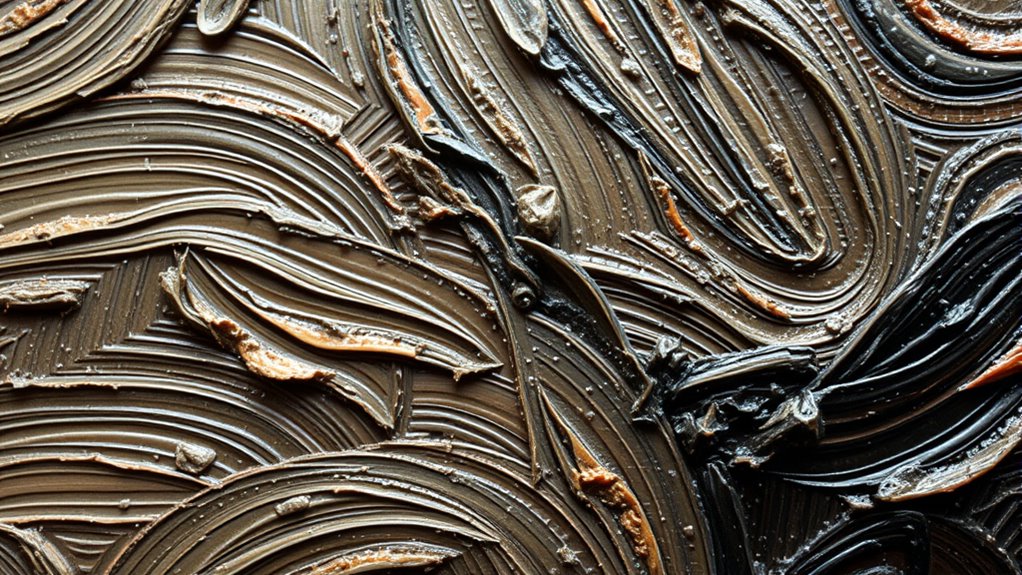
Texture and layering in a painting reveal the artist’s techniques and intentions, adding depth and richness to the work. When you observe thick, impasto strokes or subtle build-ups, you’re seeing brushwork symbolism—clues to the artist’s emotional state or emphasis. Incorporating cultural context can further deepen your understanding of these techniques and their significance. Texture interpretation helps you understand how the artist manipulated paint to create tactile effects, making the scene more vivid or expressive. Layering can indicate the artist’s process, showing how they built up the image or responded to changes during creation. Notice areas where paint is thin or thick; these choices often carry meaning, guiding your understanding of the painting’s message. Additionally, understanding the Gold IRA markets can help you appreciate how artists might invest in quality materials for durability and authenticity in their work. Recognizing artistic techniques can also help you interpret the artist’s intent more accurately. Exploring art conservation practices can further illuminate how layers and textures are preserved or restored over time. Engaging with these elements can also reveal the artist’s ethical considerations, providing a deeper insight into their creative choices. By observing texture and layering carefully, you get closer to the artist’s original intent and the emotional core behind the work.
How Does Brushwork Convey Movement and Emotion?
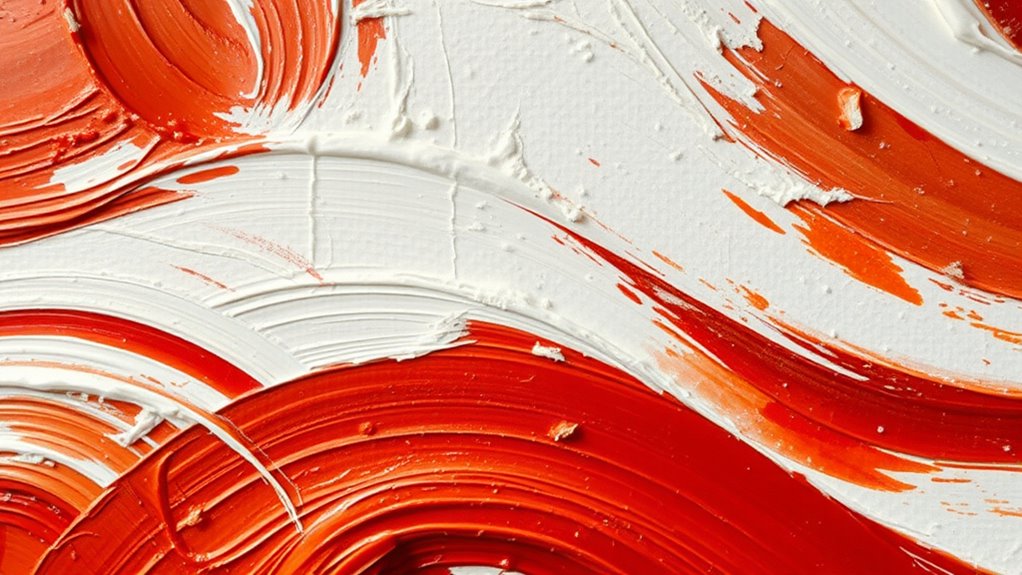
Have you ever noticed how some brushstrokes seem to pulse with energy or ripple across a canvas? That’s the power of expressive brushstrokes, which reveal the artist’s emotional intent. These bold, fluid strokes create a sense of dynamic motion, making the scene feel alive. The artist’s hand plays a crucial role in conveying authenticity and depth within the artwork. By varying the speed, pressure, and direction, artists convey feelings like excitement, tension, or serenity. The energetic quality of the brushwork guides your eye, immersing you in the scene’s mood. It’s not just about depicting a subject but expressing a visceral response. Through these techniques, the artist’s hand transmits emotion directly, allowing you to feel the movement and intensity behind each stroke. This is how brushwork captures both movement and emotion in a single, powerful gesture, showcasing the importance of expressive brushwork in conveying authenticity. Additionally, understanding visual language helps viewers interpret the underlying message conveyed through these energetic strokes. Recognizing the influence of cultural narratives can deepen appreciation for the artist’s intent and the story behind the artwork. Furthermore, an awareness of interior design basics can enhance one’s ability to analyze artistic spaces and their emotional impact.
Can You Identify Artists by Their Unique Brush Patterns?
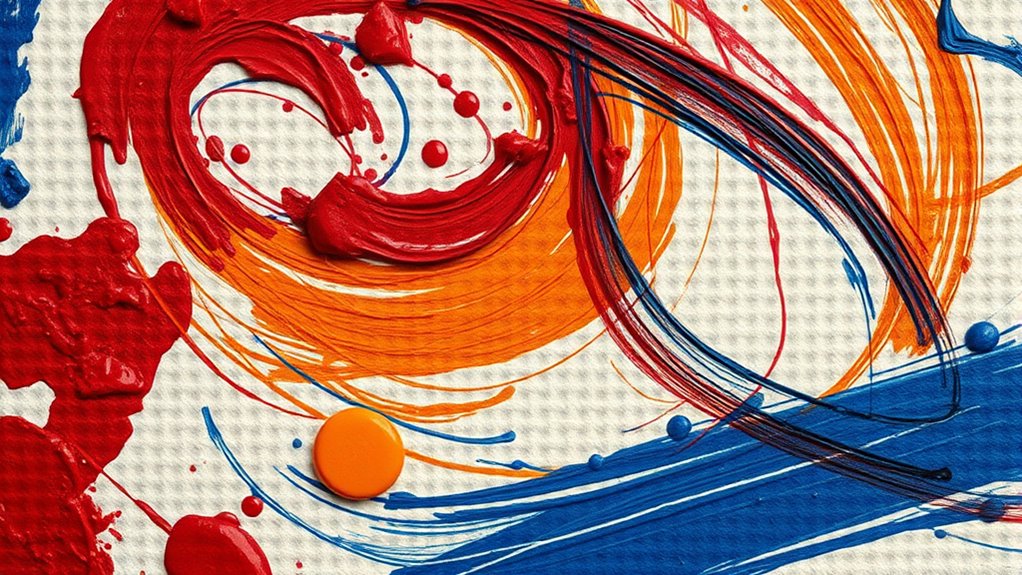
Ever notice how certain artists’ brush patterns seem instantly recognizable, almost like their personal signature? That’s the power of signature styles, which set their work apart. Through brushstroke analysis, you can learn to identify these unique patterns. Comparing techniques reveals how different artists approach their work, helping you distinguish individual styles more easily. Some artists favor bold, sweeping strokes, while others use delicate, precise touches. The direction, pressure, and texture of each stroke reveal their technique and personality. By paying close attention, you can distinguish one artist’s hand from another, even across different works. Recognizing these patterns isn’t just a game; it enhances your understanding of the artist’s intent and process. With practice, you’ll develop an eye for these subtle clues, revealing a new level of appreciation for the artistry behind each piece.
How Do Historical and Modern Brushwork Styles Compare?
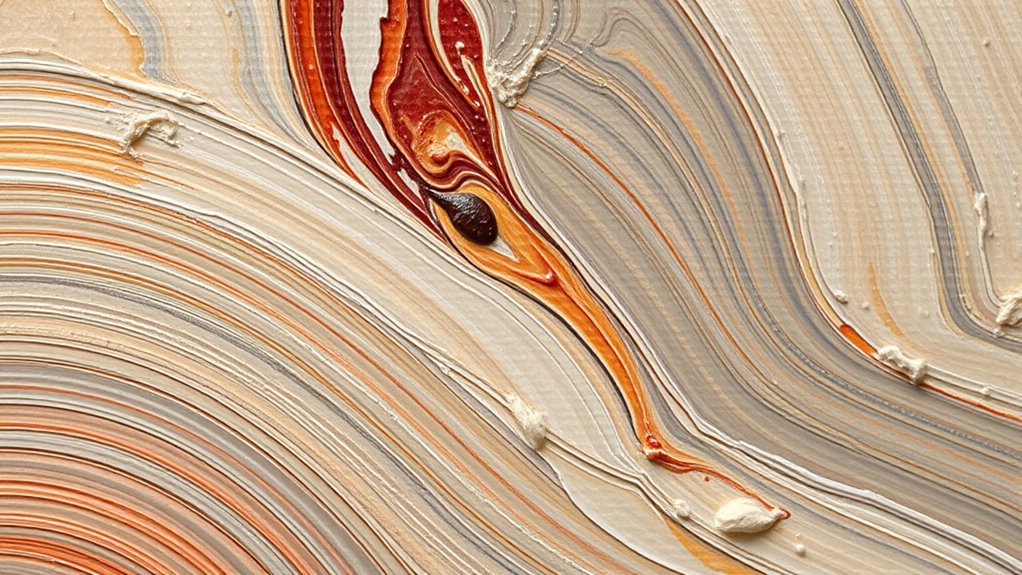
Historical and modern brushwork styles reflect different artistic priorities and cultural contexts, yet both reveal much about an artist’s intent. Historical techniques often emphasize precision, layering, and a disciplined approach, capturing realism and tradition. These methods reveal a focus on craftsmanship and storytelling.
Historical and modern brushwork reveal diverse artistic priorities and cultural influences, reflecting craftsmanship, tradition, and expressive innovation.
In contrast, modern interpretations tend to experiment with spontaneity, abstraction, and expressive gestures, often breaking traditional rules. Modern artists may embrace loose, gestural strokes to evoke emotion or movement.
Despite these differences, both styles serve as visual clues to an artist’s mindset and the era they represent. Comparing them shows how brushwork evolves, balancing technique with personal expression.
Understanding these distinctions helps you see beyond surface appearances and appreciate the cultural and historical layers embedded in every stroke.
What Are Simple Tips for Reading and Interpreting Brushwork?
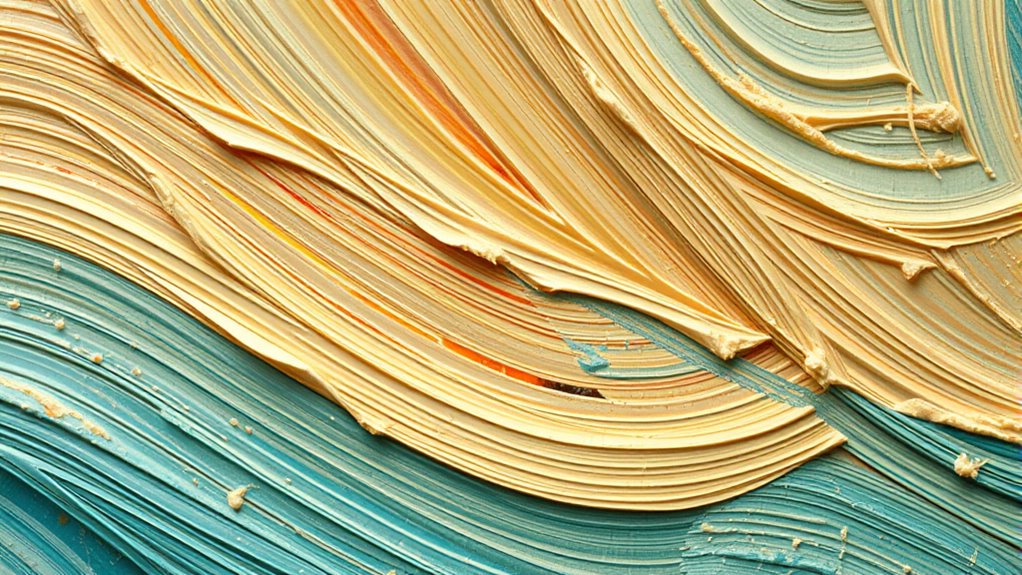
How can you effectively read and interpret brushwork in a painting? Start by observing the overall texture and flow of the brushstrokes. Use color analysis to see how the artist layers or blends colors, revealing their emotional intent or technique. Look for compositional cues—such as directional strokes guiding your eye through the artwork or areas where brushwork is more aggressive versus delicate.
Notice how thicker, more impulsive strokes may suggest spontaneity or emphasis, while smooth, controlled strokes indicate precision. Pay attention to the rhythm and variation in brushwork, as these details often express the artist’s hand and mood. Combining these observations helps you uncover the artist’s intentions and gain a deeper appreciation of their style and message.
How Can You Develop a Keen Eye for Artistic Fingerprints?
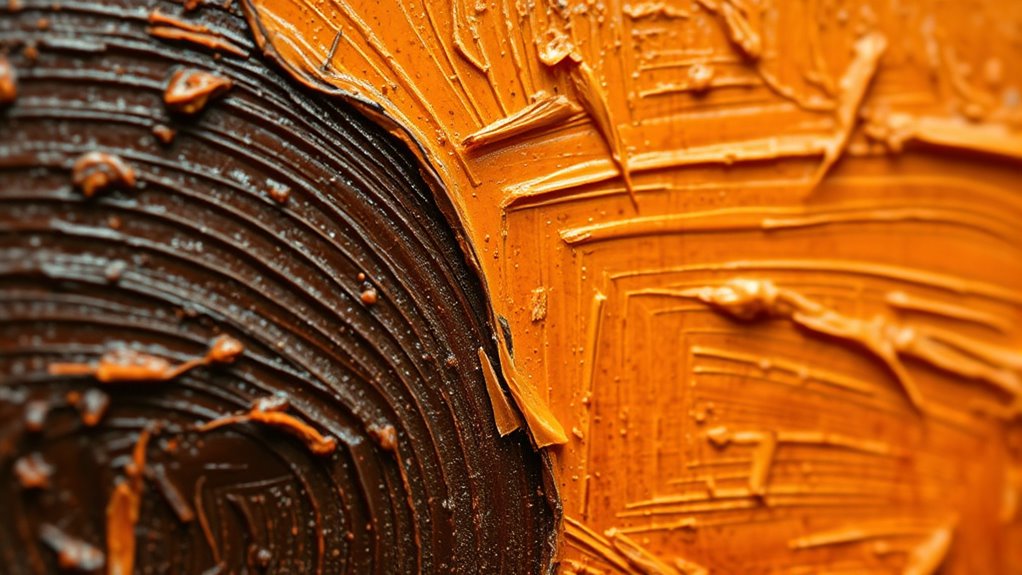
Building a keen eye for artistic fingerprints involves paying close attention to the subtle details that reveal an artist’s unique style. Focus on their signature styles, such as brushstroke patterns, color choices, and compositional tendencies.
Practice technical analysis by comparing works from different periods or artists to identify consistent traits. Notice how they handle light, shadow, and texture—these clues uncover their individual approach.
Observe the layering techniques and stroke directions that set their work apart. Developing this skill requires patience and deliberate practice, slowly training your eye to recognize these distinctive markers.
Over time, you’ll become more adept at spotting the artist’s hand in a piece, deepening your appreciation and understanding of their artistic fingerprint.
Frequently Asked Questions
How Does Brushwork Influence the Overall Mood of a Painting?
Your brushwork directly shapes the emotional tone of a painting, conveying energy, calmness, or tension. Bold, expressive strokes create a dynamic, lively mood, while smooth, delicate lines evoke serenity or introspection.
The visual texture added by brushwork influences how viewers feel, making the scene more visceral and engaging. By observing the artist’s technique, you can sense the mood they intended, connecting emotionally through the textured, expressive qualities of their brushwork.
Can Digital Reproductions Accurately Reflect an Artist’s Brushwork?
Digital reproductions can’t perfectly reflect an artist’s brushwork because of digital fidelity and reproduction limitations. You might see the colors and textures, but the subtle strokes, thickness, and energy of real brushwork often get lost or flattened.
These limitations mean you miss some of the artist’s true intent and hand. To truly appreciate their technique, viewing the original painting remains essential, as digital images can’t fully capture the tactile essence.
What Role Does Brushwork Play in Contemporary Abstract Art?
In contemporary abstract art, your brushwork creates texture, depth, and energy, making each piece unique.
Expressive strokes convey emotion and spontaneity, inviting viewers to feel the artist’s intent.
You can see how the artist’s hand influences the work through these visible marks, revealing their personality and mood.
Brushwork becomes an essential element, transforming simple colors into a dynamic, tactile experience that captures the essence of abstract expression.
How Do Conservationists Analyze Brushwork in Damaged Artworks?
You analyze damaged artworks by applying conservation techniques and microanalysis methods. First, you carefully examine the brushwork to identify original strokes and areas of deterioration.
Using microanalysis tools like microscopy or spectroscopy, you study tiny paint particles and fibers, revealing the artist’s techniques and materials. This detailed approach helps you understand the artwork’s history, guide restoration efforts, and preserve its authenticity for future generations.
Are There Cultural Differences in Brushwork Styles Across Regions?
Yes, you’ll notice cultural differences in brushwork styles across regions. Regional techniques often reflect local traditions and materials, shaping how artists express themselves.
Cultural symbolism influences brushwork, as certain strokes or textures embody specific meanings or values unique to each culture. By observing these variations, you can better understand an artist’s background and the cultural context behind their work, revealing deeper insights into their creative choices.
Conclusion
By paying close attention to brushwork, you unveil the artist’s true voice behind the canvas. Notice the texture, line quality, and layering to understand their intentions and emotions. With practice, you’ll start recognizing individual styles and historical techniques. Keep observing, comparing, and experimenting—your eye will become sharper. Ultimately, seeing an artist’s hand reveals more than just the image; it exposes their personality, mood, and mastery in every stroke.