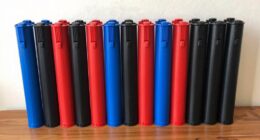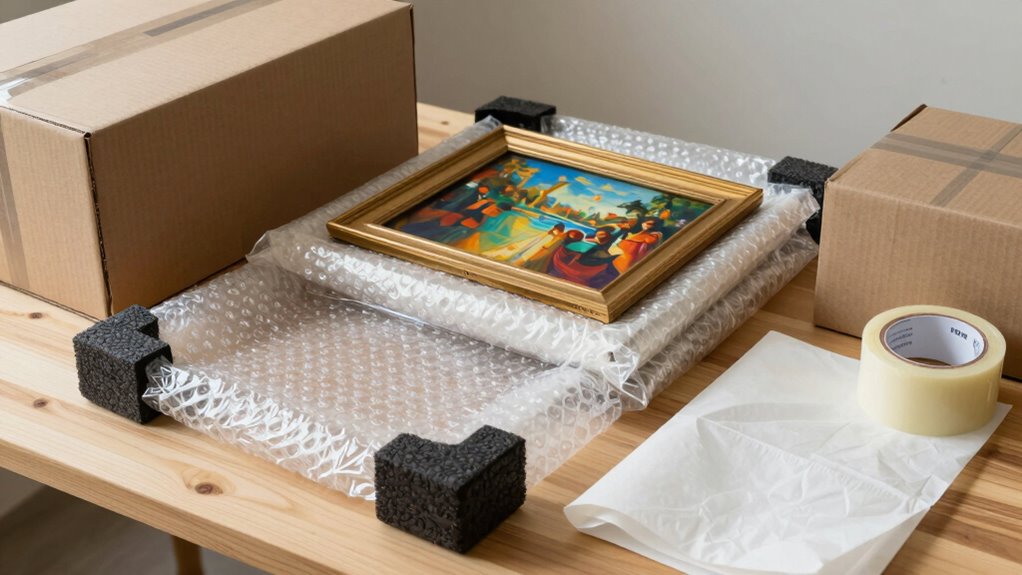

When shipping artwork, using the right materials is essential to protect your pieces from damage, environmental changes, and transit hazards. Proper cushioning like bubble wrap and foam absorbs shocks, while sturdy boxes or crates prevent crushing. Climate control measures, such as insulated packaging, help maintain stable temperature and humidity levels. Environmental safeguards, including archival-quality wraps, prevent deterioration. Knowing which materials to use guarantees your art arrives in perfect condition—keep exploring to discover more ways to safeguard your valuable pieces.

Prime made for students and young adults
- Fast, free delivery for dorm and study essentials
- Prime Video and Amazon Music included
- Member-only deals
Key Takeaways
- Proper wrapping materials like bubble wrap and acid-free tissue prevent scratches, dents, and chemical reactions during transit.
- Sturdy containers such as custom boxes or crates safeguard artwork from crushing, bending, and impact damage.
- Climate control measures maintain stable temperature and humidity, preventing warping, cracking, and paint deterioration.
- Environmental safeguards, including archival materials and moisture barriers, protect artwork from degradation and environmental damage.
- Using the right packaging techniques and materials ensures secure transit, reducing the risk of damage and preserving artwork integrity.
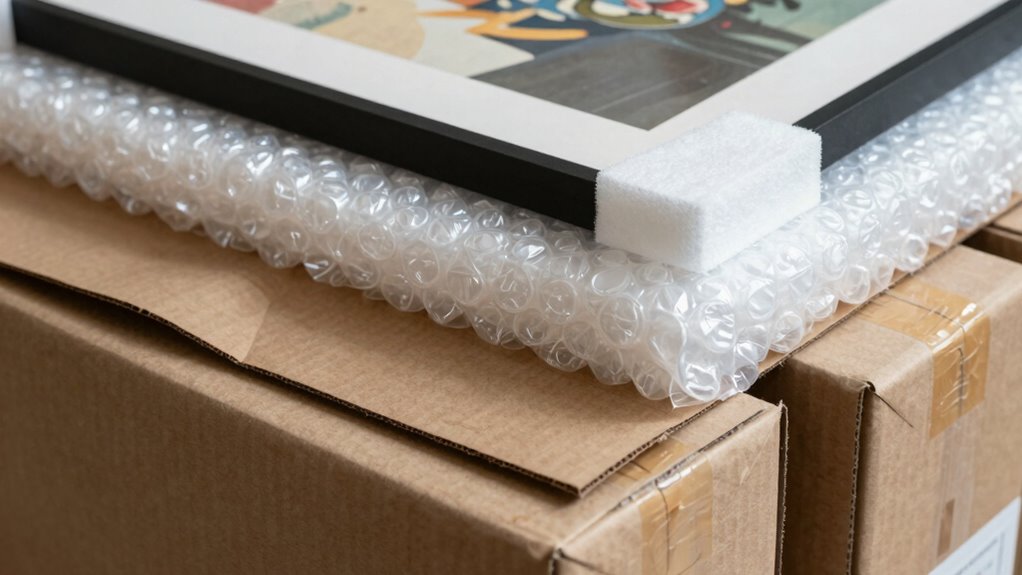
When shipping artwork, the right materials can make all the difference in ensuring your pieces arrive safely and intact. Using effective protective wrapping is essential because it shields your art from potential damage during transit. Bubble wrap, foam wraps, and corner protectors are common choices that provide cushioning and absorb shocks, preventing scratches, dents, and fractures. Carefully wrapping your artwork ensures that even if it’s jostled or dropped, its surface and structure stay secure. Additionally, sturdy boxes or crates designed specifically for art shipping give your pieces a solid foundation, reducing the risk of crushing or bending.
Climate control is another critical aspect of art shipping. Fluctuations in temperature and humidity can cause significant damage, such as warping, cracking, or paint deterioration. When selecting shipping materials, consider insulated packaging or climate-controlled containers that maintain a stable environment for your artwork. Some materials, like specialized foam or thermal wraps, help regulate temperature and humidity levels, protecting sensitive pieces from environmental stressors. If you’re shipping valuable or delicate artwork, opting for a courier that offers climate-controlled transport can be a wise investment. This extra layer of protection is especially important for pieces with organic materials, textiles, or paint mediums that respond poorly to temperature swings.
Proper protective wrapping isn’t just about cushioning; it also involves safeguarding against environmental factors. Wrapping your artwork with acid-free tissue paper or archival-quality materials prevents chemical reactions that could discolor or degrade the piece over time. Applying a layer of protective film or plastic wrap can add an extra barrier against moisture or dirt, especially during long journeys. Combining protective wrapping with climate control measures ensures your artwork is shielded from both physical shocks and environmental damage, giving you peace of mind that it will arrive in pristine condition.
Moreover, understanding the importance of proper packaging techniques can help you avoid common shipping pitfalls that might otherwise damage your art. In essence, the right art shipping materials are an investment in your artwork’s future. They act as a shield, absorbing impacts and defending against environmental fluctuations that can compromise your piece’s integrity. Using protective wrapping techniques that include cushioning and environmental safeguards is key to preserving art during transit. Additionally, choosing the right shipping containers can further enhance protection, especially for larger or unusually shaped pieces. By prioritizing protective wrapping and climate control, you significantly increase the chances of a successful, damage-free delivery. Whether you’re sending a valuable painting, sculpture, or fragile print, choosing appropriate materials demonstrates your commitment to preserving the integrity of your art from the moment it leaves your hands until it reaches its destination.
As an affiliate, we earn on qualifying purchases.
Frequently Asked Questions
How Do I Choose the Right Shipping Materials for Different Art Types?
You choose the right shipping materials by considering the art type and ensuring frame protection, like sturdy cardboard or foam corners for paintings, or bubble wrap for delicate sculptures. You should also prioritize label accuracy, clearly marking fragile or handle-with-care notes. For different art forms, adjust your materials to prevent damage, ensuring everything is well-cushioned and securely packed, so your artwork arrives intact and ready for display.
Are Eco-Friendly Shipping Options Available for Transporting Art?
Yes, eco-friendly alternatives are available for transporting art. Think of sustainable packaging as your modern-day shield, protecting your masterpiece and the environment. You can choose materials like recycled cardboard, biodegradable packing peanuts, and compostable tape. These sustainable packaging options reduce waste and carbon footprint, making your shipping process greener. By selecting eco-friendly options, you demonstrate your commitment to both art preservation and environmental responsibility.
What Are the Cost Differences Between Various Art Shipping Materials?
The cost of art packaging varies based on materials and size, with basic bubble wrap being affordable, while specialized crates or foam inserts increase costs. Insurance options also influence your total expenses, as higher coverage adds to the shipping fee. You’ll find that eco-friendly art packaging can sometimes be pricier but offers sustainability benefits. Comparing these costs helps you balance protection and budget, ensuring your artwork arrives safely without overspending.
How Can I Prevent Damage During Long-Distance Art Shipments?
To prevent damage during long-distance art shipments, you should focus on secure packaging and handling tips. Wrap your artwork carefully with protective materials like bubble wrap and acid-free paper. Use sturdy boxes and fill empty spaces with cushioning to prevent movement. Label packages clearly as fragile, and handle with care during transit. These steps guarantee your art stays safe and intact, even over long distances.
Can I Reuse Art Shipping Materials for Multiple Shipments?
You can reuse art shipping materials, but only if they’re designed for shipping durability. Imagine sturdy, reusable packaging like a reliable armor wrapping your artwork, protecting it through multiple journeys. Carefully inspect these materials for wear, tears, or compromised integrity before reuse. When in good condition, they offer eco-friendly, cost-effective solutions, ensuring your art remains secure while reducing waste. Just be cautious, and prioritize shipping durability every time.
archival quality art wrapping materials
As an affiliate, we earn on qualifying purchases.
As an affiliate, we earn on qualifying purchases.
Conclusion
Using the right art shipping materials isn’t just a good idea—it’s vital. Did you know that improper packing causes over 30% of artwork damages during transit? That statistic highlights how essential quality materials are to protect your precious pieces. When you prioritize proper packaging, you’re not just safeguarding your art—you’re preserving its value and beauty for years to come. So, invest in the right materials and ship with confidence, knowing your artwork is truly protected.
climate controlled art shipping containers
As an affiliate, we earn on qualifying purchases.
As an affiliate, we earn on qualifying purchases.
As an affiliate, we earn on qualifying purchases.
Fall Picks
fall essentials
As an affiliate, we earn on qualifying purchases.