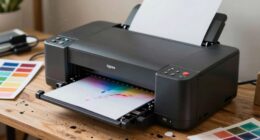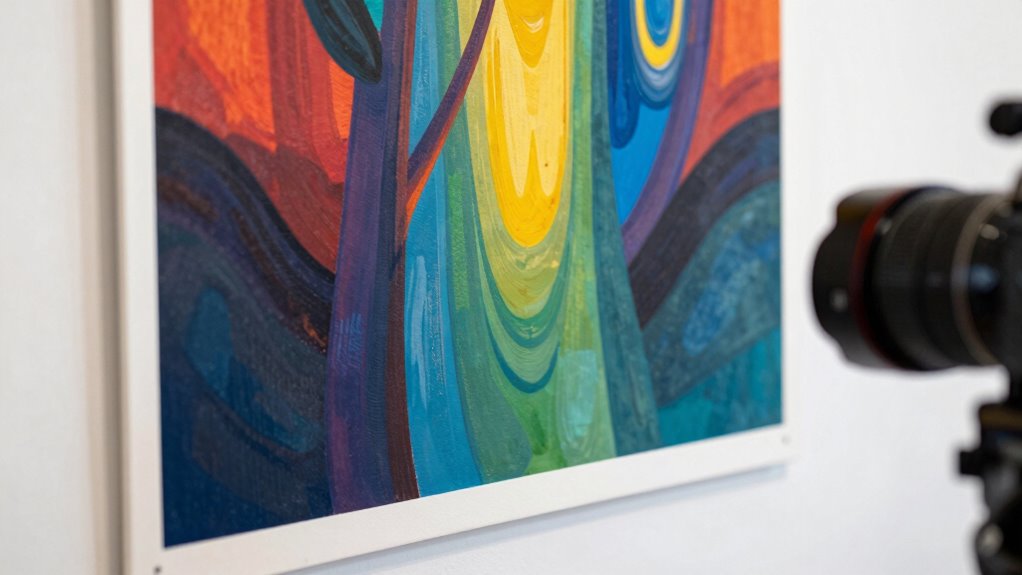

Giclee is a high-quality printing process originally developed for fine art reproductions. It involves using advanced inkjet printers with archival inks on premium materials like canvas or watercolor paper, ensuring vibrant color and long-lasting durability. Sadly, many people misuse the term to describe generic inkjet copies. If you explore further, you’ll discover how genuine giclee differs from standard prints and why it’s favored for authentic art preservation.
Key Takeaways
- Giclee is a high-quality inkjet printmaking technique, not just a copy or digital reproduction.
- It involves using sophisticated printers, archival inks, and durable materials for longevity.
- The term is often misused to describe any digital print, but authentic giclee requires specific technology and materials.
- Properly produced giclee artworks are vibrant, detailed, and resistant to fading over time when handled correctly.
- Buyers should verify printing processes, materials, and authenticity to distinguish genuine giclee from inferior reproductions.
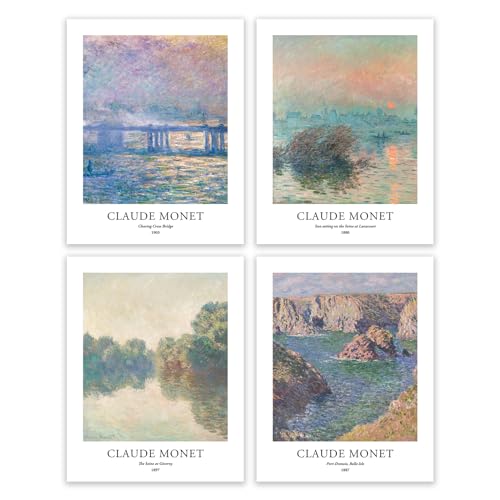
EVOLE HOME Claude Monet Giclée Art Print Set – 4 Unframed 11×14 Inch Impressions on Premium Matte Art Paper Artwork for Living Room Bedroom Dining Room Decor
Premium Monet Collection: This art print set contains 4 Claude Monet art posters. The unframed 11×14-inch prints fit…
As an affiliate, we earn on qualifying purchases.
As an affiliate, we earn on qualifying purchases.
The Origins and Definition of Giclee

Have you ever wondered where the term “giclee” comes from and what it really means? The word originates from the French term “gicler,” meaning “to spray” or “squirt,” reflecting its roots in artistic techniques involving inkjet technology. Giclee printing has a place in printmaking history as a modern evolution of traditional methods, offering high-quality reproductions of artwork. Unlike older printmaking techniques that relied on physical presses, giclee uses sophisticated inkjet printers to produce detailed, vibrant images. This process allows artists and collectors to create and preserve fine art with exceptional color accuracy and longevity. Additionally, the precision of inkjet technology enables the production of large-format prints with consistent quality, making giclee a preferred choice for both artists and collectors. The durability and archival quality of giclee prints further enhance their value and appeal in the art world. In fact, advancements in archival inks have significantly contributed to the longevity of giclee prints, ensuring they withstand the test of time. Moreover, the energy efficiency of modern printing equipment helps reduce environmental impact during production. The cost-effectiveness of giclee printing also makes it accessible for limited editions and small-scale reproductions. Understanding the origins and definition of giclee helps you appreciate its significance in both contemporary art reproduction and the broader printmaking tradition.

PPD Printable Fabric Sheets, Canvas Paper for Inkjet Printer, 8.5×11" Photo Fabric Printer Sheets, Print on 100% Real Cotton, Matte Finish, No Watermark, 340 gsm 125 lbs (10 Sheets)
Premium Quality: Our printable canvas paper is crafted from 100% real cotton, providing a substantial 340 gsm or…
As an affiliate, we earn on qualifying purchases.
As an affiliate, we earn on qualifying purchases.
How Giclee Printing Differs From Traditional Methods
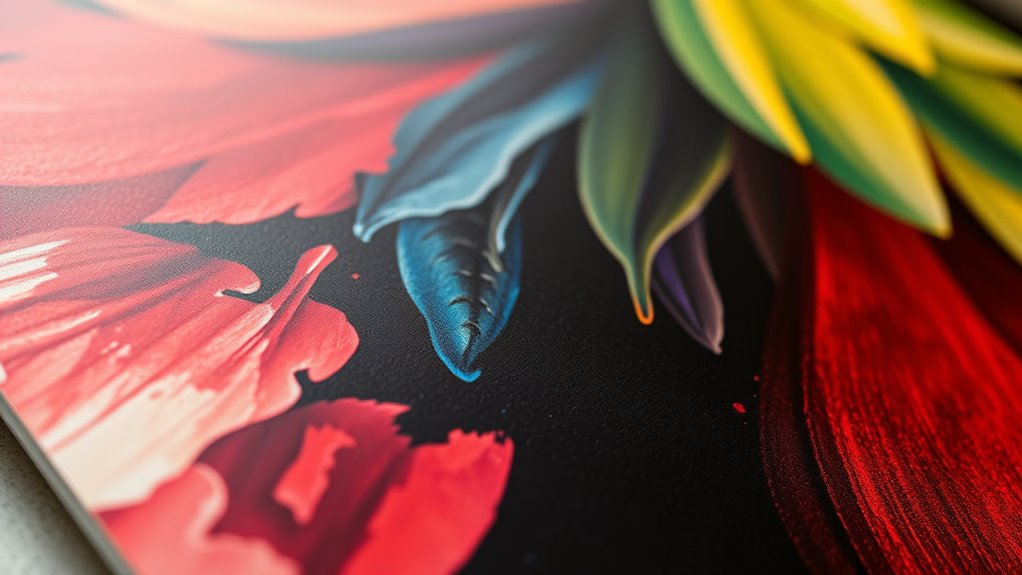
Unlike traditional printmaking techniques that rely on physical presses, giclee printing uses advanced inkjet technology to produce highly detailed and vibrant images. This method allows you to achieve superior color accuracy, capturing even subtle shades and gradients with precision. Unlike screen printing or lithography, giclee offers the flexibility to reproduce complex artwork without sacrificing quality. The canvas texture plays a significant role, as giclee printers can print directly onto textured surfaces, enhancing the artwork’s depth and realism. You’ll notice that giclee prints maintain consistent quality, with smooth color gradations and sharp details that traditional methods often struggle to match. Additionally, giclee printing can incorporate archival inks, which helps preserve the artwork’s vibrancy over time and prevents fading. The use of high-quality materials further ensures durability and longevity of the prints. Modern printing techniques like giclee also benefit from advanced technology, ensuring precise control over color and detail throughout the printing process. This method also benefits from specialized printing equipment, which is essential for achieving such high standards of reproduction. Overall, giclee provides a modern, versatile alternative that elevates the visual impact of your images.

Best Photo Printing Service – Premium Quality Professional Custom Photo Prints in Sizes 3.5×5, 5×7, 6×4, 8×10, 11×14, 11×17, 13×19 inches on Glossy or Matte Paper (1, Glossy, 11×14)
High-resolution prints: Advanced technology ensures vibrant, detailed photo prints.
As an affiliate, we earn on qualifying purchases.
As an affiliate, we earn on qualifying purchases.
The Technology Behind Giclee: Inkjet Printers and More
The core of giclee printing technology revolves around high-precision inkjet printers that can produce stunningly detailed images. These printers are designed for exceptional print resolution, allowing you to achieve sharp, crisp details and smooth color gradations. To guarantee your artwork looks true to life, they prioritize color accuracy, reproducing hues precisely as intended. Advanced inkjet technology uses multiple color channels and fine droplets to create vibrant, nuanced images with subtle tonal transitions. This combination of high resolution and meticulous color reproduction makes giclee prints stand out for their clarity and realism. As a result, you can trust that each print captures the artist’s vision with remarkable fidelity, making these printers ideal for high-quality art reproductions, photography, and fine art printing.

MINI ZOZI Famous Art Prints And Posters 16PCS Paintings Fine Art Impressionist Renaissance Aesthetic Romanticism Big Poster Wall Painting Classroom Room Decor Classical America Artist Artwork Pack
Our Classic Famous Art Prints And Poster Packs Are Ideal For Decorations Of Home, Bedroom, Living Room, Dining…
As an affiliate, we earn on qualifying purchases.
As an affiliate, we earn on qualifying purchases.
Materials Used in Giclee Reproductions
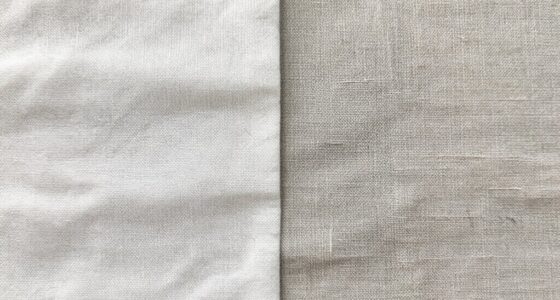
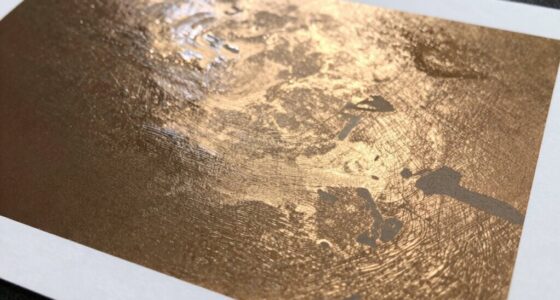
Materials play an essential role in ensuring your giclee reproductions are vibrant, durable, and true to the original artwork. The choice of canvas textures influences the final appearance, with options ranging from smooth to heavily textured surfaces that add depth and character. Similarly, paper types vary from fine art papers with a matte or glossy finish to specialized cotton or watercolor papers, each affecting color richness and longevity. High-quality materials prevent fading and damage over time, preserving your artwork’s integrity. Selecting the right canvas or paper depends on your desired aesthetic and display environment. Whether you prefer the tactile feel of textured canvas or the crisp detail of premium paper, the materials you choose directly impact the quality and longevity of your giclee print. Understanding material quality is crucial to achieving the best results in your reproductions, especially considering the material’s impact on durability over time.
Common Misconceptions About Giclee Artworks
Many people confuse giclee prints with standard inkjet copies, assuming they’re the same. There are also myths about giclee artworks being fragile or low quality, which isn’t true when created properly. Be cautious of marketing claims that oversell durability or value without backing it up. Additionally, understanding the holistic health practices involved in creating authentic giclee artworks can help distinguish genuine pieces from mass-produced imitations. Recognizing the printing process used in producing giclee prints can further clarify their quality and longevity. Proper knowledge of the study techniques used in the production process can also help consumers make informed choices about authentic giclee art.
Giclee vs. Inkjet Prints
Although Giclee printing is often mistaken for standard inkjet printing, they are fundamentally different in quality and purpose. Giclee uses high-end printers with archival inks, ensuring vibrant colors and longevity. Inkjet prints may use cheaper inks, leading to fading over time. Giclee also allows for specialized canvas textures, enhancing artwork depth, unlike typical inkjet papers. Additionally, Giclee printing is a research-driven process, emphasizing quality and durability over mass production.
Quality and Durability Myths
Despite common misconceptions, Giclee prints are not inherently fragile or prone to fading if created with proper techniques and archival inks. When produced correctly, they offer excellent color accuracy and longevity, making them suitable for display and collection. The myth that Giclee artworks are fragile stems from outdated or low-quality reproductions; however, modern printing methods and high-quality materials ensure durability. Archival quality inks resist fading and discoloration over time, preserving your artwork’s vibrancy. Proper framing, UV protection, and storage further extend their lifespan. Additionally, printing techniques play a crucial role in ensuring the durability and quality of Giclee artworks. The use of archival papers enhances the longevity and appearance of the prints. To maximize their lifespan, it’s important to consider proper care and handling techniques. With the right care, Giclee artworks are both beautiful and enduring.
Misleading Marketing Tactics
Misleading marketing tactics often lead you to believe that all Giclee prints are of superior quality or worth more than other reproductions. Some sellers emphasize digital manipulation to enhance images, creating the illusion of higher value without considering actual print quality. They also highlight color accuracy as a guarantee of superior artwork, but this isn’t always accurate—poor calibration or low-quality inks can undermine true color fidelity. These tactics can deceive buyers into thinking every Giclee is a premium product, even when the printing process or materials fall short. It’s essential to look beyond marketing claims, ask questions about the printing process, and verify the printer’s technology to ensure you’re investing in genuine quality rather than misleading impressions.
The Quality and Durability of Giclee Prints
Giclee prints are renowned for their exceptional quality and longevity, making them a popular choice for artists and collectors alike. Their impressive color longevity ensures that your prints stay vibrant and true to the original artwork over time. This durability depends heavily on material stability—the quality of the paper or canvas used—and the inks, which resist fading and deterioration. When properly produced with archival inks and stable substrates, giclee prints can last decades without significant color shift or damage. Proper handling and environmental conditions also play a crucial role in preserving their visual integrity over the years. This resilience makes them ideal for both display and preservation. You can trust that a well-made giclee offers lasting beauty, maintaining its sharpness, richness, and detail long after the initial printing. Additionally, understanding the materials and inks involved can help ensure your prints retain their visual appeal for years to come. The use of archival-quality papers and inks further enhances their lifespan, providing added assurance of durability over time. Moreover, selecting the right printing technique can further optimize their longevity and appearance.
When and Why Artists Choose Giclee Printing
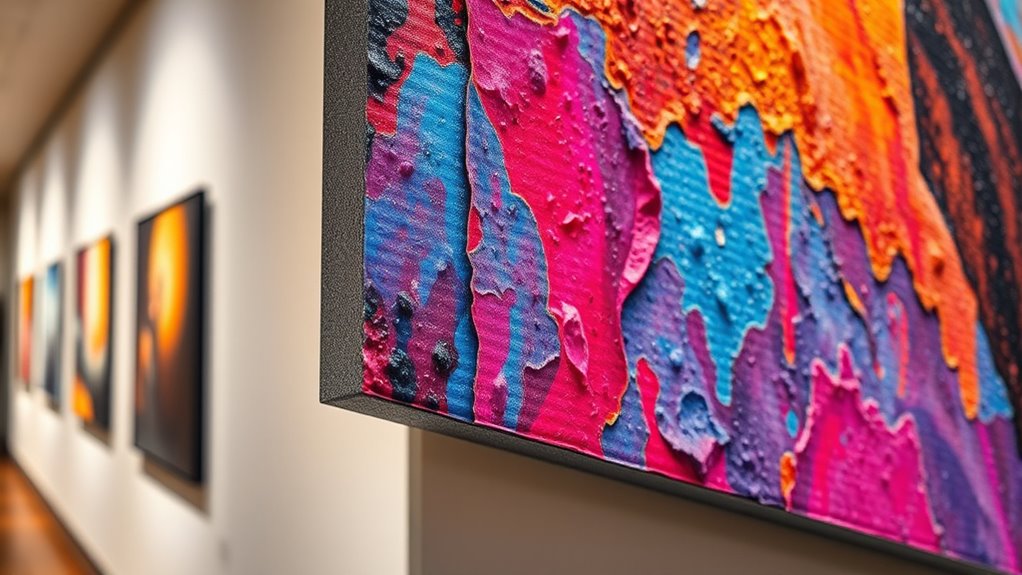
Artists often choose giclee printing because it delivers high-quality, vibrant reproductions that capture every detail and nuance of their original work. They opt for giclee when they want to showcase their artistic expression with exceptional color accuracy and fine detail. This method is ideal for limited editions, gallery displays, or selling original pieces, as the results last longer without fading. Giclee’s superior print longevity guarantees that their artwork maintains its visual impact over time, making it a reliable choice for both artists and collectors. When artists seek to reproduce their work authentically and preserve its integrity, giclee printing provides the perfect balance of quality and durability, allowing their creative vision to endure. Additionally, the use of advanced inkjet technology in giclee printing ensures that the colors remain vibrant and true to the original, further solidifying its reputation as a premier printing method. The art reproduction process relies heavily on precise color calibration to ensure the final print reflects the artist’s intent accurately, which is crucial for maintaining fidelity to the original artwork. Proper color management is essential to achieve consistent and true-to-life results in each print, and employing high-quality inks further enhances the longevity and vibrancy of the reproductions.
Recognizing Authentic Giclee Prints: Tips and Tricks
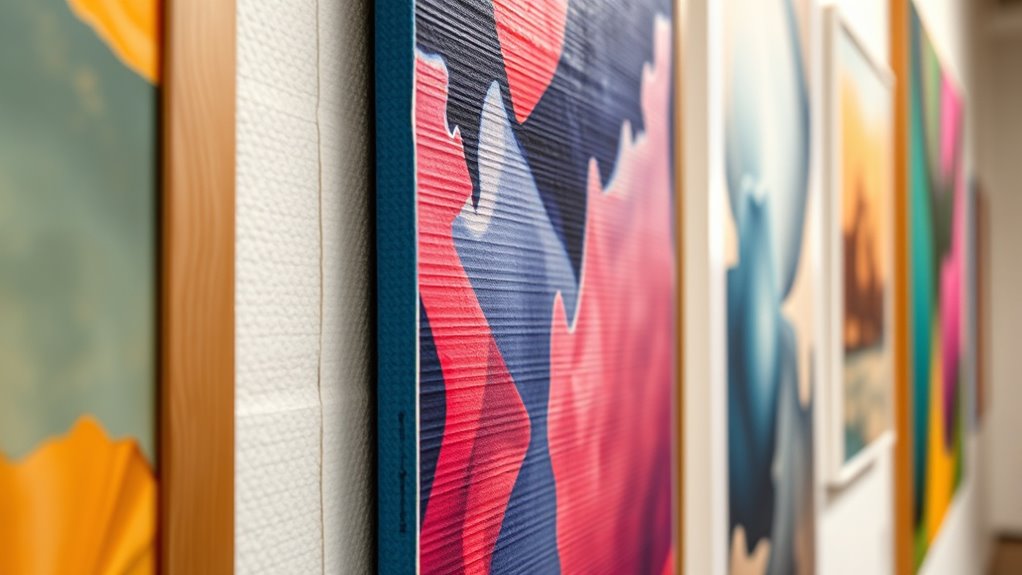
To verify if a print is an authentic giclee, you need to look closely at its details and quality. Examine the print under good lighting for smooth color gradients and sharp details, which are hallmarks of quality giclee printing. Check the backing and framing techniques; authentic giclee prints often use high-quality materials and precise framing to preserve their integrity. Be cautious of pricing strategies—if a print is suspiciously cheap, it might not be genuine. Authentic giclees typically command higher prices due to their superior printing process and longevity. Handle the print carefully and look for a certificate of authenticity or provenance if available. Recognizing these signs helps ensure you’re investing in a true, high-quality giclee rather than a misrepresented reproduction.
Frequently Asked Questions
Can Giclee Prints Be Made on Any Type of Paper?
Giclee prints can be made on many types of paper, but for the best results, you should choose artistic paper choices that are archival quality. Not all papers are suitable because some may not hold ink well or could fade over time. Using high-quality, archival papers ensures your print maintains its vibrant colors and longevity. Always select paper specifically designed for giclee printing to achieve superior detail and durability.
How Does Giclee Printing Impact the Value of Original Artworks?
Giclee printing can increase an artwork’s perceived value to collectors by offering high-quality reproductions that maintain the original’s detail and color. For example, a limited-edition print can boost art valuation and attract collectors who see it as an affordable way to own a piece of the artist’s vision. However, over-reliance on giclee prints might also affect collector perception, sometimes diminishing the original’s exclusivity and worth.
Are Giclee Reproductions Suitable for Outdoor Display?
Giclee reproductions aren’t ideal for outdoor display due to limited UV resistance and weather durability. If you want your artwork to withstand outdoor elements, look for giclee prints specifically treated with protective coatings or made with weather-resistant inks. Without these enhancements, exposure to sunlight, rain, and wind can cause fading and damage. So, unless specially treated, giclee prints are better suited for indoor use where they can remain vibrant longer.
What Are the Environmental Considerations of Giclee Printing?
Did you know that giclee printing uses 30% less energy than traditional methods? When you choose sustainable materials and eco-friendly inks, you markedly reduce environmental impact. Giclee printing’s environmentally friendly options help lower VOC emissions and waste. By opting for these eco-conscious choices, you support sustainability, protect ecosystems, and create beautiful art responsibly. Your decisions make a difference in making the art world more environmentally friendly.
How Does the Cost of Giclee Compare to Other Art Printing Methods?
You’ll find that giclee printing tends to be more expensive than traditional methods like lithography or screen printing due to higher material costs and detailed inkjet technology. The pricing comparison shows that giclee offers superior quality and archival durability, but it often comes with a higher price tag. If you prioritize fine detail and longevity, investing in giclee might be worth the extra expense compared to other art printing methods.
Conclusion
Think of giclee as your modern-day Da Vinci’s brushstroke—meticulously crafted with precision and passion. When you understand its origins, technology, and qualities, you see it’s more than just a printing term; it’s an art form that captures beauty and longevity. Like a masterful painting preserved through time, a genuine giclee lets you enjoy vibrant, durable art that elevates your space—proof that true artistry never fades.