TL;DR

Get school and study supplies delivered free — and shop member deals
- Fast, free delivery on millions of items
- Access to Prime Big Deal Days deals on October 6–7
- Prime Video, Amazon Music and more included
A guest essay by Drew Housman says he and his wife used ChatGPT to discuss fertility tests and treatment during a six-year struggle with infertility. Housman says the chatbot suggested an MRI, which revealed a previously undetected 6-centimeter uterine fibroid; the account is an individual experience, not evidence that AI can diagnose infertility reliably.
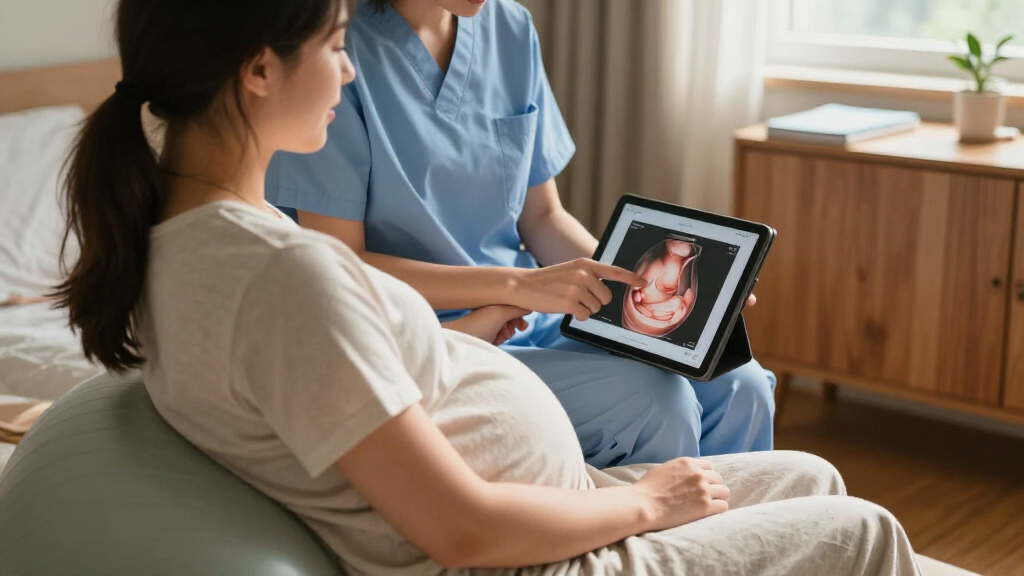
A couple who had spent six years seeking answers for infertility say ChatGPT suggested an MRI that revealed a previously undetected 6-centimeter uterine fibroid, according to a first-person guest report by Drew Housman published by Astral Codex Ten. The account describes one couple’s use of an AI chatbot alongside fertility care; it does not establish that chatbots can diagnose infertility or that the fibroid was the sole cause of the couple’s failed embryo transfers.
Housman writes that he and his wife were able to create embryos but experienced repeated unsuccessful transfers. After doctors did not identify an explanation, they were told their infertility was “unexplained.” The couple began using ChatGPT after GPT-4 became available, asking it questions about scans, hormone levels, follicle counts, procedures, supplements and other parts of treatment. Housman says the chatbot adopted the fictional persona “Dr. Reid” after they asked it to answer in the style of a medical drama.
According to Housman, the chatbot sometimes gave incorrect interpretations, including once telling them an ultrasound showed a pregnancy when it did not. He says they checked its answers with their human doctors and found them consistent, but the essay does not provide medical records or an independent review of those exchanges. The account therefore documents the couple’s experience and their assessment, rather than a verified comparison of AI and clinician diagnostic performance.
Housman says the MRI suggestion stood out because his wife had undergone many other scans, tests and biopsies over the years, but had not received an MRI. Their fertility doctor initially tried to dissuade them, he writes, and eventually ordered one after they insisted. The scan showed a submucosal fibroid measuring 6 centimeters, described in the report as being in the uterine wall. Housman says the doctor judged it should be removed. The supplied account does not state whether removal occurred or what happened to the couple’s fertility treatment afterward.
How AI Entered Their Fertility Care
The account highlights a gap patients can experience in complex, prolonged care: limited appointment time can leave them with questions about test results and possible next steps. Housman says the chatbot offered an always-available way to explore those questions, and that its MRI suggestion led the couple to ask their clinician about an examination they had not pursued. The reported discovery matters to the couple because the scan identified a physical finding their earlier workup had not revealed.
That does not show that ChatGPT independently diagnosed the cause of infertility. The MRI was ordered by a fertility doctor, who assessed the scan and recommended removal, and the essay does not establish that the fibroid caused the failed transfers. Nor does one case show how often a chatbot’s suggestions are useful, mistaken or potentially harmful. For readers, the report is best understood as an example of AI being used to prepare questions and seek discussion with clinicians—not as proof that it can replace medical assessment.
As an affiliate, we earn on qualifying purchases.
Six Years Without an Explanation
Housman describes a long fertility journey in which the couple could produce embryos but had repeated failures to achieve a successful transfer. After investigations did not identify a cause, clinicians used the label “unexplained infertility.” In his account, the label left the couple with few clear answers and a sense that their case was no longer receiving the same investigative attention.
The couple turned to ChatGPT for questions they felt they could not fully address during appointments. Housman says they asked about clinical measurements and procedures and used a fictional doctor persona to elicit responses when the model declined some medical requests. He presents this as a way they interacted with earlier versions of the system, not as a recommended way to obtain medical advice. The essay gives no model-version comparison or systematic evaluation of the chatbot’s answers.
Housman says an MRI had appeared as an option in one set of office notes, but was not emphasized and did not lead to a scan at that time. The later MRI identified the fibroid. The report does not include the full clinical history, the imaging itself, or comments from the treating clinicians, so readers cannot independently assess how the finding related to earlier treatment decisions.
“That’s when our LLM doctor stepped in.”
— Drew Housman, guest author
As an affiliate, we earn on qualifying purchases.
What the Case Cannot Establish
The essay is a personal account and does not include independent confirmation of the chatbot conversations, the medical records, or the MRI interpretation. It is not clear from the supplied report whether the fibroid was the reason for the failed embryo transfers, whether it was removed, or whether treatment later resulted in a pregnancy. The account also does not describe the couple’s complete medical history or explain why the treating doctor initially opposed the MRI.
Housman acknowledges that ChatGPT made at least one clear mistake when interpreting an ultrasound. The report provides no broader data about accuracy, false suggestions or outcomes among other patients. The case cannot establish that AI systems reliably identify missed conditions, that an MRI is appropriate for other people with infertility, or that patients should seek imaging without a clinician’s assessment.
As an affiliate, we earn on qualifying purchases.
The Report Leaves Outcomes Open
The supplied guest report does not say whether the fibroid was ultimately removed or give an update on the couple’s fertility treatment. It also does not announce a clinical study, medical guideline or formal evaluation of ChatGPT in fertility care. Without those details, the next known step in the account is the treating team’s recommendation that the fibroid be removed; the timing and outcome are not provided.
For readers considering AI for health questions, the account supports a limited takeaway: a chatbot can help generate questions to raise with a clinician, but its answers can be wrong and should not be treated as a diagnosis. Decisions about scans, procedures and fertility treatment remain matters for patients and qualified medical professionals working from the individual’s clinical information.
As an affiliate, we earn on qualifying purchases.
Key Questions
What did ChatGPT suggest in the account?
Housman says ChatGPT suggested that his wife get an MRI after the couple asked it questions about their infertility and treatment history.
What did the MRI find?
According to Housman, the MRI revealed a 6-centimeter submucosal uterine fibroid that had not previously been detected. He says the fertility doctor recommended removing it.
Does the report show that the fibroid caused the infertility?
No. The account reports the fibroid and the doctor’s recommendation, but it does not establish that the growth caused the couple’s unsuccessful embryo transfers.
Can this story show that ChatGPT is reliable for medical diagnosis?
No. It describes one couple’s experience and includes an acknowledged error in an ultrasound interpretation. It is not a clinical study or an independent assessment of the chatbot’s accuracy.
What happened after the fibroid was found?
The supplied report says the fertility doctor recommended removal, but does not say whether the procedure took place or provide a later pregnancy or treatment outcome.
Source: rss
Evergreen bestsellers Picks
bestsellers
As an affiliate, we earn on qualifying purchases.