Paying attention to an artist’s process helps you see how they make decisions, express emotions, and solve creative challenges. Their techniques and choices reveal their intentions and tell a deeper story beyond the final piece. Watching their experimentation and struggles offers insight into their resilience, vulnerability, and innovation. Understanding these steps enriches your appreciation and connection to the artwork. If you’re curious about what drives their creativity, there’s much more to discover beyond the surface.
Key Takeaways
- It reveals the artist’s emotional authenticity and vulnerability, deepening emotional engagement with the work.
- It showcases problem-solving skills and adaptability, highlighting the artist’s resilience and innovation.
- It demonstrates deliberate choices in techniques and materials, offering insight into the artist’s creative intentions.
- It reflects the exploration and experimentation that drive artistic growth and uniqueness.
- It fosters a richer understanding and appreciation by revealing the depth of the artist’s engagement and perspective.
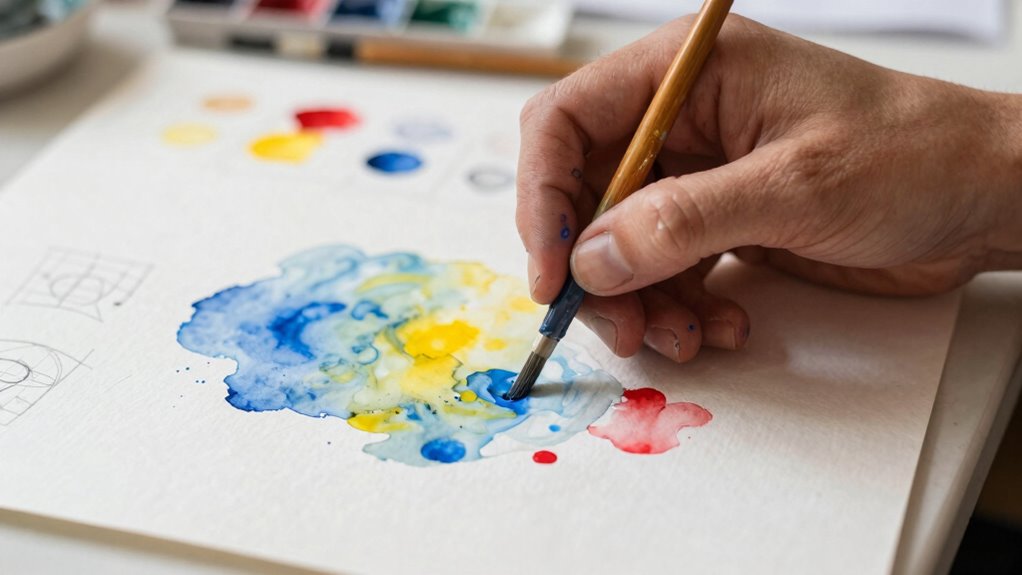
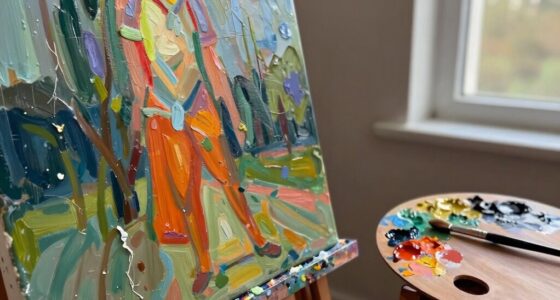
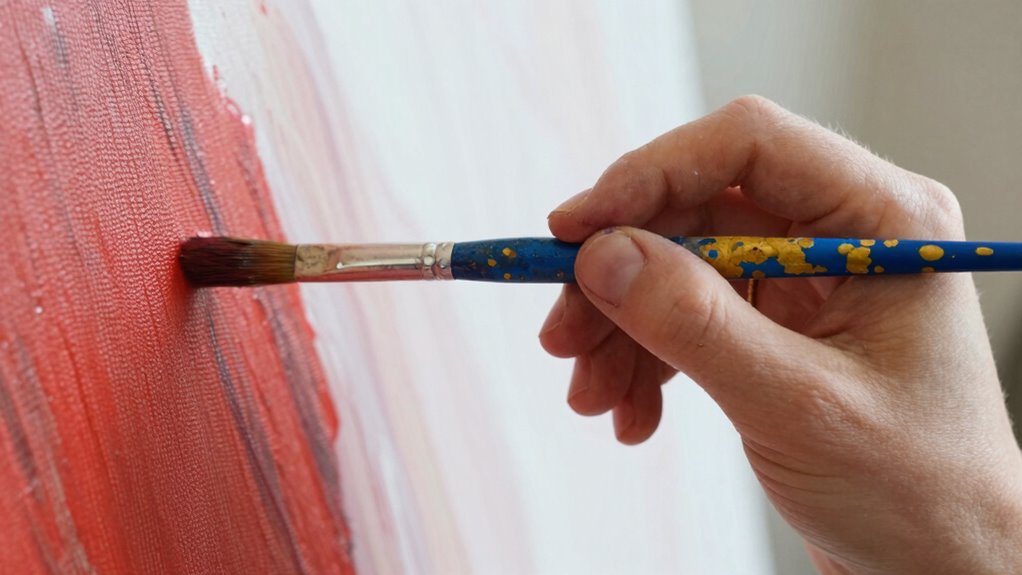
Have you ever wondered what sets an artist’s process apart and makes it worth paying attention to? It’s often the way they approach their work, their unique blend of creative techniques and emotional expression, that creates a compelling journey from idea to finished piece. When you observe an artist at work, you’re not just witnessing the final product but the deliberate choices they make to communicate feelings, thoughts, and perspectives. Their process reveals how they harness their creative techniques—whether it’s layering paint, sketching swiftly, or experimenting with mixed media—to bring their vision to life. These techniques aren’t random; they’re carefully selected tools that serve as a language for conveying emotion, making their work resonate deeply with viewers.
Engaging with an artist’s process allows you to see how they channel their emotions into their art. It’s not just about the technical skill but about the raw, honest emotional expression they embed into each stroke, shape, or color. This emotional layer adds authenticity and vulnerability, making the viewer connect on a more profound level. When you pay attention to their process, you notice how they might pause to reflect, adjust their approach, or even struggle with a concept—each step revealing their intent to communicate something meaningful. It’s this openness to expressing genuine emotion that elevates their work beyond mere aesthetics, turning it into a dialogue between the artist and the audience. Recognizing the significance of artistic process can deepen your appreciation even further. Additionally, understanding how artists problem-solve and adapt during their work can shed light on the problem-solving skills involved in creative pursuits.
Engaging with an artist’s process reveals their raw emotion and authentic intent, transforming art into a meaningful dialogue.
Furthermore, understanding an artist’s process helps you appreciate their creativity. Creativity isn’t just about spontaneous inspiration; it’s about the deliberate exploration of ideas and techniques. Watching how they experiment with different materials, how they adapt when things don’t go as planned, or how they build layers over time gives you insight into their problem-solving skills and innovative mindset. You start to see that their creative process is a dynamic dance—full of trial and error, discovery, and refinement—that shapes the final piece. This awareness encourages you to embrace your own creative endeavors, recognizing that the journey itself often holds more significance than the finished product.
In the end, what makes an artist’s process worth paying attention to is that it reveals the depth of their engagement—how they combine technique with emotion to produce work that’s authentic, powerful, and uniquely theirs. By observing their steps, you gain a richer understanding of the art and a deeper appreciation for the effort and emotion poured into each creation. It’s an invitation to see the world through their eyes, to understand the language of their art, and to recognize the profound connection between creative technique and emotional expression.

Fuxi 9" x 12" Sketch Book, Top Spiral Bound Sketch Pad, 100 Sheets 68lb/100gsm Acid-Free Drawing Paper, Art Sketchbook for Drawing Pad for Kids Artists & Beginners Professional Art Supplies for Adults
【Premium & Tough Material】–Extremely strong toughness and durability of this sketching paper pad allows for erasing without damaging…
As an affiliate, we earn on qualifying purchases.
As an affiliate, we earn on qualifying purchases.
Frequently Asked Questions
How Can I Identify Authentic Creative Processes in Artists?
You can identify authentic creative processes by observing an artist’s consistent creative habits and how they explore their inspiration sources. Look for genuine passion in their work, a willingness to experiment, and a clear connection between their ideas and execution. Authentic artists often share their journey, revealing how they find inspiration and develop ideas, making their process transparent and compelling. This openness indicates a true, dedicated approach to creativity.
Do Different Art Mediums Influence the Artist’s Process?
Your creative process is often a rollercoaster, and different art mediums shape that thrill. When working with mixed media, you juggle textures and materials, making your process more tactile and layered. Digital techniques, on the other hand, streamline your workflow and allow rapid experimentation. These mediums influence your process by pushing you to adapt, innovate, and discover new ways to express yourself, making each piece uniquely yours.
How Does an Artist’s Process Evolve Over Time?
Your process evolves through ongoing technique development and emotional exploration, shaping how you create over time. As you experiment, refine skills, and confront new ideas, you adapt your methods and deepen your understanding. This evolution reflects your growth as an artist, making your work more authentic and expressive. Embracing change keeps your process dynamic, allowing you to discover fresh perspectives and push boundaries in your artistic journey.
Can Understanding an Artist’s Process Improve My Own Creativity?
A wise adage says, “A journey of a thousand miles begins with a single step,” and understanding an artist’s process can certainly boost your creativity. By observing their technique development and emotional exploration, you can incorporate new methods and insights into your own work. This awareness helps you experiment more freely, learn from setbacks, and develop your unique style, ultimately making your creative journey more meaningful and productive.
What Role Does Intuition Play in an Artist’s Process?
Intuition plays a essential role in an artist’s process by guiding subconscious inspiration and instinctual decisions. You rely on your gut feelings to navigate choices, allowing creativity to flow naturally. This instinctual approach helps you tap into deeper layers of your mind, fostering authentic expression. Embracing your intuition enables you to experiment freely, making your work more genuine and spontaneous, ultimately enriching your artistic journey.

12Pcs Mixed Stencils for Painting, Art Stencils for Crafts Reusable, Wood Grains Flower Texture Templates Spider Web Layering Spray Paint Stencils Kit on Wall Canvas Cake Card DIY (11×7'')
【Package Includes】: Our painting stencils kit comprises 12 mixed stencils for crafts, each measuring 28×18cm/11×7.1 inch, providing you…
As an affiliate, we earn on qualifying purchases.
As an affiliate, we earn on qualifying purchases.
Conclusion
By paying attention to an artist’s process, you gain insight into their unique journey—kind of like discovering the secret menu at your favorite diner. When you notice how they approach their work, you connect more deeply with their art, appreciating the effort behind the masterpiece. So, stay curious and engaged, because understanding their process makes the art even more enthralling. After all, isn’t that what makes the whole experience truly worth it?

Creative Paint Workshop for Mixed-Media Artists: Experimental Techniques for Composition, Layering, Texture, Imagery, and Encaustic
As an affiliate, we earn on qualifying purchases.
As an affiliate, we earn on qualifying purchases.

The Artist's Way Morning Pages Journal: A Companion Volume to the Artist's Way
Used Book in Good Condition
As an affiliate, we earn on qualifying purchases.
As an affiliate, we earn on qualifying purchases.