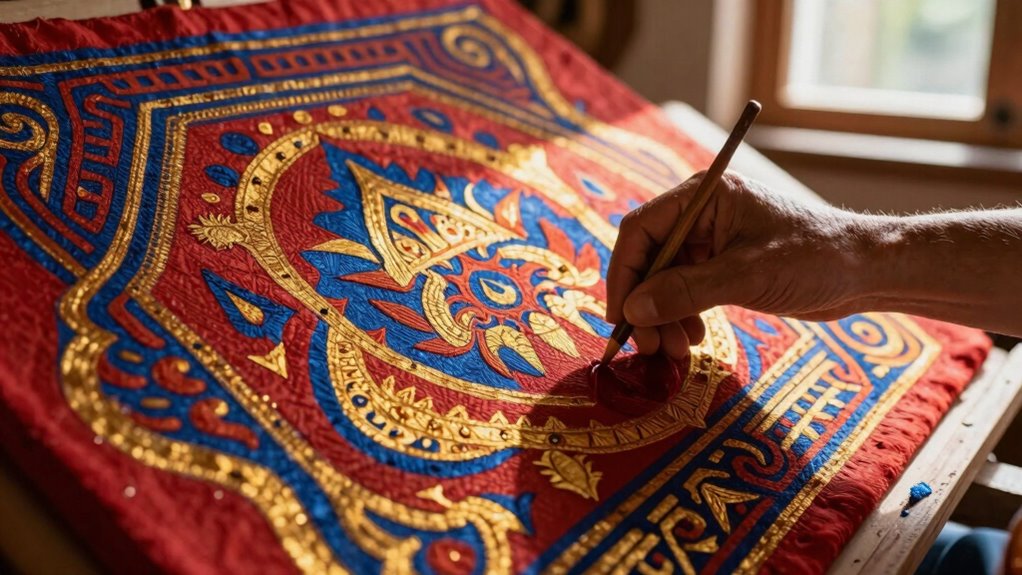

To appreciate cultural elements in art without appropriating, learn their true meanings and significance by exploring their history and context. Respect Indigenous and authentic artists by supporting their work and collaborating ethically. Avoid stereotypes and give proper credit while ensuring you honor the culture’s traditions. Engage with communities openly and listen carefully to build trust. Continuing to explore these respectful practices will help you deepen your understanding and appreciation even more.
Key Takeaways
- Educate yourself about the cultural significance and history of symbols or motifs before engaging with or representing them.
- Seek permission and collaborate directly with community members or indigenous artists to ensure respectful use.
- Support authentic creators by purchasing from and crediting indigenous and cultural artisans.
- Avoid stereotypes and superficial representations; focus on genuine understanding and respectful portrayal.
- Maintain transparency about your intentions, and prioritize cultural sensitivity over mere aesthetic appreciation.
Understanding Cultural Significance in Artistic Elements
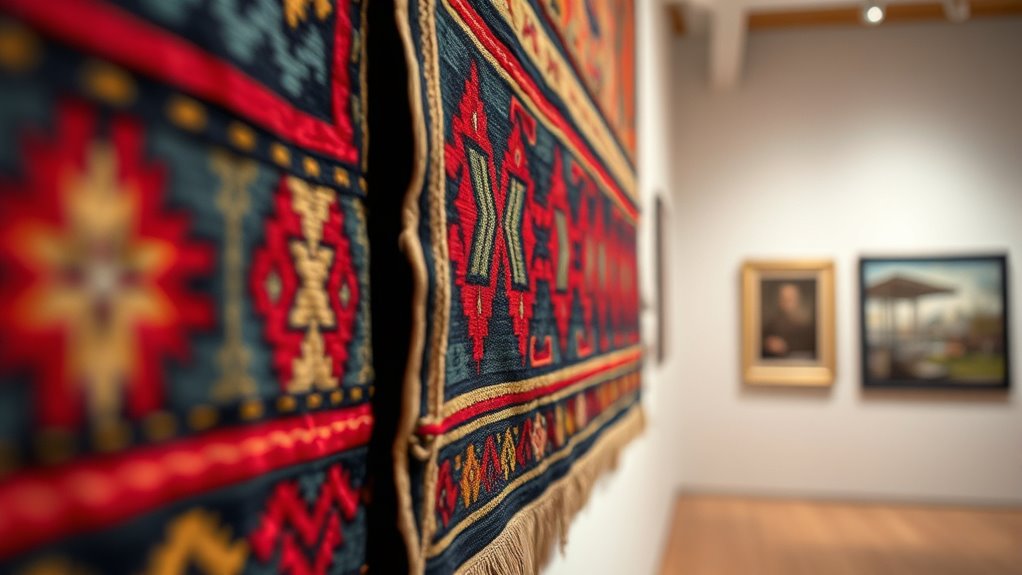
When analyzing artwork that incorporates cultural elements, grasping their deeper significance beyond their visual appeal is vital. You need to understand the symbolic meaning behind the traditional motifs used. These motifs often carry stories, beliefs, or historical significance unique to a culture. Recognizing these symbols helps you appreciate the artist’s intent and the cultural context they aim to represent. For example, a pattern or emblem might symbolize protection, fertility, or spiritual connection. By examining the traditional motifs carefully, you avoid superficial judgments and develop a respectful understanding of the cultural heritage. Understanding Free Floating cultural symbols can also help prevent misinterpretations that lead to cultural appropriation. This deeper awareness guarantees you value the artwork not just for its aesthetic but also for its cultural depth and significance. Developing cultural literacy can further deepen your understanding of the cultural narratives embedded within artistic elements. Engaging with the history and meaning behind these symbols fosters a more authentic appreciation for diverse artistic expressions and their origins.
Recognizing the Difference Between Inspiration and Appropriation
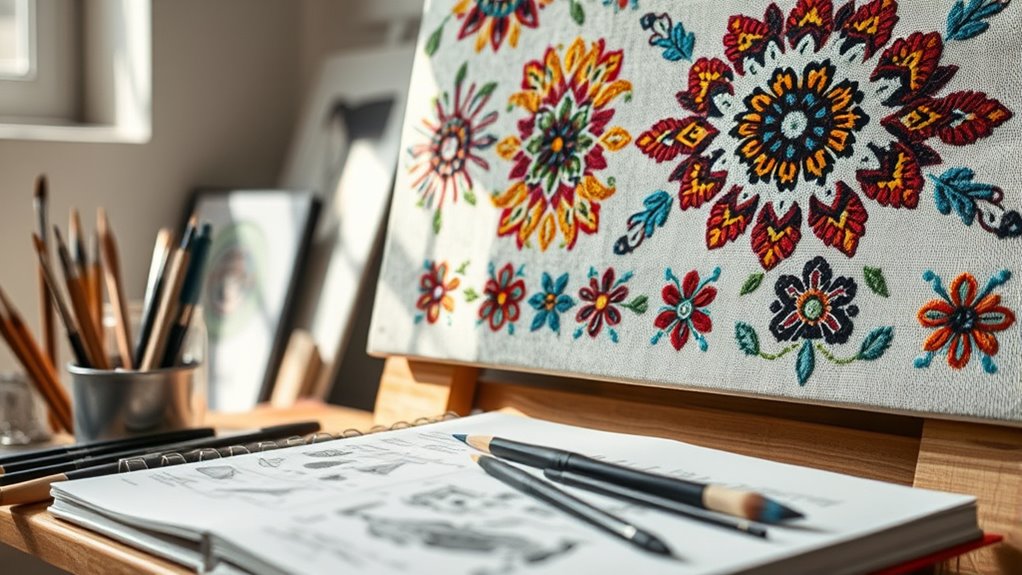
Understanding the distinction between inspiration and appropriation is essential to engaging with cultural elements thoughtfully. When you draw inspiration, you respect cultural boundaries by honoring their context and significance. Appropriation, however, often crosses artistic boundaries, stripping cultural symbols of meaning or misrepresenting them. To recognize the difference, consider these points:
- Are you learning directly from cultural communities or their authentic voices?
- Is the work respectful, acknowledging origins and significance?
- Does it avoid stereotypes or superficial use of symbols?
- Are you giving credit or collaborating with cultural insiders?
- Does your work promote understanding rather than misappropriation?
Additionally, being aware of cultural sensitivity helps prevent unintentional harm or disrespect. Recognizing visual representations and their impact can further guide respectful engagement, especially as cultural context varies across different communities and eras.
Respectful Collaboration and Engagement With Cultural Communities
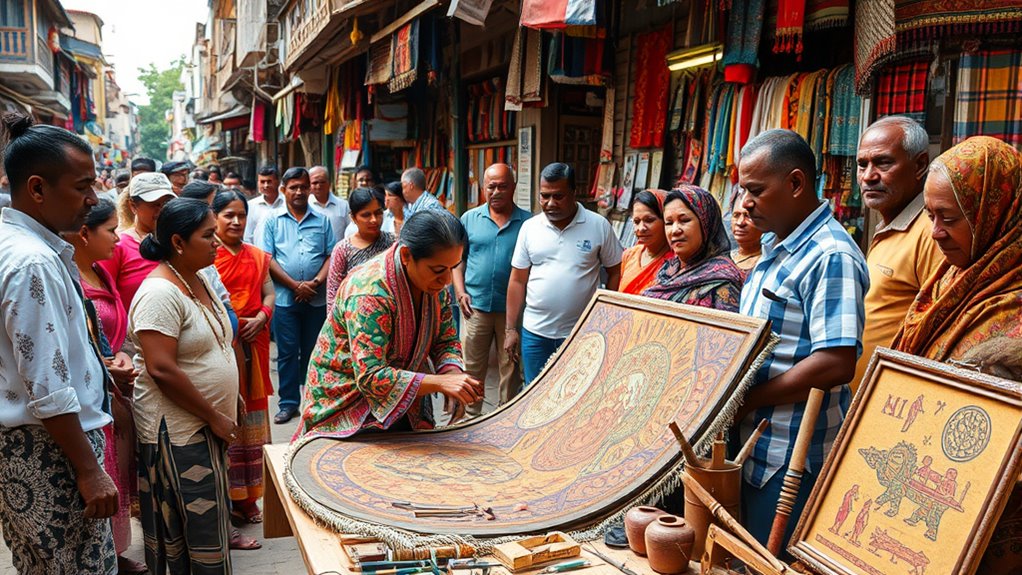
Engaging with cultural communities respectfully involves more than just avoiding misappropriation; it requires genuine collaboration and open dialogue. You should seek opportunities for meaningful cultural exchange, where community members share their stories and traditions directly with you. This approach fosters trust and mutual understanding, ensuring your involvement aligns with their values. Prioritize listening and asking questions, rather than imposing your perspective. Building relationships through community dialogue helps prevent exploitation and demonstrates your respect for their culture. When you collaborate openly, you gain insight into cultural nuances that enrich your work without appropriating. Remember, respectful engagement isn’t a one-time effort but an ongoing process that values the voices and experiences of those whose culture you’re engaging with. Recognizing the importance of cultural heritage can deepen your appreciation and understanding of the community’s traditions. Developing cultural competency is essential for meaningful and respectful involvement in cultural exchange, especially considering the vulnerabilities of digital platforms where cybersecurity measures are crucial to protect community members’ privacy. Incorporating sound healing science into your understanding of cultural practices can also provide valuable context, fostering more respectful and informed engagement. Additionally, understanding the horsepower of electric dirt bikes can serve as an analogy for the energy and effort required to build genuine cross-cultural relationships.
Educating Yourself About Cultural Contexts and Histories
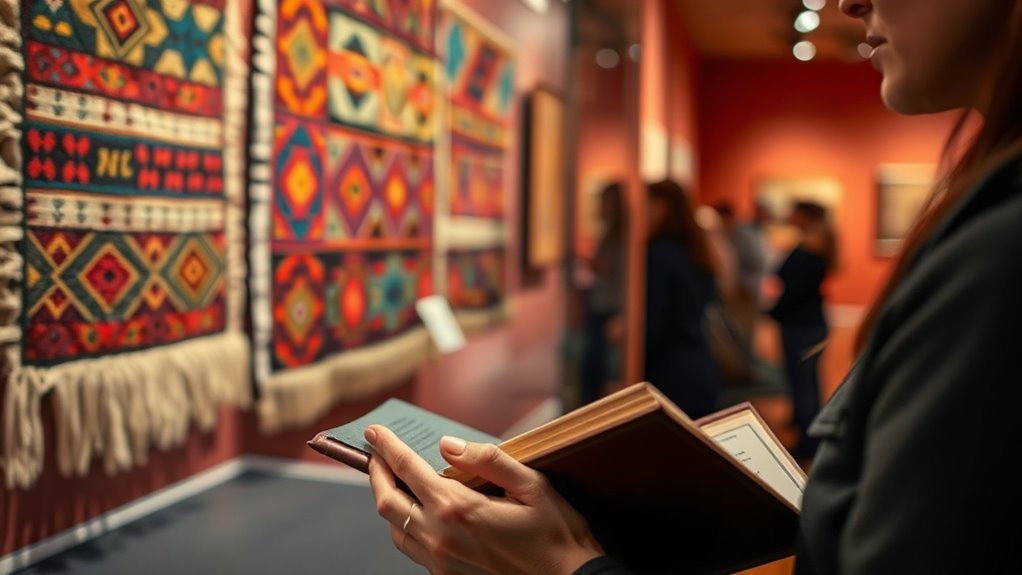
Before creating art inspired by a culture different from your own, it’s essential to educate yourself about its historical background and social context. Understanding the cultural identity behind the symbols, practices, and expressions helps you avoid misrepresentation and disrespect. Immerse yourself in key aspects like:
- The origins and evolution of cultural symbols
- Traditional beliefs and customs
- The significance of specific rituals or attire
- How colonization or migration shaped the culture
- Contemporary issues faced by the community
- The importance of cultural preservation and respecting ongoing traditions. Recognizing cultural sensitivity enhances your ability to engage respectfully and meaningfully. Learning about cultural healing processes can also foster a deeper appreciation of the community’s ongoing resilience and efforts to reclaim their narratives. Additionally, understanding cultural appropriation helps you recognize the boundaries between inspiration and exploitation. Developing cultural literacy can further deepen your understanding and foster respectful appreciation.
This knowledge allows you to approach your work with sensitivity and authenticity. By appreciating the historical context, you honor the culture’s integrity and prevent unconscious appropriation. Respectful engagement starts with genuine understanding, ensuring your art celebrates rather than exploits cultural identities.
Supporting Authentic and Indigenous Artists

You can make a real difference by supporting authentic and Indigenous artists, ensuring they receive the recognition they deserve. When you buy from and promote their work, you help strengthen their cultural economies. This active support encourages respectful representation and helps preserve valuable traditions.
Authentic Artist Recognition
Supporting authentic and indigenous artists is essential to ensuring that their cultural expressions are respected and accurately represented. Recognizing these artists authentically fosters cultural sensitivity and prevents misappropriation. To show genuine support, consider:
- Promoting their work through respectful channels
- Giving proper credit for cultural inspiration
- Supporting their projects financially or through partnerships
- Educating yourself and others about their cultural context
- Amplifying their voices in conversations about cultural expression
Being aware of cultural appropriation helps to distinguish respectful appreciation from harmful misrepresentation. Additionally, understanding the best vacuum options available can be helpful for maintaining a clean and respectful environment in art spaces where cultural artifacts are displayed or stored. Maintaining a culturally sensitive environment also involves being mindful of the display and handling of artifacts to prevent damage or disrespect. Incorporating techniques like auditory processing awareness can enhance the understanding and appreciation of cultural sounds and expressions.
Supporting Cultural Economies
To genuinely bolster cultural economies, it’s crucial to prioritize the financial support and infrastructure that enable authentic and indigenous artists to thrive. Supporting these artists fosters genuine cultural exchange, allowing their unique perspectives and traditions to flourish without exploitation. By investing in their work, you help preserve cultural identities and reduce the negative impact of misguided artistic influence. This approach not only benefits individual artists but also promotes cultural sustainability, ensuring that traditions are maintained for future generations. Purchasing directly from indigenous creators, attending their exhibitions, and advocating for fair compensation all contribute to sustainable economic growth. This approach ensures that cultural expressions are respected, not appropriated, and that artists retain control over their art and narratives. Additionally, understanding the importance of cultural sensitivity can help guide respectful engagement with diverse artistic traditions. Your active support encourages a vibrant ecosystem where authentic cultural voices are celebrated, helping to shift the focus from superficial appreciation to meaningful, respectful engagement. Recognizing the significance of cultural economies highlights how supporting authentic artists contributes to broader community empowerment and resilience. Engaging with community-led initiatives can further strengthen these local art scenes, fostering a deeper connection between artists and audiences. Building awareness around ethical considerations can further promote respectful artistic exchanges and reduce instances of cultural misappropriation.
Promoting Cultural Appreciation Through Ethical Practices
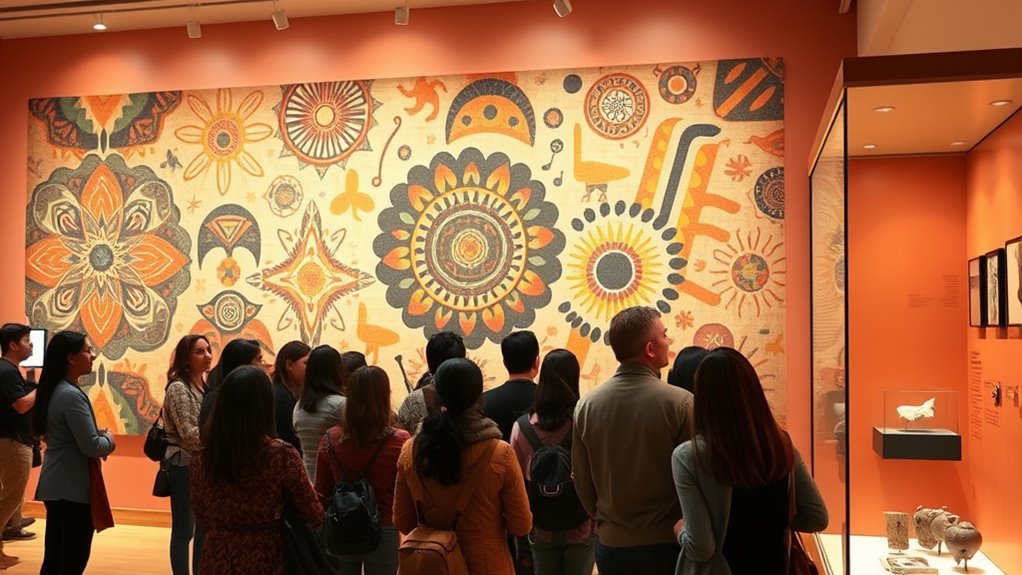
To promote cultural appreciation ethically, you should start by learning about the origins of the art or tradition. Collaborate with community members and respect their boundaries to guarantee your work honors their culture. Supporting authentic voices and voices from within the community helps foster genuine understanding and avoids exploitation. Additionally, understanding the importance of cultural significance ensures that your appreciation respects the deeper meaning behind the traditions.
Educate About Origins
Have you ever wondered how understanding the origins of cultural elements can foster genuine appreciation? Learning about traditional crafts and cultural symbols helps you respect their significance and avoid misappropriation. To deepen your understanding, consider:
- Visiting cultural museums and exhibits
- Reading about the history behind specific symbols
- Supporting artisans who create traditional crafts authentically
- Attending cultural festivals with respectful curiosity
- Engaging with community members to hear their stories
Collaborate Respectfully
Building respectful collaborations with cultural communities guarantees that appreciation translates into ethical practice. To do this, prioritize cultural sensitivity by listening carefully and avoiding assumptions. Engage in open dialogue, showing genuine respect for their traditions and perspectives. Establish ethical partnerships rooted in transparency and mutual benefit, ensuring that your collaboration honors the community’s values. Respect their intellectual property rights and seek permission before using cultural symbols or motifs. Remember, collaboration isn’t just about borrowing; it’s about building trust and understanding. When you approach partnerships with humility and a willingness to learn, you foster meaningful connections that elevate authentic voices. Respectful collaboration not only enriches your work but also promotes genuine appreciation without exploitation.
Support Authentic Voices
Supporting authentic voices means amplifying the perspectives of cultural communities rather than speaking for them. To foster genuine cultural exchange, seek out artists and creators from the communities you admire. Prioritize artwork that showcases artistic authenticity, honoring traditions without distortions. Respectful engagement involves listening to their stories and understanding the meaning behind their work. You can:
- Support Indigenous or local artists directly
- Promote exhibitions that feature authentic cultural expressions
- Educate yourself on the history behind the art
- Share works created by community members
- Avoid commercializing or misrepresenting cultural symbols
Frequently Asked Questions
How Can I Tell if My Art Respects Cultural Boundaries?
You can tell if your art respects cultural boundaries by practicing cultural sensitivity and seeking community consent. Research the culture thoroughly, understand its significance, and avoid stereotypes or misrepresentations. Engage with community members or cultural experts to get their input and permission. If you’re unsure, ask questions and listen carefully. Respecting boundaries means valuing authenticity, honoring traditions, and never assuming you can speak for or represent that culture without guidance.
What Are Common Signs of Cultural Appropriation in Art?
You can spot cultural appropriation by looking for signs like cultural misrepresentation and stereotypical imagery. If the art simplifies or distorts a culture’s symbols or practices, it’s likely appropriative. Watch out for stereotypes that reinforce negative clichés or perpetuate misunderstandings. When artists use cultural elements without context or respect, they often fall into these traps. Recognizing these signs helps you appreciate art ethically and avoid endorsing cultural insensitivity.
How Do I Approach Cultural Symbols Respectfully?
Imagine you’re at a grand banquet, and every symbol has a secret recipe. To respect cultural symbols, you dig into their significance like a top chef—respectful research reveals their true meaning. Avoid using them as costume props or trendy decor. Instead, ask community members, listen to their stories, and honor their origins. Treat symbols as sacred ingredients, not garnish, ensuring your appreciation nurtures respect, not cultural theft.
Can I Use Cultural Motifs if I Credit the Community?
You can use cultural motifs if you engage in community consultation and comprehend the cultural context. By involving community members and seeking their input, you show respect and avoid misuse. Simply crediting the community isn’t enough; you need their approval and insight to guarantee your work honors their traditions. This approach helps you appreciate the culture genuinely without appropriating or misrepresenting their symbols.
What Are the Consequences of Cultural Appropriation in Art?
You might think credit alone solves issues, but cultural appropriation can harm communities through misrepresentation and cultural insensitivity. The consequences include perpetuating stereotypes, erasing authentic voices, and causing emotional pain. It undermines ethical representation, damages trust, and strips away cultural significance. To avoid this, engage with art thoughtfully, prioritize cultural sensitivity, and support authentic voices, ensuring your appreciation respects the origins and community behind the work.
Conclusion
Think of cultural appreciation as a delicate dance—you lead with respect, listen closely, and stay in sync with the rhythm of the community’s story. By understanding, honoring, and supporting authentic voices, you become a harmonious part of a larger, meaningful tapestry. When you approach art with genuine curiosity and care, you create a melody that celebrates diversity without taking away its soul. Keep dancing thoughtfully, and let respect be your guiding step.