
Moral rights give you, as an artist, the ability to protect your personal and emotional connection to your work. These rights let you object to harmful modifications, unauthorized uses, or anything that could damage your reputation or artistic integrity. They focus on preserving the authenticity of your creation and your recognition. If you want to understand how these rights work across different countries and their limits, keep exploring this important aspect of creative rights.
Key Takeaways
- Moral rights protect the artist’s personal connection and integrity of their work, allowing objections to harmful modifications or uses.
- They preserve the creator’s reputation by preventing unauthorized alterations that could distort the original message or meaning.
- Artists can object to uses that are offensive, controversial, or misrepresent their work in a way that conflicts with their values.
- Moral rights ensure artists maintain recognition and control over how their work is presented and used publicly.
- These rights uphold the emotional and conceptual ties artists have with their work, enabling them to defend its authenticity.

Identity Protection: Copyright, Right of Publicity, and the Artist's Negative Voice
As an affiliate, we earn on qualifying purchases.
As an affiliate, we earn on qualifying purchases.
What Are Moral Rights and How Do They Differ From Copyright
Have you ever wondered how an artist’s personal connection to their work differs from traditional copyright protections? Unlike copyright, which mainly controls reproduction and distribution, moral rights focus on an artist’s personal attachment and integrity of the work. These rights help prevent ownership disputes by ensuring artists can object to modifications or uses that harm their reputation. Licensing agreements often clarify copyright permissions but may not cover moral rights, which remain with the creator in many jurisdictions. Moral rights allow artists to preserve their vision and prevent distortions, even after selling or licensing their work. Additionally, moral rights are often considered personal rights that protect the artist’s emotional and reputational interests. Understanding jurisdictional differences in moral rights is essential because protections and enforcement can vary significantly across countries. This distinction emphasizes that moral rights protect the artist’s personal connection, making sure their creative integrity stays intact regardless of legal ownership or licensing arrangements.

COHEALI 1 Set Blending Stumps for Drawing – Charcoal Sponge Sticks – Multi-Functional Drawing Art Blenders for Artist Sketching Pencil, Pastel Blending
Efficient Highlight Blending: Specifically crafted as a blending stump sponge, this pen ensures precise control for creating crisp…
As an affiliate, we earn on qualifying purchases.
As an affiliate, we earn on qualifying purchases.
The Personal Connection Between Artists and Their Work
You likely feel a deep emotional attachment to your art, seeing it as more than just a creation. Your work often reflects your identity and personal expression, making it uniquely yours. Recognizing the personal significance of your pieces highlights how closely your work is tied to who you are. Well‑sourced name coverage ensures that your contribution is accurately represented and respected within the broader cultural context. Additionally, the copyright laws that protect your work reinforce your moral rights, allowing you to object to certain uses that may distort or misrepresent your artistic intent. Understanding moral rights helps artists maintain control over their work’s integrity and meaning, especially considering how electric dirt bikes and other motorized vehicles are becoming more integrated into daily life and culture. Appreciating the importance of artistic integrity underscores the need for artists to defend their moral rights against unauthorized alterations or misrepresentations.
Emotional Attachment to Art
Why do artists often feel a deep emotional connection to their work? Because their creations embody personal experiences, ideas, and identity. When someone alters or uses their work without permission, it can trigger ownership disputes and licensing challenges, making the artist feel violated. This attachment isn’t just about the art itself but about the meaning behind it. Additionally, this artistic integrity is central to their moral rights, enabling them to object when they believe their work’s integrity or personal connection is compromised. It’s also about safeguarding the predictive validity of their intentions and ensuring their creative voice remains authentic. Furthermore, respecting these rights preserves the creative authenticity that is essential to an artist’s reputation and legacy. It’s about protecting what they’ve poured their soul into, and acknowledging their ongoing personal connection to their work sustains their moral rights.
Artistic Identity and Expression
Artists forge a deep personal connection with their work because it reflects their unique identity and creative vision. When you create, you prioritize artistic integrity, ensuring your work stays true to your values and style. This commitment preserves your creative authenticity, making your art a genuine expression of who you are. Every brushstroke, note, or word embodies your personal voice, reinforcing your sense of self within your work. Altering or misusing your art can feel like compromising your identity, which is why you often object to certain uses. Protecting this connection allows you to maintain control over how your work is represented and experienced, safeguarding the authenticity that defines your artistic identity. Your art is more than just a product; it’s an extension of yourself. Emotional connection is central to understanding why artists are particularly protective of their creations. Recognizing the importance of artistic identity helps clarify why artists may oppose certain modifications or uses that threaten their personal expression, especially considering how creative authenticity is integral to their sense of self. Additionally, the concept of Free Floating rights can influence artists’ objections, as these rights allow them to control the use of their work beyond copyright protections, emphasizing their desire to maintain the integrity and personal significance of their creations. Moreover, understanding the scope of moral rights highlights how these rights reinforce artists’ ongoing connection to their creations and their ability to oppose uses they find unacceptable.
Personal Significance of Works
The personal significance of a work often extends beyond its visual or auditory impact, reflecting the deep emotional and conceptual ties you have with your creation. Your artistic process and personal inspiration shape not just the final piece but the meaning it holds for you. This connection can involve memories, beliefs, or experiences embedded in your work, making it uniquely yours. When others attempt to alter or misuse your work, it can feel like a disturbance to this personal bond. Recognizing your moral rights helps protect that connection. Consider how your:
- emotional investment influences your artistic choices
- personal inspiration fuels your creativity
- process imbues your work with meaning
- desire for control over your work’s context
- need to preserve your personal connection and integrity
Understanding the importance of content protection can reinforce your moral rights and ensure your work remains true to your original intent. Additionally, safeguarding your artistic integrity helps maintain the authenticity and personal value of your creations, especially since the personal significance of your work can be compromised if misused or altered without permission. Recognizing the role of media in shaping public perception of cryptids and folklore highlights how external influences can impact the interpretation and value of creative works. Moreover, the diversity of materials used in art can also influence how you perceive your work’s authenticity and personal meaning.
artwork authentication and preservation
As an affiliate, we earn on qualifying purchases.
As an affiliate, we earn on qualifying purchases.
Types of Moral Rights and Their Protections

Understanding the different types of moral rights is essential for recognizing how creators can protect their personal and artistic integrity. These rights typically include the right to attribution and the right to the integrity of the work. The right to attribution ensures you can preserve authenticity and be recognized for your creation. The right to integrity allows you to prevent modifications or uses that could harm your work’s cultural significance or misrepresent your intentions. Protections vary by jurisdiction but often include legal mechanisms that let you object to certain uses or alterations. By understanding these rights, you can actively safeguard your artistic vision and cultural contribution, ensuring your work remains true to your original intent and retains its meaningful context. Additionally, content categories such as cultural content and community expressions are often protected under moral rights to prevent misappropriation or distortion. Recognizing the scope of moral rights protections helps creators maintain control over how their work is presented and interpreted, especially in diverse cultural environments where cultural significance plays a crucial role in the work’s value. Engaging with cultural content can also bolster your ability to defend your rights against unauthorized adaptations or commercial exploitation. Moreover, understanding how impactful quotes can influence public perception emphasizes the importance of safeguarding your work’s message and integrity.

The Photographer's Toolbook – Licensing Manager: A Practical System for Managing Image Rights and Licensing (FRAME ToolBooks)
As an affiliate, we earn on qualifying purchases.
As an affiliate, we earn on qualifying purchases.
Examples of Artistic Uses That Can Lead to Objections

Creative works often inspire various uses, but not all applications respect the creator’s moral rights. You might object when your art is subject to commercial exploitation without your consent, especially if it’s used to promote products or services you don’t endorse. Unauthorized modifications, such as altering images or changing the message, can distort your original intent and offend your moral rights. Other problematic uses include:
- Using your work in offensive or controversial contexts
- Incorporating your art into political campaigns without approval
- Reproducing your work in unauthorized merchandise
- Combining your work with others to create misleading narratives
- Distributing your art in a way that damages your reputation
Each of these uses can compromise your moral rights, prompting justified objections. Understanding the importance of visual and auditory cues can help artists better protect their work from unauthorized or harmful uses.
How Moral Rights Are Recognized in Different Countries

Moral rights are recognized differently across countries, reflecting diverse legal traditions and cultural values. In some nations, like France, moral rights are strong and perpetual, emphasizing the artist’s personal connection to their work. Other countries, such as the United States, offer limited moral rights, mainly through specific legislation, with shorter durations. These differences often stem from cultural differences that influence how artists’ personal rights are valued. International treaties, like the Berne Convention, aim to promote legal harmonization, but variations remain. You’ll notice that some countries prioritize moral rights as fundamental, while others treat them as secondary to economic rights. This diversity impacts how artists’ moral interests are protected and enforced worldwide.
The Limitations and Duration of Moral Rights
You should understand that moral rights don’t last forever and often have specific time limits. Enforcement of these rights can also face restrictions, especially after a certain period or under certain circumstances. Knowing these boundaries helps you grasp when moral rights still apply and when they may no longer be enforceable.
Duration of Moral Rights
How long do moral rights last, and what limitations are imposed on them? Generally, moral rights persist for the lifetime of the artist and often continue posthumously, though this varies by jurisdiction. However, their duration isn’t unlimited and can be confined by specific legal provisions. For example, moral rights typically do not prevent copyright infringement or commercial exploitation after a set period. Once expired, the rights may fall into the public domain, allowing others to use the work freely. Keep in mind that moral rights aim to protect the personal connection between artists and their work, but their limitations ensure they don’t hinder public access or economic use. Key aspects include:
- Duration typically matches the artist’s lifetime plus a set period
- Posthumous rights often expire after a certain number of years
- Limitations prevent indefinite restrictions
- They don’t prevent copyright infringement
- They don’t restrict commercial exploitation after expiry
Limitations on Enforcement
While moral rights are designed to protect your personal connection to your work, their enforcement isn’t unlimited. Laws often set limitations to prevent interference with copyright infringement claims or commercial exploitation. For example, if your work is used in a way that qualifies as fair use or is part of a transformative project, your moral rights might not be enforceable. Additionally, some jurisdictions restrict your ability to object to commercial exploitation if the use aligns with the original intent or has been markedly altered. These limitations aim to balance your personal rights with broader societal interests and economic considerations. Remember, the duration of moral rights varies by country, and after a certain period, your ability to object may be substantially diminished.
Balancing Moral Rights With Public Interest and Fair Use
Balancing moral rights with public interest and fair use often involves steering complex legal and ethical considerations. You must weigh the artist’s rights against societal benefits, such as education or cultural development. This balance can be achieved through mechanisms like public domain, where works are free for use, or Creative Commons licenses, which permit specific uses while respecting moral rights. Key factors include:
Balancing moral rights with public interest involves legal and ethical considerations like fair attribution and protecting creative integrity.
- Ensuring fair attribution to the original artist
- Respecting intentions behind moral rights
- Encouraging access to cultural works
- Protecting creative integrity during adaptations
- Promoting legal frameworks that balance interests
These considerations help foster an environment where public access and artistic integrity coexist, aligning moral rights with broader societal needs without undermining creators’ rights.
Why Respecting Moral Rights Matters in the Creative Industry
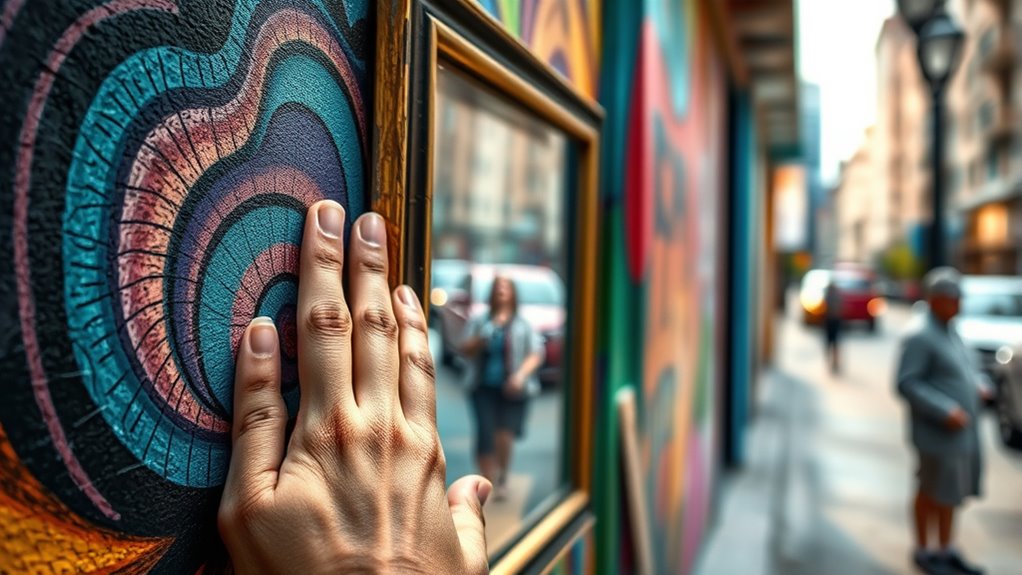
Respecting moral rights is crucial for maintaining trust and integrity within the creative industry. When you honor an artist’s moral rights, you ensure their work isn’t misrepresented or altered without consent, which is essential in commercial licensing and digital distribution. This fosters respect between creators and users, encouraging future collaborations. Ignoring moral rights can damage an artist’s reputation and harm your credibility. Consider this table:
| Aspect | Importance | Impact |
|---|---|---|
| Commercial Licensing | Protects original intent and integrity | Builds trust with creators, ensuring fair use |
| Digital Distribution | Preserves artistic integrity online | Prevents unauthorized alterations or misuse |
| Moral Rights | Respecting creators’ personal connection | Ensures ethical, long-term industry growth |
| Artist’s Reputation | Maintains credibility and respect | Encourages ongoing creative contributions |
Respecting these rights supports a fair, respectful industry where artists feel valued and protected.
Frequently Asked Questions
Can Moral Rights Be Waived or Transferred to Others?
You can waive or transfer your moral rights, but it’s often constrained by law due to artist autonomy and ethical considerations. While some countries allow artists to give up certain rights through contracts, others protect moral rights to ensure ongoing recognition and integrity of their work. Be aware that waivers typically don’t fully extinguish moral rights, as ethical considerations prioritize respecting the artist’s ongoing connection to their creation.
How Do Moral Rights Impact Commercial Licensing Agreements?
Moral rights notably impact commercial licensing agreements because they prioritize ethical considerations and artist autonomy. You need to respect an artist’s moral rights, such as attribution and integrity, even when licensing their work. This means you might face restrictions on how you can modify or use the work, and you may need to secure the artist’s consent for certain uses, ensuring their ethical and personal connection to the art is maintained.
Are Moral Rights Recognized in Digital and Online Art Contexts?
Think of the digital world as a double-edged sword—you’re often on both sides. Yes, moral rights are recognized in digital and online art contexts, emphasizing digital ethics and the importance of online attribution. Artists still hold these rights, allowing them to object to misuse or misrepresentation of their work. Respecting these rights helps maintain integrity, ensuring creators are credited and protected, even in the fast-paced digital landscape.
What Are the Consequences of Infringing an Artist’s Moral Rights?
If you infringe an artist’s moral rights, you risk ownership disputes and ethical issues. They can legally challenge you, demanding that their work isn’t altered or misrepresented, which could lead to legal action or reputational damage. Ignoring these rights disrespects the artist’s moral claims, potentially resulting in fines or other penalties. Respecting moral rights maintains ethical standards and avoids conflicts over creative ownership and integrity.
How Do Moral Rights Vary Between Different Artistic Disciplines?
Have you ever wondered how moral rights differ across artistic disciplines? You probably realize that in visual arts, artists fiercely protect their artistic integrity, objecting to modifications that could distort their message. In dance or theater, cultural significance plays a bigger role, so creators may object to performances that misrepresent or diminish their work. These variations reflect each discipline’s unique connection to an artist’s personal and cultural expression.
Conclusion
Think of moral rights as an artist’s heartbeat, pulsing through their work long after the brush has dried. Respecting these rights is like tending a delicate garden—you nurture their connection and honor their voice. When you acknowledge an artist’s moral rights, you’re safeguarding a vibrant tapestry woven with passion and integrity. By honoring these rights, you guarantee the creative world remains a symphony where every note truly belongs to its creator.