
Good documentation makes your collection stronger by highlighting its origins, significance, and unique features, giving you a clear view of its variety and gaps. It guides proper preservation, storage, and handling, helping you monitor changes and respond effectively. Organized records streamline management and reduce errors, ensuring consistent care. Plus, solid documentation supports future growth, insurance claims, and collection resilience. Keep exploring to discover how detailed records can safeguard your collection’s long-term future.
Key Takeaways
- Good documentation reveals collection diversity, highlighting strengths and identifying gaps for strategic growth.
- It supports proper preservation by tracking condition, materials, and conservation history.
- Well-organized records streamline management, reduce errors, and facilitate staff training.
- Consistent documentation minimizes mishandling risks and ensures uniform care practices.
- Accurate records provide a foundation for future planning, insurance, and safeguarding collection integrity.
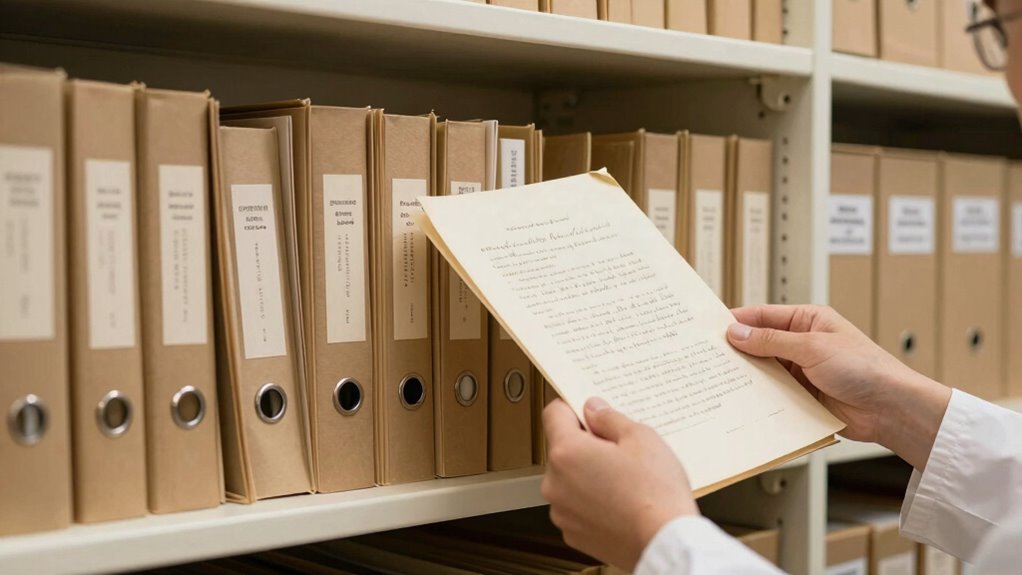
Effective documentation is an essential tool that can considerably improve your collections process. When you carefully record details about each item, you’re not just creating a catalog—you’re building a foundation that supports your entire collection’s growth and resilience. One of the key benefits of thorough documentation is that it helps you understand your collection’s diversity. By capturing information about the origins, significance, and unique features of each piece, you gain a clearer picture of the variety within your holdings. This awareness allows you to identify gaps in your collection, target specific areas for expansion, and guarantee that your collection truly reflects its intended scope or theme. Additionally, documenting collection diversity helps you communicate its importance to others, whether you’re seeking funding, collaborating with colleagues, or engaging with the public. When every item is well-documented, it’s easier to demonstrate the range and depth of your collection’s stories and importance.
Beyond understanding your collection’s diversity, good documentation plays a crucial role in applying preservation techniques. Proper records ensure you’re aware of each item’s condition, material composition, and any previous conservation efforts. This information is critical in choosing appropriate preservation methods, as it prevents you from making assumptions that could inadvertently cause damage. For example, knowing whether a piece is fragile or made from sensitive materials guides you toward correct handling, storage, and conservation techniques. Moreover, detailed records help you track changes over time, so you can monitor the effectiveness of your preservation techniques and adjust your approach as needed. When you keep detailed documentation, you also create a safety net—if an item is ever damaged, lost, or stolen, you have detailed records to support insurance claims, recovery efforts, or provenance verification. Additionally, organized record-keeping makes it easier to train new staff and maintain consistency in collection care, further strengthening your collection’s resilience. Incorporating standardized procedures into your documentation process enhances this consistency and ensures everyone follows best practices. Developing a comprehensive documentation system can also streamline your workflow and reduce errors, ultimately making your collection management more efficient. Having clear documentation can also serve as a training resource, helping new team members understand proper handling and care protocols from the start. Well-maintained documentation also supports collection management, making it easier to plan future acquisitions or deaccessioning with a clear understanding of your holdings.
Furthermore, good documentation guarantees consistency in how you care for and present your collection. It streamlines processes, making it easier for you or others to follow established procedures, especially when new staff or volunteers join your team. This consistency enhances the longevity of your collection and minimizes risks associated with mishandling or improper storage. Ultimately, thorough documentation is more than just an administrative task; it’s a strategic tool that strengthens your collection’s integrity, enhances its preservation, and highlights its diversity. By investing time in detailed records, you safeguard your collection’s future, making it more resilient, accessible, and meaningful for generations to come.

Beyond Static Pages: Creating Interactive PDFs for Business and Education (Bussiness Collections)
As an affiliate, we earn on qualifying purchases.
As an affiliate, we earn on qualifying purchases.
Frequently Asked Questions
How Often Should Collection Documentation Be Updated?
You should update your collection documentation regularly, ideally at least once a year. Frequent updates guarantee accurate collection cataloging and provenance tracking, which are essential for maintaining the collection’s integrity and value. Whenever you acquire new items, experience changes in condition, or gain additional provenance information, update the records promptly. Consistent documentation helps preserve the collection’s history, supports research, and strengthens the overall collection management process.
What Tools Are Best for Maintaining Collection Documentation?
Think of maintaining collection documentation like tending a garden; you need reliable tools to keep everything thriving. Digital archiving tools like Tropy or CollectiveAccess are excellent for organizing and updating records efficiently. Collaborative platforms such as Airtable or Google Sheets allow multiple team members to contribute and track changes seamlessly. These tools help you preserve accuracy, guarantee easy access, and keep your collection well-documented for years to come.
Who Should Be Responsible for Documentation in a Collection?
You should be responsible for ensuring the documentation aligns with collection policies and adheres to established documentation standards. As someone managing or caring for the collection, your role involves maintaining accurate, thorough records that reflect the collection’s condition, provenance, and significance. By taking ownership, you help preserve the collection’s integrity, facilitate future research, and support consistent documentation practices that strengthen the collection’s overall value.
How Does Documentation Impact Collection Security?
Good documentation directly impacts collection security by enabling better access control and preservation efforts. When you document collection details thoroughly, you can track and monitor items more effectively, reducing risks of theft or damage. Clear records help you implement proper storage and handling procedures, ensuring long-term preservation. With accurate documentation, you maintain control over who accesses your collection, strengthening security and safeguarding valuable items for future generations.
Can Digital Documentation Replace Physical Records?
Like Pandora’s box, digital documentation opens new possibilities but also risks. Digital preservation and virtual cataloging can effectively substitute physical records by offering quick access and easier management. However, you must guarantee secure backups and reliable technology, as digital formats can become obsolete. While digital records are powerful tools, they should complement, not fully replace, physical documentation to maintain the collection’s integrity and long-term security.
As an affiliate, we earn on qualifying purchases.
Conclusion
Think of your collection like a well-tended garden. When you document every plant’s needs and growth, it flourishes even in drought or storms. I once inherited a collection without records, and it felt like steering a maze—until I started documenting. Suddenly, I knew exactly what each piece needed to thrive. Good documentation isn’t just notes; it’s the watering can that keeps your collection vibrant, resilient, and ready to grow for years to come.

Managing Previously Unmanaged Collections: A Practical Guide for Museums
As an affiliate, we earn on qualifying purchases.
As an affiliate, we earn on qualifying purchases.

Coin Inventory Log Book: Collectors Coin book to Record and Keep Track of Your Coin Collection
As an affiliate, we earn on qualifying purchases.
As an affiliate, we earn on qualifying purchases.