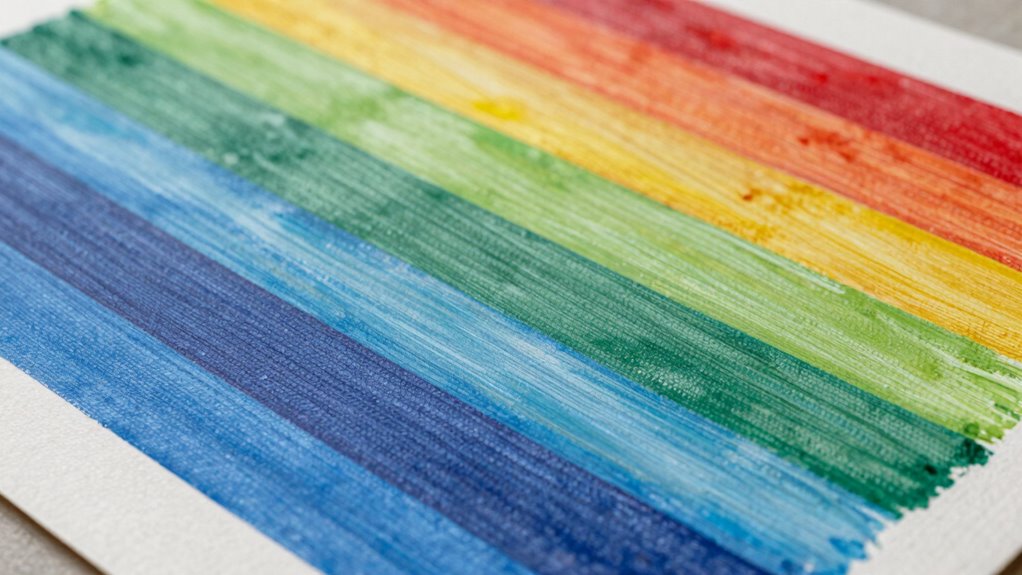

To recognize a high-quality reproduction, closely examine its craftsmanship, paying attention to color accuracy and detail. Look for subtle brushstrokes, texture, and depth that mimic the original artwork. Verify materials—use high-quality, archival papers or canvas that show signs of longevity. Check the printing or painting technique for sharpness and vibrant colors, and guarantee it comes from reputable sources with certificates of authenticity. If you want to spot true quality, understanding these details will help you decide confidently.
Key Takeaways
- Examine the reproduction for authentic color accuracy and subtle brushstrokes that mirror the original artwork.
- Verify materials are high-quality, archival, and similar to those used in the original piece.
- Check for sharp details and consistent layering indicative of advanced printing or painting techniques.
- Inspect textures and depth to ensure they mimic the original artwork’s surface and avoid flat appearances.
- Confirm provenance from reputable sources with certificates of authenticity to establish credibility.
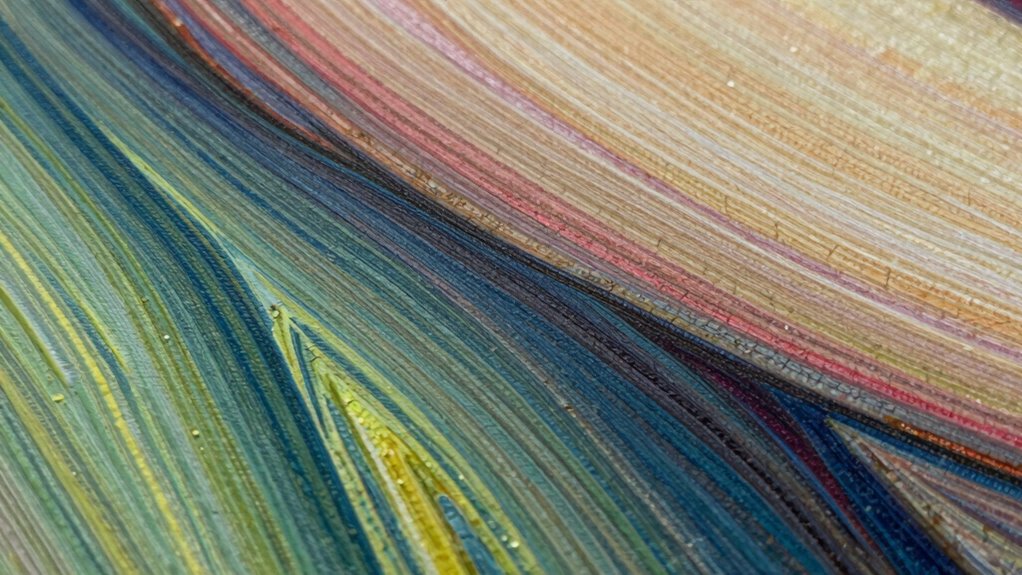
Ever wondered how to tell a high-quality reproduction from a poor one? Recognizing a superior reproduction involves more than just visual appeal; it requires understanding the nuances of artistic authenticity and material authenticity. When examining a reproduction, you want to see if it captures the artist’s original intent, which is where artistic authenticity comes into play. A high-quality reproduction preserves the essence of the original artwork, showing the correct color palette, brushwork, and details that reflect the artist’s style. If the reproduction feels flat, washed out, or overly uniform, it’s likely lacking in artistic authenticity. Authentic reproductions will often reveal subtle brushstrokes or texture that mimic the original, giving you a sense of depth and significance. Additionally, examining the printing or painting technique can reveal the level of craftsmanship involved in creating the reproduction, which is crucial for assessing its quality. Paying attention to the craftsmanship involved can also help distinguish between mass-produced copies and carefully crafted reproductions. Material authenticity is equally important. It refers to the quality of the materials used in creating the reproduction—such as the type of canvas, paper, or print medium. A top-tier reproduction will often utilize materials that closely resemble those of the original, ensuring longevity and better visual fidelity. For example, a high-quality print might be produced on acid-free, archival-quality paper or canvas that resists fading over time. When inspecting the piece, check for signs of inferior materials, like cheap paper that yellows or fabric that feels flimsy. These indicators can help you identify subpar reproductions that may not last or truly honor the original. You should also pay attention to the printing or painting technique. For painted reproductions, look for consistency in brushwork and layering, which suggests careful craftsmanship. For prints, examine the clarity of the image, the sharpness of details, and whether the colors are vibrant and true to the original. A high-quality reproduction often involves advanced printing techniques, such as giclée printing, which can produce detailed, fade-resistant images that closely match the original artwork. Additionally, consider the provenance and source of the reproduction, as these factors greatly impact its authenticity and value. Reputable galleries or dealers are more likely to offer reproductions that respect both artistic and material authenticity. They often provide certificates of authenticity or detailed descriptions that give you confidence in the piece’s quality. Ultimately, when you look at a reproduction, seek those that demonstrate a harmony between the artist’s vision and the materials used—this balance guarantees you’re looking at a piece that truly honors the original.
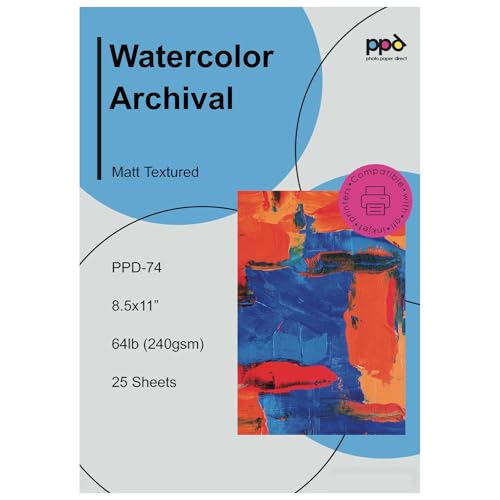
PPD Watercolor Printer & Printable Fine Art Paper for Inkjet Printer, Textured Giclee Archival Acid Free Paper 8.5 x 11, Professional Grade, Heavyweight 240 gsm/64 lb (25 Sheets)`
High Quality Inkjet Watercolor Paper: This premium 8.5 x 11 inch, 240 gsm (64 lb) fine art paper…
As an affiliate, we earn on qualifying purchases.
As an affiliate, we earn on qualifying purchases.
Frequently Asked Questions
Can a High-Quality Reproduction Be Distinguished Without Expert Tools?
You can often distinguish a high-quality reproduction without expert tools by examining authentic markings closely, like signatures or stamps that match the original. Check the material authenticity by feeling the texture and weight—reproductions sometimes use cheaper or different materials. Lighting can reveal subtle differences in paint or ink, helping you spot inconsistencies. These visual cues and tactile checks, combined, can guide you toward identifying a genuine high-quality reproduction on your own.
Do All Reproductions Have Visible Signs of Being Copies?
You might notice that not all reproductions show obvious signs of being copies, but some do. Authenticity markers like precise details, consistent brushwork, and subtle tonal variations can reveal a reproduction. Material differences, such as lower-quality canvas or prints lacking texture, often indicate a copy. Coincidentally, close inspection often uncovers these clues, helping you discern whether a piece is an original or a reproduction without needing expert tools.
How Does Age Affect the Quality of a Reproduction?
Aging effects and material degradation markedly impact the quality of a reproduction over time. As it ages, you might notice fading colors, discoloration, or cracking, which diminish its clarity and value. The choice of materials also influences longevity; lower-quality substrates degrade faster. To maintain a reproduction’s quality, handle it carefully, store it properly, and consider professional preservation methods to slow aging effects and prevent further deterioration.
Are Digital Reproductions as Reliable as Physical Ones?
Digital reproductions can be reliable, but they often lack the true color accuracy and material authenticity of physical copies. When you view a digital version, you might miss subtle nuances in texture and color that a physical reproduction offers. To guarantee quality, compare digital images with physical originals when possible, and look for high-resolution images that accurately reflect the original’s details and authenticity.
What Are Common Mistakes When Assessing Reproduction Quality?
You might mistake poor color accuracy or lacking details for high quality, but don’t overlook the historical context or material authenticity. Relying solely on visual cues can be misleading; always check for proper provenance and the materials used. Avoid assumptions based on superficial qualities, and instead, scrutinize the reproduction’s alignment with original techniques and era-specific features. This careful approach helps guarantee you’re genuinely evaluating reproduction quality.

KBKBART Claude Monet Eclectic Wall Art, Monet Prints for Wall Decor, Eclectic Home Decor Canvas Impressionist Painting, Monet Water Lilies Exhibition Poster for Room Aesthetic, Classic Monet Gallery Art Prints Maximalist Decor – UNFRAMED
【Size】3 wall prints in 8×10 Inch/4 wall prints in 5x7inch/5 wall prints in 4x6inch – total 12 Pieces…
As an affiliate, we earn on qualifying purchases.
As an affiliate, we earn on qualifying purchases.
Conclusion
So, next time you’re eyeing that “masterpiece,” remember: a high-quality reproduction is like a well-dressed mime—looks convincing from afar, but up close, you’ll spot the flaws. Don’t be fooled by shiny surfaces or perfect colors alone; inspect the brushstrokes, provenance, and material quality. After all, buying a genuine artwork is like dating—better to know what you’re truly getting than to be duped by a charming facade. Happy hunting!

24 Pieces 5 x 7 Inch Certificate of Authenticity Gold Foil Premium Certificates for Valuations Collectibles and Artwork Gifts for Artists Artisans Handicraft Worker
Bulk package: You will receive 24 hand-writable certificates of authenticity to meet the certification needs of multiple artworks….
As an affiliate, we earn on qualifying purchases.
As an affiliate, we earn on qualifying purchases.

Framed Gustav Klimt Canvas Wall Art Colorful Floral Poster Picture Vintage Countryside Painting Nature Landscape Modern Home Print Living Room Gallery Office Ready to Hang 12×16 Inch x3
Premium Canvas Art: This set of 3 Gustav Klimt floral prints is made from high-quality canvas material, showcasing…
As an affiliate, we earn on qualifying purchases.
As an affiliate, we earn on qualifying purchases.


![Paxos Made Simple (2001) [Pdf]](https://kellerkunst.com/wp-content/uploads/2026/07/paxos-made-simple-2001-pdf-featured-260x140.jpg)