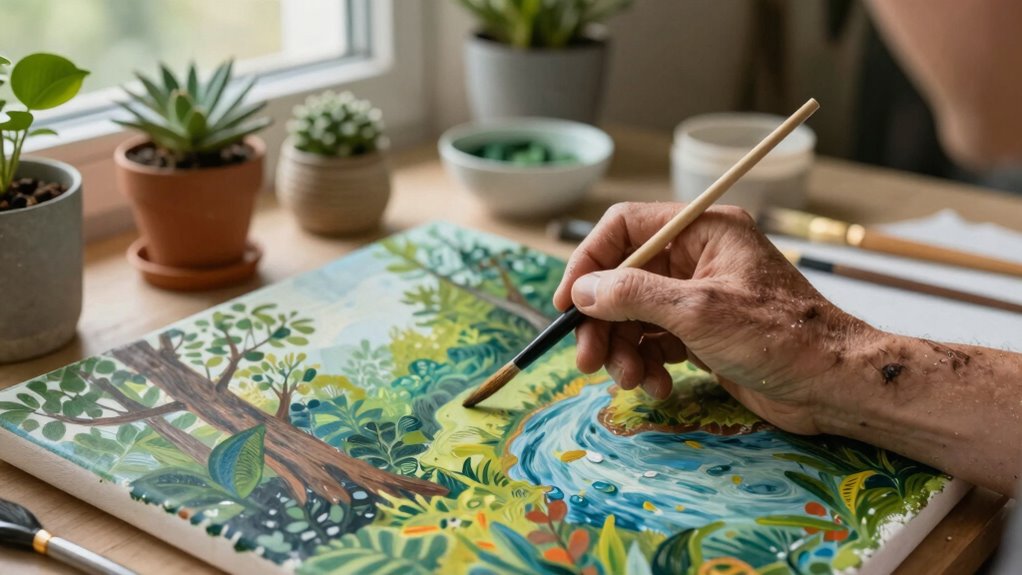
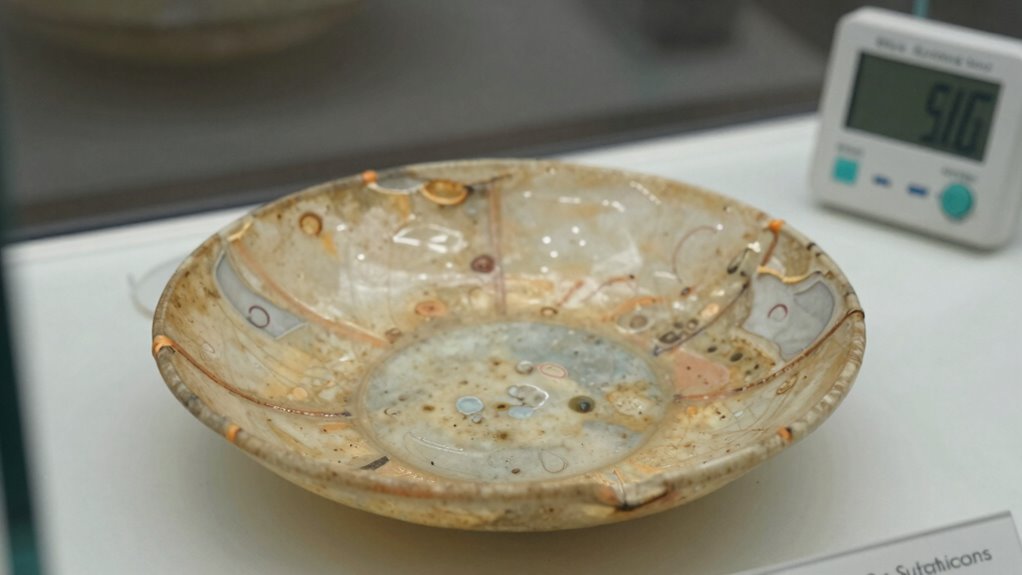
Weaving smart hygrometer and data logger strategies around art can safeguard your collection—discover how to optimize your environment today.
Browsing Tag
art conservation
23 posts
How Dehumidifiers and Humidifiers Affect Works on Paper Differently
Learning how dehumidifiers and humidifiers differently impact paper can help you preserve your works, but the key lies in understanding their effects.
Why Glassine, Tissue, and Sleeves Protect Different Kinds of Artwork
Discover why glassine, tissue paper, and sleeves protect different artworks and how choosing the right one can preserve your pieces effectively.
Wall Labels Decoded: Medium, Date, Edition, and That Tiny Acronym
An insightful guide to decoding wall labels reveals how medium, date, edition, and tiny acronyms deepen your understanding of artwork—discover what secrets they hold.
The ‘Dry Time’ Reality: Why Paintings Need Rest Before They Travel
Ongoing drying is crucial to prevent damage; discover why rushing your artwork can lead to irreversible harm and how to ensure its safety during travel.
Adhesives in Art: Which Glues Age Well (and Which Fail Fast)
How adhesives age in art depends on their chemical makeup and environment, and understanding this can help you choose the best glue for lasting creations.
Mounting Methods for Works on Paper: Hinge, Float, or Dry Mount?
Mounting methods for works on paper—hinge, float, or dry mount—offer unique benefits and drawbacks that can impact your artwork’s preservation and presentation; discover which is best for you.
Canvas Keys and Tension: How Artists Keep Paintings Flat Over Time
To keep your paintings flat over time, you use canvas keys—small wedges…
Stretcher Bars: The Wood Inside Canvas That Determines Longevity
Meta Description: Maintaining the quality of stretcher bars is crucial for your artwork’s longevity; discover how choosing the right wood can make all the difference.
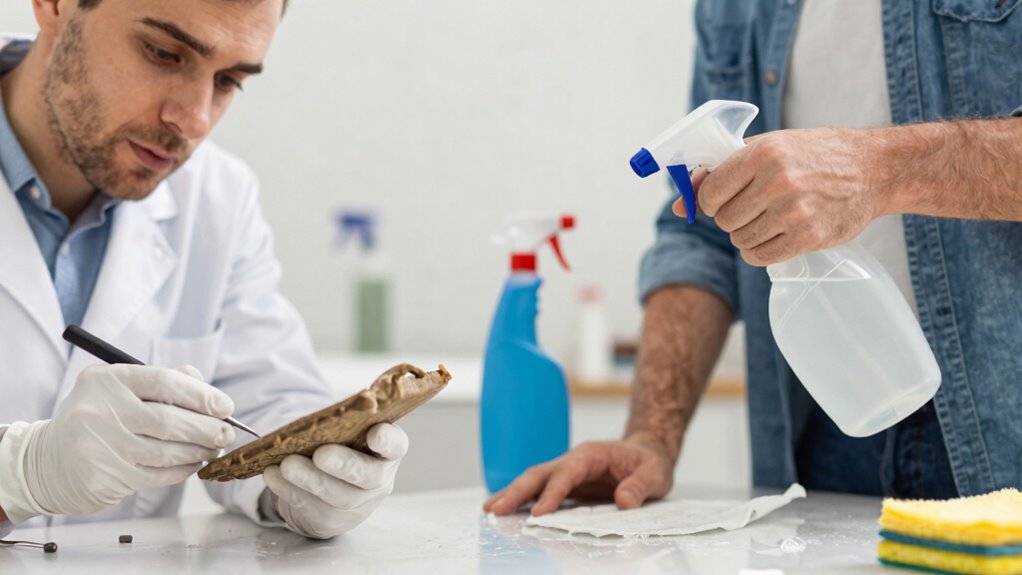
Cleaning Oil Paintings: What’s Safe for the Surface (and What Isn’t)
Here’s a safe and effective approach to cleaning oil paintings: avoid harsh chemicals and abrasive tools, and always test solutions carefully before proceeding.