When choosing artwork, understanding print borders and deckled edges helps you match your style and preserve your investment. Borders provide a clean, modern frame, offering space for signatures or editing, while deckled edges give an organic, vintage feel that highlights craftsmanship. The printing process affects their durability and appearance, so consider your preferred aesthetic—sleek or classic. To make the best choice, explore how these features can complement your display and elevate your decor.
Key Takeaways
- Understand that borders protect and enhance prints, offering space for signatures and framing options.
- Recognize that deckled edges give a handmade, vintage feel, adding authenticity and tactile appeal.
- Consider the printing quality and paper type to ensure durability and true color representation.
- Match borders with modern frames for a sleek look, or highlight deckled edges with vintage-style framing.
- Choose between borders and deckled edges based on whether a contemporary or traditional artistic style is desired.
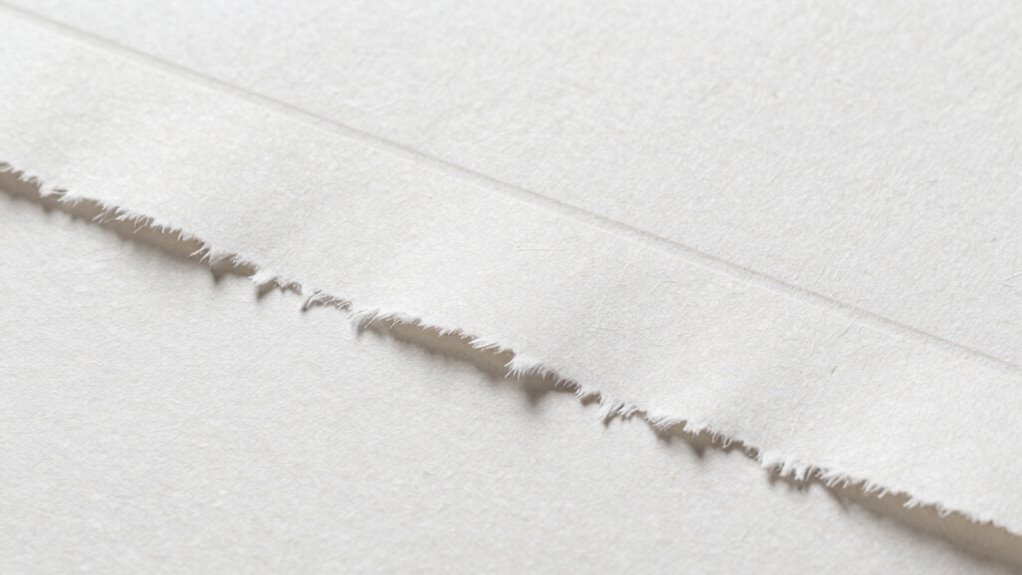
When shopping for art prints or photographs, understanding the difference between print borders and deckled edges can notably impact your purchasing decision. These elements influence not only the visual appeal of the artwork but also how you’ll frame and display it. Print borders are the margins surrounding the main image, often added intentionally or left as part of the printing process. They can serve practical purposes, such as protecting the image during handling or providing space for signatures and editions, but they also affect the overall aesthetic. Deckled edges, on the other hand, are irregular, feathered edges that mimic the look of handmade or vintage prints. They’re created by tearing or specially processing the paper to achieve that soft, uneven border, giving the piece a more organic, tactile feel. Additionally, the printing process can significantly influence the final appearance and quality of both bordered and deckled-edge prints, especially in terms of color accuracy and durability. Understanding the printing techniques involved can help you better assess the durability and craftsmanship of each style, particularly when considering long-term preservation.
A deeper knowledge of artwork preservation can also assist in evaluating the longevity of prints with different features, ensuring your collection remains in excellent condition over time.
Your choice between borders and deckled edges can considerably influence your framing options. Prints with clean borders often lend themselves to more modern, sleek frames, allowing the artwork to stand out with minimal distraction. These borders can also be customized—matted or trimmed—to fit your preferred frame style. Conversely, deckled edges bring a sense of authenticity and craftsmanship that’s ideal for framing in a way that emphasizes the artwork’s handmade or vintage qualities. You might opt for a simple frame that complements the rough edges or choose a custom mat that enhances the organic look. This decision ultimately hinges on your artistic style and how you want the piece to integrate with your existing decor. Moreover, understanding how artwork presentation can be affected by these features helps you make more informed choices.
In terms of artistic styles, borders tend to suit contemporary, minimalist, or clean-lined artworks, where the focus remains on the image itself. They give a polished, finished look that complements modern interior design. Deckled edges, however, are often associated with traditional, fine art, or antique styles, adding a layer of texture and historical charm. They evoke a sense of craftsmanship and authenticity that can elevate the perceived value of your piece. When considering these features, think about how the print’s style aligns with your overall aesthetic. Do you prefer a crisp, modern presentation, or are you drawn to pieces that exude a timeless, handmade quality? Both options have their place, but understanding how borders and deckled edges influence the visual and tactile experience helps you select artworks that resonate with your artistic vision and display preferences.
Ultimately, knowing the differences between print borders and deckled edges allows you to make confident choices. Whether you’re framing for display at home or collecting for investment, these details impact not just how the art looks but how it feels and fits within your space. Pay attention to the artistic style, your framing options, and your personal taste. This awareness ensures you’ll select pieces that truly reflect your style and elevate your collection’s overall aesthetic.
As an affiliate, we earn on qualifying purchases.
Frequently Asked Questions
Are Print Borders Suitable for All Types of Artwork?
Print borders aren’t suitable for all artwork types because border styles and paper textures matter. If your art has intricate details or subtle color gradations, a simple border or no border might work best. For textured papers, borders can enhance the overall look, but they might also overshadow delicate details. You should choose border styles that complement your artwork’s style and consider how paper textures influence the final appearance.
How Do Deckled Edges Affect Artwork Preservation?
Imagine a vintage watercolor with delicate deckled edges, preserved in archival quality paper. Deckled edges can enhance artwork’s aesthetic appeal but may also make it more vulnerable to damage if not properly stored. They expose the paper texture, which can be sensitive to environmental factors like humidity and light. To protect your artwork, use archival framing and store it in a controlled environment, ensuring the deckled edges maintain their beauty over time.
Can Print Borders Be Customized to Match Framing Styles?
Yes, you can customize print borders to match your framing style through various custom border options. Many printers and framing shops offer tailored borders that complement your artwork and fit seamlessly with your chosen frame. By selecting the right border style, you guarantee ideal framing compatibility, enhancing your piece’s overall presentation. Custom borders allow you to personalize your artwork while ensuring it fits perfectly within your framing choice.
Do Deckled Edges Increase the Value of a Print?
Think of a print with a deckled edge like a rare gemstone—its unique, irregular border adds character and charm. Deckled edge techniques, rooted in print border history, can indeed increase a print’s value by highlighting craftsmanship and originality. While not always essential, these edges often evoke a sense of artistry and authenticity, making your artwork stand out and potentially appreciating in worth over time.
Are There Any Printing Techniques That Avoid Borders and Edges?
Yes, there are borderless printing and edge-free techniques that eliminate borders and deckled edges. These methods, like full-bleed printing, extend the image to the edges of the paper, giving a seamless look. They’re perfect if you want a modern, clean appearance without borders. When choosing these techniques, make sure your artwork is correctly prepared to avoid unwanted cropping or white margins, ensuring your print looks just how you envision.
As an affiliate, we earn on qualifying purchases.
Conclusion
Understanding print borders and deckled edges can truly elevate your art collection. Some say deckled edges add authenticity, making each piece feel unique, while borders can offer a sleek, modern finish. But here’s the twist: the true value lies in how these features resonate with your personal style. Trust your instincts—whether you prefer the raw charm of a deckled edge or the clean simplicity of a border, your choice should reflect what speaks to you most.
As an affiliate, we earn on qualifying purchases.
As an affiliate, we earn on qualifying purchases.