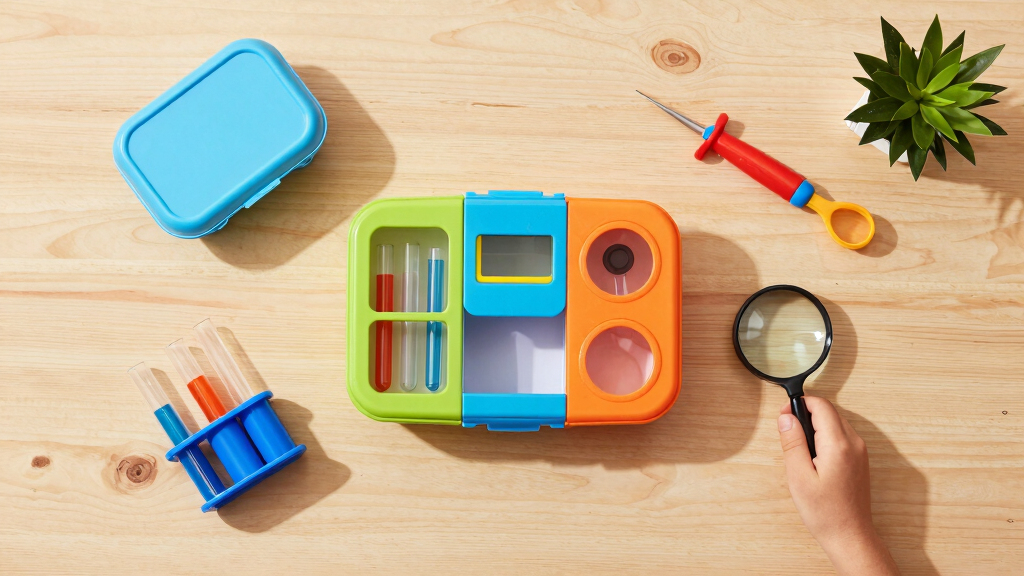

TL;DR
Educational science kits for kids combine fun experiments with learning, promoting curiosity and STEM skills. Modern kits incorporate technology, sustainability, and themed exploration to engage children effectively.
Imagine a box filled with colorful liquids, tiny gears, and mysterious powders. Now picture your child’s eyes lighting up as they watch a volcano erupt or a robot move for the first time. That’s the magic of educational science kits—turning curious minds into future problem-solvers.
These kits aren’t just about fun; they’re about building a foundation in science, technology, engineering, and math. Today, I’ll walk you through what makes a great science kit, recent innovations, and how to pick the perfect one for your child.
Choose kits that match your child’s age, interests, and safety needs for a positive experience.
Modern kits incorporate technology, sustainability, and themed adventures to keep kids excited about science.
A good science kit should include all necessary materials, clear instructions, and safety gear.
Set up a dedicated space and follow a simple plan to turn experiments into meaningful learning moments.
Top kits grow with your child’s curiosity, offering progressive challenges and online resources.
What Makes a Great Science Kit? Key Features You Need to Know
Not all science kits are created equal. The best ones match your child’s age, safety, and curiosity. Think of a kit as a mini laboratory—every piece needs to serve a purpose and be safe to handle.
Here are the must-have features:
- Age appropriateness: Kits for toddlers focus on sensory play, while teen kits challenge with complex experiments.
- Educational value: Look for kits that align with science standards or curricula, covering topics like chemistry reactions or physics principles.
- Hands-on experience: Kids learn best when they touch, see, and do. Materials like test tubes, magnets, or circuit boards make experiments real.
- Safety and quality: Non-toxic, durable parts, clear instructions, and safety gear are essential—especially for younger kids.
- Inclusivity: Modern kits feature diverse imagery and accessible designs to encourage participation from all children.
These features matter because they influence how effectively children engage with the material. For example, age-appropriate kits prevent frustration or safety issues, while high-quality materials ensure durability and safety, fostering confidence in young experimenters. Inclusivity ensures that all children, regardless of background or ability, see themselves in science, which is crucial for encouraging diversity in STEM fields.

UNGLINGA 150 Experiments Science Kits for Kids, S.T.E.M Educational Project Toys for Boys Girls Birthday Gifts Ideas, Volcano, Chemistry Lab Tools Scientist Set
150 EXCITING EXPERIMENTS FOR KIDS: DIY projects to get kids' minds humming, try one of these science experiments,…
As an affiliate, we earn on qualifying purchases.
As an affiliate, we earn on qualifying purchases.
How Modern Science Kits Are Changing the Game
Today’s science kits go beyond simple experiments. They incorporate technology, eco-friendly materials, and themed adventures—turning kids into explorers of space, robots, or nature.
For instance, some kits now include augmented reality apps that bring experiments to life on your tablet. Kids see 3D models of planets or microscopic organisms, deepening understanding without extra fuss.
Recent trends include:
- Digital integration: AR and online platforms create interactive experiences that cater to digital-native children, making learning more immersive and engaging. This not only enhances understanding but also helps develop digital literacy skills.
- Sustainability: Recycled plastics, biodegradable powders, and eco-conscious packaging reflect a growing awareness of environmental impact, teaching children the importance of caring for the planet while learning.
- Themed kits: Curated around topics like space exploration or microbiology, these kits deepen interest by providing context and storytelling, which can motivate sustained engagement and curiosity.
- Subscription models: Regular deliveries keep children excited and continuously learning, allowing for progressive skill-building and ongoing curiosity rather than one-off experiences.
These innovations matter because they make science more accessible, relevant, and sustainable. They also respond to modern children’s preferences for tech and storytelling, which fosters deeper engagement. While these features add layers of complexity, they can also introduce tradeoffs, such as higher costs or the need for parental involvement in technology use, which should be balanced with educational goals.

UNGLINGA 40+ Experiments Science Kit for Kids – Chemistry Set, Educational Toy Gift Idea for Boys and Girls Birthday Christmas S.T.E.M Scientist Learing Toy
More than 40 Exciting Science Experiments for Kids: This science kit includes over 40 entertaining experiments suitable for…
As an affiliate, we earn on qualifying purchases.
As an affiliate, we earn on qualifying purchases.
Top 3 Things to Consider When Picking a Science Kit
Choosing the right science kit isn’t just about the coolest experiments. It’s about matching the kit to your child’s curiosity, safety needs, and educational goals.
Here’s a quick checklist:
| Factor | Why It Matters |
|---|---|
| Age Range | Ensure the kit matches your child’s developmental stage to keep experiments fun and safe. An age-appropriate kit allows children to grasp concepts without feeling overwhelmed or frustrated, which encourages ongoing interest in science. |
| Interest Area | Pick themes like space, biology, or chemistry that excite your child and keep them engaged. When children see their interests reflected in the experiments, they’re more likely to develop a sustained curiosity and deepen their understanding of the subject. |
| Safety & Quality | Look for non-toxic materials, clear instructions, and reputable brands for peace of mind. Quality materials reduce risks of accidents and ensure that the experience is positive, fostering trust and enthusiasm for future experiments. |
For example, a 10-year-old fascinated with rockets would love a kit that includes building a simple launcher and understanding propulsion—plus safety gear, of course. Choosing a kit that aligns with their interests and safety needs makes learning both fun and secure, setting the stage for lifelong curiosity and confidence in science.

UNGLINGA 272 Experiments Science Kit for Kids, Chemistry Set, S.T.E.M Toys Boys Girls Birthday Gifts, Volcano, Crystal, Magic, Physics Lab Educational Learning Project
S.T.E.M PLAY FOR KIDS – Build and erupt a volcano, crystal growing,holographic projection, rainbow walking water and cause…
As an affiliate, we earn on qualifying purchases.
As an affiliate, we earn on qualifying purchases.
How to Make the Most of a Science Kit: 4 Simple Tips
Once you’ve picked the perfect kit, how do you turn it into a memorable learning adventure? Here are four tips:
- Set up a dedicated space: Clear a table or corner that’s all theirs—no interruptions, just pure discovery.
- Follow the instructions: Resist the urge to skip steps. Sometimes the magic is in the details, and rushing can lead to missed learning opportunities or safety hazards.
- Ask questions: Encourage curiosity—”Why did that happen?” or “What if we try this instead?” These questions deepen understanding and promote critical thinking, turning passive experiments into active learning moments.
- Extend the fun: Connect experiments to real-world topics, like visiting a science museum or watching a documentary together. This contextualizes learning, making it more meaningful and memorable.
For example, after building a simple circuit, you could challenge your child to create their own light-up greeting card or mini robot—turning the experiment into a project that consolidates knowledge and sparks creativity.
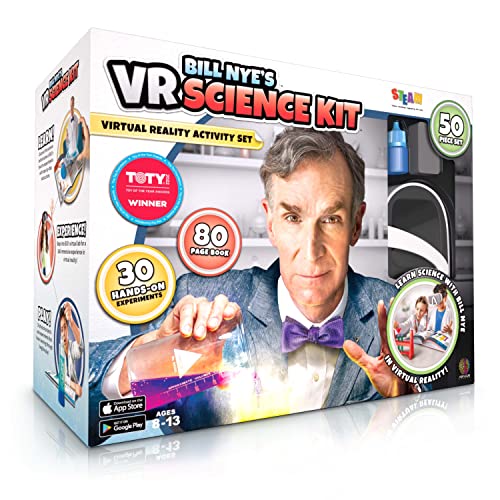
Abacus Brands Bill Nye's VR Science Kit – Virtual Reality Kids Science Kit, Book and Interactive STEM Learning Activity Set (Full Version – Includes Goggles) – for Ages 8 and Up
WINNER OF THE TOTY "STEAM TOY OF THE YEAR AWARD" – Join Bill Nye is his virtual reality…
As an affiliate, we earn on qualifying purchases.
As an affiliate, we earn on qualifying purchases.
What Sets the Best Science Kits Apart from the Rest?
The standout kits aren’t just about cool experiments—they inspire ongoing curiosity and confidence. They include high-quality materials, detailed instructions, and activities that grow with your child, fostering continuous learning and skill development. This progression ensures that children are not only engaged initially but also challenged appropriately as they develop more advanced understanding.
For example, KiwiCo’s Crate series offers different levels, from simple projects for preschoolers to advanced STEM challenges for teens. This layered approach helps prevent boredom and discouragement, making science a lifelong pursuit rather than a one-time activity.
In addition, top brands often include online resources, videos, or community support—making science a shared experience. The goal is to foster a love of discovery that endures beyond individual experiments, helping children develop resilience, problem-solving skills, and confidence in their abilities.
Frequently Asked Questions
Are science kits safe for young children?
Yes, reputable science kits are designed with safety in mind. They use non-toxic, child-safe materials and come with clear instructions and safety gear for younger kids.
What age is best to start with science kits?
Science kits are available for all ages, from toddlers to teens. Choose one suited to your child’s developmental level to keep experiments safe and engaging.
How do I pick the right kit for my kid?
Consider their interests, age, safety, and whether the kit aligns with what they’re curious about—whether space, biology, or chemistry. Reading reviews and checking educational labels helps too.
Can science kits improve my child’s learning?
Absolutely. Hands-on experiments boost understanding, foster problem-solving skills, and make abstract concepts tangible—and fun.
Are eco-friendly options available?
Yes, many brands now focus on sustainable materials, biodegradable powders, and eco-conscious packaging—making science fun and environmentally responsible.
Conclusion
Think of science kits as a doorway—one that opens to a world of wonder, discovery, and confidence. When you pick the right one, you’re giving your child more than just a fun activity. You’re fueling a lifelong curiosity that could lead to the next great inventor or scientist.
So, grab a kit that sparks their interest, set the stage, and watch their eyes light up as they turn curiosity into understanding. After all, the best experiments happen when imagination meets the right tools.