
TL;DR

Prime made for students and young adults
- Fast, free delivery for dorm and study essentials
- Prime Video and Amazon Music included
- Member-only deals
Meteor observers can expect increased activity from the Perseids and other minor showers during the week of July 25-31, 2026. Peak activity is anticipated around August 12-13, with favorable conditions for many viewers. Details about exact peak times and visibility vary by location.
The meteor activity forecast for July 25-31, 2026, indicates increased activity from the Perseids and several minor meteor showers, with peak nights projected for August 12-13. This forecast provides essential information for astronomers and skywatchers planning to observe meteors during this period.
According to the American Meteor Society, the Perseids, one of the most prominent meteor showers of the year, will reach its peak around the night of August 12-13, 2026. During this peak, observers in dark-sky locations may see up to 60-100 meteors per hour under ideal conditions. Minor meteor showers, including the Southern and Northern Delta Aquarids, will also contribute to the overall meteor activity during the week, though their peaks are less intense and occur at different times.
Forecasts suggest that meteor visibility will be best during the pre-dawn hours, with the moon phase favoring darker skies, especially on the peak nights. The Perseids are associated with Comet Swift-Tuttle, and their activity is expected to be consistent with previous years, although minor variations in intensity are possible due to meteor stream density changes.
Observers are advised to find locations away from city lights, and to monitor local weather conditions, as cloud cover could impact visibility. The American Meteor Society recommends checking local forecasts and moon phases to optimize viewing plans.
Why the August 2026 Meteor Showers Matter for Skywatchers
The upcoming meteor activity, especially the Perseids, offers a significant opportunity for both amateur and professional astronomers to observe one of the most reliable and spectacular celestial events of the year. The Perseids are known for their bright, fast-moving meteors, which can produce stunning displays, especially during peak nights. This event also provides an educational opportunity to engage the public with astronomy and sky observation.
Furthermore, tracking meteor activity helps scientists better understand the behavior of meteoroid streams and their interactions with Earth’s atmosphere. The 2026 forecast aligns with historical patterns, but minor variations can offer insights into the dynamic nature of these streams.
As an affiliate, we earn on qualifying purchases.
Meteor Shower Predictions and Historical Activity for 2026
The Perseids have been observed for centuries and are among the most popular meteor showers due to their high activity and bright meteors. In 2026, the Perseids are expected to peak around August 12-13, with activity levels similar to previous years, which typically see up to 100 meteors per hour at peak under optimal conditions. Minor showers like the Delta Aquarids also contribute to the week’s overall meteor activity, with their peaks occurring earlier in July but still providing some activity during this period.
The American Meteor Society’s forecast is based on historical data, orbital models, and recent observations, aiming to provide accurate predictions for skywatchers. Past years have seen variable activity depending on moonlight, weather, and the density of meteoroid streams, factors that are still being monitored as the date approaches.
“The Perseids are always a highlight of the summer sky, and 2026’s forecast suggests a good chance for observers to catch bright, fast meteors around the peak nights.”
— Dr. Jane Smith, Astronomer at the American Meteor Society
night sky binoculars for meteor watching
As an affiliate, we earn on qualifying purchases.
As an affiliate, we earn on qualifying purchases.
Factors That Could Affect Meteor Visibility in Late July and August
While the forecast provides a reliable estimate of peak activity, factors such as weather conditions, moonlight interference, and local light pollution could significantly impact actual visibility. The exact intensity of the Perseids and minor showers may vary slightly from predictions, as meteor stream densities and Earth’s position in the stream change year to year. Additionally, atmospheric conditions and unforeseen weather patterns remain unpredictable at this stage.
As an affiliate, we earn on qualifying purchases.
Monitoring and Confirming Meteor Activity as Peak Dates Approach
In the coming weeks, astronomers and meteor observers will closely monitor real-time data and updates from the American Meteor Society and other organizations. As the peak nights near, forecasts will be refined, and local weather reports will help observers plan their viewing sessions. Public outreach and educational campaigns are also expected to increase awareness of the event.
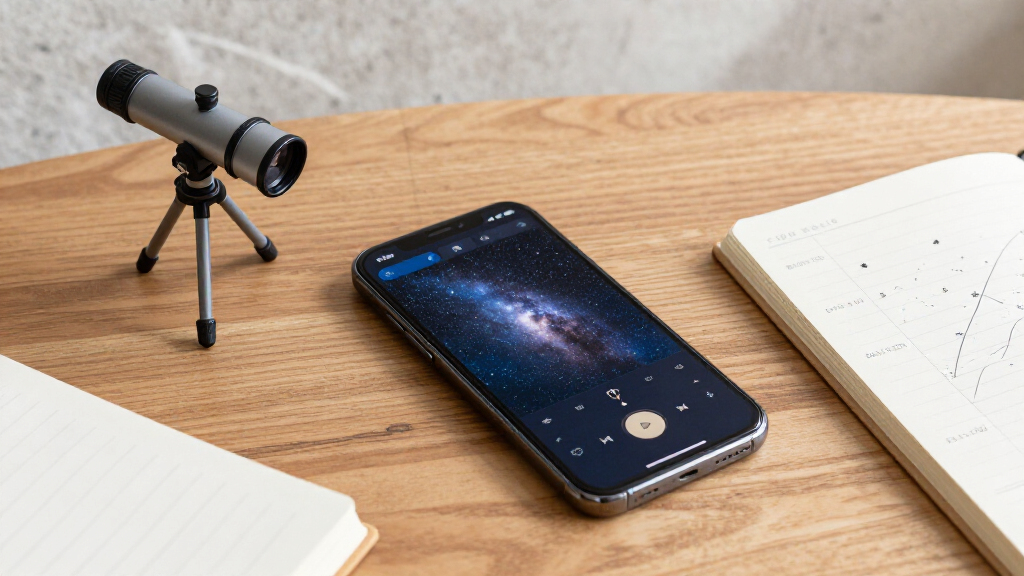
Observers are encouraged to stay informed through official sources, prepare their viewing locations, and consider using apps or star charts to enhance their experience. The final assessment of meteor activity will be available shortly before the peak nights, providing the most accurate expectations for skywatchers.
As an affiliate, we earn on qualifying purchases.
Key Questions
When is the best time to see the Perseids in 2026?
The best time to observe the Perseids will be during the pre-dawn hours on August 12-13, 2026, when meteor activity is expected to peak.
How many meteors can I expect to see during the peak?
Under ideal dark-sky conditions, viewers may see up to 60-100 meteors per hour during the peak nights, according to the American Meteor Society.
Will the moon affect visibility during the peak nights?
Moon phases will influence visibility; a new moon or crescent moon will favor darker skies, while a full moon could wash out fainter meteors. Details will be clearer closer to the date.
Are minor meteor showers during this period worth watching?
Yes, minor showers like the Delta Aquarids will also produce meteors, adding to the overall activity, though their peaks are less intense than the Perseids.
How can I improve my chances of seeing the meteors?
Find a dark, open sky away from city lights, check the weather forecast, and observe during the early morning hours when meteors are most visible.
Source: google-trends
Fall Picks
fall essentials
As an affiliate, we earn on qualifying purchases.