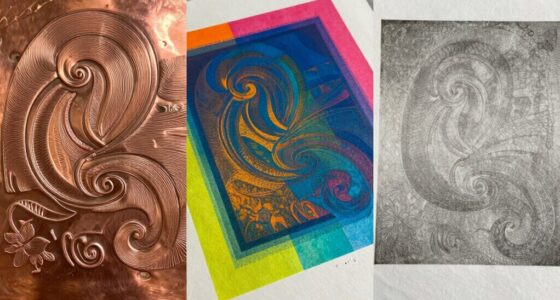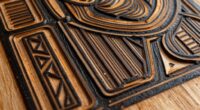
A monotype is a unique printmaking method where you apply ink or paint to a smooth surface and transfer it onto paper, creating a one-of-a-kind image. Unlike traditional prints, each piece is spontaneous, blending painting and printmaking for vivid textures and dynamic effects. Your personal touch and experimentation lead to unpredictable results, making every print special. To discover more about how this fascinating process works and its artistic potential, keep exploring further.

Prime made for students and young adults
- Fast, free delivery for dorm and study essentials
- Prime Video and Amazon Music included
- Member-only deals
Key Takeaways
- Monotype is a unique printmaking process creating one-of-a-kind images by transferring ink or paint from a smooth surface to paper.
- Unlike traditional prints, monotypes emphasize spontaneity, unpredictability, and individual artistic expression, resulting in singular artworks.
- Artists apply ink or paint directly onto surfaces like plexiglass, then carefully transfer the image through pressing or rubbing.
- Techniques include layering textures, using tools like brushes or sponges, and experimenting with mixed media for dynamic effects.
- Notable artists such as Degas and Goya explored monotype’s expressive potential, highlighting its capacity for capturing fleeting moments and emotions.
As an affiliate, we earn on qualifying purchases.
What Is a Monotype? Understanding Its Unique Style
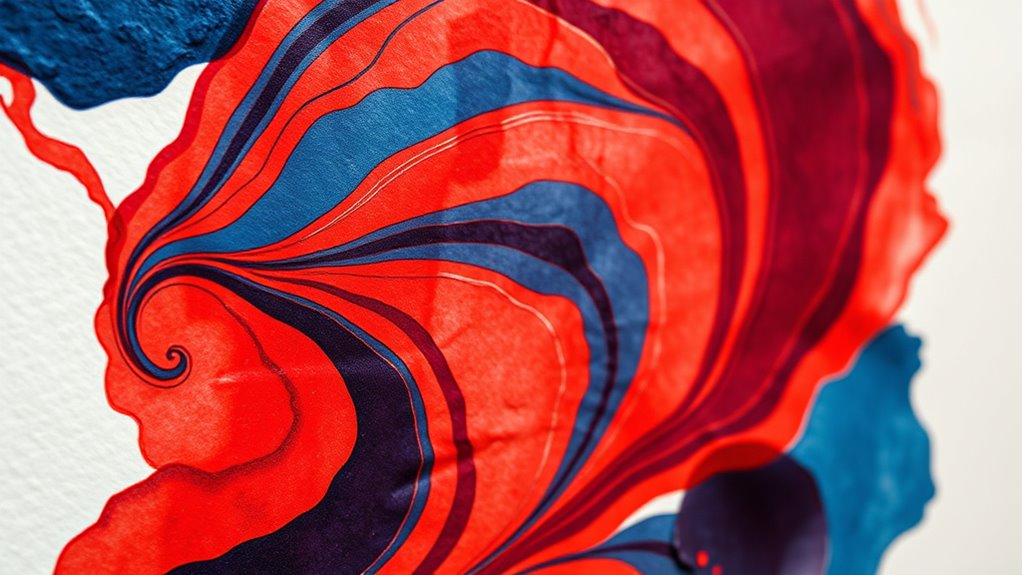
Have you ever wondered what makes a monotype so distinct from other prints? Its unique style stems from its rich printmaking history and emphasis on artistic experimentation. Unlike traditional prints that rely on multiple identical copies, a monotype is a one-of-a-kind artwork created by applying ink or paint onto a smooth surface, then transferring it to paper. This process allows for spontaneous and unpredictable results, emphasizing the artist’s direct involvement. Artists have long valued monotypes for their immediacy and inventive possibilities. The technique encourages exploration, blending painting and printmaking to produce vivid, textured images. Its roots in printmaking history highlight a desire to push creative boundaries, making each monotype a singular, expressive piece unlike any other print. Additionally, the use of high-quality materials and careful calibration during the process can significantly influence the final outcome, demonstrating the importance of technical precision in creating unique monotypes. Furthermore, understanding printmaking techniques can enhance an artist’s ability to manipulate the process and achieve desired effects. By studying traditional methods, artists can expand their creative toolkit and unlock new expressive potential in monotype creation. Moreover, mastering technical skills ensures consistency and quality in producing distinctive, impactful prints. Incorporating knowledge of modern innovations can also inspire new approaches and enhanced control in the monotype process.
As an affiliate, we earn on qualifying purchases.
How Do Artists Make Monotype Prints? The Creative Steps

You start by applying ink to a smooth surface, using brushes or tools to create your design.
Next, you carefully transfer the image onto paper by pressing or rubbing, ensuring the ink sticks and captures your artwork.
This process lets you turn your creative ideas into unique, one-of-a-kind monotype prints.
Incorporating free floating techniques can enhance the spontaneity and originality of your printmaking process.
Applying the Ink
How do artists transfer their designs onto the printing surface? They carefully apply ink using brush techniques that control the flow and texture, ensuring smooth coverage without overloading the plate. The ink consistency is essential; it should be fluid enough to glide easily but not so thin that it spreads uncontrollably.
You might start with a small amount of ink and add more as needed, adjusting until it feels just right. Using a bristle brush or a roller, you spread the ink evenly, working into the details of your design. Precision in applying the ink helps preserve the delicate lines and textures you want to capture.
Once the surface is covered to your satisfaction, you’re ready to create your monotype print, knowing the ink application is just right.
Transferring the Image
Once the ink is applied and your design is ready, the next step is transferring the image onto the printing surface. To do this, carefully place your paper or glass over the inked surface, ensuring proper alignment. During ink transfer, you’ll press gently, allowing the ink to move from the surface onto your paper. This process often involves image layering, where you can add multiple colors or textures by repeating the transfer with different inks or masks. The key is controlling pressure and timing to achieve a clear, crisp image. As you lift the paper, observe how the ink has transferred, revealing your unique, one-of-a-kind print. Proper pressure control ensures the best results without smudging or incomplete transfers. Understanding printmaking techniques helps artists achieve desired effects and avoid common pitfalls, ultimately enhancing the quality of their monotype art. Perfecting this step allows you to capture the depth and nuance characteristic of monotype art.
As an affiliate, we earn on qualifying purchases.
Essential Materials and Tools for Monotype Printing
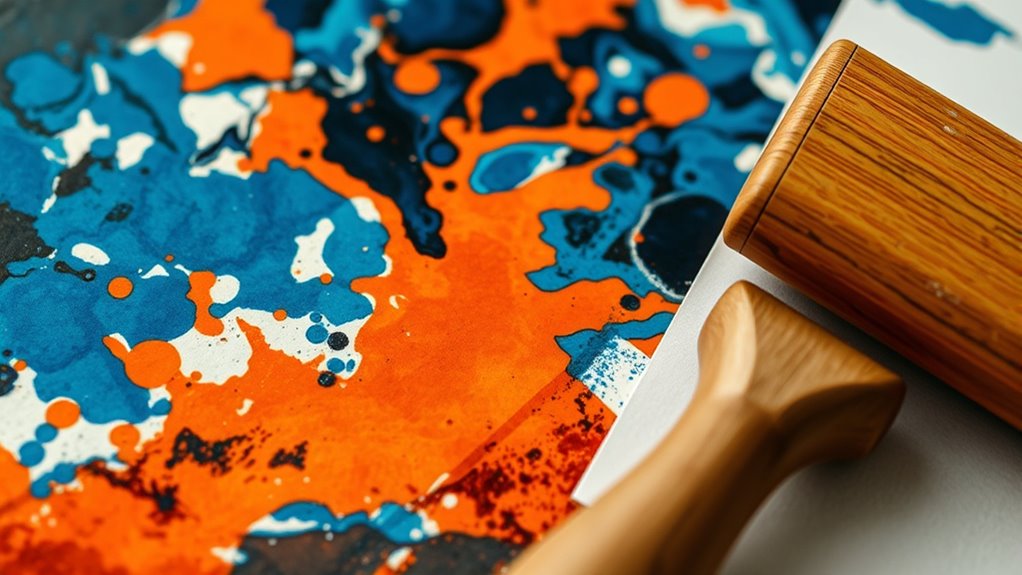
To create successful monotype prints, having the right materials and tools is essential. Your setup should include a smooth, non-porous surface like plexiglass or acetate, which allows for easy manipulation and clean transfers. Using high-quality inks designed specifically for printmaking ensures vibrant, durable results and reduces the risk of smudging or fading over time. You’ll need oil-based or water-based inks specifically designed for printmaking, ensuring vibrant, durable results. A brayer helps spread the ink evenly, while brushes or palette knives allow for detailed mark-making. A baren or clean roller is necessary for pressing the print onto paper. Understanding printmaking history reveals how artists drew inspiration from traditional methods, emphasizing the importance of materials and techniques. Additionally, selecting proper paper types can greatly influence the final appearance and longevity of your monotype. Exploring various printing methods opens up endless creative possibilities, making each monotype a truly unique piece—truly a reflection of your artistic inspiration. Incorporating experimental approaches can further expand your artistic expression and help you discover new textures and effects.
As an affiliate, we earn on qualifying purchases.
How to Create Different Textures and Effects in Monotypes
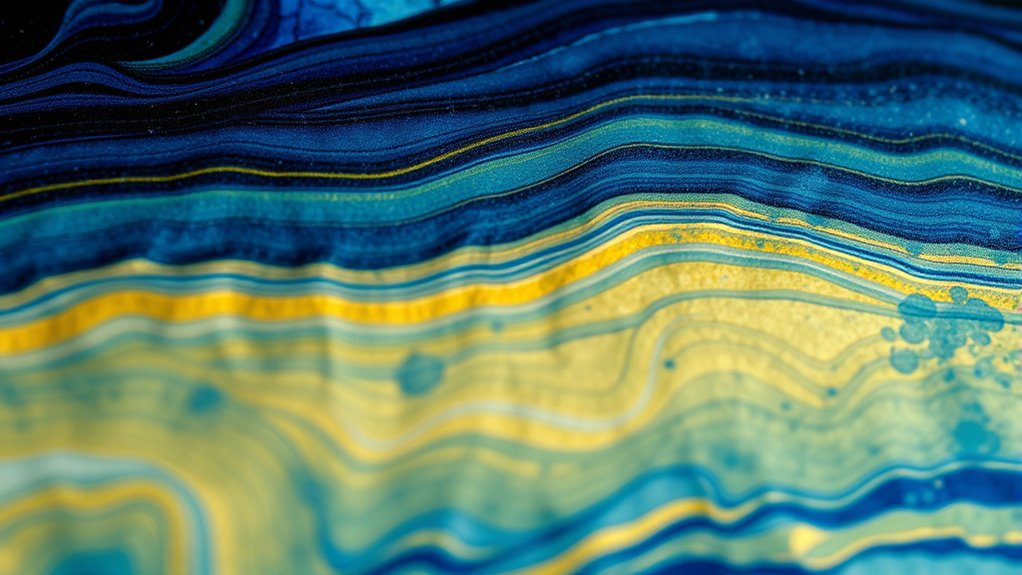
By experimenting with different tools and techniques, you can create a wide range of textures and effects in your monotypes. Texture exploration is key to adding depth and interest to your prints. Use items like combs, sponges, palette knives, or textured fabrics to manipulate the ink or paint. Incorporating mixed media techniques by layering materials such as tissue, charcoal, or collage elements to produce unique surface qualities can further enhance the visual complexity of your work. Understanding texture techniques can help you better control the surface quality of your prints, making each piece uniquely yours. Exploring surface manipulation allows artists to push the boundaries of traditional monotype methods and achieve more dynamic results. Developing a keen sense of surface quality can lead to more intentional and expressive prints. Here’s a quick guide:
| Tool/Technique | Effect |
|---|---|
| Combs | Fine lines, ripple textures |
| Sponges | Soft, mottled effects |
| Collage Elements | Raised textures, visual interest |
Balancing Spontaneity and Control in Monotype Art
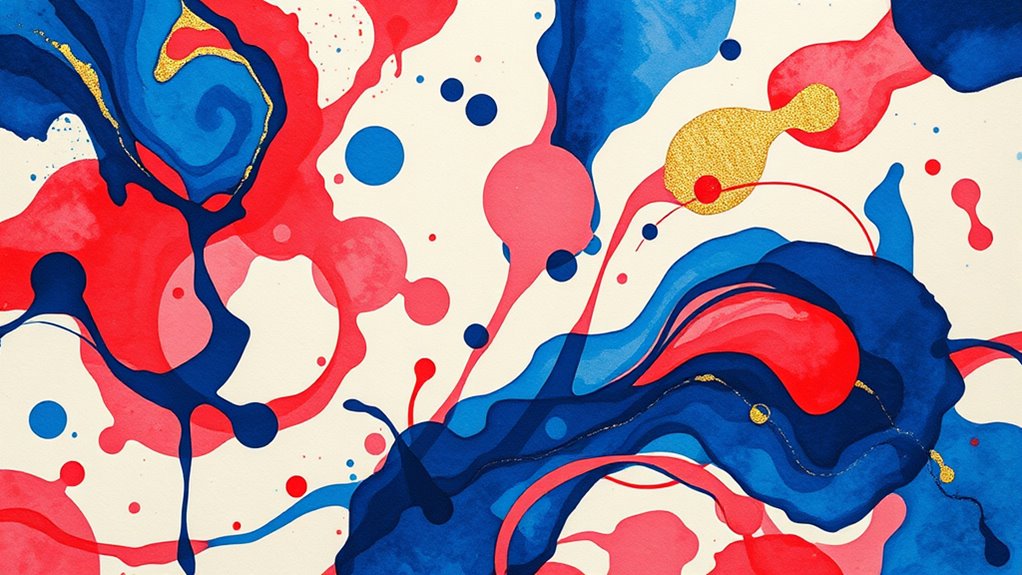
Balancing spontaneity and control is essential to creating compelling monotype art. You want to embrace spontaneous design, allowing your instincts to guide the initial marks and textures. This spontaneity fuels originality and uniqueness in each print.
At the same time, controlled experimentation helps refine your vision, giving you the opportunity to manipulate inks, tools, and techniques deliberately. By blending free-flowing creativity with strategic adjustments, you can steer your artwork toward a cohesive composition without stifling its organic essence.
It’s about knowing when to let go and when to step in with precision. Mastering this balance transforms your monotype from a random impression into a deliberate, expressive piece that captures both spontaneity and control. Incorporating visual and auditory cues can also enhance your process, helping to refine your technique and achieve the desired balance.
Monotypes vs. Other Printmaking Methods: What Sets Them Apart?
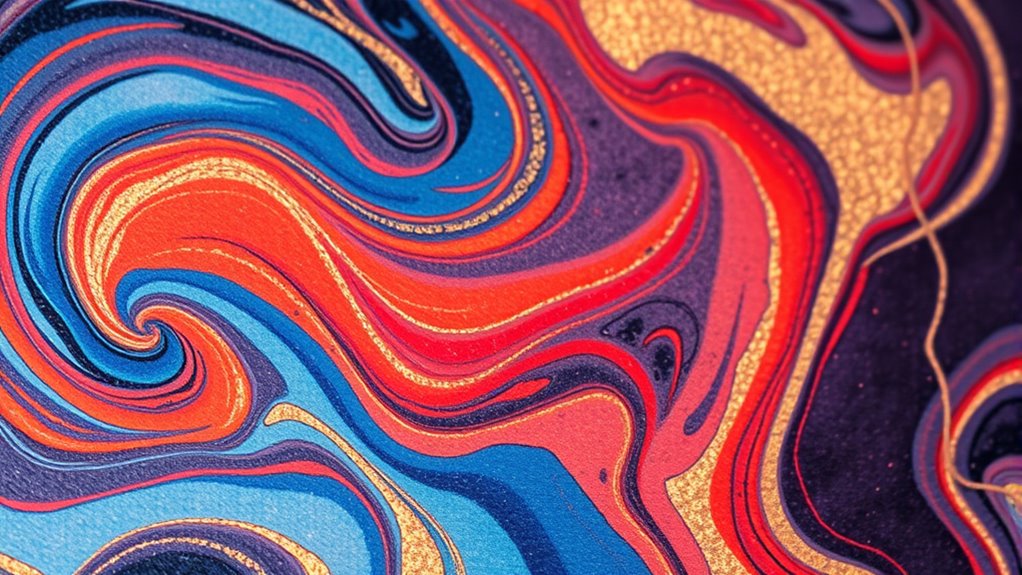
Monotypes stand out among printmaking methods because they produce one-of-a-kind images that can’t be exactly replicated, unlike more traditional techniques such as etching or lithography. This uniqueness stems from their spontaneous and painterly nature, which emphasizes individual expression.
Monotypes are unique, spontaneous prints that emphasize individual expression and cannot be exactly reproduced.
In printmaking history, monotypes are seen as a bridge between painting and printmaking, offering artists greater freedom. Their artistic influence is evident in how artists value the direct, experimental process, often resulting in unpredictable yet striking results.
Unlike edition-based methods, monotypes are singular creations, making each piece truly unique. This sets them apart, emphasizing individuality and immediacy in art.
If you seek a method that combines spontaneity with originality, monotypes offer a distinctive approach that’s hard to match.
Famous Artists and Iconic Works Using Monotype Techniques
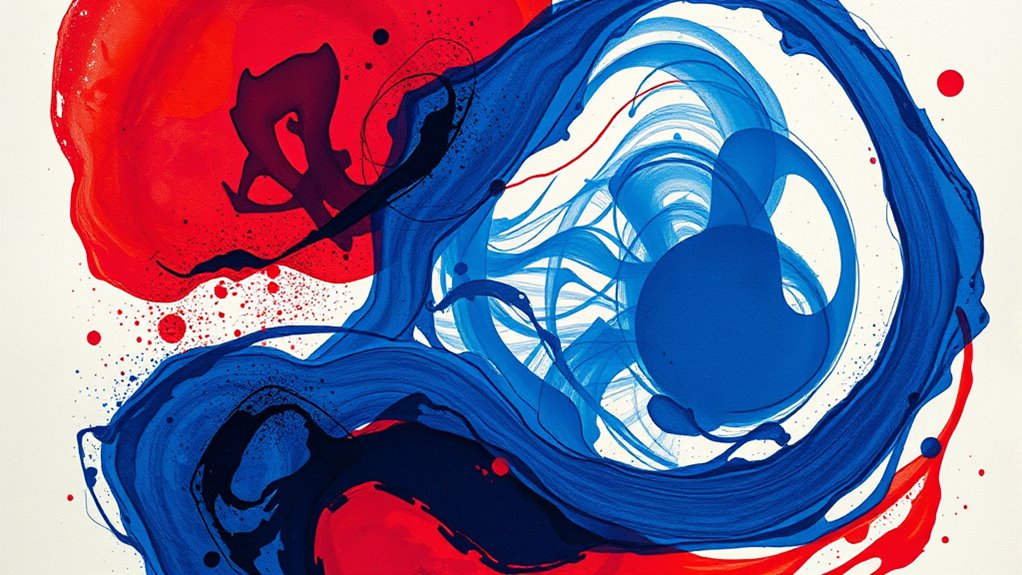
Throughout art history, numerous artists have embraced the spontaneous and expressive qualities of monotype techniques to create memorable works. Famous artists like Edgar Degas and Francisco Goya explored monotype’s unique potential, producing iconic works that showcase their mastery of spontaneity. Degas, for instance, used monotype to capture fleeting moments and lively textures, elevating the method’s reputation. Goya’s experimental approach led to intense, emotionally charged images that remain influential. Contemporary artists, too, have embraced monotype for its one-of-a-kind results, creating iconic pieces that highlight the immediacy and unpredictability of the process. These works stand out because each monotype is truly unique, reflecting the artist’s direct engagement and the magic of chance. The fusion of tradition and innovation in monotype art continues to inspire new generations of creators, ensuring its relevance in contemporary art practices. Their contributions underscore monotype’s enduring importance in the art world, especially as artists explore innovative techniques that push the boundaries of traditional printmaking and utilize digital tools to expand creative possibilities. Additionally, understanding the Mental Wellbeing Index can help artists incorporate mindfulness and emotional awareness into their creative process, fostering a deeper connection with their work and audience. Recognizing the emotional impact of monotype art highlights how spontaneity can enhance personal expression and emotional resonance.
Tips for Beginners Starting Out With Monotype Prints
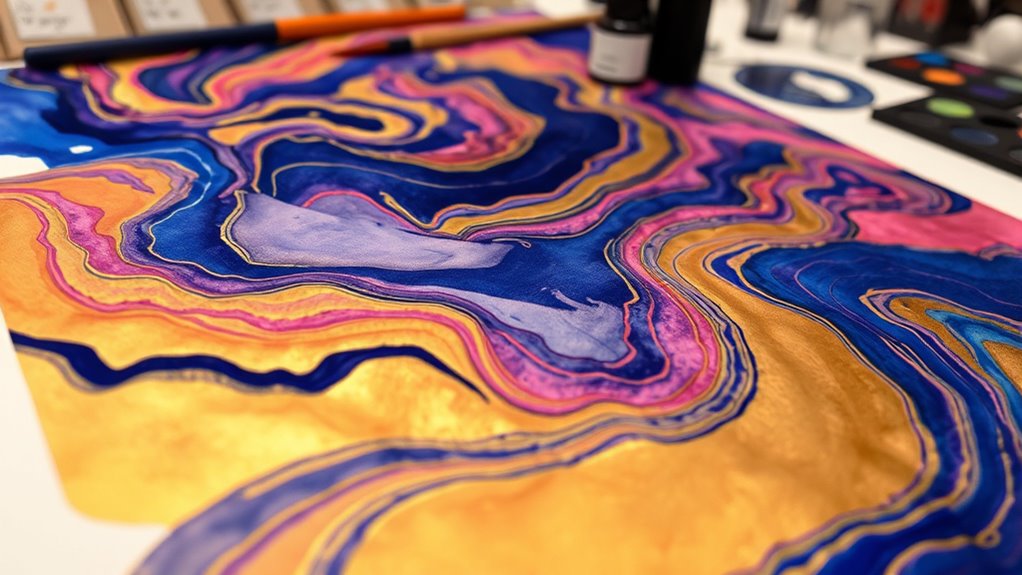
Getting started with monotype printing can be both exciting and intimidating, but focusing on simple techniques will help you build confidence. Begin by experimenting with different paper textures, such as smooth or textured surfaces, to see how they affect the final print. Using high-quality, oil-based inks can provide richer colors and better adhesion, but water-based inks are easier to clean and work with initially. Don’t overthink the process; start with basic mark-making and layering techniques. Keep your tools and materials organized, and practice on scrap paper before working on your final piece. As you gain experience, you can explore more complex textures and ink combinations. Incorporating proper cleaning and maintenance ensures your supplies remain in good condition, making your printing process smoother. Learning about ink compatibility can also help you choose the best materials for your projects. Developing a consistent printing technique allows for more predictable results over time. Patience and experimentation are key to discovering what works best for your style. Additionally, understanding how proper ventilation impacts your workspace can help ensure a safer and more comfortable environment for your printmaking practice.
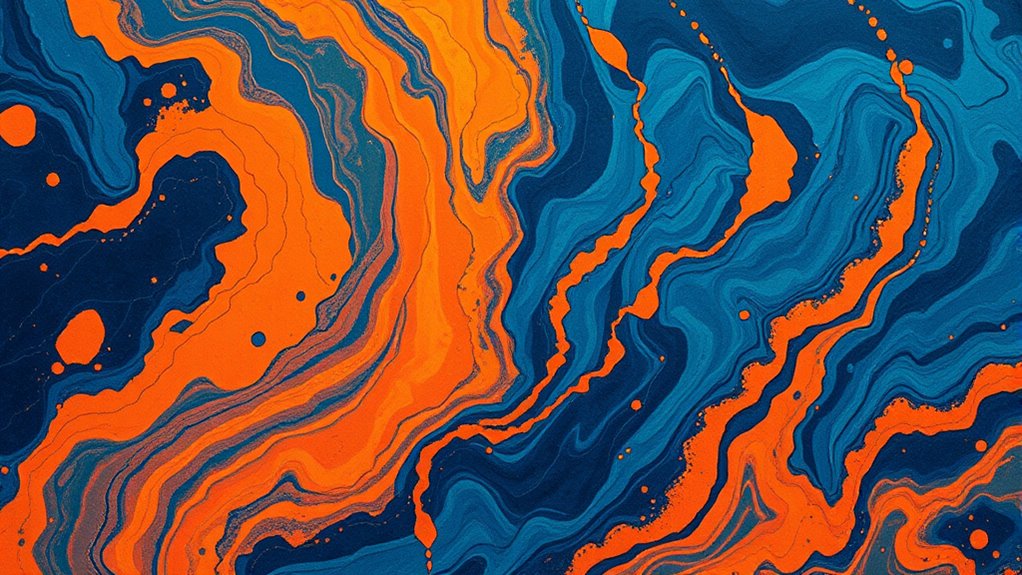
While monotype printing is often seen as a single, unique image, there are several related techniques that expand your creative possibilities. Monoprints, for example, allow you to create similar images with slight variations by adjusting ink consistency and color layering.
By manipulating ink consistency, you can achieve different textures and transparency levels, opening new visual effects. Color layering is essential; layering multiple colors can produce rich, complex images or subtle shifts in tone.
You can also experiment with techniques like chine-collé or using different tools to add texture or detail. These variations help you push beyond the traditional monotype, offering more options to explore your artistic expression while keeping the process spontaneous and experimental.
Frequently Asked Questions
Can Monotype Prints Be Reproduced or Are They One-Of-A-Kind?
You might think monotype prints can be easily reproduced, but they’re actually one-of-a-kind due to reproducibility concerns. Each print is unique because of the spontaneous, painterly process involved, which makes it difficult to replicate exactly.
What Are Common Mistakes to Avoid in Monotype Printing?
You should avoid ink smudging by working quickly and keeping your hands clean. Carefully select the right paper—smooth, absorbent paper works best to prevent tearing and uneven ink distribution.
Make sure to evenly spread ink and not overload your plate. Also, test your techniques on scrap paper first.
These steps help you create clean, crisp prints without smudging or paper issues, ensuring a successful monotype process.
How Long Does It Typically Take to Complete a Monotype Piece?
It typically takes about 30 minutes to a few hours to complete a monotype piece, depending on your creation duration and drying time.
You’ll spend time applying your inks or paints, waiting for layers to dry, and possibly adding details. Keep in mind, drying time varies with materials used and thickness.
Rushing can smudge your work, so be patient to guarantee your print dries thoroughly before handling.
Are Monotype Prints Suitable for Framing and Long-Term Display?
Yes, monotype prints are suitable for framing and long-term display. To guarantee their preservation, you should consider art conservation principles and use proper framing techniques, like UV-protective glass and acid-free mats.
This helps prevent fading, discoloration, and damage over time. By choosing the right materials and framing methods, you can enjoy your unique monotype print for years without compromising its quality.
How Does the Drying Process Affect the Final Appearance of a Monotype?
The drying process considerably impacts your monotype’s final look. Using proper drying techniques, like air drying or gentle heat, guarantees your print’s colors develop fully and stay vibrant.
If you rush drying, colors might fade or blur, affecting detail and contrast. Patience in drying allows the ink to set properly, preserving the unique textures and color development that make each monotype special.
Conclusion
Now that you understand what makes monotype prints unique, you’re ready to explore your own creative possibilities. Embrace the spontaneity and experiment with textures, colors, and techniques to develop your personal style. Remember, each monotype is a one-of-a-kind masterpiece, so enjoy the process and don’t be afraid to try new approaches. With practice, you’ll create stunning, original art that truly reflects your artistic voice. Happy printing!
Columbus Day / Indigenous Peoples' Day Picks
long weekend sales
As an affiliate, we earn on qualifying purchases.