Patina on metal is a natural or controlled oxidation process that creates vibrant, protective surface layers through chemical reactions with air, moisture, and pollutants. These layers develop unique colors and textures, like the green verdigris on copper or warm browns on bronze. By applying specific chemicals or treatments, you can intentionally create stunning patinas. To master this fascinating technique and keep your finish beautiful, explore the detailed methods and preservation tips that follow.
Key Takeaways
- Patina is a controlled oxidation process that creates a protective, visually appealing surface on metals like copper and bronze.
- Artists and restorers use chemicals and environmental controls to induce specific colors and textures in metal patinas.
- Proper surface preparation, application techniques, and sealants are essential for achieving durable, consistent patinas.
- Environmental factors such as humidity, pollution, and exposure influence patina development and longevity.
- Regular maintenance and gentle cleaning help preserve the aesthetic and protective qualities of the patina over time.
metal patina kit for copper and bronze
As an affiliate, we earn on qualifying purchases.
As an affiliate, we earn on qualifying purchases.
What Is Metal Patina and How Does It Form?
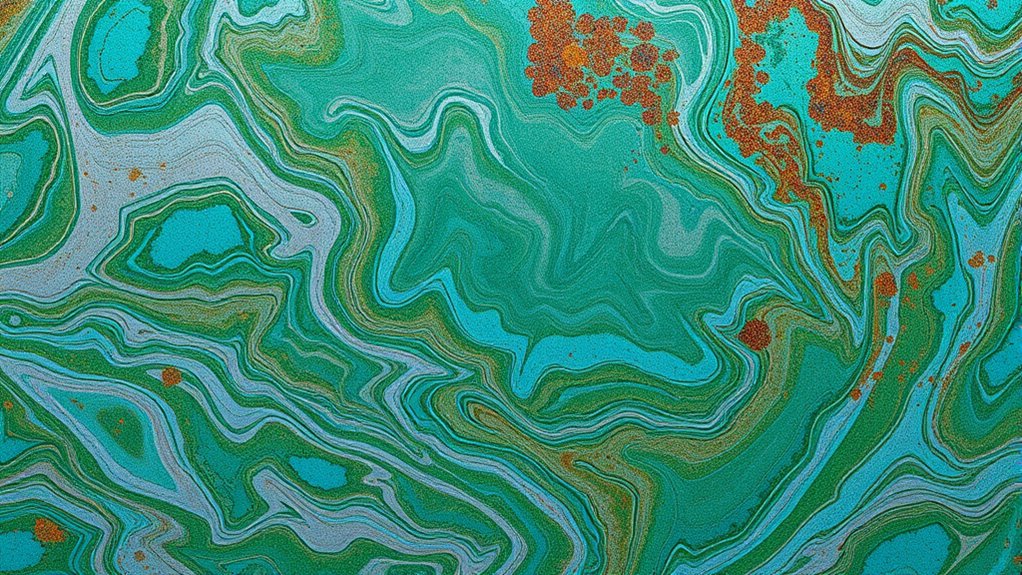
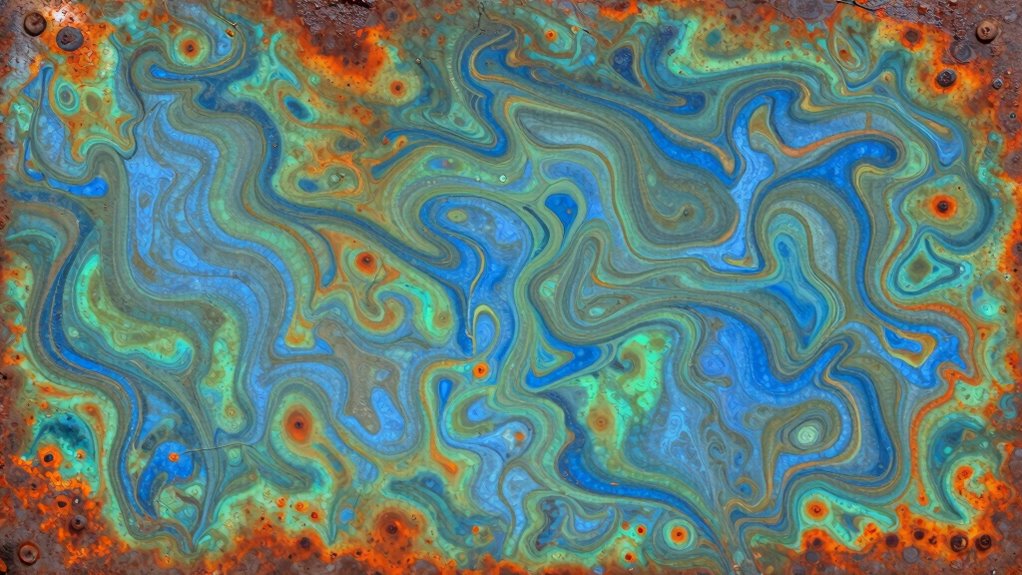
Have you ever wondered what gives aged metal its distinctive color and texture? Metal patina forms through a natural or controlled oxidation process, creating a protective layer that changes the metal’s appearance. This process can be intentionally controlled oxidation to achieve specific aesthetic effects, making it a popular technique in artistic and architectural applications. Historically, this process has held cultural significance, often symbolizing age, authenticity, or craftsmanship. Environmental effects play an essential role, as exposure to air, moisture, and pollutants accelerates patina development. For example, copper reacts with oxygen and carbon dioxide, developing a greenish hue called verdigris, while iron forms rust. These layers not only enhance aesthetics but also protect the underlying metal from further corrosion. The chemistry behind these reactions involves complex oxidation processes that vary depending on the metal type and environmental conditions. Recognizing the environmental factors influencing patina formation helps in controlling and predicting its development, which is crucial in preservation and restoration efforts. Additionally, understanding the metal’s composition aids in selecting appropriate treatments to either encourage or inhibit patina growth. Moreover, technological advancements now allow for more precise control over patina processes, enabling artists and restorers to achieve desired effects with greater consistency. Understanding how patina forms helps you appreciate its value—not just as a visual feature but as a testament to a metal’s history and interaction with its environment.
chemical patina solution for metal art
As an affiliate, we earn on qualifying purchases.
As an affiliate, we earn on qualifying purchases.
Different Types of Patina and What Makes Them Unique
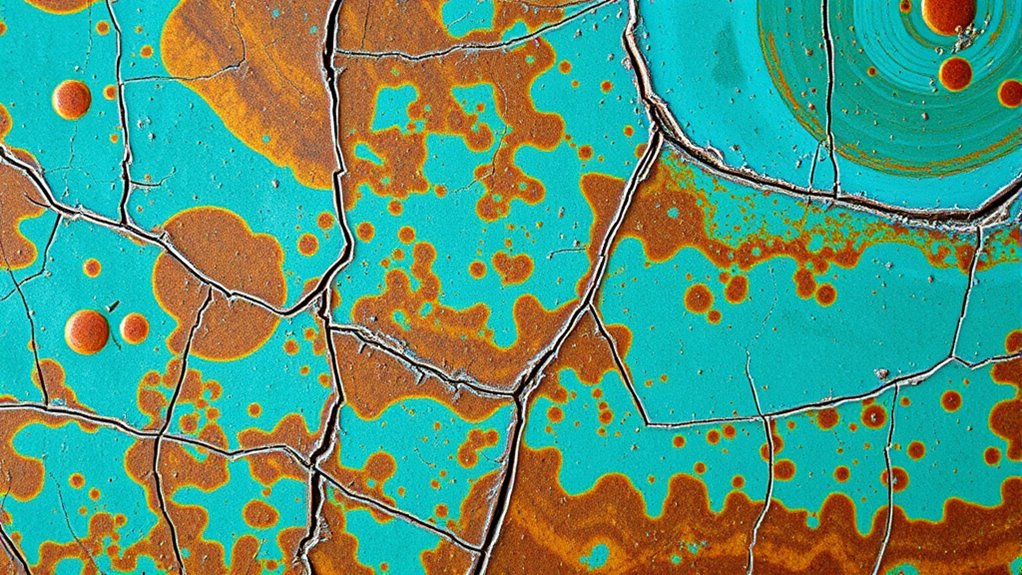
Different types of patina develop depending on the metal involved and the environmental conditions it’s exposed to, giving each its own distinct appearance and character. These variations are driven by chemical reactions between the metal and elements like oxygen, sulfur, or acids, creating unique color variations. For example, copper develops a vibrant green or turquoise patina, while bronze often shows warm brown or reddish hues. The specific chemical reactions determine the shade, intensity, and texture of the patina, making each piece one-of-a-kind. Exposure to different environments, such as marine air or industrial pollution, influences these reactions further. As a result, the patina’s appearance reflects both the metal’s nature and its surroundings, giving each piece a story and character that’s both natural and enthralling. Understanding the chemical processes involved can help artists and collectors better appreciate and preserve the beauty of patinated metal. Recognizing how environmental factors influence these reactions allows for better control over the patina development process. Additionally, controlled oxidation techniques can be employed to intentionally develop specific patina effects, enabling artistic expression and consistency.
metal sealant for preserving patina
As an affiliate, we earn on qualifying purchases.
As an affiliate, we earn on qualifying purchases.
How to Create Patina on Various Metals
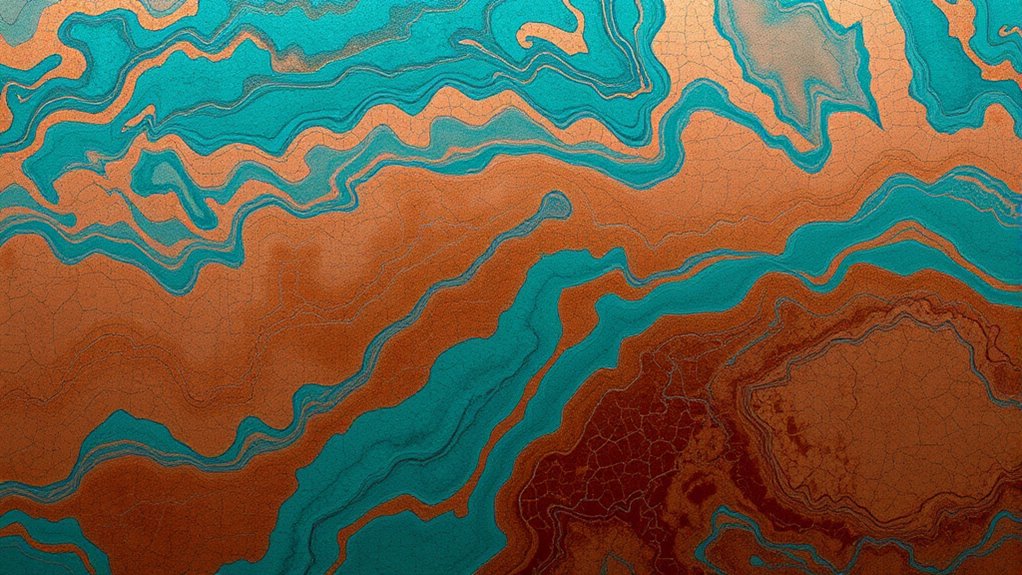
Creating a patina on various metals involves applying specific chemicals or treatments that react with the metal’s surface to produce desirable colors and textures. Historically, artisans used natural methods like vinegar and salt on copper or bronze, reflecting the cultural significance of aging techniques. Today, you can replicate these effects with commercial solutions or homemade mixtures, depending on the metal type. For example, copper develops a vibrant green patina, while steel can be darkened with ferric chloride. Here’s a deeper understanding: Understanding oxidation processes allows for more precise control over the final appearance and longevity of your patina. Recognizing the chemical reactions involved helps in selecting the appropriate treatment for each metal type. Furthermore, understanding the corrosion mechanisms can improve the durability of the patina over time. Additionally, controlling environmental factors like humidity and temperature can help in managing the aging process to achieve consistent results.
metal oxidation and patina preservation supplies
As an affiliate, we earn on qualifying purchases.
As an affiliate, we earn on qualifying purchases.
Essential Tools and Materials for Patina Art
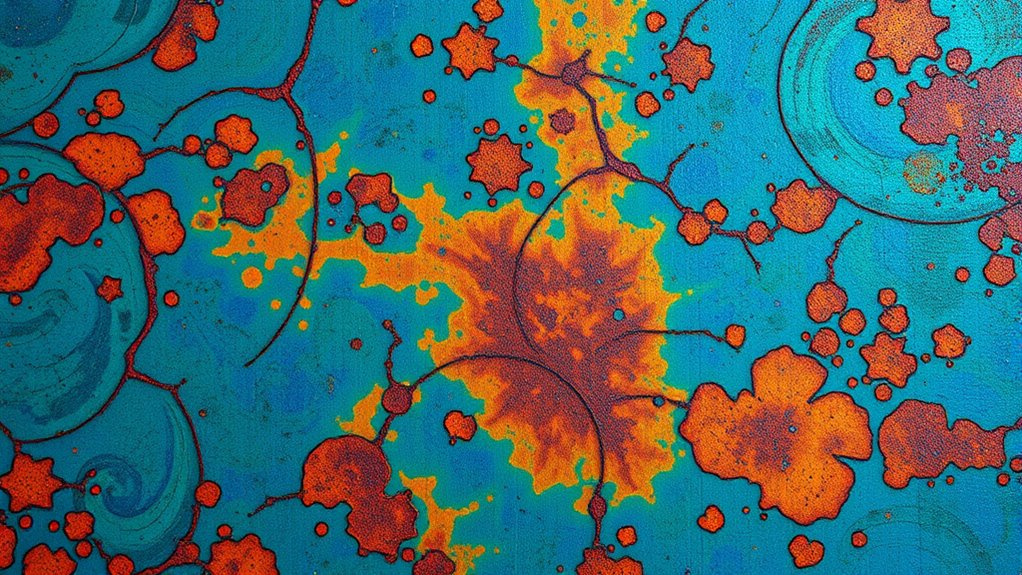
To achieve the best results in patina art, you need the right tools and materials at your fingertips. Essential items include brushes, spray bottles, and protective gear to handle metal coloring solutions safely. Proper tool maintenance ensures longevity and consistent performance of your equipment. You’ll also want chemical patinas, acids, and oxidizers suited for different metals, along with sealants to preserve your work. Using these materials, you can explore various artistic techniques to create unique, vibrant patinas. A clean workspace and proper ventilation are vital, especially when working with chemicals. Keep a palette for mixing colors and test your solutions on scrap metal before applying them to your piece. Additionally, understanding metal composition can help you select the most effective treatments for your specific project. Developing a working process that includes safety protocols and trial runs can greatly improve your results and confidence. Incorporating proper safety precautions can prevent accidents and ensure a safer working environment. Being familiar with oxidation processes can also help you predict and control the development of your patina. With the right tools and materials, you can experiment confidently and achieve stunning, lasting finishes that elevate your metal art projects.
Proven Tips for Achieving and Maintaining Beautiful Patina
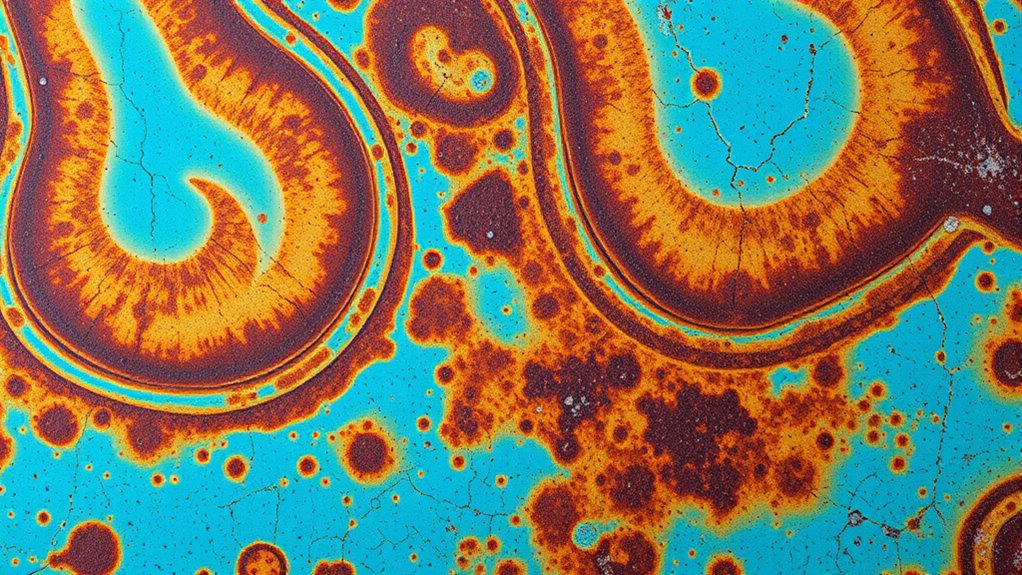
Achieving and maintaining a beautiful patina requires patience and attention to detail. To enhance metal aging naturally, start with clean, prepared surfaces to guarantee even oxidation. Proper surface preparation ensures consistent and attractive results. Use controlled techniques like applying acids or chemical solutions carefully, monitoring the process to prevent over-oxidation. Consistent application helps develop a uniform, attractive patina while boosting corrosion resistance over time. Protect your work from environmental factors like moisture and pollution that can disrupt the oxidation process or cause uneven aging. Managing environmental conditions plays a crucial role in developing a stable and lasting patina. Additionally, understanding navigation and mapping techniques can help in precisely controlling where and how the oxidation occurs, especially when working on large or complex pieces. Regularly inspect and lightly clean the patina to preserve its beauty without removing the layer altogether. Incorporating monitoring techniques can further ensure the process remains controlled and predictable throughout the oxidation period. Being aware of ambient temperature and humidity can significantly influence the oxidation rate and final appearance of the patina.
How to Protect and Preserve Your Patina Finish

To keep your patina looking its best, choosing the right sealant is essential, and there are several options suited for different finishes. Regular maintenance and timely touch-ups help prevent damage and keep your metal looking vibrant. Additionally, understanding seasonal checklists can help you schedule appropriate cleaning and preservation routines throughout the year. Being aware of indoor air quality considerations can also support the longevity of your patina by reducing environmental stresses. Incorporating simple maintenance routines can further extend the life and beauty of your patina, making upkeep more manageable over time. Being mindful of environmental factors, such as humidity and pollution levels, can also significantly influence the preservation process, and using protective coatings can provide an added layer of defense against these elements.
Sealant Options and Uses
Are you wondering how to keep your metal’s beautiful patina looking its best over time? Using the right sealant types is essential for long-lasting protection. Clear acrylic or epoxy sealants are popular options that provide a durable barrier against moisture and pollutants.
When applying, use clean brushes or sprayers to ensure even coverage, and follow the manufacturer’s instructions carefully. Clean the surface thoroughly before sealing to prevent dust or oils from affecting adhesion.
Multiple thin coats often work better than one thick layer, and allow adequate drying time between applications. Proper application techniques help preserve the vibrant colors and textures of your patina, preventing deterioration while showcasing the artistic oxidation process.
Maintenance and Touch-Ups
Maintaining the beauty of your patina finish requires regular care and gentle touch-ups. To keep it looking vibrant, use proper cleaning techniques—mild soap and soft cloths prevent damage while removing dirt and fingerprints. Avoid abrasive cleaners that can strip the patina or alter its color.
For color enhancement, light reapplication of a protective wax or sealant can deepen the hues and add a subtle glow. If spots or uneven color appear, carefully blend with a small brush or sponge, matching the original tone.
Regular maintenance helps preserve the authentic look and prevents deterioration. Remember, patience is key; gentle handling guarantees your patina remains a stunning, lasting feature of your metal piece.
Frequently Asked Questions
Can Patina Be Removed or Reversed if Desired?
Yes, you can remove or reverse patina if you want. Chemical removal methods, like using specific cleaning solutions, can strip away the oxidation layer.
Restoration techniques, such as polishing or applying a protective coating, help restore the original metal appearance.
Just be careful with the chemicals and processes, as aggressive treatments might damage the metal.
Always test on a small area first and consider consulting a professional for delicate pieces.
How Long Does a Typical Patina Process Take?
The typical patina process takes anywhere from a few hours to several days, depending on the desired effect. You influence the timing through application techniques and controlling chemical reactions, such as using specific solutions or environmental conditions.
For a faster patina, apply the chemicals more intensely or in layers. Patina development varies based on metal type, chemical concentration, and ambient factors, so monitor the process closely to achieve your perfect finish.
Are There Any Safety Concerns When Creating Patina?
You should definitely consider safety precautions when creating patina, as it involves chemical handling that can be hazardous. Always wear gloves, goggles, and a mask to protect your skin, eyes, and lungs from fumes and splashes.
Work in a well-ventilated area, and follow the manufacturer’s instructions carefully.
Properly dispose of any leftover chemicals to prevent environmental harm.
Staying cautious guarantees your process is safe and successful.
Can Patina Be Applied to Non-Metal Surfaces?
Yes, you can apply patina to non-metal surfaces to create unique artistic surfaces and decorative finishes.
For example, you might use special paints, dyes, or chemical treatments on materials like wood, concrete, or even glass to mimic the appearance of aged metal.
Just make certain you choose appropriate products designed for those surfaces, follow safety instructions, and test small areas first to achieve the desired effect without damaging the material.
How Does Environmental Exposure Affect Existing Patina?
Environmental factors substantially influence patina durability, causing it to change over time. Exposure to moisture, pollution, and temperature fluctuations can accelerate aging or alter its appearance.
You might notice the patina developing richer colors or, conversely, degrading if conditions are harsh. To preserve its beauty, consider controlling environmental exposure or applying protective coatings.
Regular maintenance helps keep your patina looking vibrant and ensures its longevity against environmental effects.
Conclusion
Now that you know how to create and care for metal patina, you can confidently add stunning, unique finishes to your projects. With the right techniques and tools, you’ll turn ordinary metals into eye-catching works of art that look almost magical. Keep experimenting and maintaining your patina to preserve its beauty over time. Your skills will grow, and your pieces will stand out with vibrant, controlled oxidation that truly impresses.