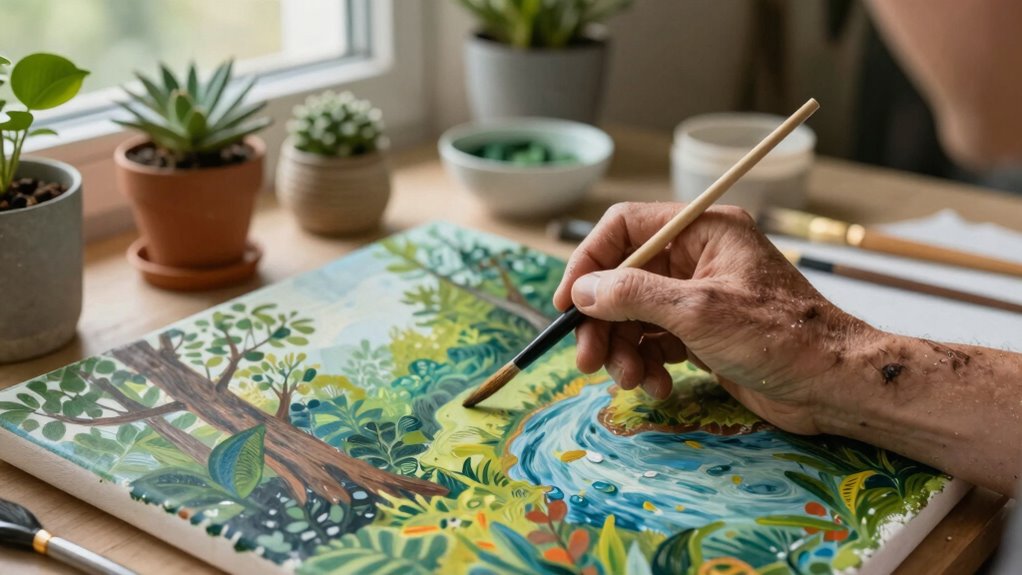

To build better climate awareness into your art care, start by regularly monitoring environmental conditions like temperature and humidity, and adjust routines to maintain stability. Use sustainable materials and energy-efficient lighting to lower ecological impact. Educate yourself on eco-friendly conservation practices and stay updated on new innovations. Engage with community workshops or resources to deepen your understanding. Incorporating these habits guarantees your art remains protected while supporting environmental sustainability—keep exploring to discover more ways to make your care practices truly climate-conscious.
Listen free for 30 days with Audible
Thousands of audiobooks and originals — cancel anytime.
As an affiliate, we earn on qualifying purchases.
Key Takeaways
- Educate staff and visitors about climate impacts on artwork preservation and sustainable practices.
- Incorporate energy-efficient lighting and environmentally friendly materials in daily display routines.
- Regularly monitor and adjust environmental conditions to reduce climate-related deterioration risks.
- Use eco-conscious packaging, framing, and cleaning supplies to minimize environmental impact.
- Promote community engagement through workshops and resources on sustainable art conservation methods.
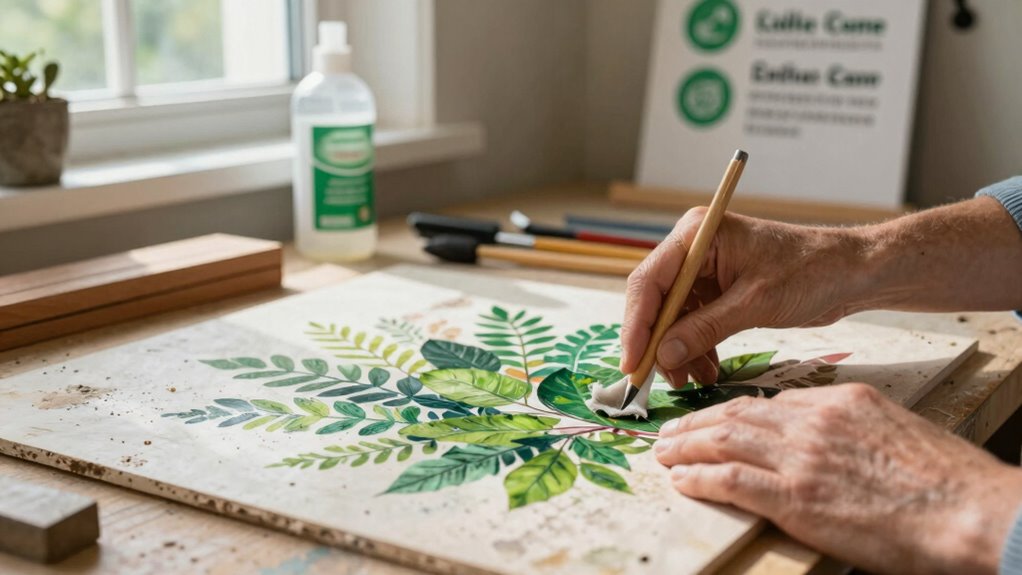
Have you ever considered how climate change impacts the preservation and care of art? As the environment shifts, so do the conditions that keep your artworks safe. To adapt, you need to incorporate sustainable materials into your conservation practices. Using eco-friendly, responsibly sourced materials reduces your carbon footprint and minimizes the release of harmful chemicals that could damage delicate artworks over time. For instance, opting for recyclable mounting supplies or non-toxic cleaning agents helps protect both the art and the environment. These choices not only demonstrate your commitment to sustainability but also create a healthier, more stable environment for your collections.
In addition, energy-efficient lighting plays an essential role in building climate awareness into your daily art care routine. Traditional lighting methods consume significant energy and generate heat that can accelerate deterioration of artworks, especially those sensitive to light and temperature fluctuations. Shifting to LED lighting or other energy-efficient options can drastically cut your energy consumption. These modern lighting systems emit less heat, helping you maintain a stable environment that safeguards your art from thermal stress. Plus, their longer lifespan means fewer replacements, reducing waste and conserving resources. Incorporating energy-efficient lighting is a straightforward way to make a meaningful environmental impact. Staying informed about sustainable practices can further improve your conservation efforts and ensure your collection’s resilience.
Integrating sustainable materials and energy-efficient lighting into your routine requires a proactive mindset. Think about how your choices impact the environment and, consequently, the longevity of your collection. For example, when framing or displaying art, select materials that are both archival quality and environmentally friendly. Look for suppliers who prioritize eco-conscious practices and products. Additionally, understanding the environmental impact of materials can help you make more informed decisions that align with your conservation goals. Regularly assessing your lighting setup to optimize energy use without compromising visibility or aesthetic appeal can lead to more sustainable practices. This might mean installing dimmers or motion sensors that limit unnecessary electricity use.
Building climate awareness in everyday art care also involves education. Stay updated on new sustainable technologies and best practices. Attend workshops, read industry publications, or join professional networks focused on eco-conscious conservation. Sharing knowledge with colleagues can foster a community dedicated to reducing environmental impact while maintaining high standards of care. Remember, every small change counts—whether it’s switching to sustainable materials or upgrading to energy-efficient lighting. Over time, these actions contribute to a more sustainable art preservation model that aligns with global efforts to combat climate change. Understanding sustainable practices can further enhance your efforts and ensure your collection remains resilient in changing environmental conditions.
As an affiliate, we earn on qualifying purchases.
Frequently Asked Questions
How Can Climate Awareness Improve Conservation Methods for Fragile Artworks?
Climate awareness can considerably improve conservation methods for fragile artworks by encouraging you to adopt sustainable framing practices and use eco-friendly adhesives. These choices reduce environmental impact and help protect artworks from climate-related deterioration. Being mindful of climate issues prompts you to select materials that promote longevity and sustainability, ensuring your conservation efforts are both effective and environmentally responsible. This awareness ultimately fosters better preservation for future generations.
What Specific Materials Are More Environmentally Sustainable for Art Preservation?
You should prioritize eco-friendly adhesives and sustainable framing materials, which drastically reduce environmental impact. These materials are less harmful to ecosystems, conserving resources and minimizing waste. Using biodegradable, non-toxic adhesives and recycled or reclaimed framing materials not only protects the artwork but also promotes a healthier planet. By choosing sustainable options, you actively contribute to climate awareness, turning everyday art care into a powerful act of environmental responsibility.
How Does Climate Change Impact the Long-Term Storage of Artworks?
Climate change profoundly affects the long-term storage of artworks by causing temperature fluctuations and humidity shifts, which can damage delicate materials. You need to focus on climate adaptation strategies to protect art collections effectively. Prioritizing art sustainability involves implementing controlled environments and monitoring systems that adjust to changing conditions. This proactive approach helps preserve artworks, ensuring their longevity despite the challenges posed by a changing climate.
Are There Eco-Friendly Cleaning and Restoration Techniques for Art Care?
Imagine your art’s health as a delicate garden needing gentle, sustainable care. You can turn to eco-friendly cleaning methods that use natural, biodegradable materials, reducing chemical footprints. For restoration, opt for sustainable techniques that prioritize minimal environmental impact, like using non-toxic adhesives and recycled materials. These eco-conscious choices protect your artworks and the planet, ensuring your collection remains vibrant for generations without leaving harmful residues or waste behind.
How Can Artists Incorporate Climate Consciousness Into Their Creative Process?
You can incorporate climate consciousness into your creative process by adopting sustainable artistic practices, like using eco-friendly materials and minimizing waste. Embrace an eco-conscious approach by choosing non-toxic, renewable resources and reducing energy consumption during creation. Incorporate themes that promote environmental awareness into your artwork, and educate yourself on sustainable art techniques. This way, your art reflects your commitment to a healthier planet and inspires others to follow eco-friendly creative practices.
eco-friendly art framing supplies
As an affiliate, we earn on qualifying purchases.
As an affiliate, we earn on qualifying purchases.
Conclusion
By weaving climate awareness into your daily art care routines, you become the gardener tending to a fragile, irreplaceable garden—each mindful action helps preserve its beauty for future generations. Remember, your choices ripple outward like stones cast into a pond, shaping a more sustainable world. Embrace your role as a steward of both art and the planet, knowing that even small, deliberate steps can ignite a powerful wave of change.
As an affiliate, we earn on qualifying purchases.
recyclable mounting materials for artwork
As an affiliate, we earn on qualifying purchases.
As an affiliate, we earn on qualifying purchases.
NFL season / tailgating Picks
team gear
As an affiliate, we earn on qualifying purchases.