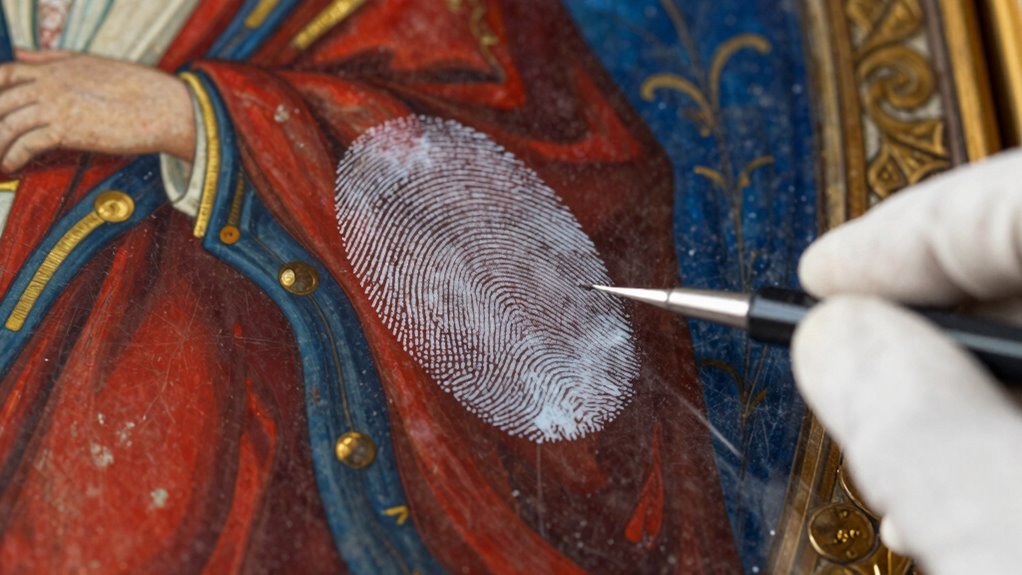

To handle art without causing damage, always wear gloves—preferably nitrile or cotton—to prevent oils and dirt from transferring. Use proper support and avoid touching surfaces directly. Keep hands clean, handle with care, and use specialized tools or techniques to minimize contact. Ensuring a stable environment and educating yourself on proper handling methods can greatly reduce risk. If you want to learn how to protect artworks the right way, keep exploring these essential care tips.
Open a free Amazon Business account
Business pricing, bulk buying and tax-exempt orders.
As an affiliate, we earn on qualifying purchases.
Key Takeaways
- Always wear appropriate gloves (nitrile or cotton) to prevent oil and dirt transfer when handling artwork.
- Use proper support and handling techniques, such as Free Floating methods, to minimize contact.
- Avoid touching surfaces directly; handle artwork by its edges or designated support areas.
- Maintain a clean environment and monitor conditions to prevent damage from environmental factors or residues.
- Train staff and visitors on proper handling procedures and display signage to reduce mishandling risks.
As an affiliate, we earn on qualifying purchases.
The Impact of Fingerprints on Art Preservation
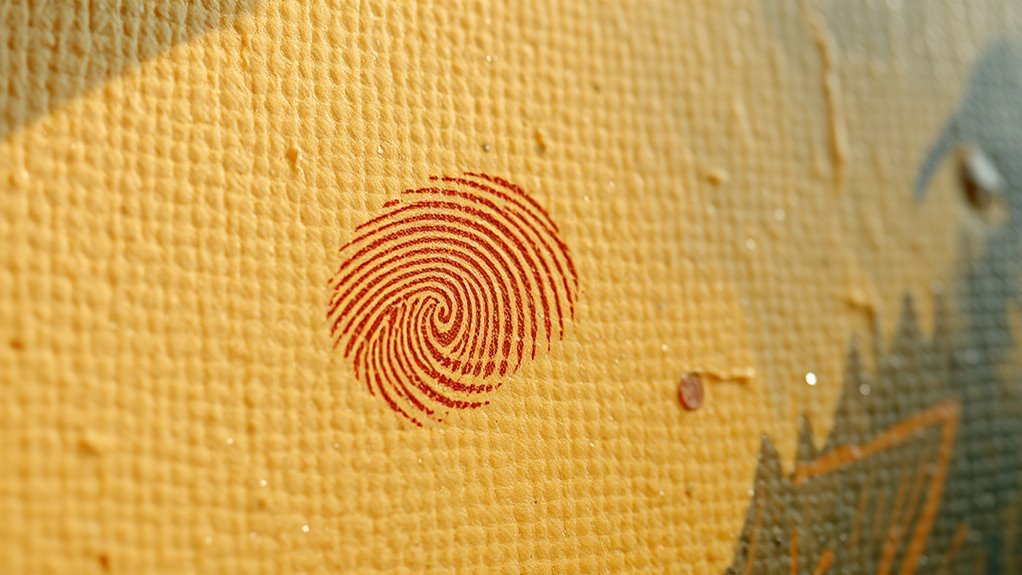
Fingerprints can substantially damage artworks by transferring oils, dirt, and other residues onto delicate surfaces. These invisible marks can cause long-term deterioration if not properly managed. Digital fingerprinting offers a modern solution by creating detailed records of an artwork’s condition, helping conservators monitor changes over time. Chemical preservation techniques also play a crucial role by applying specialized treatments that protect surfaces from oil and dirt penetration. When handled without care, even slight contact can introduce contaminants that accelerate degradation. Proper techniques, combined with digital fingerprinting and chemical preservation, help maintain the integrity of your artwork. Understanding how fingerprints impact preservation underscores the importance of using appropriate handling methods to prevent irreversible damage. Incorporating Free Floating methods can further minimize contact and reduce the risk of fingerprint-related damage during storage or display. Additionally, implementing proper handling protocols ensures that artworks are cared for with the utmost caution, reducing the likelihood of accidental harm. Recognizing the significance of artwork conservation techniques is essential for safeguarding cultural heritage over time. Regular training for handlers on cleaning and handling can also significantly reduce fingerprint transfer risks, ensuring the longevity of valuable pieces. Moreover, understanding the impact of contamination emphasizes the need for meticulous care during all stages of artwork management to preserve its value and integrity.
As an affiliate, we earn on qualifying purchases.
Common Mistakes When Handling Valuable Artwork
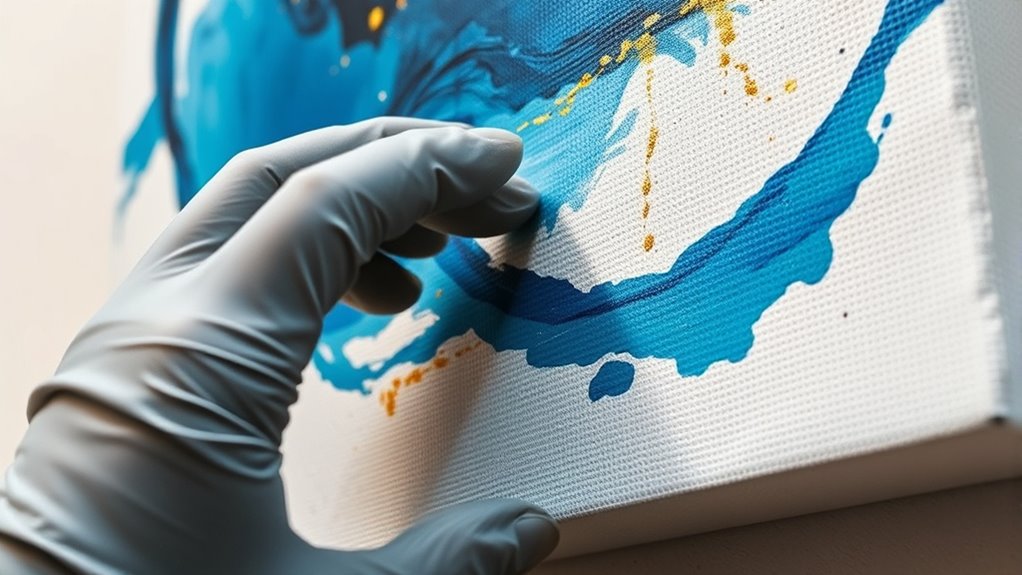
Handling valuable artwork without proper care can lead to irreversible damage, undermining efforts to preserve its original condition. Common mistakes often violate established art handling protocols and disregard conservation ethics. For example, touching art with bare hands can transfer oils and dirt, causing long-term harm. Moving pieces without proper support risks tears or warping. Storing artwork improperly exposes it to humidity, light, or pests. Ignoring these protocols accelerates deterioration. To illustrate, consider this table:
| Mistake | Consequence | Better Practice |
|---|---|---|
| Handling without gloves | Fingerprints, stains | Use cotton gloves |
| Moving without support | Damage, warping | Use proper support tools |
| Ignoring environmental factors | Accelerated deterioration | Control temperature and light |
| Skipping conservation ethics | Loss of authenticity | Follow ethical handling standards |
| Neglecting regular inspection | Hidden damage progression | Schedule routine checks |
Additionally, understanding and applying proper conservation techniques can significantly extend the lifespan of your artwork. Proper training in art handling protocols ensures preservation and minimizes risks. Regularly updating your knowledge about conservation standards is essential for effective protection. Being aware of correct storage methods can prevent many common issues before they occur. Implementing preventive conservation measures is crucial for safeguarding your collection. Avoid these mistakes to ensure the longevity of your artwork.
As an affiliate, we earn on qualifying purchases.
Proper Tools for Handling and Displaying Art
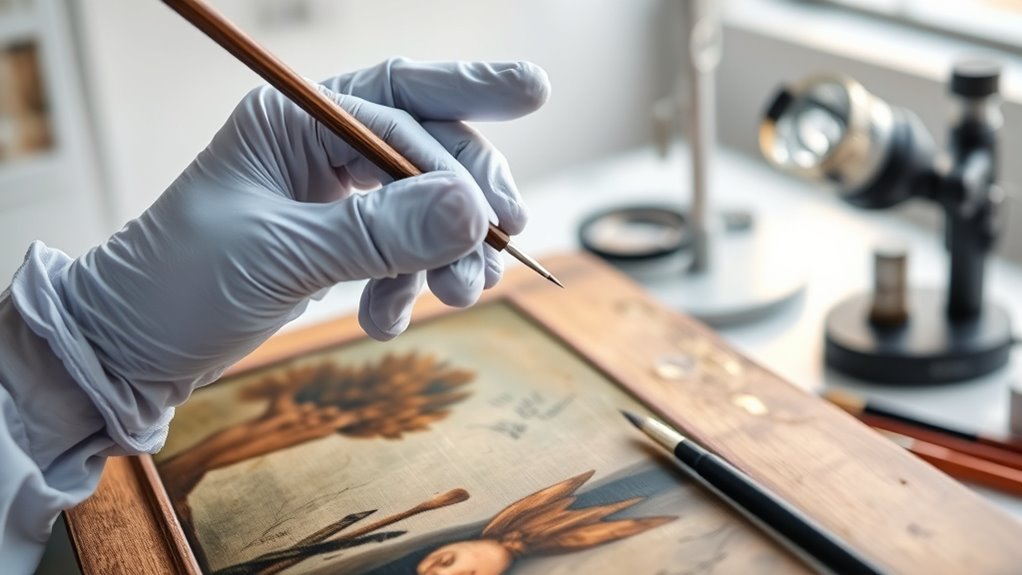
Using the right tools is essential to safeguard your artwork. Wearing gloves prevents fingerprints and oils from transferring, while choosing appropriate display materials avoids damage over time. Investing in these tools ensures your art remains pristine and well-preserved. Additionally, understanding proper handling techniques can further protect delicate pieces from accidental damage. Regularly inspecting and maintaining display environments can also help prevent deterioration caused by environmental factors. Implementing proper storage methods also plays a crucial role in maintaining the integrity of your artwork during periods of inactivity or display. Being aware of art preservation standards can guide you in selecting the best practices for long-term care.
Gloves for Safe Handling
To protect artwork from damage during handling and display, wearing the right gloves is essential. You should choose gloves made from appropriate materials, such as nitrile or cotton, that won’t transfer oils or dirt onto the surface. Avoid latex gloves if you’re concerned about allergies or residue. Ensuring a proper glove fit is equally important; gloves that are too tight can tear or cause difficulty, while loose gloves reduce dexterity and increase the risk of dropping the art. Always select gloves that fit snugly without constriction. Well-fitting gloves allow you to handle delicate pieces carefully, maintaining their condition. Remember, the goal is to prevent fingerprints and physical damage while maintaining full control and tactile awareness during handling.
Appropriate Display Materials
Choosing the right display materials is essential for protecting artwork while showcasing it effectively. You should select display case materials that support conservation techniques, preventing damage from environmental factors like humidity, light, and pollutants. Acid-free backing and mounts help preserve the piece’s integrity and minimize chemical interactions that could cause deterioration. Glass or acrylic cases with UV-filtering coatings shield art from harmful light exposure. Avoid materials that off-gas or contain acids, which can accelerate degradation. Using proper display materials ensures your artwork remains stable over time, reducing the risk of damage caused by improper handling or unsuitable environments. Additionally, understanding deep-sky imaging concepts can inform how environmental factors affect sensitive materials, emphasizing the importance of controlled conditions. By prioritizing conservation techniques and choosing appropriate display case materials, you preserve the artwork’s condition and allow viewers to appreciate its beauty without risking harm.
As an affiliate, we earn on qualifying purchases.
Techniques for Safely Moving Art Pieces
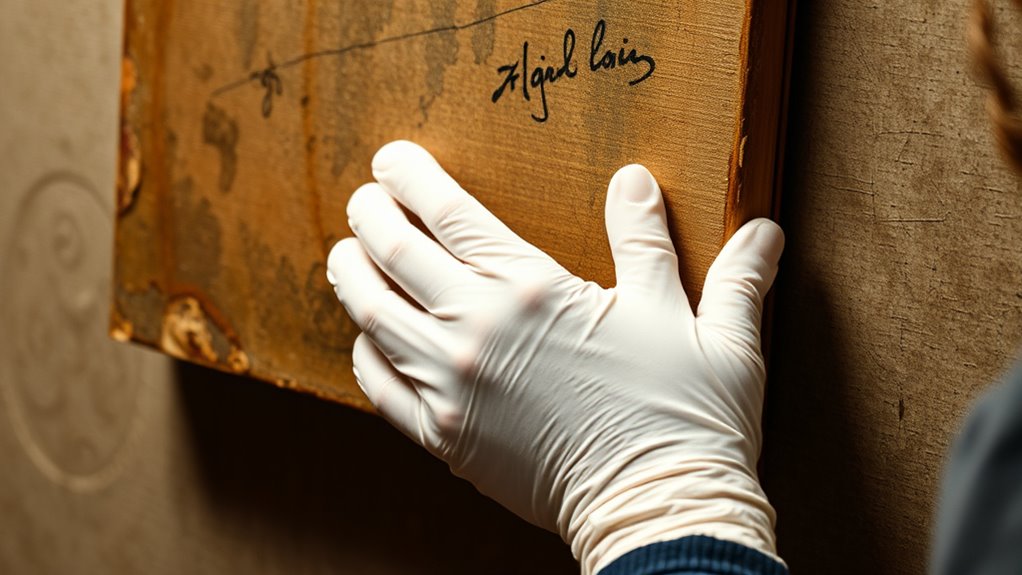
When moving art pieces, careful handling is essential to prevent damage and preserve their integrity. Use proper techniques like supporting the artwork from beneath, avoiding pressure on fragile areas. Before moving, verify digital authentication to guarantee proper handling protocols. Employ conservation techniques, such as padding with acid-free materials and securing the piece in a stable position. Always lift with your legs, not your back, to maintain control. Plan your route carefully, removing obstacles and ensuring a smooth path. Use specialized carts or dollies designed for art transport to minimize jostling. Keep the artwork upright and avoid sudden movements. Additionally, understanding the types of wall surfaces can help determine the best methods for mounting or handling art in different environments. Being aware of the impact of different transportation methods can further reduce the risk of scratches, tears, or other damage, ensuring safe transportation while maintaining the artwork’s value and condition. Proper handling techniques are also crucial to minimize the fingerprint problem that can occur during movement, which can permanently damage sensitive surfaces. Incorporating appropriate environmental controls during transit can help maintain the artwork’s condition and prevent deterioration. In addition, training in smart handling technology can further enhance safety and precision during art relocation.
The Role of Gloves in Protecting Artworks
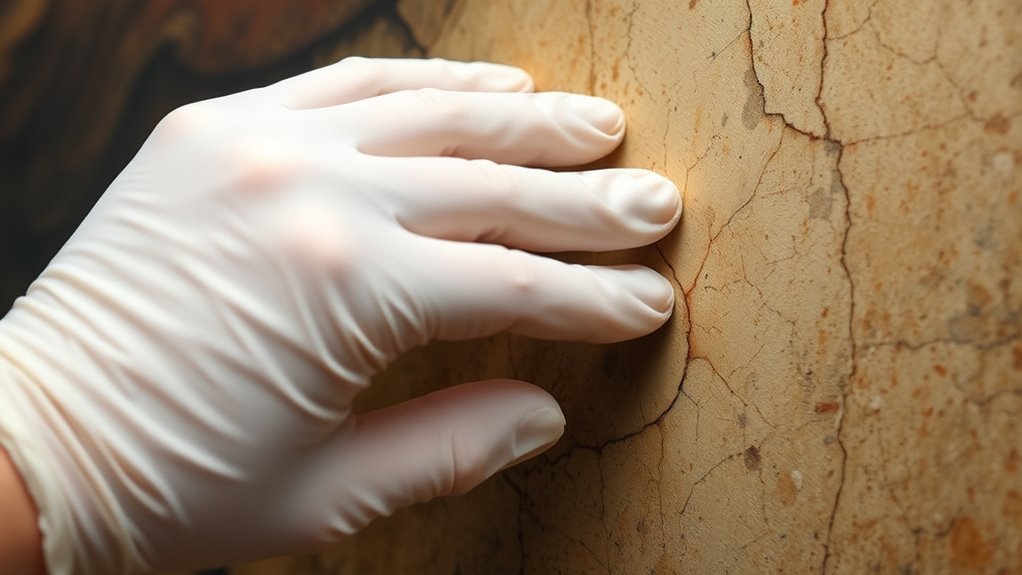
Wearing gloves while handling art helps prevent oil transfer from your skin, which can damage delicate surfaces. They also help maintain the artwork’s surface integrity by avoiding fingerprints and smudges. By using gloves, you protect the piece and guarantee its preservation for years to come. Additionally, selecting the appropriate cleaning tools ensures that the art remains in pristine condition without unintended harm. Employing proper handling techniques further minimizes the risk of accidental damage during movement or cleaning. Proper art preservation methods are essential for long-term care and stability.
Prevents Oil Transfer
To prevent oils from transferring onto delicate artworks, gloves serve as an essential barrier during handling. Oil transfer from your skin can leave greasy residues that damage surfaces over time, causing discoloration or deterioration. Wearing gloves minimizes the risk of fingerprint prevention, ensuring that no traces of sweat or natural oils come into contact with the art. This is especially important when working with sensitive materials like paper, varnished surfaces, or painted surfaces where even tiny amounts of oil can cause long-term harm. By using gloves, you keep the artwork clean and free from unwanted contaminants, preserving its original condition. Additionally, understanding art conservation techniques can further help in maintaining the integrity of your pieces. Proper handling procedures are crucial for long-term preservation, and gloves play a vital role in this process. This simple step considerably reduces the chance of damage caused by oil transfer, maintaining the longevity and original quality of your precious pieces.
Maintains Surface Integrity
Gloves not only prevent oil transfer but also play a vital role in maintaining the surface integrity of artworks. By wearing gloves, you avoid damaging delicate surface coatings that protect the piece from environmental factors and deterioration. This careful handling helps preserve the original finish and prevents abrasions or scratches caused by handling. Using gloves aligns with best preservation techniques, making certain that the surface remains pristine over time. Proper glove use reduces the risk of contaminating the artwork with dirt or residues that can compromise its structural integrity. When you handle art with gloves, you support long-term preservation efforts, helping maintain the artwork’s visual and physical integrity without introducing unnecessary risks. Incorporating smart handling techniques can further enhance preservation efforts, ensuring the surface stays intact and preserves its historical and aesthetic value.
Cleaning and Maintenance of Art Surfaces

Proper cleaning and maintenance are essential to preserving the integrity of art surfaces without causing damage. Regular digital documentation helps track the condition over time, allowing early detection of issues. Environmental monitoring ensures conditions like humidity and light levels remain stable, preventing deterioration. When cleaning, avoid harsh chemicals and abrasive tools that can harm surfaces. Instead, use gentle, specialized cleaning methods suited to the artwork’s material.
- Use soft brushes or microfiber cloths for dust removal
- Avoid touching surfaces with bare hands to prevent oils and residues
- Conduct routine environmental checks to maintain ideal conditions
- Document any cleaning procedures and environmental changes for future reference
Display Environment and Its Effect on Art Longevity
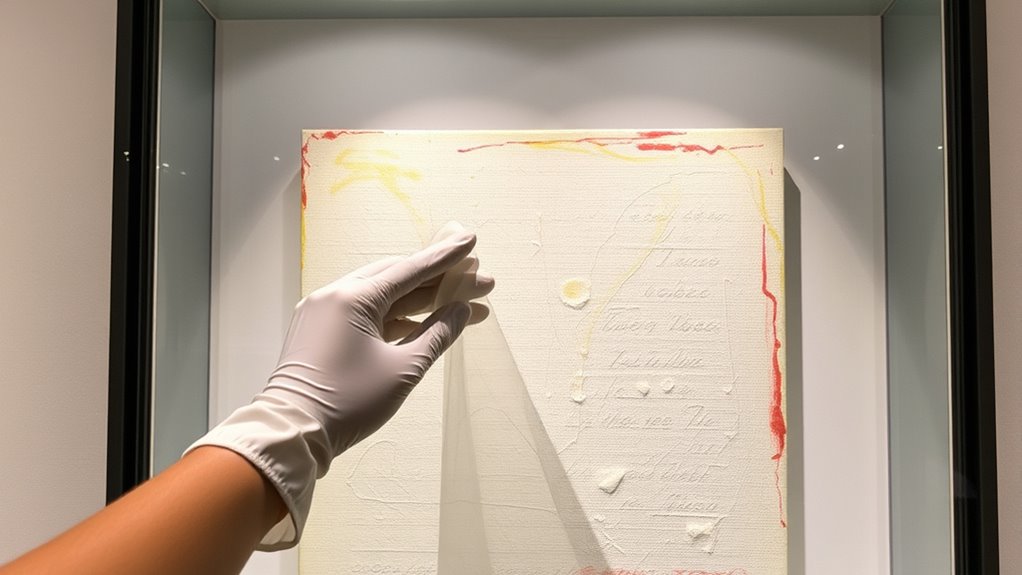
The environment in which artwork is displayed plays a significant role in its long-term preservation. Proper lighting conditions are crucial; exposure to direct sunlight or harsh artificial light can cause fading and deterioration over time. Using low UV, stable lighting helps protect colors and materials. Climate control is equally important—maintaining consistent temperature and humidity levels prevents warping, cracking, and mold growth. Fluctuations in these factors accelerate deterioration, so it’s essential to monitor and regulate the environment continuously. Avoid placing art near heat sources, windows, or vents that cause drafts. An ideal display environment minimizes environmental stressors, prolonging the life of your artwork. By managing lighting conditions and climate control, you ensure your art remains vibrant and intact for years to come.
Training Staff and Visitors to Handle Art Responsibly

You need to guarantee staff and visitors understand proper handling procedures to protect the art. Clear signage and awareness campaigns can reinforce responsible behavior. When everyone knows how to handle artwork correctly, damage and fingerprints become much less likely.
Proper Handling Procedures
Because mishandling art can cause irreversible damage, training staff and visitors on responsible handling is essential. Proper handling procedures ensure artworks remain intact and preserve their integrity. You should emphasize strict handling protocols, including using gloves and supporting artworks correctly. Regularly update staff on conservation techniques to prevent accidental harm. Clear instructions help visitors understand the importance of minimal contact and proper support. Remember, even small mistakes can lead to significant deterioration. Educate everyone on the importance of gentle movements and avoiding pressure points. Consistent training minimizes risks and promotes a culture of care.
- Use gloves or clean hands when touching artworks
- Support pieces from the base or frame
- Avoid touching painted or glazed surfaces
- Follow established handling protocols for each material
Awareness and Signage
Effective awareness and signage play a crucial role in guaranteeing everyone understands their responsibility to handle art carefully. Clear display signage informs visitors and staff about proper handling techniques and the importance of avoiding fingerprints or damage. Implementing awareness campaigns further reinforces this message, highlighting the significance of respectful interaction with artworks. These initiatives can include posters, digital reminders, and guided instructions placed strategically throughout galleries or museums. By promoting consistent messaging, you create an environment where everyone recognizes their role in preserving art. Well-designed signage and targeted campaigns foster a culture of care, reducing mishandling incidents. Ultimately, these efforts help protect the integrity of artworks and ensure they remain pristine for future generations to enjoy.
Case Studies: Damage Caused by Improper Handling
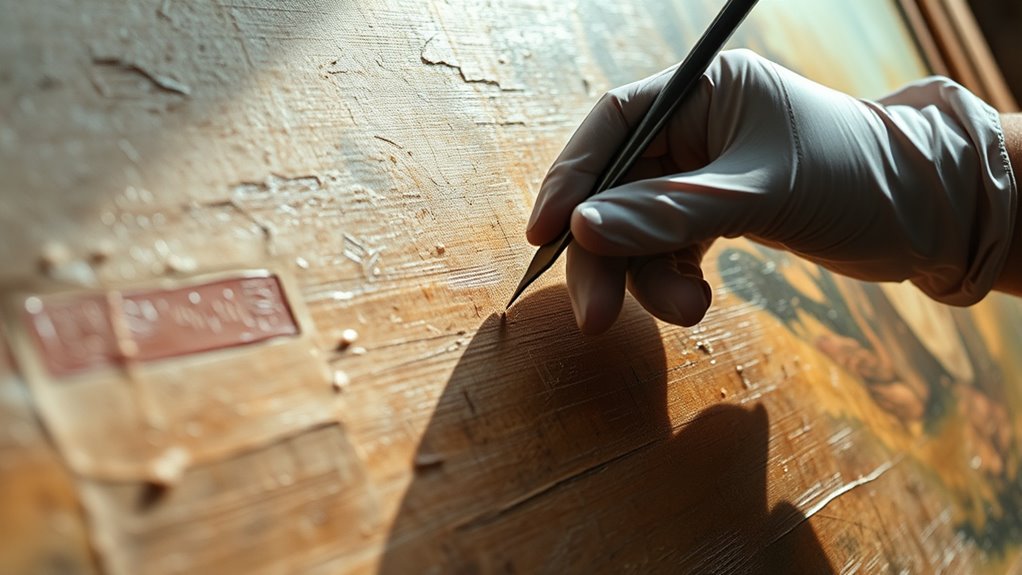
Many valuable artworks have suffered damage due to improper handling, often because handlers underestimate the importance of delicate techniques. For example, mishandling during transport has led to tears, scratches, or smudges that complicate future restoration techniques. Historical damage, such as cracks or fading, can worsen with careless contact. You must understand that even minor mistakes can cause significant harm.
Key lessons include:
- Avoid touching surfaces directly to prevent fingerprint oil transfer
- Recognize that improper handling can exacerbate existing damage
- Use appropriate tools to support delicate parts
- Understand the importance of proper training for handlers
These case studies highlight the need for proper handling to prevent damage that complicates restoration techniques and preserves the artwork’s integrity.
Best Practices for Long-Term Art Conservation
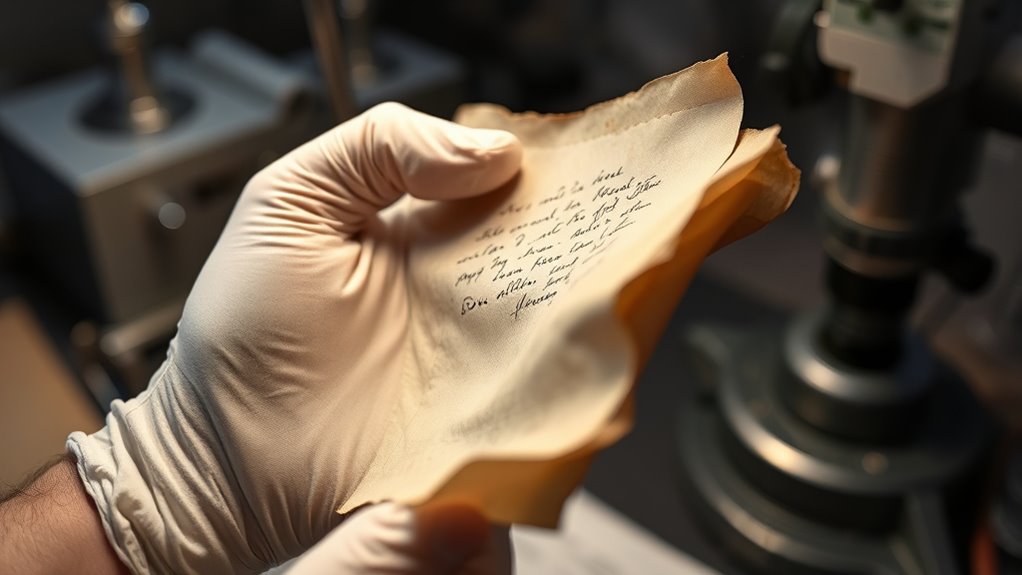
To guarantee artworks remain in pristine condition over the long term, adopting proactive conservation practices is essential. Understanding fingerprint science helps identify genuine art and detect potential tampering, ensuring proper authentication. When handling pieces, always wear gloves to prevent oils and residues from damaging surfaces, preserving the artwork’s integrity. Store art in climate-controlled environments to minimize deterioration caused by humidity and temperature fluctuations. Regular inspections enable early detection of issues like fading or cracking. Proper documentation of each piece’s condition supports future conservation efforts. By following these best practices, you protect the artwork’s value and authenticity, reducing the risk of damage over time. Maintaining these standards ensures the art’s longevity, allowing future generations to appreciate its historical and artistic significance.
Frequently Asked Questions
How Do Fingerprints Chemically Affect Different Types of Art Materials?
Fingerprints cause chemical reactions on art materials by introducing oils and acids that can alter surfaces over time. You might not see immediate damage, but these substances can cause discoloration, staining, or deterioration, especially on sensitive materials like paper or varnished surfaces. Understanding material sensitivities helps you prevent long-term harm—use gloves or tools instead of bare hands—to protect your artwork from unwanted chemical reactions.
Are There Alternative Methods to Gloves for Protecting Artwork?
You can consider alternatives to gloves, like using clean, lint-free cloths or handling tools such as tweezers or spatulas for delicate art. Fingerprint removal techniques like gentle blotting with a soft brush or specialized cleaning solutions help prevent damage. These methods minimize direct contact, reducing fingerprint transfer, and maintain artwork integrity. Remember, careful handling and proper cleaning are essential to preserving your art’s beauty and longevity.
What Are the Legal Considerations When Handling or Relocating Art Pieces?
When handling or relocating art, you must guarantee legal compliance by following all applicable laws and regulations. Be aware of ownership disputes that could arise, especially if provenance isn’t clear. Verify permissions with owners or institutions beforehand, and document your actions thoroughly. Failing to adhere to legal requirements can lead to serious consequences, including legal action or loss of the artwork. Always prioritize transparency and proper authorization in every step.
How Do Environmental Factors Influence Fingerprint Residue on Artworks?
Environmental impact greatly affects fingerprint residue longevity on artworks. Humidity and temperature fluctuations can cause residues to linger longer or degrade faster. For instance, high humidity can increase residue accumulation by up to 30%, making fingerprints more visible and harder to clean. You should control environmental factors carefully, maintaining stable conditions to minimize residue buildup and protect the artwork’s integrity. Proper climate management is essential for preserving art without damage.
What Innovations Are Emerging in Fingerprint-Free Art Handling Technology?
Innovative coatings and touchless systems are transforming art handling. You can now use advanced coatings that resist fingerprint residue, keeping artworks pristine without extra effort. Touchless systems, like robotic arms or magnetic lifts, allow you to move pieces without direct contact, reducing damage risk. These innovations enable you to handle art more safely and efficiently, ensuring preservation while minimizing the chance of fingerprints or other contaminants.
Conclusion
By following these tips, you’ll turn your handling skills from a potential disaster into a fortress of protection. Imagine your artwork as a fragile, priceless treasure guarded by an invisible shield, immune to fingerprints, scratches, and damage. Every careful step you take is like building an impenetrable fortress that keeps your masterpieces dazzling for generations. Handle with care, and watch your art stay pristine, whispering stories for centuries to come.
Fall Picks
fall essentials
As an affiliate, we earn on qualifying purchases.