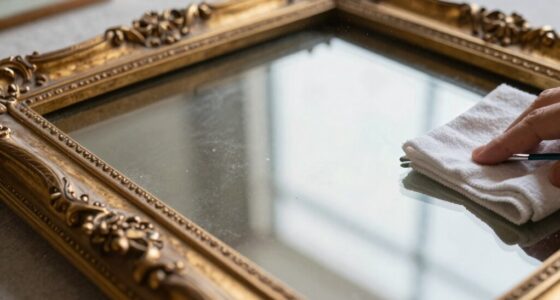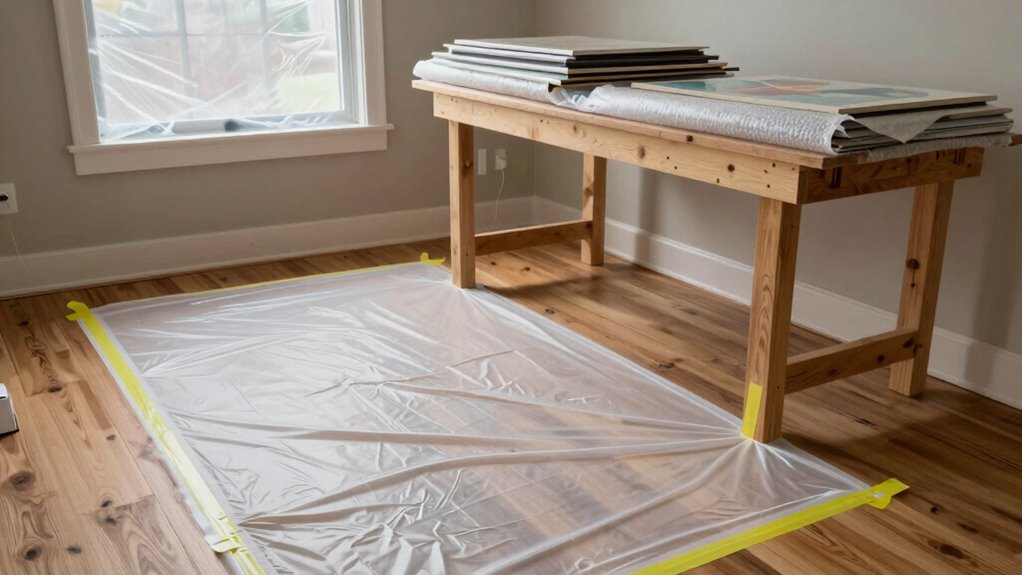

To protect your valuable works during home renovation, start by relocating them to a secure, climate-controlled space if possible. Cover paintings and sculptures with dust covers or drop cloths, and use acid-free tissue paper or bubble wrap for extra protection. Clearly communicate with contractors about the importance of these items and set boundaries to prevent accidental damage. Keep a close eye on coverings and barriers throughout the project. If you’re curious about more detailed strategies, stay with us.

Prime made for students and young adults
- Fast, free delivery for dorm and study essentials
- Prime Video and Amazon Music included
- Member-only deals
Key Takeaways
- Relocate valuable artworks and antiques to a secure, climate-controlled area before renovation begins.
- Use protective coverings like acid-free tissue, bubble wrap, or custom padding to shield delicate surfaces.
- Clearly communicate with contractors about the importance and boundaries around protected items.
- Regularly inspect and adjust coverings and barriers throughout the renovation process.
- Conduct thorough post-renovation checks and consult professionals if any damage is detected.
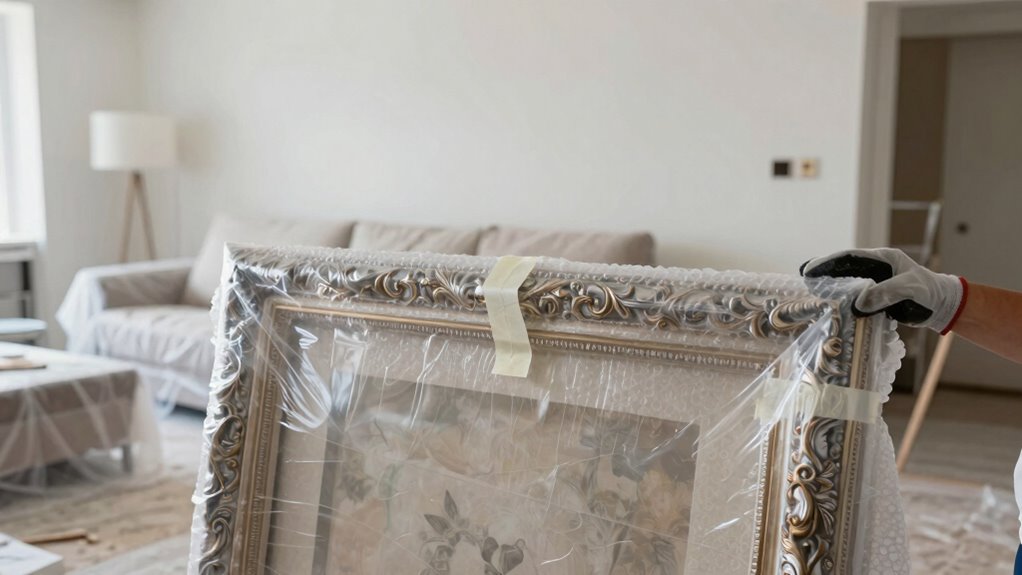
Are you worried about damaging your valuable works during a home renovation? If so, you’re not alone. Renovations can be messy, and without proper precautions, your cherished art pieces and antiques could suffer irreversible harm. The key to safeguarding your belongings lies in thoughtful planning and proactive measures. Art preservation isn’t just for museums; it’s essential when you’re undertaking a home project. Protecting your artworks and antique collections involves understanding their needs and implementing strategies to shield them from dust, debris, and accidental damage.
Start by evaluating your spaces before the renovation begins. Identify where your most valuable works are displayed or stored. Once you’ve pinpointed these items, plan to relocate them temporarily to a secure, climate-controlled environment. If moving isn’t feasible, consider creating a protective barrier around the pieces. Use acid-free tissue paper, bubble wrap, or custom-made padding to shield fragile surfaces. Cover paintings and delicate sculptures with dust covers or drop cloths to prevent dirt and debris from settling on them during construction. Remember, even small particles can cause long-term damage to delicate surfaces, so don’t cut corners. Additionally, understanding interior design trends can help you plan appropriately to minimize risks during renovation. Consulting with art conservation experts can further inform your protective strategies and help ensure your valuable works remain undamaged. Incorporating preventive conservation techniques can also be highly effective in reducing potential harm.
Evaluate and relocate your valuable art before renovation; use protective coverings to prevent long-term damage.
Throughout the project, communicate clearly with your contractors about the importance of your valuable items. Make sure they understand which pieces are irreplaceable and require extra caution. Establish clear boundaries where heavy equipment or construction activities are prohibited near your protected areas. Regularly inspect the coverings and barriers you’ve put in place, replacing or adjusting them as needed to maintain maximum protection. Conducting a risk assessment before starting renovations can help you identify potential hazards and plan accordingly. Being aware of vulnerable surfaces is vital for tailoring your protective measures effectively.
Finally, after the renovation wraps up, carefully examine each piece for any damage. If you notice issues, consult a professional conservator or art preservation specialist immediately. Proper planning, careful handling, and constant vigilance can help you preserve your valuable works during any home renovation, ensuring they remain intact and beautiful for years to come. Protecting your art and antiques isn’t just about safeguarding possessions—it’s about preserving your personal history and artistic legacy.
artwork climate controlled storage
As an affiliate, we earn on qualifying purchases.
As an affiliate, we earn on qualifying purchases.
Frequently Asked Questions
How Can I Identify Which Works Are Most at Risk During Renovation?
You can identify the most at-risk works during renovation by conducting an art appraisal and a thorough risk assessment. Start by evaluating the value and fragility of your artworks, noting those that are delicate or irreplaceable. Then, perform a risk assessment to determine potential hazards like dust, vibrations, or accidental damage. Focus on protecting high-value or sensitive pieces first, ensuring proper safeguards are in place to minimize damage during renovation.
Are There Specific Insurance Policies Recommended for Protecting Valuable Works?
You should consider specialized insurance options like builder’s risk insurance or valuable works insurance, which provide all-encompassing coverage during renovations. These policies often cover damage, theft, or accidental harm to your valuable works. Always review coverage recommendations carefully, ensuring they protect against specific risks associated with your renovation project. Consulting with an insurance expert can help you select the best policies tailored to safeguard your valuable works effectively.
What Are the Best Materials for Covering and Shielding Valuable Items?
The best materials for covering and shielding valuable items include thick plastic sheeting, painter’s drop cloths, and bubble wrap. Use protective coverings to fully enclose delicate pieces, preventing dust and debris damage. Shielding techniques like taping down coverings securely and layering materials add extra protection. You want to guarantee items are tightly wrapped and well-secured, reducing the risk of scratches, dents, or contamination during your renovation process.
How Often Should I Inspect Protected Works During the Renovation Process?
You should check protected works consistently, ideally once a week, to prevent potential damage. During inspections, focus on surface cleaning, ensuring dust and debris don’t settle and harm the material preservation. Look for signs of deterioration, tears, or shifts in coverings, and promptly address any issues. Regular reviews help you catch problems early, maintaining the integrity and value of your valuable works throughout the renovation process.
Can Professional Conservationists Assist in Safeguarding Valuable Works?
Yes, professional conservationists can assist in safeguarding your valuable works. They bring expertise in restoration techniques and preservation methods, ensuring your items are properly cared for during renovation. They assess the artworks’ condition, recommend protective measures, and implement safety protocols. Working with them helps prevent damage, preserves the integrity of your pieces, and provides peace of mind throughout the renovation process. Their specialized knowledge makes a significant difference in safeguarding your valuables.
acid-free tissue paper for art preservation
As an affiliate, we earn on qualifying purchases.
As an affiliate, we earn on qualifying purchases.
Conclusion
Think of your valuable works as delicate stars hidden within your home’s night sky. During renovation, shield them with the gentle glow of careful planning and protective measures, ensuring they remain sparkling and untouched. With mindful precautions, you’re guiding these treasures through the storm of construction, preserving their brilliance. When the dust settles, your home will shine brighter, and your priceless pieces will continue to illuminate your space, a proof to your vigilant care and unwavering love.
dust covers for paintings and sculptures
As an affiliate, we earn on qualifying purchases.
As an affiliate, we earn on qualifying purchases.
As an affiliate, we earn on qualifying purchases.
Fall Picks
fall essentials
As an affiliate, we earn on qualifying purchases.