You instinctively select artworks that match your room’s colors, lighting, and emotional vibe to create harmony. For relaxation spaces, calming blues and greens work best, while energetic reds and oranges suit lively areas. Proper lighting highlights colors and details, making your art more impactful. The right piece also evokes the mood you want, whether warmth, focus, or comfort. If you want to uncover the deeper logic behind these choices, keep exploring how you can enhance your space through art.

Prime made for students and young adults
- Fast, free delivery for dorm and study essentials
- Prime Video and Amazon Music included
- Member-only deals
Key Takeaways
- Artworks should complement the room’s color scheme to enhance visual harmony and emotional tone.
- The emotional impact of art should align with the room’s purpose and desired atmosphere.
- Lighting conditions influence artwork choice to ensure colors and details are properly showcased.
- Environmental context and room size determine whether bold or subtle artworks are most effective.
- Thoughtful placement and interaction with surrounding decor create a cohesive, balanced room aesthetic.

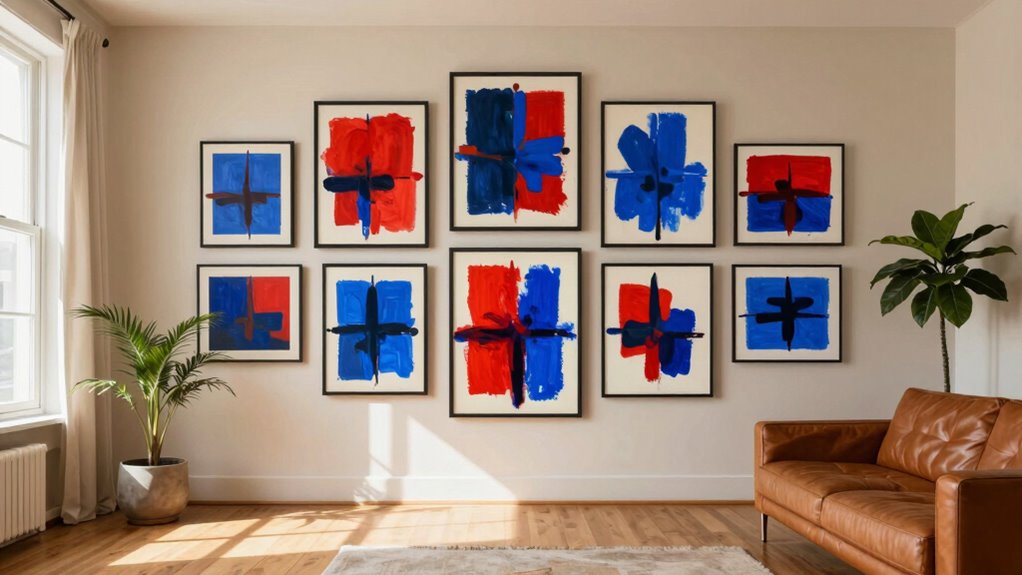
When choosing artwork for your home, it’s easy to focus solely on personal taste, but the truth is that certain pieces work better in specific rooms due to subtle psychological and environmental factors. One of the most important aspects is color harmony. Colors influence mood and perception, so selecting artwork with a palette that complements the room’s existing colors can enhance the overall atmosphere. For example, calming blues and greens tend to work well in bedrooms or relaxation spaces, creating a sense of tranquility. Conversely, vibrant reds and oranges can energize a lively kitchen or social area. When the colors in the artwork harmonize with the room’s scheme, it creates a seamless visual flow, making the space feel balanced and cohesive.
Choosing artwork that complements your room’s colors enhances harmony and creates a balanced, cohesive space.
Another key factor is emotional impact. Different rooms serve different functions, and the artwork you choose should reflect the intended emotional tone of each space. In living rooms, you might opt for pieces that evoke warmth, comfort, and conversation, such as inviting landscapes or abstract art with rich textures. In contrast, a home office benefits from artwork that promotes focus and clarity, perhaps featuring minimalistic designs or inspiring imagery. The emotional response elicited by art can influence how you feel in that environment, so it’s crucial to select pieces that support the room’s purpose. When the emotional impact of the artwork aligns with the room’s function, it enhances your experience and makes the space more inviting.
Lighting also plays a subtle but significant role in how artwork is perceived. In rooms with abundant natural light, you can take advantage of brighter, more detailed pieces. In darker or more intimate spaces, softer, subdued artworks tend to work better, avoiding overwhelming the senses. The environment’s lighting conditions should guide your choice to ensure the artwork’s colors and details are showcased optimally. Additionally, understanding the importance of color harmony and its influence on mood can help you select pieces that truly resonate within each space. Recognizing the psychological effects of color can further deepen your understanding of how certain artworks impact your emotional well-being. Considering lighting conditions is essential to create a balanced environment where art can be appreciated fully.
Ultimately, understanding the psychology behind color harmony and emotional impact helps you make smarter choices about where to place certain artworks. It’s not just about what you love; it’s about how the piece interacts with the room’s atmosphere and your emotional response. When you consider these factors, your art collection will feel more intentional, creating a home that is both visually harmonious and emotionally resonant. This thoughtful approach transforms your space into a curated environment where every piece contributes meaningfully to the overall ambiance.
calming blue and green wall art for bedroom
As an affiliate, we earn on qualifying purchases.
As an affiliate, we earn on qualifying purchases.
Frequently Asked Questions
How Does Room Lighting Affect Artwork Selection?
Room lighting plays a vital role in artwork selection because natural light emphasizes colors and details, making pieces pop during the day. Ambient lighting, on the other hand, creates a warm, inviting atmosphere at night, so you should choose artworks that complement these softer light conditions. Consider how shadows and highlights fall on your art, and select pieces that will look their best under the specific lighting in your room.
Can Artwork Size Influence Room Energy and Mood?
Artwork size definitely influences your room’s energy and mood. Large pieces create a sense of drama and focus, energizing the space, while smaller works foster intimacy and calm. Consider artwork scale carefully to maintain visual balance; an oversized piece in a small room can feel overwhelming, while a tiny artwork in a large room might seem lost. Matching scale with room size enhances overall harmony, setting the mood you want to achieve.
Do Wall Colors Impact the Perception of Artwork?
Yes, wall colors considerably impact how you perceive artwork. Using color psychology, you can choose hues that enhance the mood or energy of your art. For example, warm tones can make vibrant artworks pop, while cool shades create calmness. Art symbolism also plays a role; certain colors evoke specific feelings or themes. By thoughtfully selecting wall colors, you amplify the artwork’s message, making your space more harmonious and expressive.
How Do Furniture Styles Influence Artwork Choices?
Furniture styles greatly influence your artwork choices by creating furniture harmony or style contrast. If your furniture has a classic, ornate look, opt for artwork that complements this style to enhance harmony. Conversely, if your furniture features sleek, modern lines, choose artwork with bold, contemporary elements for a striking style contrast. This balance or contrast guides your eye and helps create a cohesive or dynamic room aesthetic.
What Role Does Artwork Placement Play in Room Harmony?
A picture is worth a thousand words, especially when it comes to room harmony. Your artwork placement plays a vital role in creating balance and emphasizing focal points. Properly positioned, it guides the eye naturally and enhances the overall aesthetic. When you consider the room’s layout, scale, and lighting, you foster harmony, making each piece a key element that supports the space’s unity and visual flow.
vibrant abstract art for living room
As an affiliate, we earn on qualifying purchases.
As an affiliate, we earn on qualifying purchases.
Conclusion
Understanding the hidden logic behind art placement helps you create more harmonious spaces. Did you know that 65% of people feel more relaxed in rooms with artwork that resonates with their personal style? By choosing pieces that complement each room’s purpose and atmosphere, you can make your home feel more inviting and balanced. So, next time you hang art, think about the room’s vibe—your space will thank you for it.
artwork lighting for gallery wall
As an affiliate, we earn on qualifying purchases.
As an affiliate, we earn on qualifying purchases.
minimalist artwork for home office
As an affiliate, we earn on qualifying purchases.
As an affiliate, we earn on qualifying purchases.
Fall Picks
fall essentials
As an affiliate, we earn on qualifying purchases.