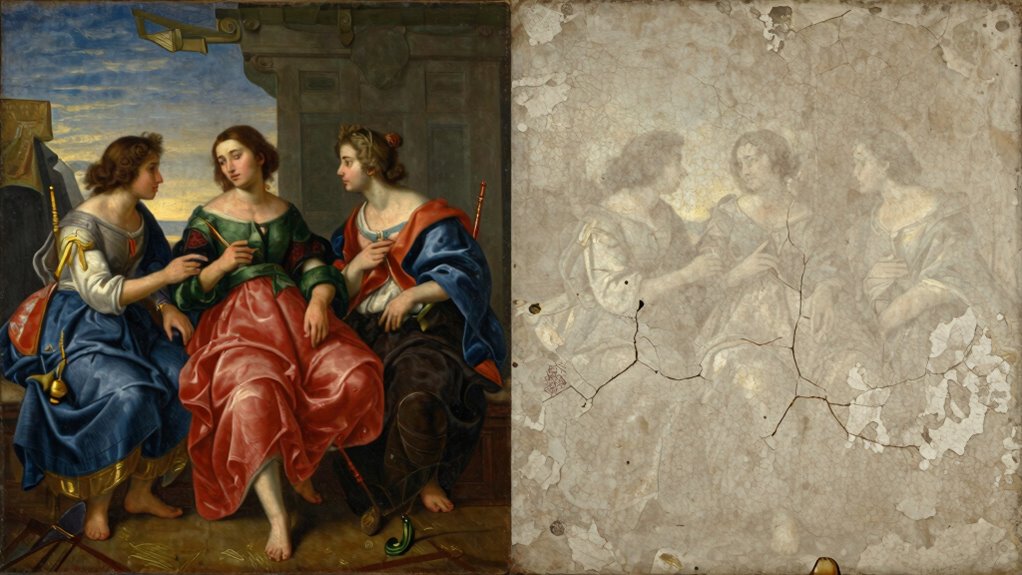

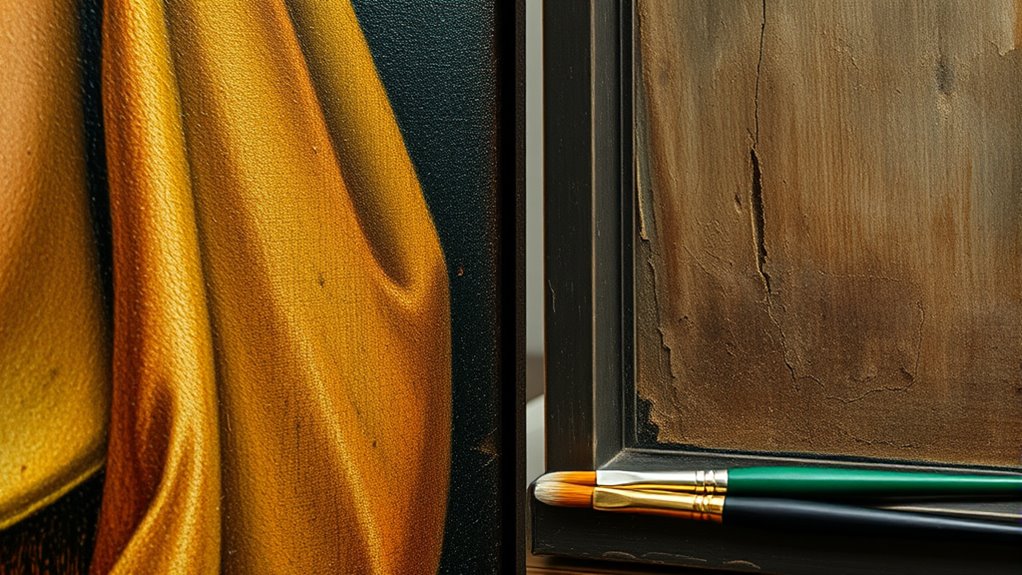
Restoration and conservation both protect your artwork but serve different roles. Restoration aims to return damaged pieces to their original look by repairing or reconstructing missing parts, often involving more invasive techniques. Conservation focuses on preserving the current state, stabilizing the artwork, and preventing further deterioration with minimal intervention. Understanding the key differences helps you choose the best approach for safeguarding your art’s integrity. Explore further to discover how these methods can best serve your collection.
Key Takeaways
- Restoration aims to return artwork to its original appearance, often involving repairs and reconstruction, while conservation focuses on preserving the current condition.
- Restoration may involve irreversible interventions to rebuild missing parts, whereas conservation emphasizes minimal, reversible treatments to stabilize the artwork.
- Ethical practice requires respecting the artist’s intent and cultural significance, guiding whether to restore or conserve based on damage extent.
- Restoration is suitable for extensive or irreversible damage, while conservation suffices for minor issues requiring stabilization.
- Both practices utilize modern tools like digital imaging and environmental controls to protect and document artworks effectively.
Definitions and Core Objectives of Restoration and Conservation
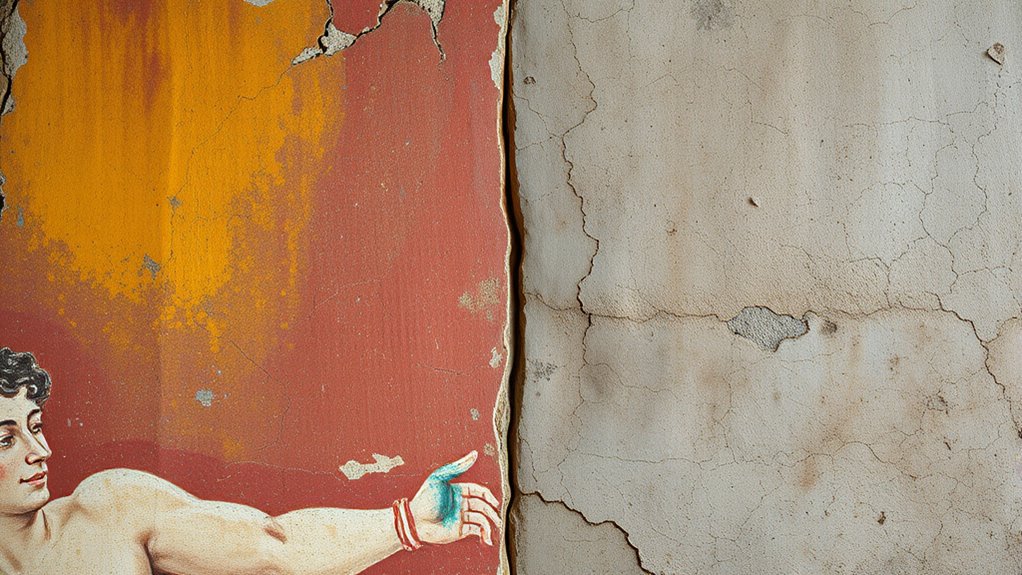
Understanding the definitions and core objectives of restoration and conservation is essential to grasp their differences and similarities. Restoration focuses on returning an artwork or artifact to its original state, guided by historical context and intended to revive its original appearance and meaning. Its goal is to repair damage and sometimes reconstruct missing parts, emphasizing the object’s original cultural significance. Restoration strategies often involve detailed analysis to ensure authenticity during the process. Conservation, however, aims to preserve the current condition, preventing further deterioration while respecting the artifact’s history. It values minimal intervention, prioritizing stabilization over alteration. Both practices recognize the importance of historical context and cultural significance but serve different purposes—restoration restores, and conservation preserves. A European cloud infrastructure approach can support these practices by providing secure, sustainable storage solutions for digital archives and records. Additionally, understanding the materials and techniques used in the original creation can inform appropriate conservation methods, ensuring the artifact’s integrity. Incorporating preventive conservation can further reduce risks associated with environmental factors, safeguarding artifacts for future generations. Employing modern technological tools can also enhance monitoring and documentation, leading to more effective preservation strategies. By understanding these core objectives, you better appreciate how each approach protects and sustains cultural heritage.
Techniques and Methods Used in Restoration
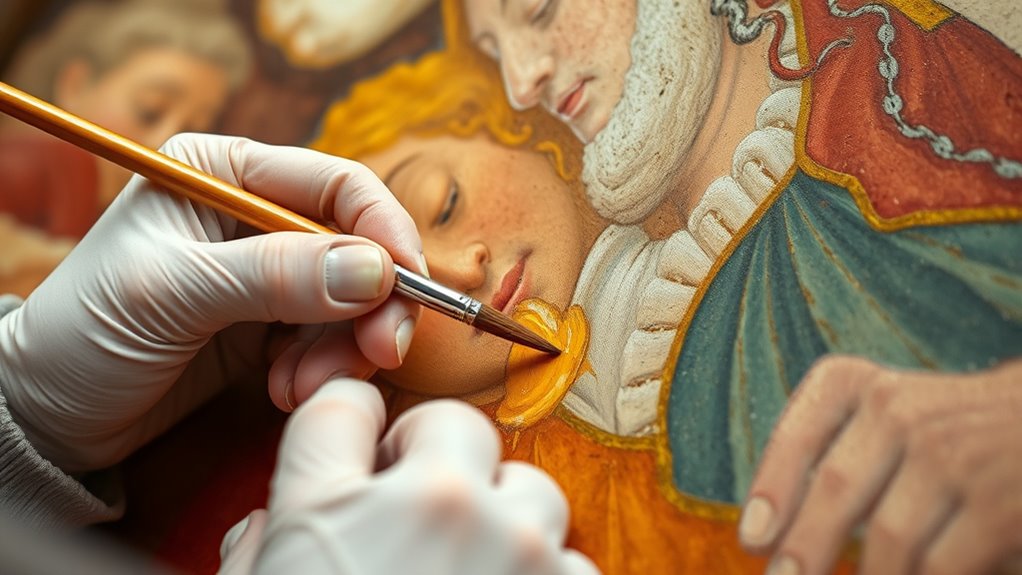
Restoration employs a variety of specialized techniques and methods to carefully recover an artwork’s original appearance. Digital imaging plays an essential role, allowing you to analyze and document details before and after restoration, ensuring accuracy. These digital tools also facilitate precise documentation of the restoration process, which is vital for future reference and provenance. Chemical cleaning is another critical method, where you gently remove dirt, grime, and previous restorations without damaging the original material. These techniques help you restore the artwork’s vibrancy while preserving its integrity. Understanding the restoration process can greatly improve the effectiveness of conservation efforts. Additionally, proper ventilation considerations are vital during restoration to ensure safe working conditions and prevent damage from airborne contaminants. Incorporating scientific analysis ensures that each conservation step is based on detailed, evidence-based information. Recognizing the importance of financial resources can also influence the scope and success of conservation projects.
Techniques and Methods Employed in Conservation
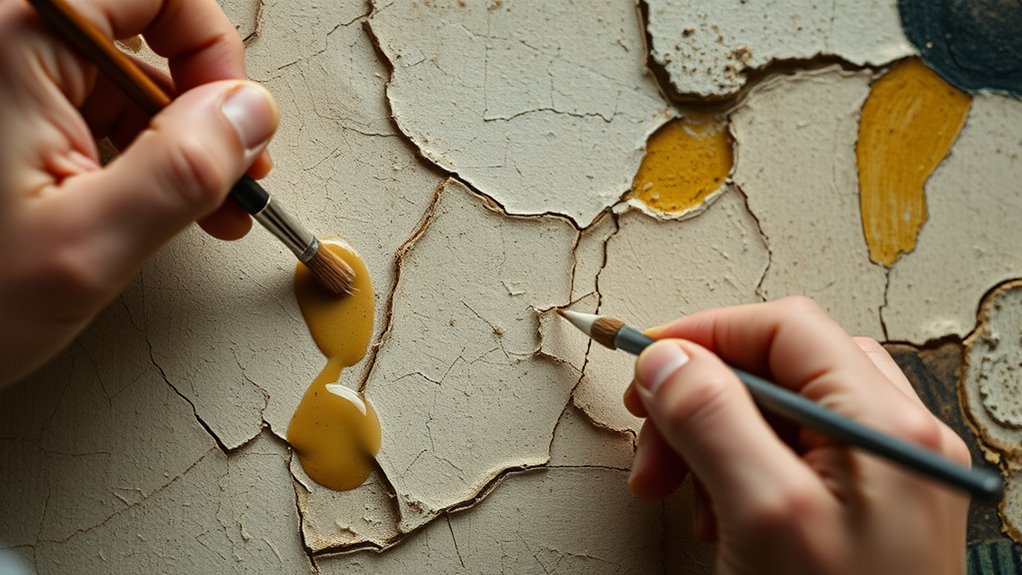
When conserving an artwork, you employ careful techniques designed to preserve its original state while preventing further deterioration. You might stabilize fragile surfaces, gently clean dirt and grime, or repair minor damages. These methods ensure the piece remains intact over time. For instance, in furniture repair, you use delicate adhesives to mend cracks without altering the original design. In mural preservation, you reinforce faded paint and prevent flaking while maintaining authenticity. Techniques include consolidating fragile areas, controlling environmental conditions, and using reversible materials. You could also apply protective coatings that shield surfaces from future harm. Incorporating attention to detail in every step helps identify potential issues early and ensures the effectiveness of conservation efforts. Additionally, understanding conservation materials and their properties is essential for selecting appropriate solutions that do not compromise the artwork’s integrity. Moreover, staying updated on conservation techniques allows professionals to adapt to new challenges and advancements in the field. Staying informed about best practices can further improve the longevity and effectiveness of conservation efforts. Recognizing the importance of proper handling reduces the risk of accidental damage during restoration processes.
The Ethical Considerations in Restoring and Conserving Artworks
When restoring or conserving artworks, you must prioritize respecting the artist’s original intent and integrity. You also need to carefully weigh the risks of intervention to avoid causing more harm than good. Ultimately, ensuring the authentic preservation of the piece guides every ethical decision you make. Additionally, understanding safety precautions is essential to protect both the artwork and those handling it from potential hazards during restoration processes. Proper handling techniques can help prevent accidental damage and maintain the artwork’s condition throughout the conservation process. Recognizing the importance of well-sourced information ensures that conservation methods are based on sound research and proven practices. Incorporating proper documentation throughout the process is vital for maintaining transparency and accountability in conservation efforts.
Respecting Artistic Integrity
Preserving the artistic integrity of an artwork requires careful ethical consideration, especially when decisions about restoration or conservation are involved. You must balance maintaining its original form with respecting its cultural significance. To do this effectively, consider these key points:
- Visualize the artist’s original intent, ensuring that any intervention does not distort artistic authenticity.
- Respect the historical context, keeping in mind the cultural importance behind the piece.
- Prioritize minimal intervention, allowing the artwork to speak for itself without unnecessary alterations.
- Recognize the importance of Free Floating in understanding how an artwork interacts with its environment and audience, guiding appropriate conservation efforts.
Minimizing Intervention Risks
Balancing artistic integrity with the risks of intervention requires careful ethical judgment. To minimize potential damage, you should prioritize non-invasive methods whenever possible. Chemical treatments, while effective, can pose risks if overused or improperly applied, potentially altering the artwork’s original materials. Consequently, you must evaluate the necessity of such treatments and opt for the least invasive options. Digital documentation plays a vital role in this process, allowing you to record the artwork’s condition thoroughly before any intervention. This documentation ensures you can track changes, avoid unnecessary procedures, and provide a transparent record of your work. By combining cautious chemical use with detailed digital records, you help protect the artwork’s authenticity and longevity, reducing intervention risks and honoring the piece’s original intent. Utilizing simple tools like BTU and CADR quick‑calculators can also aid conservators in assessing environmental factors that contribute to preservation.
Ensuring Authentic Preservation
Ensuring authentic preservation requires careful ethical consideration to maintain the artwork’s original intent and integrity. You must balance techniques like artificial aging, which can enhance historical authenticity, with modern tools like digital archiving to safeguard details for future study. To do this effectively, consider:
- Applying artificial aging only when it reflects the artwork’s true history, avoiding misrepresentation.
- Using digital archiving to create accurate, detailed records that preserve the original appearance and context.
- Respecting the artist’s original vision by avoiding unnecessary alterations that could distort meaning or authenticity.
- Understanding that conservation standards and vetted information help guide ethical decision-making in preservation efforts.
- Incorporating ethical guidelines to ensure that preservation techniques honor the artwork’s provenance and cultural significance.
When to Choose Restoration Over Conservation
Choosing restoration over conservation becomes necessary when a habitat has suffered extensive damage or degradation that cannot be addressed through simple preservation efforts. Historically, some artworks or structures have faced irreversible harm, threatening their cultural significance. In these cases, conservation alone may not restore the piece’s integrity or meaning. Restoration is appropriate when the goal is to return the artwork to its original appearance or function, especially if the damage compromises its historical context. You should opt for restoration when preserving the artifact’s cultural significance outweighs the desire to maintain every existing mark or imperfection. Essentially, if the damage diminishes the artwork’s value or historical message, restoration becomes the best choice to revive its original spirit. Understanding the difference between preservation and restoration is crucial for making informed decisions about cultural artifacts. When considering restoration, it’s important to evaluate the extent of damage to determine whether a full restoration is necessary or if conservation efforts could suffice.
The Impact of Restoration and Conservation on Artwork Value
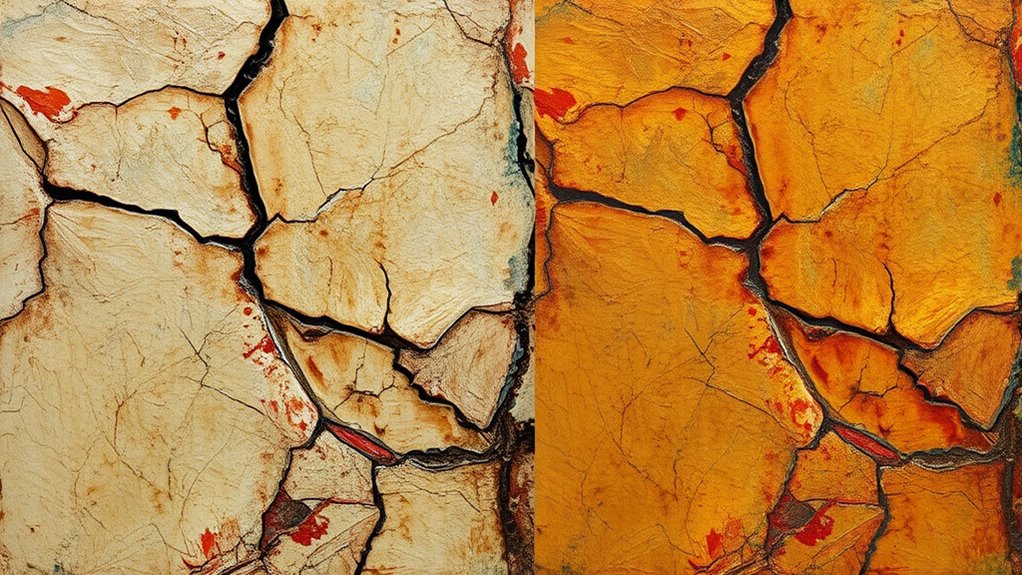
Restoration and conservation considerably influence the value of an artwork, often affecting how it’s perceived and appraised. When you consider the art market and collector valuation, these processes can either enhance or diminish an artwork’s worth. For example, restoration can:
- Brighten faded colors, making the piece more appealing and increasing its desirability.
- Repair damages, ensuring structural integrity and prolonging the artwork’s lifespan.
- Maintain authenticity, which sustains or boosts collector trust and confidence.
- Choosing the right techniques and materials is crucial to avoid damage, which can negatively impact the artwork’s value.
- Proper documentation and adherence to conservation standards can further safeguard the artwork’s integrity and market value.
However, improper restoration can harm an artwork’s value, leading collectors to question its provenance or originality. Whether increasing appeal or risking devaluation, restoration and conservation are critical factors in shaping an artwork’s market worth and collector perception.
Case Studies Showcasing Restoration and Conservation Outcomes
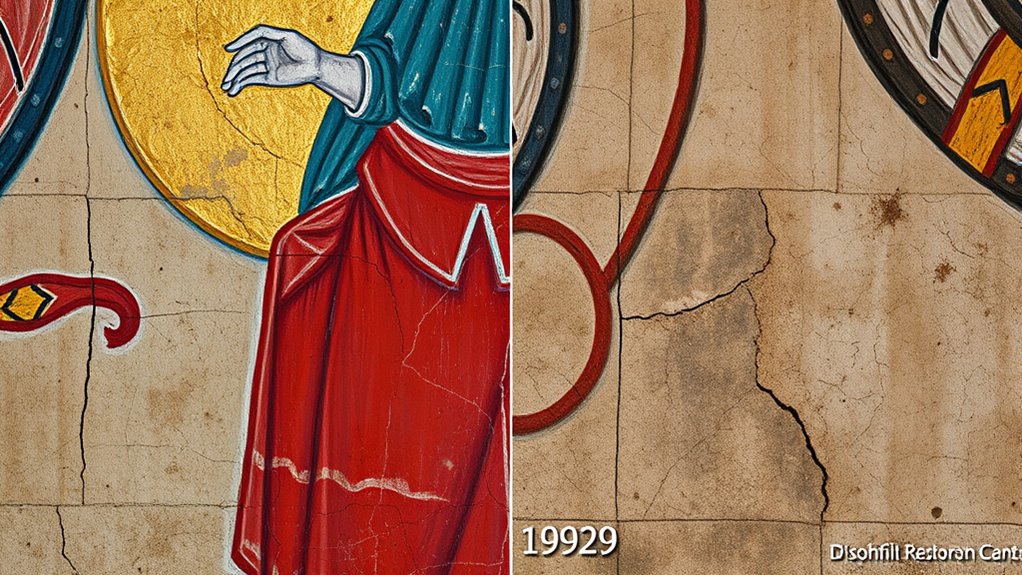
Case studies highlight how restoration efforts can bring artworks back to their original brilliance, emphasizing the importance of restoring originality. Conversely, conservation projects focus on maintaining the piece’s integrity, ensuring its lasting preservation. By examining these outcomes, you can better understand when each approach is most effective.
Restorations Restoring Originality
When properly executed, restorations can effectively bring back the original character and integrity of historic sites. Case studies highlight how meticulous work restores authenticity, preserving their cultural significance. With digital documentation, experts analyze every detail before work begins, ensuring precision. Imagine:
- Carefully cleaning murals to reveal vivid colors lost over time,
- Repairing ancient frescoes with materials matching original pigments,
- Reconstructing worn-out sculptures to their former grandeur. These efforts not only revive visual appeal but also safeguard historical meaning. By restoring original features, you maintain a tangible connection to the past. These outcomes demonstrate how restorations can protect and celebrate cultural heritage, emphasizing their essential role in preserving history for future generations.
Conservation Preserves Integrity
How do conservation efforts guarantee that the original integrity of historic sites remains intact over time? By focusing on using appropriate artistic techniques and emphasizing material stability, conservators carefully analyze each piece’s unique qualities. They employ minimally invasive methods to stabilize fragile surfaces without altering original features. For example, in a case study of a centuries-old mural, conservators used tailored cleaning techniques and compatible consolidants to preserve the artwork’s authenticity. This approach ensures the site retains its historical significance while preventing further deterioration. Conservation prioritizes maintaining the original materials and craftsmanship, allowing future generations to experience the site as it was intended. Through meticulous attention to detail and respect for artistic techniques, conservation preserves the integrity of cultural treasures for years to come.
The Future of Art Preservation: Innovations and Challenges
Advancements in technology are revolutionizing the way we approach art preservation, offering new tools to protect and restore invaluable works. Digital documentation allows you to create detailed records of an artwork’s condition, making future interventions more precise. Artificial intelligence helps analyze deterioration patterns, predicting future damage and guiding preservation efforts. Imagine:
- 3D scanning capturing every brushstroke and crack in stunning detail.
- AI-powered algorithms diagnosing subtle changes invisible to the naked eye.
- Virtual reality environments enabling you to study masterpieces remotely and safely.
These innovations make preservation more accurate and proactive. However, challenges like data security, ethical concerns, and the need for specialized training remain. Embracing these technologies responsibly will shape the future of art conservation, ensuring masterpieces endure for generations.
Frequently Asked Questions
How Do Restorers Determine the Original Intent of Damaged Artwork?
You can determine the original intent of damaged artwork by examining its historical context and artistic details. Restorers analyze the style, materials, and techniques used, comparing them with similar works from the same period. They also study any available documentation or sketches. By understanding the artist’s original vision and the artwork’s history, you help guarantee that restoration efforts respect and preserve its authentic artistic intent.
What Are the Long-Term Risks Associated With Restoration Techniques?
You risk chemical degradation and material incompatibility when using certain restoration techniques. Over time, harsh chemicals can weaken or alter your artwork’s original materials, leading to irreversible damage. Poor compatibility between new and old materials can cause cracking, peeling, or discoloration. To protect your art, you should prioritize techniques that guarantee chemical stability and material harmony, safeguarding its integrity for future generations.
Can Conservation Methods Be Reversed if Needed?
Yes, conservation methods can often be reversed if needed, especially when using reversible techniques. You should look for methods labeled as reversible, meaning they can be undone without damaging the original art. Reversible methods are preferred over irreversible ones because they protect your artwork’s integrity and allow future conservators to make adjustments. Always make certain your conservator uses reversible techniques to keep options open and safeguard your art’s long-term health.
How Do Cultural Values Influence Restoration and Conservation Decisions?
Cultural values shape your restoration and conservation choices more than you realize, sometimes influencing every tiny detail. You might think saving a piece is just about preservation, but its cultural significance and societal impact can turn it into a symbol of identity or pride. Decisions are driven by what the community holds sacred, guiding whether to prioritize authenticity or modern needs. Your choices reflect what your culture believes is worth protecting for future generations.
What Training Is Required to Become a Professional Art Conservator?
To become a professional art conservator, you need specialized training that includes a bachelor’s degree in art conservation, chemistry, or a related field. You’ll also pursue a master’s degree in conservation, focusing on skill development in techniques like cleaning, repairing, and analyzing artworks. Hands-on internships and mentorships are essential for practical experience. This extensive training equips you with the expertise to preserve and protect cultural heritage effectively.
Conclusion
Understanding the difference between restoration and conservation helps you protect your art like a guardian of history. Both approaches act as a delicate dance—one brings back the past’s glow, the other preserves its story for future eyes. By choosing wisely and respecting ethical boundaries, you guarantee your artwork remains a timeless treasure. Remember, like a well-tended garden, proper care keeps your art flourishing for generations to come.