If you want to showcase three-dimensional items like jewelry, collectibles, or layered artwork, shadowbox framing is the perfect choice when depth is the priority. It adds visual dimension, protects delicate objects, and creates a dynamic display. The right depth enhances the overall impact and allows for creative arrangements. If these benefits sound appealing, exploring further will give you ideas on choosing materials, customizing your shadowbox, and making a professional presentation.
Key Takeaways
- Use shadowbox framing when displaying three-dimensional objects to create visual separation and preserve depth.
- Choose shadowboxes for layered memorabilia or heirlooms that benefit from added space and dimensionality.
- Opt for shadowbox framing to enhance visual impact with depth, texture, and lighting options for intricate or textured items.
- When protecting fragile or bulky items from damage, depth provides necessary clearance and support.
- Select shadowboxes with appropriate depth to optimize presentation and prevent crowding of layered or multi-dimensional displays.
What Is Shadowbox Framing and How Is It Different?
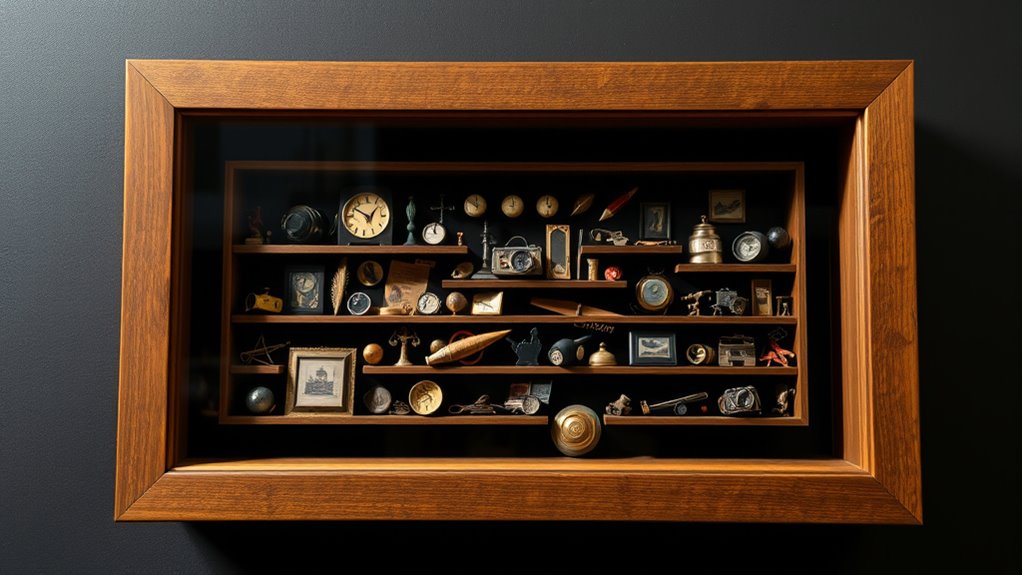
Have you ever wondered what sets shadowbox framing apart from traditional framing? It’s all about creating a sense of depth perception that adds artistic dimension. Unlike flat frames, shadowboxes use a deeper space between the artwork and the glass, allowing you to showcase objects with layers and dimension. This setup gives your display a three-dimensional effect, making it more engaging and visually compelling. The raised backing and spacer elements give you room to emphasize textures, shadows, and details that might be lost in a standard frame. Shadowbox framing transforms a simple piece into a dynamic presentation, inviting viewers to look closer and appreciate the depth. Additionally, the use of energy-efficient materials in framing can contribute to sustainable practices, aligning with environmentally conscious design choices. Incorporating sustainable materials can also help reduce environmental impact while maintaining durability. Modern innovations in material science are expanding the possibilities for eco-friendly framing options, making it easier to combine aesthetics with sustainability. For example, incorporating recyclable materials can enhance the environmental benefits of your framing project. Using biodegradable fillers can further minimize waste and support eco-friendly initiatives. It’s a creative way to highlight both artwork and keepsakes with added visual interest.
Why Use Shadowbox Framing for Your Art and Keepsakes?

Using shadowbox framing allows you to showcase your art and keepsakes with greater depth and visual impact. This method enhances the presentation, making your items stand out and inviting closer inspection. Historically, shadowbox history traces back to museum preservation techniques, where depth was essential for displaying three-dimensional artifacts without damage. By using shadowbox framing, you protect delicate items while creating a dynamic display that adds dimension and interest. It’s ideal for preserving heirlooms, collectibles, or artwork that benefits from a layered presentation. Plus, the deep frame provides space for special lighting or background materials, further highlighting your treasures. Incorporating lighting considerations and contrast ratio considerations in your display setup can also improve the visual clarity and overall impact of your shadowboxed items. Additionally, understanding the materials used in shadowbox construction can help ensure your display remains durable and visually appealing over time. Exploring the shadowbox history reveals its roots in museum preservation techniques, emphasizing its importance in safeguarding and presenting valuable objects with depth and elegance.
Which Items Are Perfect for Shadowbox Framing?
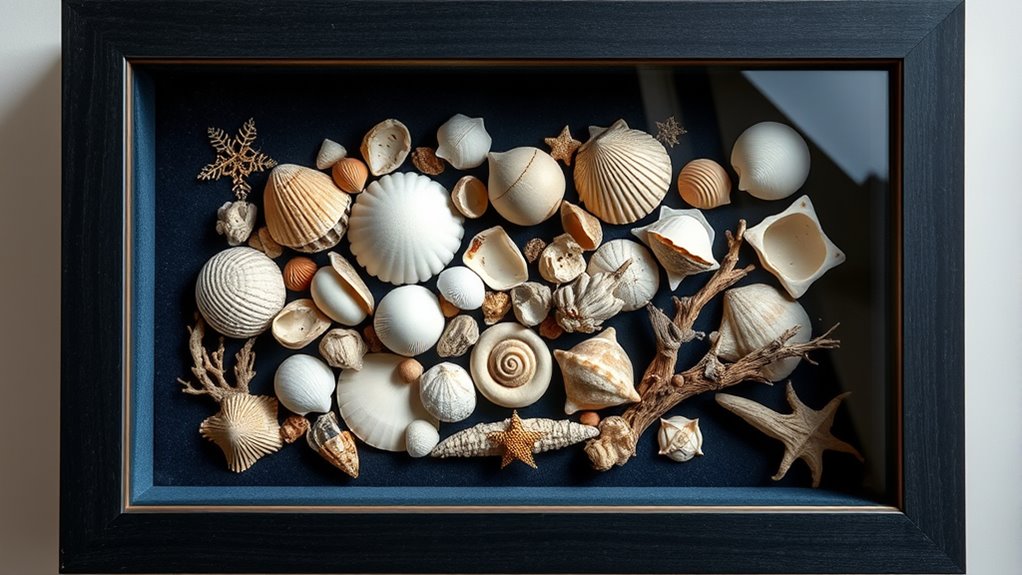
Shadowbox framing is especially well-suited for items that benefit from a layered, three-dimensional display. You’ll find it perfect for showcasing vintage jewelry, capturing its intricate details and nostalgic charm. It’s also ideal for sports memorabilia like jerseys, medals, or signed balls, adding depth and context to your collection. Items with texture or multiple components truly shine in a shadowbox. Here’s a quick look:
| Suitable Items | Why They’re Great for Shadowboxes |
|---|---|
| Vintage jewelry | Highlights craftsmanship and history |
| Sports memorabilia | Adds depth to collectibles and displays |
| Small keepsakes | Creates a dynamic, layered presentation |
This framing style transforms your treasures into eye-catching displays, emphasizing their unique qualities. Incorporating shadowbox framing can also be a space-saving way to organize and display your cherished items without cluttering your space. Additionally, selecting items with varied textures can further enhance the visual appeal of your shadowboxed collection. For optimal results, consider proper lighting to accentuate the depth and details of your items. Understanding the different materials suitable for shadowbox framing can help you choose the best backing and framing options for your collection. Exploring custom framing options can also ensure your display complements the item’s unique features and your personal style.
What Materials and Depth Options Are Available?

You can choose from a variety of materials and styles to match your decor, including wood, metal, or fabric-lined frames. Customizable depth options let you display items with different thicknesses and create the perfect visual effect. Exploring these choices helps you craft a shadowbox that truly highlights your treasured items. Incorporating ambient‑light play features can enhance the visual depth and overall presentation of your display. Additionally, considering the local craftsmanship techniques used in Italian artisans can inspire unique framing designs that add cultural authenticity and aesthetic appeal. Understanding material durability ensures your shadowbox remains beautiful and functional over time. Being aware of material properties can also guide you in selecting frames that withstand environmental factors and preserve your collection.
Material Choices and Styles
Choosing the right materials and depth options is essential to creating a shadowbox that complements your artwork or memorabilia. You can select from various materials, such as eco-friendly options like recycled wood or bamboo, which add sustainability to your display. Matte finishes are popular because they reduce glare and give a sophisticated look. For styles, consider sleek modern frames or vintage-inspired designs to match your decor.
| Material Type | Style Options |
|---|---|
| Eco-friendly | Minimalist, Rustic |
| Traditional Wood | Ornate, Classic |
| Acrylic | Contemporary, Sleek |
Customizable Depth Levels
Selecting the right depth level for your shadowbox frame enhances how your artwork or memorabilia is displayed. With customizable depth levels, you gain greater display flexibility, allowing you to showcase items of various sizes and layers effectively. Materials such as sturdy wood, aluminum, or acrylic frames can support different depths, from shallow profiles to more substantial depths suitable for 3D objects. Depth customization options typically range from a few millimeters to several inches, depending on your needs. This variety enables you to create a tailored presentation, whether for flat photographs or multi-layered collectibles. By choosing the appropriate depth, you ensure your items are securely housed and visually striking, making your shadowbox a perfect blend of style and function. Additionally, understanding sound vibrations and their influence can help you create a more engaging and dynamic display environment for your collection. Considering material support options is essential to ensure your chosen depth is both durable and aesthetic. Structural stability concerns help prevent warping or damage over time, especially with heavier or layered items. Moreover, selecting the correct depth allows for better lighting integration, enhancing the visual appeal of your display. To optimize your display further, thinking about air circulation can help preserve delicate items over time by preventing moisture buildup.
How Can You Use Shadowboxes for Home Decor and Galleries?
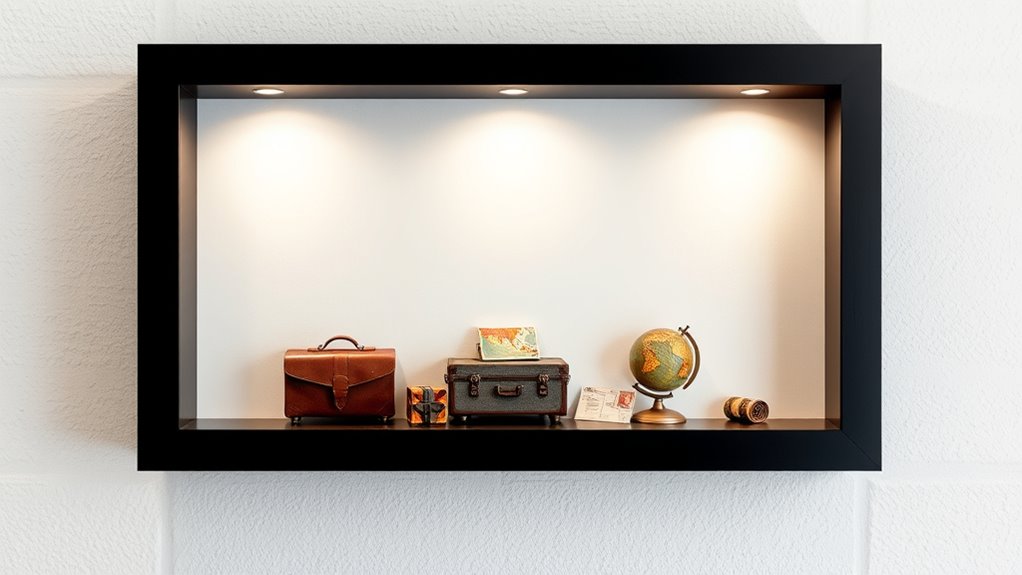
Shadowboxes are perfect for creating layered displays that add visual interest to your space. You can showcase personal collections or meaningful memorabilia to make your decor uniquely yours. Incorporating interior design tips can help you arrange your shadowbox displays more effectively, ensuring they complement your overall decor style. To ensure your shadowbox setup is both safe and visually appealing, consider tool safety guidelines when mounting or handling delicate items. Additionally, selecting appropriate jewelry materials ensures your display remains free from corrosion or damage over time.
Curate Layered Displays
Layered displays in shadowboxes offer a dynamic way to showcase multiple items and create visual depth in your home decor or gallery. By curating layered visualizations, you craft a sense of dimensional storytelling that draws viewers in. Use varying depths, textures, and colors to add interest and guide the eye through the display. Incorporate items like photographs, memorabilia, or small artifacts to build a narrative. Arrange your pieces thoughtfully to balance focal points and flow. Here’s a simple way to plan your layered display:
| Layer 1 | Layer 2 | Layer 3 |
|---|---|---|
| Background texture | Midground objects | Foreground accents |
| Photos or artwork | 3D artifacts | Personal notes |
| Flat items | Raised elements | Highlighted features |
| Base color or pattern | Depth-enhancing | Focal point placement |
This approach makes your shadowbox a compelling story in depth.
Highlight Personal Collections
Ever wondered how to turn your personal collections into eye-catching home decor or gallery displays? Shadowboxes are perfect for highlighting your cherished items while ensuring personal collection preservation.
By using shadowbox framing, you can showcase everything from vintage jewelry to travel souvenirs with a professional touch. Think of creative display case ideas that emphasize depth and dimension, making each piece stand out.
Properly framed, your collections become focal points that add personality and character to any room. Shadowboxes also protect fragile items from dust and damage, keeping your treasures safe over time.
Whether you’re decorating a wall or creating a dedicated gallery space, this method elevates your personal collections into stunning visual stories. It’s a practical, stylish way to celebrate your unique memories.
Create Visual Depth
Using shadowboxes creatively can add remarkable depth and dimension to your home decor or gallery displays. By layering visualizations, you create a sense of movement and intrigue that draws the eye. Incorporate textured backgrounds to enhance this effect, giving each piece tactile richness that invites closer inspection.
You might place small objects at different depths or combine flat artwork with three-dimensional elements for a dynamic presentation. Play with contrasting materials and colors to amplify the sense of space. Shadows and highlights will naturally develop, adding realism and vibrancy.
These techniques transform simple shadowboxes into mesmerizing visual stories, making your displays more engaging and personalized. Whether showcasing collectibles or artwork, creating visual depth elevates your decor from flat to fascinating.
When Should You Pick Shadowbox Over Flat Framing?
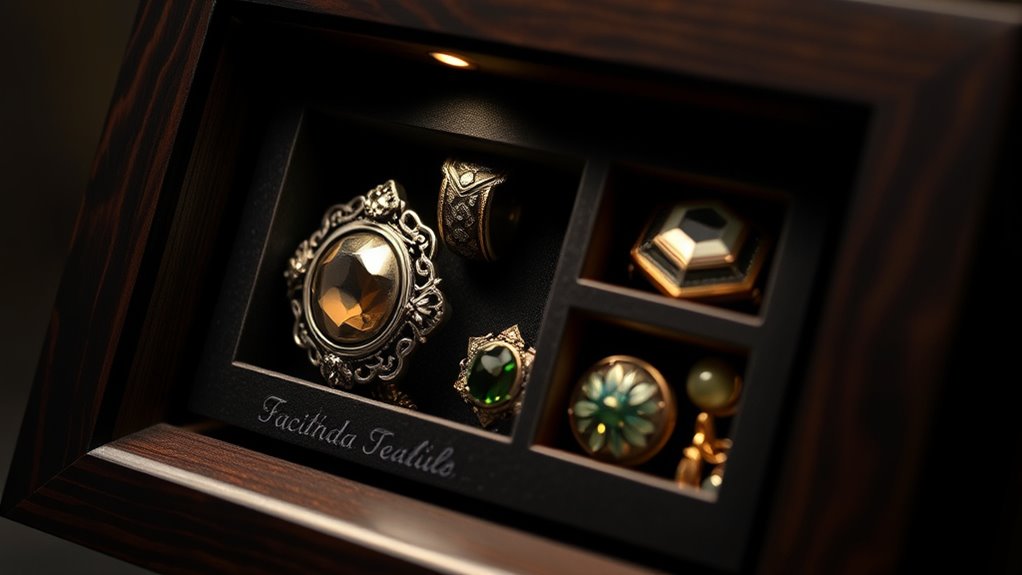
Are you wondering when to choose a shadowbox over flat framing? If you’re displaying three-dimensional objects or items with sentimental value, shadowboxes are the ideal choice. They allow you to incorporate various framing techniques that add depth and dimension, making your display more dynamic.
Shadowboxes are especially useful when artwork preservation is a priority, as they provide extra space to prevent crushing or damage. Use a shadowbox if your item requires protection from dust, light, or environmental factors while still being visible.
Flat framing works well for photographs or artwork that lies flat, but when you want to highlight texture or create a visual story, a shadowbox offers the perfect solution. Knowing when to select shadowbox framing ensures your display is both protected and engaging.
How to Create a Professional and Eye-Catching Shadowbox
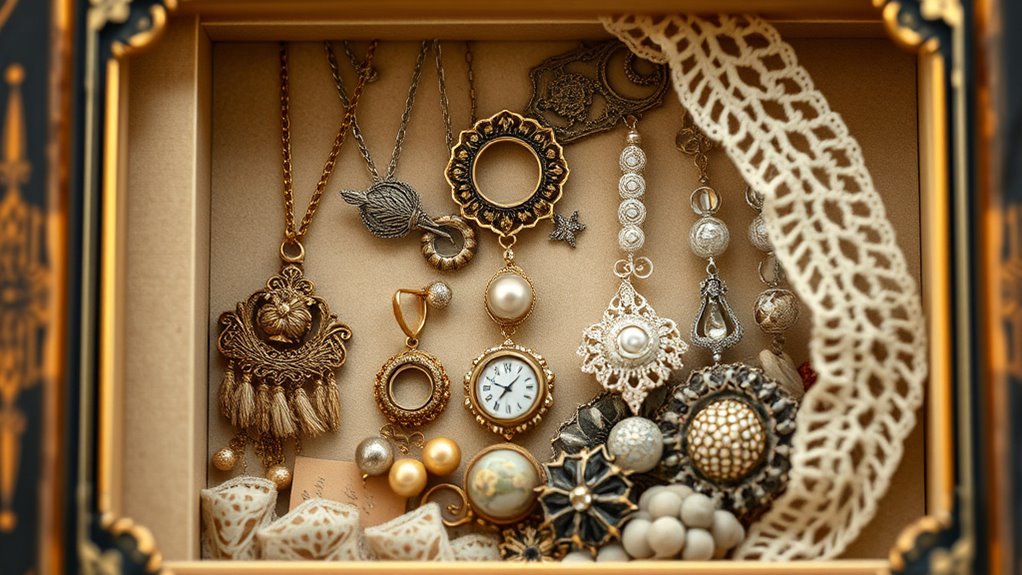
Creating a professional and eye-catching shadowbox begins with careful planning and attention to detail. Start by selecting appropriate lighting techniques to highlight your items without creating glare or shadows. Proper lighting enhances the depth and visual interest, making your display more engaging.
Focus on framing aesthetics by choosing a frame that complements your artwork or memorabilia, ensuring it enhances rather than overwhelms the contents. Pay close attention to spacing and positioning inside the shadowbox, balancing elements for a clean, cohesive look.
Use quality materials for backing and matting to ensure durability and a polished appearance. Overall, combining thoughtful lighting with cohesive framing aesthetics results in a shadowbox that looks professional and instantly draws the viewer’s eye.
Common Mistakes to Avoid When Designing Your Shadowbox
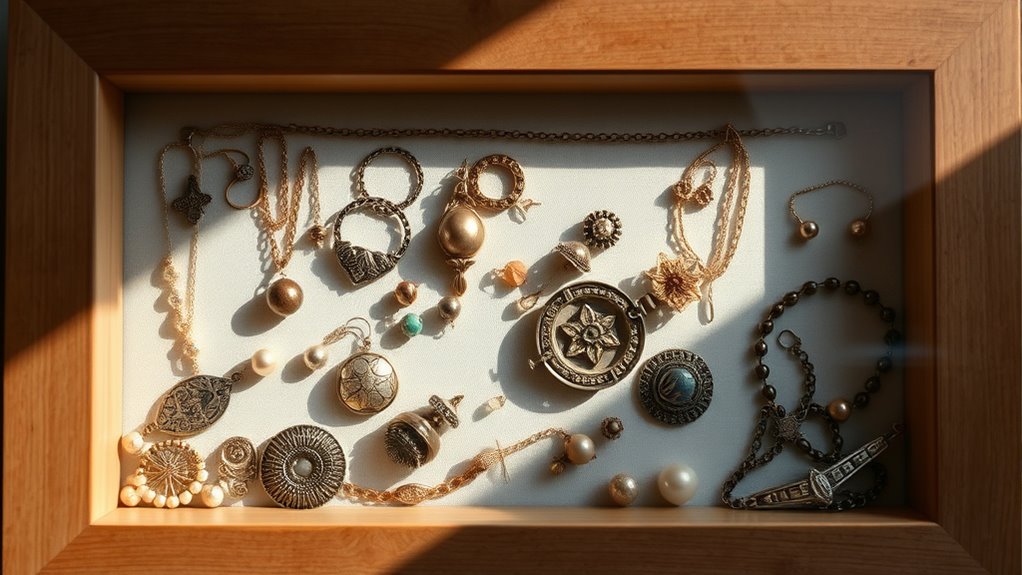
One common mistake is overcrowding the shadowbox, which can make the display look cluttered and detract from its overall impact. When designing your frame layout, resist the urge to include every item you want to showcase.
Instead, focus on a balanced arrangement that highlights each piece without overwhelming the viewer. Pay close attention to color coordination—select hues that complement each other and create harmony within the display. Avoid mixing too many contrasting colors, as this can distract from the main focus.
Keep your layout simple and intentional, allowing each element room to breathe. A clean, well-thought-out design enhances the depth effect and makes your shadowbox more visually appealing and meaningful.
Tips for Caring for and Maintaining Shadowboxed Pieces

Wondering how to keep your shadowboxed pieces looking their best over time? The key is to use proper preservation techniques and prevent dust buildup.
Regularly dust the glass surface with a soft, lint-free cloth to keep dirt and debris from settling inside. Avoid touching the contents directly, as oils and dirt can damage delicate items.
Dust the glass gently with a soft cloth to keep your display clean and clear.
Keep your shadowbox out of direct sunlight to prevent fading and discoloration. Check the frame periodically for signs of moisture or mold, and ensure the backing remains secure.
If needed, gently clean the glass with a damp cloth—avoid harsh chemicals. Proper care prolongs the life of your display, maintaining its visual impact and value for years to come.
Frequently Asked Questions
How Do I Choose the Right Depth for My Shadowbox?
For the best depth selection in your shadowbox, consider the thickness of the items you want to display and how much space they need to breathe.
Think about display considerations like lighting and accessibility—if you plan to add lighting or change items often, choose a deeper frame.
Measure your objects carefully, and opt for a depth that provides enough room without making the piece look bulky or crowded.
Can Shadowbox Framing Accommodate Irregularly Shaped Objects?
Yes, shadowbox framing can accommodate irregularly shaped objects. You can work with a framer to create custom cutouts that securely hold your items, ensuring they fit perfectly within the frame.
This approach allows you to display irregular shapes beautifully while maintaining protection and a professional look. Custom cutouts also prevent movement, so your unique objects stay securely in place, making your display both stunning and safe.
What Are the Best Lighting Options for Shadowboxed Displays?
You should use LED lighting for shadowboxed displays because it provides bright, energy-efficient illumination that doesn’t generate heat, protecting your objects.
Spotlight techniques work well, allowing you to highlight specific items and create dramatic effects. Position the LEDs carefully to avoid glare and shadows, ensuring your display looks vibrant and inviting.
This combination enhances depth and detail, making your shadowbox truly stand out.
How Long Does Shadowbox Framing Typically Last?
Your shadowbox framing typically lasts decades when you use high-quality framing materials and proper preservation techniques.
Choose acid-free backing and UV-protective glass to prevent deterioration.
Regularly inspect your display for signs of aging or damage, and avoid exposing it to direct sunlight or humidity.
Properly maintained, your shadowbox can preserve your treasured items for a lifetime, making it a lasting keepsake you’ll enjoy for years to come.
Is Professional Framing Necessary for Delicate Memorabilia?
You should opt for professional framing for delicate memorabilia to guarantee proper art preservation. Experts use high-quality framing materials that protect your items from damage, environmental changes, and deterioration over time.
Skilled framing preserves the integrity of your memorabilia, especially if it’s fragile or valuable. While DIY might seem cheaper, professional framing provides the necessary care and expertise to keep your cherished items in excellent condition for years to come.
Conclusion
Now that you know what makes shadowbox framing special, you’re ready to showcase your cherished items with depth and style. Whether it’s art, memorabilia, or keepsakes, choosing the right materials and design helps your pieces stand out. Keep in mind when to opt for shadowboxes over flat frames, and follow best practices for care. With a little creativity, your shadowbox will become a stunning focal point that preserves memories and enhances your space.