Temperature swings during transit can cause damage to your artwork by making materials like wood, paint, and canvas expand or contract quickly. This stress can lead to cracking, warping, or paint flaking, which may be irreversible. Proper packaging and insulation help stabilize the environment, reducing these risks. If you want to keep your art safe throughout transport, understanding the best protective methods is essential—you’ll find helpful tips as you continue.

Get school and study supplies delivered free — and shop member deals
- Fast, free delivery on millions of items
- Access to Prime Big Deal Days deals on October 6–7
- Prime Video, Amazon Music and more included
Key Takeaways
- Temperature swings cause materials like wood and paint to expand and contract, leading to cracks, warping, and delamination.
- Rapid temperature changes can create condensation inside packaging, resulting in moisture damage and mold growth.
- Fluctuations increase physical stress on artworks, risking surface cracking, paint flaking, and pigment detachment.
- Proper packaging with insulation buffers thermal shifts, reducing the risk of physical and moisture-related damage.
- Using moisture barriers, thermal materials, and climate-controlled containers helps maintain stable conditions during transit.
artwork shipping insulation materials
As an affiliate, we earn on qualifying purchases.
As an affiliate, we earn on qualifying purchases.
How Temperature Fluctuations Affect Artistic Materials
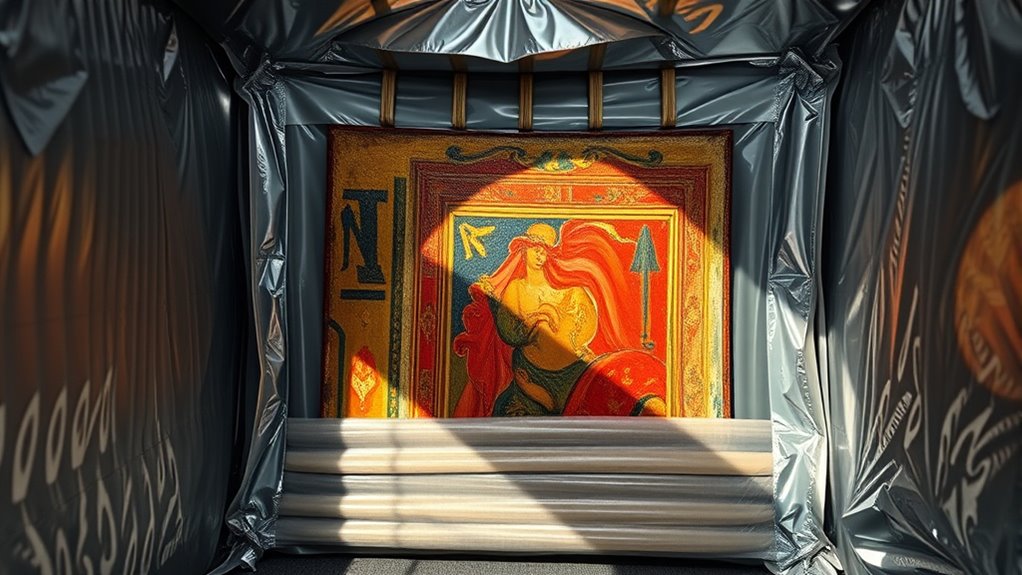
Temperature fluctuations can substantially impact artistic materials, causing them to expand and contract. When this happens, the integrity of the artwork is at risk, making art preservation challenging. Materials like wood, paint, and canvas are sensitive to these changes, which can lead to cracking, warping, or peeling. These physical stresses compromise the stability of your artwork, increasing the likelihood of irreversible damage. Maintaining consistent temperatures is essential to support material stability, especially during transit or storage. By controlling temperature fluctuations, you help prevent expansion and contraction cycles that weaken your art. Proper packaging and climate control are crucial tools for safeguarding your pieces, ensuring they remain intact and preserve their original beauty over time. Climate control and appropriate packaging are vital for long-term preservation, especially when transporting valuable or delicate artworks. Protecting against temperature swings is key to long-term art preservation. Additionally, using sauna heaters and chillers can help maintain a stable environment for sensitive materials during transport or storage.
climate controlled art shipping containers
As an affiliate, we earn on qualifying purchases.
As an affiliate, we earn on qualifying purchases.
The Risks of Rapid Temperature Changes During Transit

When artworks are transported, sudden temperature changes can cause rapid expansion or contraction of materials, increasing the risk of damage. During transit logistics, swift shifts in temperature strain delicate surfaces and internal structures. Art handling becomes more complex as you need to anticipate these risks and plan accordingly. Uncontrolled temperature swings can lead to cracking, warping, or paint flaking. To illustrate, consider this table:
| Scenario | Effect on Artwork | Recommended Action |
|---|---|---|
| Rapid cold snap | Materials contract quickly | Use insulated packaging |
| Sudden heat spike | Materials expand rapidly | Maintain consistent climate |
| Transport delays | Extended exposure to temperature swings | Monitor and adjust climate control |
| Long-distance transit | Increased risk of thermal stress | Choose reliable logistics providers |
Additionally, implementing proper climate control during transit can significantly reduce these risks. Ensuring environmental stability throughout transit helps protect sensitive materials from damage. Recognizing the importance of preventive measures can further safeguard artworks from temperature-related harm. Proper art handling and transit logistics are essential to minimize these risks and preserve your artwork’s integrity.
moisture barrier for art transport
As an affiliate, we earn on qualifying purchases.
As an affiliate, we earn on qualifying purchases.
Recognizing the Signs of Damage Caused by Temperature Shifts

Sudden shifts in temperature can leave subtle yet telling signs of damage on your artwork, making it essential to stay vigilant. Look for these indicators:
- Warping or curling of the canvas or paper
- Cracks, splits, or delamination in paint or varnish
- Changes in texture or surface gloss, hinting at humidity damage
- Discoloration or mold growth due to excess moisture
Additionally, Free Floating environments can increase the risk of unnoticed damage, so regular inspection is crucial. Handling precautions are vital—avoid touching affected areas, as oils can worsen damage. Keep an eye out for swelling or soft spots, which signal moisture infiltration. Recognizing these signs early helps prevent further deterioration. Temperature fluctuations often cause humidity damage, so monitor your art closely after transit. Proper handling and preventive measures are your best defenses against long-term harm caused by temperature swings. Using desiccants inside packaging can help control moisture levels and mitigate humidity-related issues. Regularly checking for humidity fluctuations can help catch problems before they become severe. Be aware that air circulation plays a significant role in maintaining stable conditions and reducing the impact of temperature shifts.
As an affiliate, we earn on qualifying purchases.
The Role of Insulation in Protecting Artworks
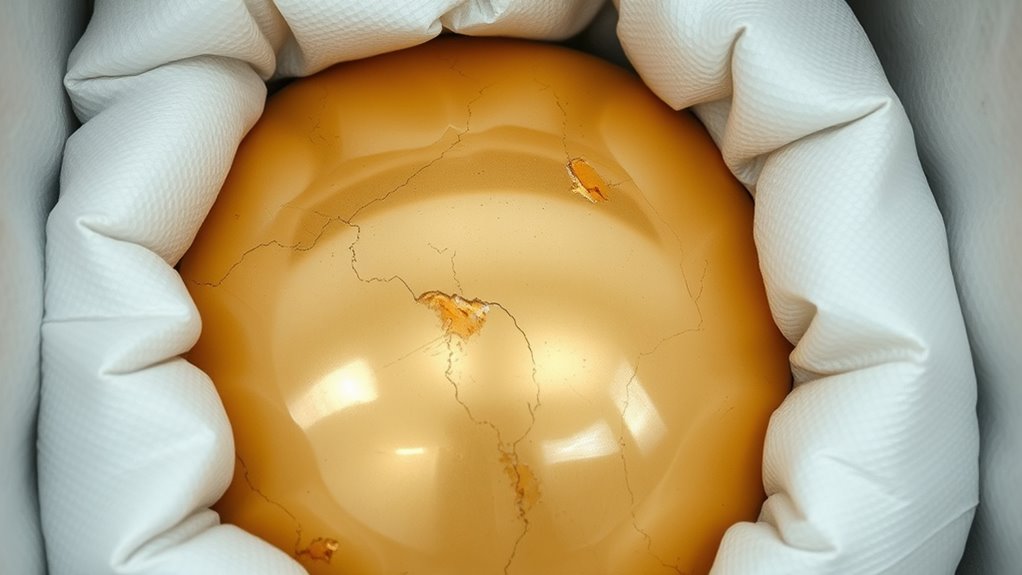
Choosing the right insulation material helps stabilize temperature and protect your art from swings. Creating buffer zones ensures consistent conditions and reduces the risk of damage. Proper insulation also prevents condensation, which can cause serious harm to delicate pieces. Additionally, selecting insulation with appropriate moisture resistance properties further enhances protection against humidity fluctuations. The use of smart home automation systems can also monitor environmental conditions in real-time, allowing for proactive adjustments to maintain optimal storage environments. Implementing advanced insulation techniques can optimize temperature control and safeguard valuable artworks even in challenging environments. Using insulation with thermal efficiency ensures minimal temperature fluctuations and provides a more stable environment for sensitive art. Incorporating climate control systems that integrate with insulation strategies can further enhance protection and maintain ideal conditions.
Insulation Material Choices
The type of insulation material you choose plays a crucial role in safeguarding artworks from temperature fluctuations. Selecting the right material involves considering its thermal conductivity, which determines how well it resists heat transfer. Higher insulation thickness provides additional protection by reducing temperature changes inside the packaging. To make an informed choice, consider these factors:
- Thermal conductivity: Lower values mean better insulation performance.
- Insulation thickness: Thicker layers offer increased resistance to temperature swings.
- Material durability: Ensure it withstands transit conditions without degradation.
- Ease of handling: Lightweight options reduce shipping weight without sacrificing protection.
- Insulation performance: Understanding the thermal properties of the material helps optimize protection against temperature swings. Additionally, selecting materials with proven thermal efficiency can further enhance the safety of artwork during transit.
Choosing the right combination of these factors ensures your artwork remains stable, protected from damaging temperature swings during transit.
Temperature Buffer Zones
Insulation creates temperature buffer zones that help maintain stable conditions around artworks during transit. These zones act as a shield, reducing the impact of external temperature fluctuations through effective temperature buffering. By controlling how heat flows into and out of the packaging, insulation supports climate stabilization inside the container. This minimizes sudden temperature swings that can cause stress or damage to sensitive materials. Proper insulation ensures that artworks experience consistent environmental conditions, even when external temperatures change rapidly. This stability is essential for preventing damage caused by thermal expansion or contraction. Additionally, precious metals IRA markets often emphasize the importance of protective measures during transport, highlighting how critical temperature control is for sensitive assets. Insulating materials are designed to optimize thermal regulation, which is vital for safeguarding delicate objects. Implementing appropriate insulation can also help mitigate environmental fluctuations, providing an extra layer of security during transit. For example, using advanced insulating materials can further enhance the temperature buffering capabilities of packaging. Furthermore, selecting the right insulating materials can contribute to energy efficiency by reducing the need for additional cooling or heating measures. Overall, insulating layers work to protect your artworks, making transit safer and more reliable by maintaining a controlled environment throughout the journey.
Preventing Condensation Risks
Because temperature fluctuations can cause moisture buildup, insulation plays a crucial role in preventing condensation on artworks during transit. Proper insulation helps maintain stable humidity levels and reduces sudden temperature changes that trigger condensation. To effectively prevent moisture risks, consider these key strategies:
- Use insulation materials with moisture barriers to block humidity transfer.
- Incorporate humidity control devices within the packaging to monitor and adjust moisture levels.
- Seal packaging tightly to prevent external moisture infiltration.
- Choose insulating materials that retain temperature stability, minimizing condensation risk.
- Selecting materials with thermal insulation properties enhances the overall effectiveness of the protective packaging. Additionally, understanding moisture transfer mechanisms can help in designing more effective packaging solutions, and humidity regulation is essential for consistent environmental control during transit. Being aware of thermal conductivity can further optimize insulation performance under varying conditions.
Innovative Packaging Solutions for Temperature Control

Innovative packaging solutions are transforming how we manage temperature control during transportation and storage, helping to protect delicate artworks from damaging fluctuations. By integrating advanced insulation materials and active temperature regulation systems, packaging innovation enhances art conservation efforts. These solutions often include phase change materials that absorb or release heat, maintaining a stable environment around the artwork. You can now choose temperature-sensitive packaging with built-in sensors that monitor conditions in real-time, allowing immediate adjustments if needed. This proactive approach minimizes risks of thermal stress and condensation, safeguarding your art during transit. Implementing these innovative methods ensures artworks arrive in pristine condition, reinforcing the importance of specialized packaging in preserving cultural heritage. Ultimately, these advancements empower you to handle art with greater confidence and security.
Best Practices for Shipping Art Safely Across Different Climates

When shipping art across various climates, you need to focus on effective insulation techniques to protect against temperature fluctuations. Using climate-controlled shipping options can help maintain a stable environment during transit. Additionally, choosing proper packing materials guarantees your artwork stays safe from damage caused by temperature swings.
Insulation Techniques for Art
To guarantee your artwork arrives safely across different climates, proper insulation during shipping is essential. Effective insulation helps maintain stable temperatures, reducing risks of damage. Here are key techniques to consider:
- Use insulating materials like foam or bubble wrap to buffer temperature fluctuations.
- Incorporate thermal blankets or wraps designed specifically for art shipping.
- Choose packaging with insulating panels that meet packaging regulations for art transit.
- Ensure the container is airtight to prevent humidity and temperature exchange.
These methods support art conservation by minimizing temperature swings that can cause cracking, warping, or fading. Proper insulation also ensures your packaging adheres to regulations, avoiding delays or fines. Prioritizing insulation techniques safeguards your art from temperature-related damage during transit.
Climate-Controlled Shipping Options
Proper insulation techniques help stabilize a piece’s temperature during transit, but for added security, climate-controlled shipping options are the best way to safeguard your artwork across varying environments. These options maintain consistent temperature and humidity control, preventing damage from temperature swings and excessive moisture. Climate-controlled carriers monitor conditions throughout transit, reducing the risk of warping, cracking, or mold. Always ensure your shipment is properly labeled with transit labeling that clearly indicates fragile and climate-sensitive items, alerting handlers to maintain specific conditions. This step helps prevent mishandling that could expose your artwork to damaging environmental shifts. Investing in climate-controlled shipping ensures your art remains stable and protected, regardless of external climate changes during transit.
Proper Packing Materials
Choosing the right packing materials is essential to protect your artwork from temperature fluctuations and humidity changes during transit. Proper materials help maintain humidity control and provide shock absorption, minimizing damage risks. To guarantee safety, consider these best practices:
- Use acid-free, archival-quality foam or bubble wrap for cushioning.
- Incorporate moisture-absorbing materials, like silica gel packs, to regulate humidity.
- Select sturdy, double-walled boxes designed for heavy or fragile items.
- Add padding around edges and corners to absorb shocks and prevent movement.
Frequently Asked Questions
How Do Specific Artistic Materials React Differently to Temperature Fluctuations?
You’ll notice that different artistic materials react uniquely to temperature fluctuations. For example, paint can expand or contract, causing cracking or peeling due to material expansion. Organic materials like wood may warp, while certain chemicals in dyes or varnishes can trigger unwanted chemical reactions. These reactions weaken the artwork’s integrity, making proper temperature control essential during transit. Packaging helps buffer these fluctuations, protecting your art from damage caused by these material sensitivities.
What Are the Long-Term Effects of Minor Temperature Swings on Artwork?
You might not notice minor temperature swings, but over time, they can cause significant damage to your artwork. These fluctuations accelerate art conservation issues like cracking, warping, and fading. Climate impact plays a vital role, as repeated temperature changes weaken materials and adhesives. To preserve your art long-term, it’s essential to maintain stable conditions and use proper packaging, minimizing exposure to damaging temperature swings during transit and storage.
How Can Shippers Monitor Temperature Changes During Transit?
You can monitor temperature changes during transit by using calibrated sensors that guarantee accurate readings. Data logging devices track temperature fluctuations in real-time, giving you valuable insights into the transit conditions. Make sure to regularly calibrate sensors to maintain accuracy and review data logs throughout the journey. This proactive approach helps you identify and address potential issues quickly, safeguarding your artwork from damage caused by temperature swings.
Are There Legal Regulations for Temperature-Controlled Art Transportation?
You need to guarantee legal compliance when transporting art with temperature controls, as regulations vary by region and transportation method. Proper documentation, permits, and adherence to industry standards are essential. Additionally, verify your insurance coverage to protect against potential damages caused by temperature fluctuations. By following these legal and insurance guidelines, you safeguard your artwork and minimize risks during transit, ensuring a smooth, compliant delivery process.
What Advancements Are Emerging in Temperature-Sensitive Art Packaging Technologies?
You won’t believe the latest in art packaging tech. Innovative insulation now keeps temperature fluctuations at bay, while smart sensors monitor conditions in real-time, alerting you instantly to any issues. These advancements revolutionize transport safety, ensuring your artwork stays pristine no matter the journey. Imagine a package that’s as intelligent as it is protective—cutting-edge solutions that safeguard your treasures with precision and peace of mind.
Conclusion
By understanding how temperature swings can turn your precious artwork into a ruined relic, you hold the power to prevent catastrophe. With the right packaging and careful precautions, you can stop these destructive shifts in their tracks—saving your art from chaos and disaster. Don’t let a simple climate change turn your masterpiece into a forgotten, broken relic. Protect it fiercely, because one bad temperature flip could wipe out centuries of beauty in a heartbeat!
Halloween Picks
halloween
As an affiliate, we earn on qualifying purchases.