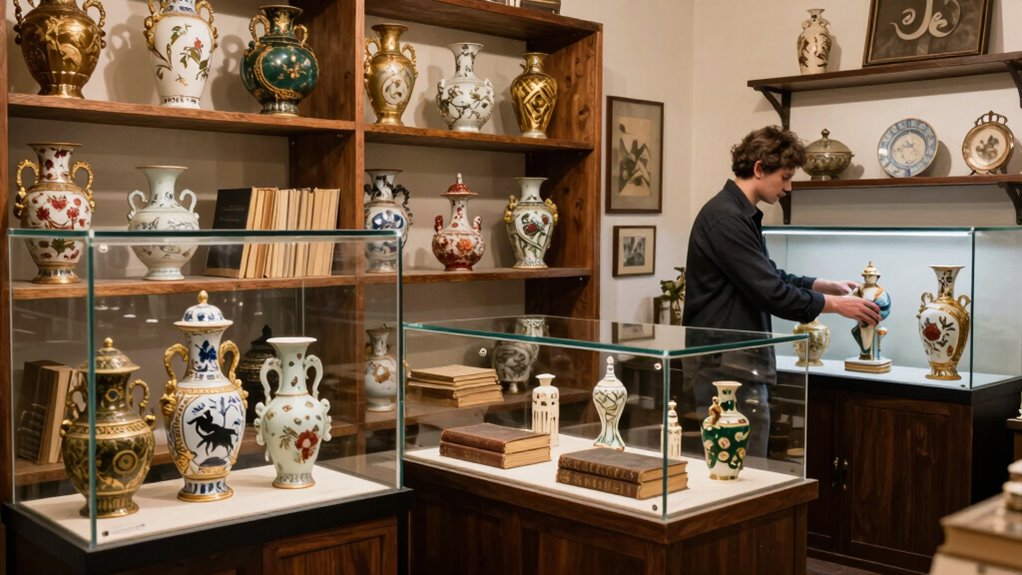
To balance display ambition with preservation reality, you should prioritize items based on condition, significance, and visitor interest, using digital tools like virtual exhibits for fragile objects. Engage your community for monitoring and storytelling support, which reduces physical handling and fosters shared responsibility. Mix digital and physical displays thoughtfully, ensuring preservation efforts are integral to your plans. By combining innovative strategies, you can expand accessibility while protecting your collections—continue to explore how these approaches work together.

Get school and study supplies delivered free — and shop member deals
- Fast, free delivery on millions of items
- Access to Prime Big Deal Days deals on October 6–7
- Prime Video, Amazon Music and more included
Key Takeaways
- Prioritize items based on condition, significance, and visitor interest to balance display goals with preservation needs.
- Utilize digital displays for fragile items to reduce physical handling and risk.
- Implement regular condition assessments and feedback to adapt display strategies accordingly.
- Engage community involvement to share responsibility and reduce display pressure on collections.
- Integrate digital tools to expand display options while safeguarding physical assets.
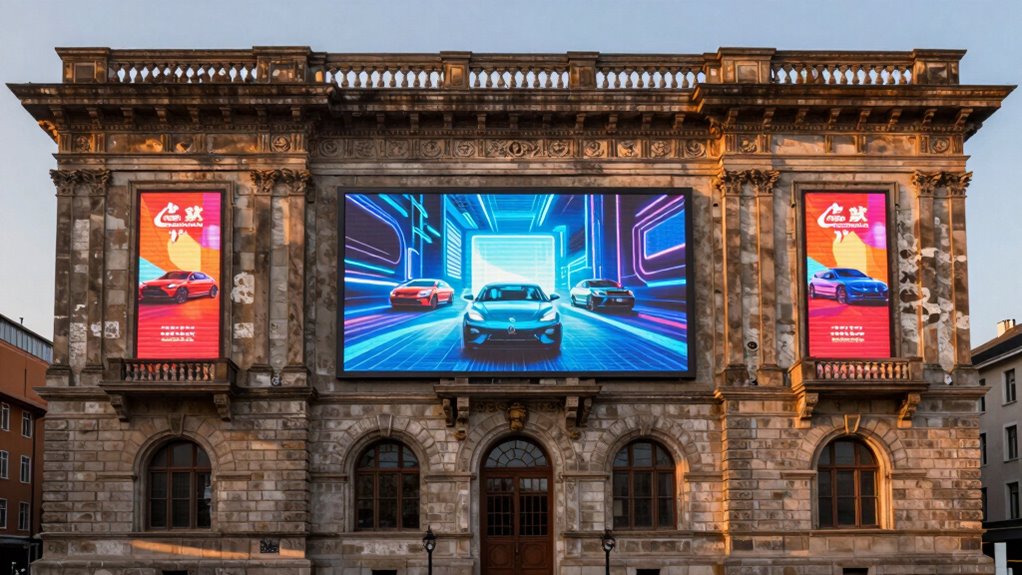
Balancing display ambition with preservation reality can be a challenging task, especially when you want to showcase your collections without compromising their integrity. The key lies in embracing digital innovation, which offers new ways to display items while minimizing physical handling. Digital tools like high-resolution photography, 3D scanning, and virtual reality enable you to create immersive digital exhibits that capture the essence of your collections without risking damage through frequent physical interaction. These technologies can also help you reach a broader audience, making your collections accessible to people who might never visit in person. By integrating digital innovation into your display strategy, you not only preserve the physical condition of your items but also elevate the overall visitor experience. Understanding content preservation techniques can further inform your approach to safeguarding fragile items while sharing their stories digitally. Additionally, adopting digital preservation methods can ensure that digital representations remain accessible and authentic over time. Incorporating digital content management can streamline the organization and long-term accessibility of your digital assets, ensuring their integrity for future use. When combined with community involvement, these strategies foster a more sustainable approach to preservation and display. Community engagement plays a vital role in striking this balance. When you involve your community, whether through volunteer programs, local partnerships, or social media initiatives, you foster a sense of shared ownership and responsibility for preservation. Engaged community members can assist with educational programs, help monitor the condition of displays, or contribute stories and context that enrich the exhibit. This collaborative approach reduces the pressure to display everything physically and allows you to showcase more items digitally. It also builds trust and enthusiasm around preservation efforts, making visitors more likely to support your goals. By actively involving the community, you turn passive viewers into active stewards of your collections, which can lead to increased funding, volunteer support, and advocacy. Furthermore, balancing ambition and preservation requires a strategic approach to display planning. You should prioritize items based on their condition, significance, and visitor interest. For more delicate or fragile objects, digital displays can be the safest option, while sturdier pieces can be physically exhibited with careful conservation measures. Regularly evaluating your display methods and incorporating feedback from visitors and experts helps refine your approach. Striking this balance isn’t about limiting your ambitions but about innovatively expanding them within the boundaries of preservation. Digital innovation and community engagement act as powerful tools to extend your reach and impact without sacrificing the integrity of your collections. When you thoughtfully combine these strategies, you create a dynamic environment where your collections can be appreciated and preserved for generations to come.
As an affiliate, we earn on qualifying purchases.
Frequently Asked Questions
What Are Common Challenges in Balancing Display and Preservation?
You often face challenges like maintaining aesthetic priorities while ensuring the display remains durable, which can limit creative freedom. Balancing visitor engagement with preservation needs is tricky—you want visitors to connect deeply without risking damage. You also struggle with resource constraints, making it hard to upgrade displays or implement new ideas. Ultimately, aligning your display ambitions with preservation realities requires careful planning, compromise, and a focus on sustainable visitor experiences.
How Do Funding Limitations Impact Preservation Efforts?
Funding limitations are like a tightrope walk—you need to balance carefully. When resources are scarce, you must prioritize preservation efforts that protect your most valuable assets. Funding constraints force you to make tough choices, often delaying or scaling back projects. To succeed, you focus on preservation priorities that offer the greatest impact, ensuring your collection’s future remains secure even when financial support is limited.
What Modern Technologies Aid in Balancing Display With Preservation?
Modern technologies like digital archiving and interactive exhibits help you balance display with preservation. Digital archiving allows you to store high-quality images and data without risking physical damage, while interactive exhibits engage visitors without overexposing delicate artifacts. These tools enable you to showcase your collection dynamically, maintaining preservation standards while still offering an engaging display. By adopting these technologies, you can effectively meet display ambitions without compromising artifact integrity.
How Can Community Input Influence Display Decisions?
You can’t underestimate the power of community engagement—after all, who better to decide what’s worth displaying? Your community’s input shapes displays that truly represent their cultural identity, ensuring authenticity and respect. By actively involving local voices, you foster a sense of ownership and pride, making preservation more meaningful. Remember, cultural representation isn’t just about showcasing artifacts; it’s about honoring the stories your community refuses to let fade away.
What Are the Legal Considerations in Preservation and Display?
You need to guarantee legal compliance by understanding laws related to cultural heritage, intellectual property, and safety regulations. Additionally, uphold ethical standards by respecting the origins and significance of displayed items. This involves obtaining necessary permits, avoiding unauthorized reproductions, and accurately representing artifacts. By balancing legal and ethical considerations, you protect both your institution and the community’s trust, creating a responsible display that honors preservation efforts while engaging the public effectively.
As an affiliate, we earn on qualifying purchases.
Conclusion
Balancing display ambition with preservation reality isn’t just about making bold choices; it’s about respecting history while embracing progress. Did you know that over 70% of cultural heritage sites worldwide face threats from neglect and modernization? By prioritizing thoughtful preservation alongside innovative displays, you can create impactful exhibits that honor the past and inspire the future. Remember, a careful balance guarantees that your displays captivate without compromising the integrity of what’s truly worth preserving.
high-resolution photography equipment
As an affiliate, we earn on qualifying purchases.
As an affiliate, we earn on qualifying purchases.
digital content management software
As an affiliate, we earn on qualifying purchases.
As an affiliate, we earn on qualifying purchases.
Halloween Picks
halloween
As an affiliate, we earn on qualifying purchases.