When choosing between UV glass and acrylic, consider your need for UV protection, impact resistance, and clarity. UV glass offers better long-term UV filtering and scratch resistance but is heavier and more fragile. Acrylic is lighter, impact-resistant, and easier to handle, with flexible design options but may scratch more easily and need careful maintenance. If you want more details to help decide, you’ll find helpful insights as you explore further.
Key Takeaways
- Consider UV protection needs: UV glass offers superior long-term UV filtering, ideal for sunlight exposure.
- Evaluate impact resistance: Acrylic is more shatter-resistant and lightweight, suitable for high-traffic or impact-prone environments.
- Match clarity and design: UV glass provides clearer views, while acrylic offers more color options and flexible shapes.
- Assess durability and maintenance: UV glass resists scratches and requires less upkeep; acrylic needs gentle cleaning to prevent surface damage.
- Factor in budget and environmental impact: Acrylic is cheaper and versatile but less eco-friendly; UV glass is more sustainable and long-lasting.
Understanding UV Protection Capabilities

When evaluating UV protection, it’s important to understand how glass and acrylic materials block ultraviolet rays. UV protection varies between these materials, influencing their effectiveness in shielding you from harmful rays. Glass typically offers superior UV filtering because it naturally absorbs most UV rays without additional coatings, making it a reliable choice for long-term use. Acrylic, on the other hand, can be treated with special UV coatings to enhance its protection level. However, these coatings may degrade over time, affecting overall UV protection. Material durability also plays a role; glass tends to be more resistant to scratches and UV damage, ensuring consistent protection. Additionally, material properties such as chemical composition and surface treatments significantly impact UV resistance. By understanding these differences, you can select the material that best balances UV protection and longevity for your needs. Incorporating UV coating durability considerations can help you choose a material that maintains its protective qualities over time. Moreover, understanding manufacturing processes can provide further insight into how these materials are designed for optimal UV protection. Recognizing the long-term performance of these materials can help ensure your investment remains effective over the years. Evaluating testing standards can also be crucial in verifying the actual UV protection offered by different products.
Comparing Material Durability and Strength
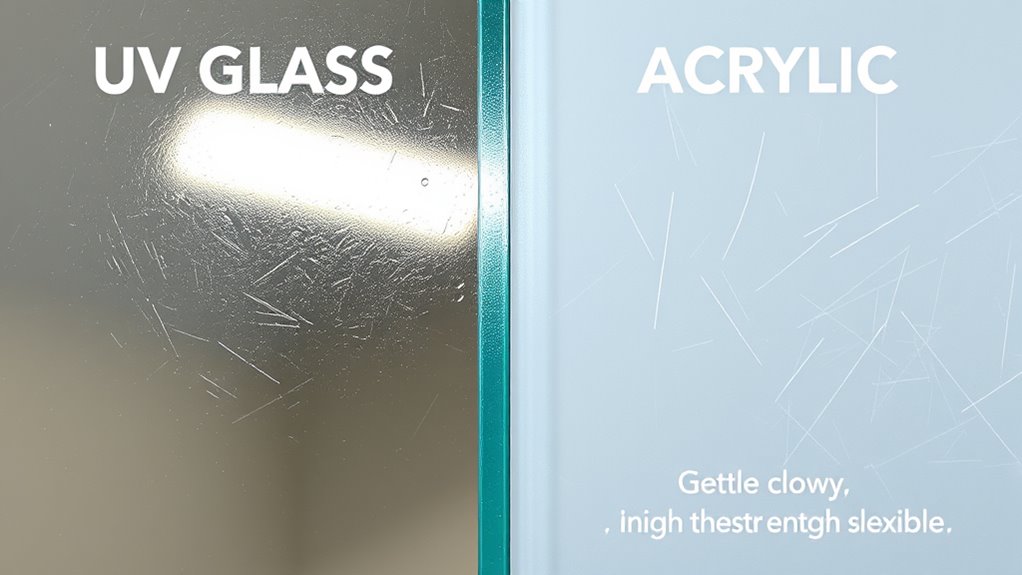
When comparing UV glass and acrylic, you’ll notice differences in how well each withstands impacts and resists UV damage. Acrylic is generally more resistant to shattering, but UV glass offers better long-term UV protection. Understanding these strengths helps you choose the right material for durability and safety. Additionally, considering proper maintenance can prolong the lifespan of either material and ensure optimal performance over time. For example, UV resistance varies between the two, affecting how they perform in outdoor environments. Recognizing material properties is essential for making an informed choice suited to your specific needs, especially since customer preferences often influence the decision based on aesthetic and functional factors. Being aware of cookie management options can help you optimize your browsing experience when researching these materials online.
Resistance to Impact
Acrylic generally outperforms glass in impact resistance, making it a more durable choice for applications prone to accidental knocks or drops. Its material resilience allows it to absorb shocks better, reducing the risk of cracks or shattering. When comparing impact resistance, acrylic’s flexibility helps it withstand sudden impacts without breaking. You’ll find that this durability makes it ideal for high-traffic areas or environments with frequent handling. Additionally, visual and auditory cues can aid in understanding the material’s performance under stress. Considering these factors, material properties such as toughness, flexibility, and resilience are essential in selecting the right material for demanding settings. For example, impact strength testing reveals how well each material withstands force without damage. Recognizing the material composition can provide further insight into its overall impact performance. Moreover, understanding the manufacturing process can influence the impact resistance of each material. Consider these factors:
- Higher toughness under sudden stress
- Greater ability to bend without cracking
- Reduced likelihood of shattering upon impact
- Superior shock absorption
- Increased lifespan in demanding settings
Understanding these strengths helps you choose a material that offers long-lasting resilience and better impact performance.
UV Damage Resistance
While acrylic’s impact resistance makes it a durable choice for many applications, its ability to withstand UV damage sets it apart from glass. Acrylic offers superior UV resistance, which helps prevent yellowing, cracking, and deterioration over time. This quality markedly enhances its material longevity, making it suitable for outdoor settings where exposure to sunlight is constant. Additionally, acrylic’s UV stability allows it to maintain clarity and strength longer under prolonged sun exposure. Unlike glass, which can become brittle and degrade under prolonged UV exposure, acrylic maintains clarity and strength longer. If you’re seeking a material that endures UV rays without losing its properties, acrylic is the better option. Its resilience against UV damage ensures your investment lasts, reducing the need for frequent replacements and preserving the aesthetic appeal of your installation. Furthermore, researching UV damage resistance can help you make an informed choice between these materials. Understanding material durability can further guide your decision to select the most suitable option for your specific needs. Moreover, considering UV protection features in different products can help optimize their performance over time. Additionally, evaluating product lifespan can provide insight into the long-term benefits of each material.
Clarity and Visual Quality Differences
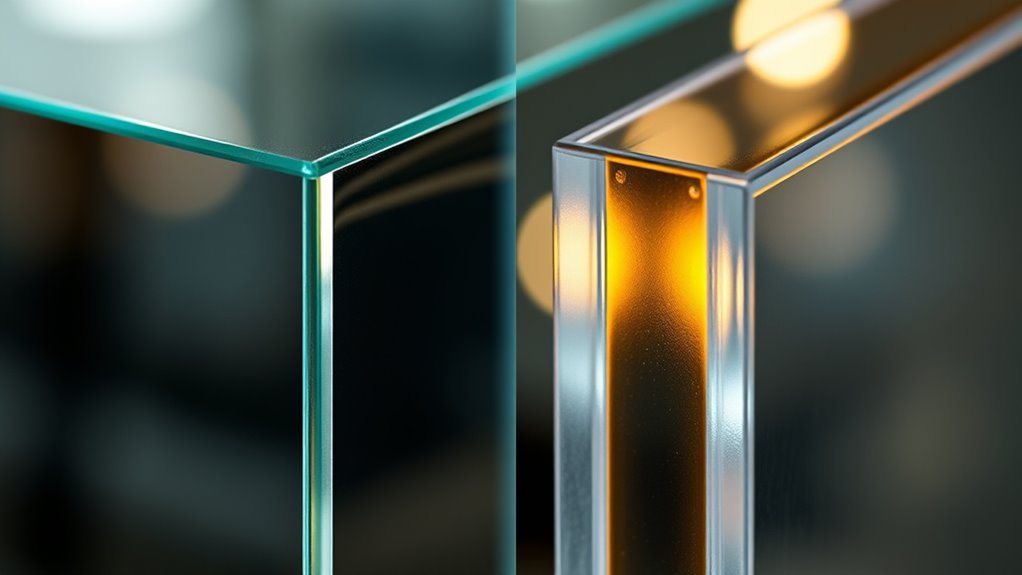
Understanding the differences in clarity and visual quality between UV glass and acrylic is essential when choosing the right material for your needs. UV glass generally offers superior optical clarity, providing a crisp, distortion-free view, while acrylic can sometimes introduce a slight tint or haze. Acrylic offers more color options, allowing for customized visual effects, and its design flexibility enables curved or intricate shapes that maximize aesthetic appeal. Additionally, the wave and wind properties of these materials can influence their durability and suitability for different environments. These environmental factors can be crucial when selecting a material for outdoor or high-traffic displays. For instance, UV glass typically resists UV degradation, maintaining clarity over time better than acrylic under prolonged sun exposure. Moreover, the cost and maintenance of each material can vary, affecting long-term satisfaction and performance. It is also important to consider the optical properties of each material, as they directly impact how light passes through and how images appear. Consider these factors:
- Transparency levels
- Color consistency
- Resistance to scratches affecting clarity
- Impact on light diffusion
- Suitability for detailed displays
Choosing between UV glass and acrylic hinges on your priority for pristine visuals versus versatility in design. Both materials serve unique purposes, so understanding these visual differences helps you make an informed decision.
Weight and Handling Considerations
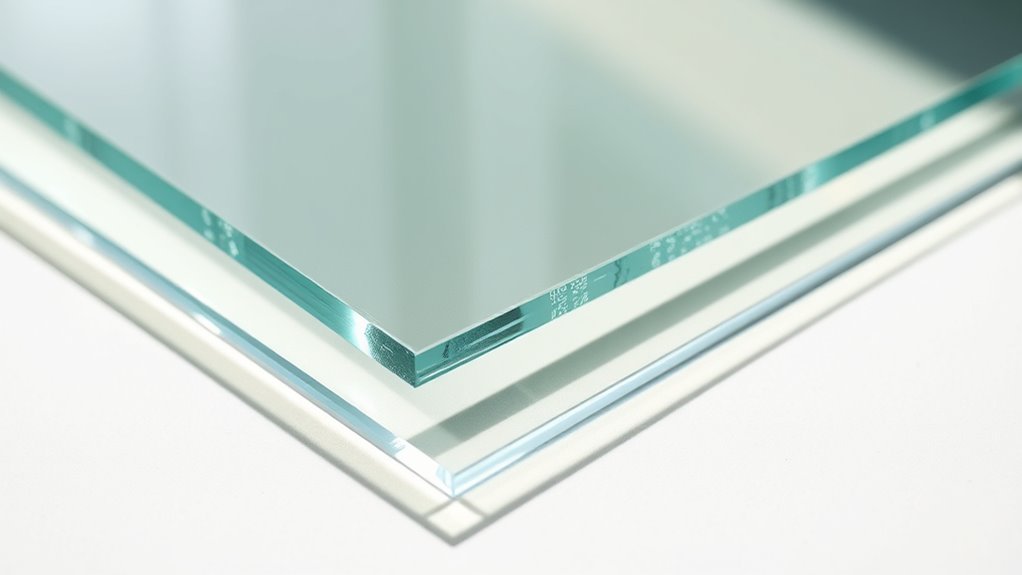
When choosing between UV glass and acrylic, weight and handling ease play crucial roles in your decision-making process. Acrylic is considerably lighter than UV glass, making it easier to handle and install, especially for larger pieces. The weight comparison shows acrylic’s advantage if you need a lightweight option for frequent movement or delicate mounting situations. The impact resistance of acrylic also means it’s less prone to shattering, further simplifying handling and installation. If ease of handling is a priority, especially for larger or more delicate displays, acrylic offers a clear advantage. Additionally, acrylic’s lightweight nature also reduces strain during handling and can lower transportation costs. Handling acrylic is generally safer due to its shatterproof qualities, which minimizes the risk of injury during installation. Consider how much weight will impact installation and ongoing maintenance when making your choice.
Cost and Budget Factors

When comparing UV glass and acrylic, you’ll notice the upfront material costs can vary markedly. While acrylic often costs less initially, UV glass might offer better long-term value through durability and clarity. Considering these price differences helps you make a budget-conscious choice that fits your needs.
Material Pricing Differences
The cost difference between UV glass and acrylic can considerably impact your budget, making it essential to evaluate their pricing carefully. A thorough pricing comparison helps you understand material costs upfront. UV glass typically has higher initial prices due to manufacturing complexity and quality standards. Acrylic, on the other hand, often offers lower material costs, making it more budget-friendly initially. However, keep in mind that long-term expenses might differ. When assessing prices, consider:
- Manufacturing and processing expenses
- Shipping costs based on weight and size
- Customization or finishing fees
- Supplier pricing policies
- Bulk purchase discounts
Understanding these factors ensures you choose a material that balances cost with your project needs, avoiding surprises down the line. Remember, upfront costs aren’t the only financial consideration—long-term value plays a role too.
Long-term Investment Value
Although initial costs differ between UV glass and acrylic, evaluating their long-term investment value reveals which material truly offers better value over time. UV glass tends to have a higher upfront price but offers superior durability and scratch resistance, reducing replacement costs. Acrylic, on the other hand, is more affordable initially but may require more frequent replacements due to scratching or clouding, increasing long-term expenses. When considering decorative options and color customization, UV glass often provides a clearer, more vibrant display that lasts longer, enhancing its value. Acrylic offers more design flexibility and easier color modifications, but these benefits might be offset by its shorter lifespan. Ultimately, your choice depends on balancing initial budget constraints with the desire for lasting beauty and customization options.
Maintenance and Longevity

Maintaining UV glass and acrylic requires different approaches to guarantee their longevity. UV glass offers excellent environmental durability, resisting scratches, chemicals, and temperature shifts, making it a low-maintenance choice. Acrylic, on the other hand, demands careful cleaning to prevent surface damage and preserve its aesthetic versatility over time. To maximize longevity, consider these tips:
- Use non-abrasive cleaners suitable for each material
- Regularly remove dust and debris
- Avoid harsh chemicals that could degrade surfaces
- Protect acrylic from prolonged direct sunlight to prevent warping
- Schedule periodic inspections for cracks or scratches
Aesthetic Versatility and Design Options
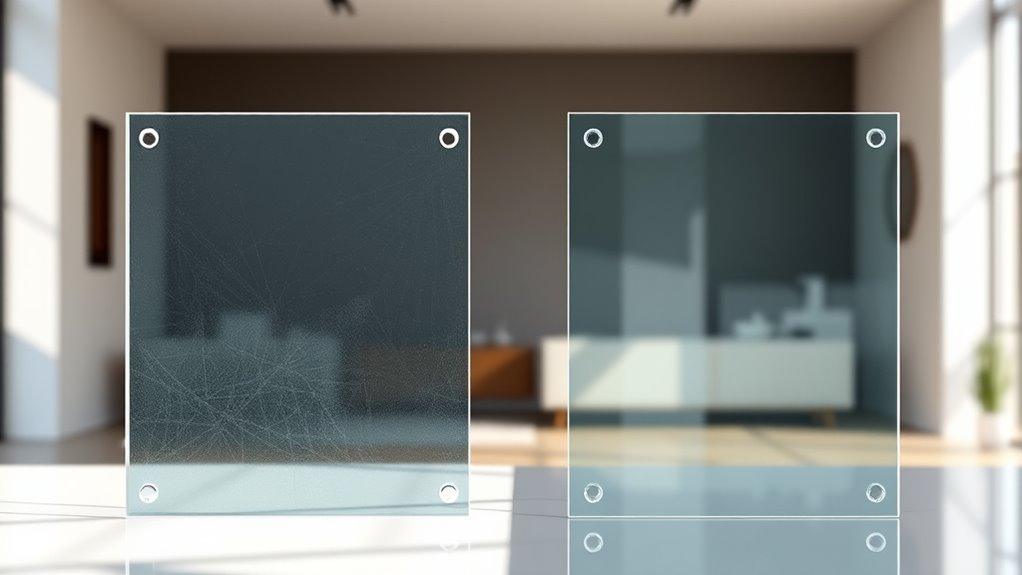
When choosing between UV glass and acrylic, you’ll find a wide range of design options to match your style. Acrylic offers greater flexibility in shapes and custom styles, making it easier to create unique looks. Plus, both materials come in various colors and finishes, so you can achieve the exact aesthetic you want.
Design Flexibility and Styles
Both UV glass and acrylic offer impressive design flexibility, allowing you to customize shapes, sizes, and finishes to match your aesthetic preferences. You can incorporate intricate decorative patterns, giving your display a unique touch. Color customization options enable you to match your environment or branding seamlessly. With these materials, you can achieve sleek, modern, or ornate styles, depending on your vision.
Consider these design options:
- Intricate decorative patterns etched or molded into the surface
- Custom shapes beyond standard rectangles or squares
- Varying finishes, from high gloss to matte
- Embedded textures or elements for added dimension
- Unique edge treatments to enhance visual appeal
This versatility empowers you to craft tailored visual experiences that resonate with your style.
Color and Finish Variety
Color and finish options substantially enhance the aesthetic versatility of UV glass and acrylic, enabling you to create customized visual effects that match your design goals. UV glass often offers a limited but elegant range of color options and subtle finish textures, providing a sleek, professional look. Acrylic, on the other hand, excels in variety, with numerous vibrant color options and a wide array of finish textures, from matte to high-gloss. This flexibility allows you to tailor your choice to your specific style, whether you prefer a modern, vibrant appearance or a more subdued, refined aesthetic. Ultimately, your decision depends on whether you value the refined simplicity of UV glass or the bold, customizable design possibilities of acrylic.
Environmental Impact and Sustainability

Choosing between UV glass and acrylic involves considering their environmental impacts and sustainability. UV glass is often highly recyclable, addressing recyclability concerns, and is produced through eco friendly manufacturing processes. Acrylic, while lightweight and durable, presents challenges in recycling and may generate more waste during production. Your decision should factor in the long-term environmental footprint:
- UV glass’s recyclability reduces waste and supports circular use.
- Acrylic’s manufacturing can involve higher emissions if not eco-friendly.
- Disposal options vary, with UV glass generally more sustainable.
- Acrylic’s lighter weight can lower transportation emissions.
- Both materials’ sustainability depends on manufacturing practices and lifecycle management.
Installation and Customization Ease

When it comes to installation and customization, UV glass typically requires more careful handling due to its weight and fragility, which can make the process more challenging and time-consuming. You might find the ease of installation with acrylic to be a significant advantage—it’s lighter and easier to work with. Customization options are also more flexible with acrylic, allowing you to cut, shape, and drill with less risk.
| UV Glass | Acrylic |
|---|---|
| Heavier and fragile, needs careful handling | Lightweight and easy to manipulate |
| Limited customization options | More versatile for DIY projects |
| Longer installation time | Quicker, more straightforward setup |
Making the Best Choice for Your Needs
To select the right material for your project, you need to take into account your specific needs and priorities. Consider how UV protection and material durability influence your choice. UV glass offers superior UV protection, making it ideal for preserving artwork or displays exposed to sunlight. Acrylic, on the other hand, boasts greater material durability and impact resistance, perfect for high-traffic areas or environments prone to accidents. Evaluate the following factors:
Choose UV glass for sun-exposed displays or acrylic for impact-resistant, high-traffic areas.
- UV protection level
- Material durability
- Budget constraints
- Aesthetic preferences
- Installation environment
Frequently Asked Questions
Which Material Offers Better Resistance to Scratches and Abrasions?
UV glass offers better scratch resistance and abrasion durability compared to acrylic. You’ll find that UV glass resists scratches more effectively, keeping your display clearer over time. Acrylic, while lightweight and shatter-resistant, is more prone to scratches and abrasions, which can diminish its appearance and clarity. If scratch resistance and long-term abrasion durability are your priorities, UV glass is the smarter choice to maintain a pristine look.
How Do UV Glasses and Acrylics Perform Under Extreme Temperatures?
You’ll find that UV glass performs better under extreme temperatures because it has lower thermal expansion, reducing the risk of cracking. It also offers superior insulation properties, helping maintain temperature stability. Acrylic, on the other hand, can warp or distort with temperature fluctuations due to higher thermal expansion, making it less ideal for environments with significant temperature changes. Choose UV glass if temperature resistance is your priority.
Can Either Material Be Easily Repaired if Damaged?
Can either material be easily repaired if damaged? Think of repairability concerns as a double-edged sword—UV glass is more durable but harder to fix, while acrylics are easier to repair but less resilient. You’ll find that acrylics, with their flexibility, often allow for simpler repairs, but UV glass’s superior durability keeps damage at bay longer. Your choice hinges on balancing repair ease with material durability to suit your needs.
Are There Health Concerns Associated With Acrylic or UV Glass?
You don’t need to worry too much about health safety with either material, but acrylic can emit chemical fumes if heated or cut improperly, posing potential chemical exposure risks. UV glass is inert and less likely to cause health concerns. To stay safe, handle both materials with proper precautions, wear protective gear, and ensure good ventilation during installation or repairs. This minimizes any health risks associated with chemical exposure.
How Do Cleaning Requirements Differ Between UV Glass and Acrylic?
Think of cleaning UV glass and acrylic like tending a delicate garden. UV glass typically requires less maintenance frequency and gentle cleaning, using soft cloths and non-abrasive cleaners to keep its clarity, like watering tender plants. Acrylic, on the other hand, needs more frequent cleaning with special plastics cleaners to prevent scratches, making maintenance a bit more delicate. Both demand care, but UV glass is the easier garden to nurture.
Conclusion
Now that you’ve explored both UV glass and acrylic, you’re closer to making the right choice. But remember, the decision isn’t just about specs — it’s about what truly fits your needs and style. Will you prioritize durability, clarity, or eco-friendliness? The right pick could surprise you. Stay tuned, because the perfect solution might be more surprising than you think — and it’s waiting just around the corner. Are you ready to discover it?