
When you choose a frame, you’re balancing aesthetics with preservation. A well-selected frame enhances the artwork’s visual appeal and communicates its cultural or modern style. At the same time, it protects the piece from damage caused by environmental factors like light, humidity, or movement. This combo guarantees your artwork stays beautiful and intact over time. If you keep exploring, you’ll discover how thoughtful framing can truly elevate and preserve your collection for years to come.
Play games included with Prime
Start a Prime free trial and play with Amazon Luna on your devices.
As an affiliate, we earn on qualifying purchases.
Key Takeaways
- Frames shape visual perception, emphasizing specific details while complementing the artwork’s aesthetic and cultural context.
- Material choice affects durability, protecting artwork from environmental damage and ensuring long-term preservation.
- Proper framing balances aesthetic appeal with conservation needs, preventing deterioration over time.
- Cultural framing styles reflect identity and tradition, enhancing the artwork’s message and significance.
- Environmental considerations and preventive conservation techniques extend the artwork’s lifespan through strategic framing choices.
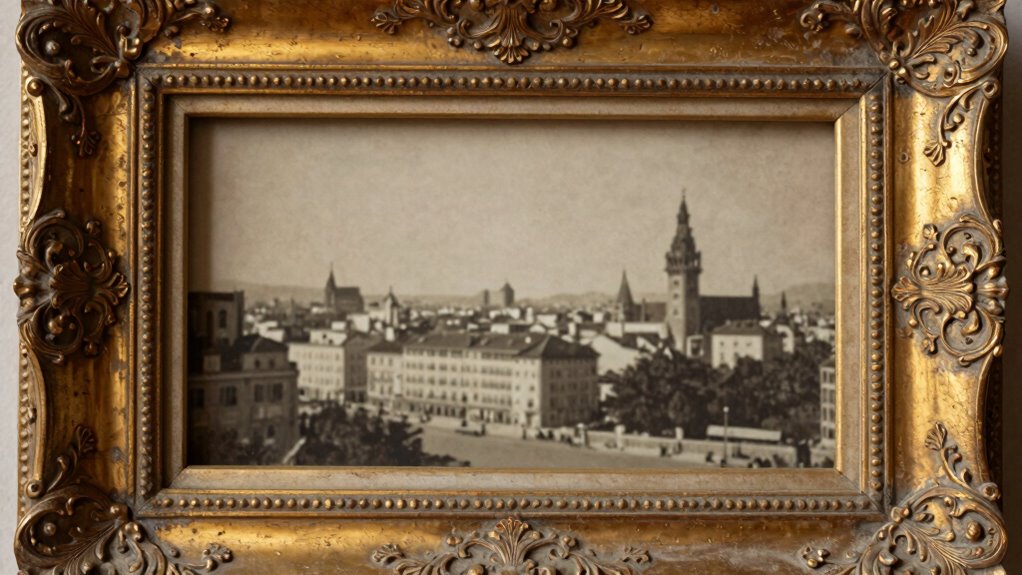
Have you ever considered how framing shapes both the aesthetic and longevity of your artwork? The choice of frame isn’t just about matching colors or styles; it’s a vital decision that influences how your piece is perceived and preserved over time. When selecting a frame, you’re engaging in a process that balances cultural significance with material durability. Different cultures have historically valued certain framing styles that reflect their identity, traditions, and values. For example, ornate gilded frames often evoke a sense of grandeur and historical importance, while minimalist designs might emphasize modernity and simplicity. Your selection can communicate a message, grounding your artwork within a specific cultural context or making it stand out as a contemporary statement.
Framing influences both the look and preservation of your artwork, reflecting cultural identity and enhancing its lasting impact.
Beyond cultural considerations, you need to think about material durability. The longevity of your artwork depends heavily on the materials used in framing. High-quality woods, metals, or plastics can provide strength and stability, protecting your piece against environmental factors like humidity, light, and temperature fluctuations. Cheaper or inappropriate materials can cause damage over time, leading to warping, discoloration, or deterioration. For valuable or sentimental works, investing in durable materials guarantees that your artwork remains intact for years to come. Additionally, the glass or acrylic covering should be chosen carefully to prevent glare and reduce UV exposure, which can fade colors and weaken paper or canvas. Material durability plays a crucial role in preserving artwork and ensuring its enduring beauty. Proper framing techniques also involve understanding how environmental factors can affect the preservation process and how to mitigate them effectively. Recognizing the importance of climate control can further extend the lifespan of your artwork by minimizing exposure to damaging conditions. Implementing appropriate storage conditions can greatly enhance preservation efforts, especially for sensitive or valuable pieces.
Incorporating preventive conservation techniques, such as regular inspections and controlled environments, can help catch potential issues early before they cause irreversible damage. Your framing decision impacts not only protection but also how viewers engage with your work. A well-chosen frame can highlight specific details or create a visual boundary that draws attention. Conversely, an ill-fitting frame can distract or diminish the impact of the artwork. The style, color, and texture of the frame should complement your piece, creating harmony rather than competition. It’s about striking a balance between aesthetic appeal and protective qualities, making sure that your work communicates its intended message while staying preserved.
Ultimately, framing is a strategic choice that fuses design and preservation. By considering cultural significance, you connect your piece to a broader tradition or statement. By prioritizing material durability, you safeguard your artwork’s future. When you approach framing thoughtfully, you’re not just protecting your work—you’re elevating its presence and guaranteeing that it can be appreciated for generations. The right frame becomes an extension of your artistic vision, one that enhances its meaning and safeguards its integrity for years to come.
As an affiliate, we earn on qualifying purchases.
Frequently Asked Questions
How Do Framing Choices Impact Artwork Longevity?
Your framing choices directly impact artwork longevity by influencing frame durability and aesthetic harmony. A sturdy frame protects against physical damage and environmental changes, extending its life. Additionally, selecting a frame that complements the artwork enhances visual appeal, encouraging proper care and display. By balancing durability with aesthetic harmony, you guarantee your artwork remains preserved and visually engaging for years to come.
What Materials Are Best for Preserving Historical Frames?
You should choose materials like acid-free mats, UV-resistant glass, and stable wood or metal for preserving historical frames. Ensuring materials compatibility prevents damage over time, such as acid deterioration or warping. When restoring frames, use gentle techniques that respect original craftsmanship, like cleaning with suitable solutions and avoiding invasive repairs. These strategies help maintain the frame’s integrity, ensuring it continues to protect and showcase the artwork effectively.
Can Framing Techniques Affect the Value of a Piece?
Yes, framing techniques can impact the value of a piece by enhancing its frame aesthetics and supporting its artistic expression. A well-chosen frame complements the artwork, drawing viewers’ attention and preserving its integrity. Conversely, a poorly selected or inappropriate frame can detract from the piece’s appeal and perceived worth. Thoughtful framing demonstrates respect for the artwork, often increasing its desirability and market value over time.
How Do Climate Conditions Influence Framing Preservation?
Climate conditions are like a storm testing your ship’s hull—your framing. You need climate adaptation and environmental controls to shield your artwork from humidity, temperature swings, and sunlight. Proper framing acts as a barrier, preventing damage caused by moisture or UV rays. By choosing materials and design that respond to your environment, you preserve your pieces’ integrity and longevity, ensuring they remain vibrant and protected through changing weather conditions.
Are Modern Frames Suitable for Antique Artworks?
Modern frame styles can be suitable for antique artworks if you carefully consider antique frame compatibility. You need to choose frames that complement the artwork’s period and style, ensuring they don’t overshadow the piece. While sleek, contemporary designs might work in some cases, opting for frames with traditional elements can better preserve the antique’s character. Ultimately, balancing modern aesthetics with historical integrity helps protect and showcase your artwork effectively.
UV protective acrylic glass for frames
As an affiliate, we earn on qualifying purchases.
As an affiliate, we earn on qualifying purchases.
Conclusion
So, when you choose a frame, you’re not just sealing a picture; you’re shaping its story—like a whisper that echoes through time. Your decision becomes a bridge between art and memory, blending design with preservation. Remember, framing isn’t just about aesthetics; it’s about safeguarding what matters. As you make your choice, ask yourself: will this frame be a silent guardian or a vibrant storyteller? The power’s in your hands—choose wisely.
As an affiliate, we earn on qualifying purchases.
conservation-grade framing supplies
As an affiliate, we earn on qualifying purchases.
As an affiliate, we earn on qualifying purchases.
Fall yard work Picks
leaf blowers
As an affiliate, we earn on qualifying purchases.