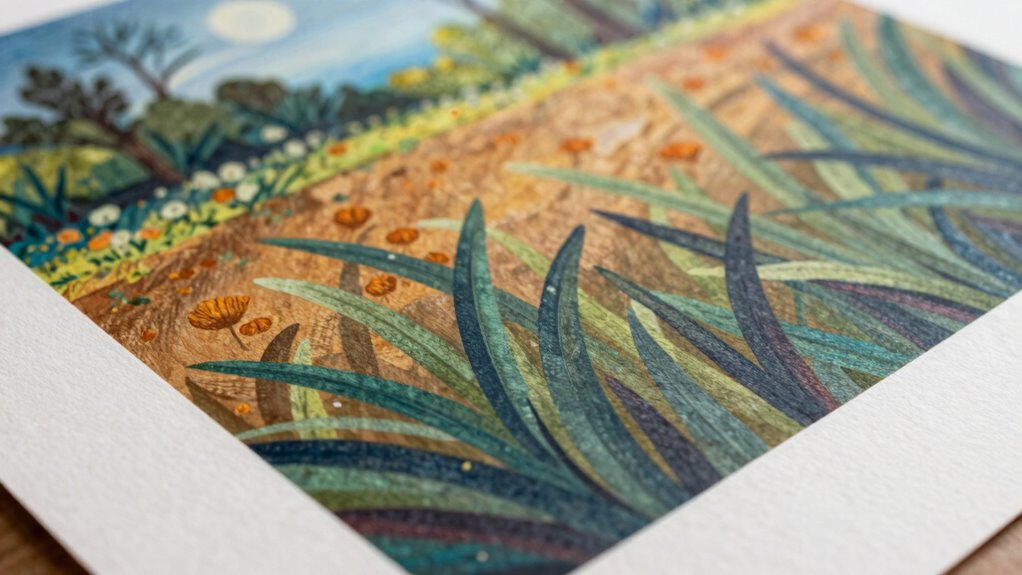

When deciding if an item is an original, edition, or reproduction, look for signs like signatures, provenance, and material quality. Originals come directly from the artist and are usually signed and documented, while editions are limited or open sets, often numbered. Reproductions are mass-made copies with superficial flaws and little provenance. To protect your investment, learn how to spot authenticity and understand market trends—more tips await to help you become a confident collector.
Key Takeaways
- Verify provenance, signatures, and documentation to confirm authenticity of original works.
- Examine material quality, craftsmanship, and surface finishes for signs of reproduction.
- Understand the differences between limited, open editions, and special releases to assess rarity and value.
- Be cautious of superficial flaws, inconsistent textures, and cheap materials indicating reproductions.
- Stay informed on market trends, expert certifications, and proper storage to make confident, value-driven purchases.
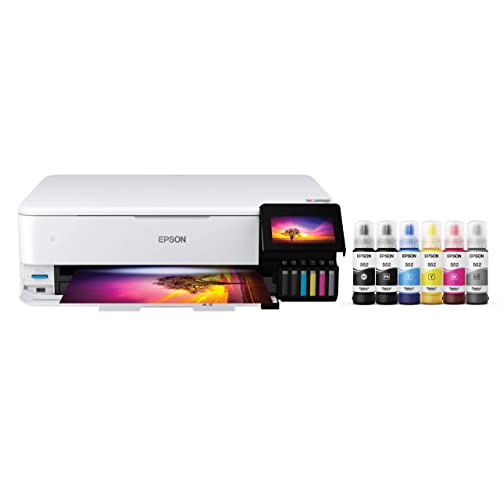
Epson EcoTank Photo ET-8550 Wireless Wide-format Color All-in-One Supertank Printer with Scanner Copier, Ethernet and 4.3-inch Colorfull Touchscreen
Cartridge-free printing for lab-quality photos, graphics and creative projects — get vibrant colors and sharp text with Epson's...
As an affiliate, we earn on qualifying purchases.
Defining the Key Terms: What Exactly Is an Edition, Original, and Reproduction?
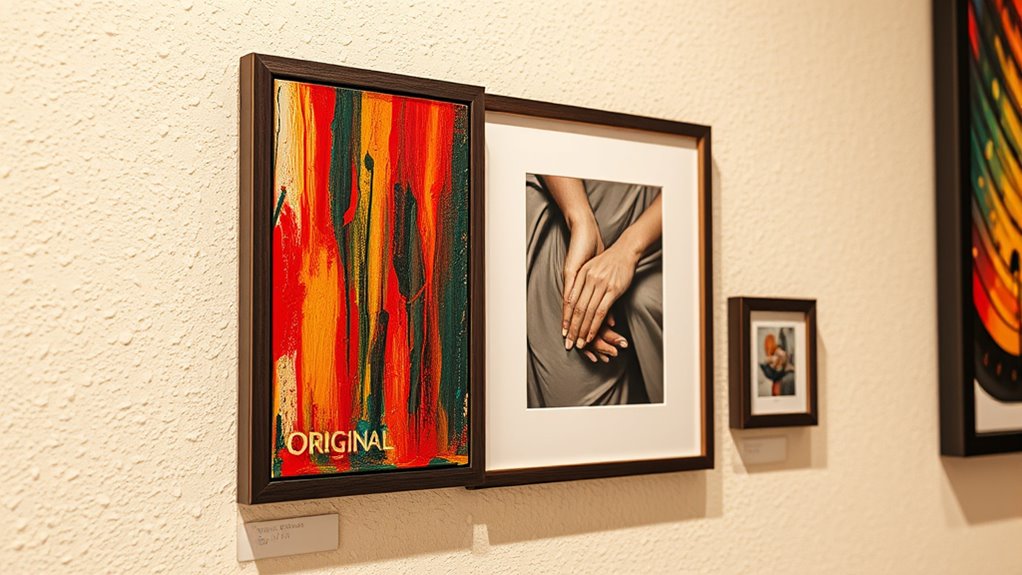
Understanding the differences between an edition, an original, and a reproduction can be confusing, but knowing these terms is essential when evaluating art or collectibles. An original piece is the first creation by the artist, often with a provenance history that traces its ownership and authenticity. It usually bears the artist’s signature, confirming its genuine origin. An edition refers to a set of prints or works produced from a single plate or mold, often numbered and signed by the artist, but not unique. Reproductions are copies made after the original, often mass-produced, lacking the artist’s signature or provenance details. Recognizing these distinctions helps you assess value and authenticity, ensuring you understand whether you’re dealing with a rare original or a reproduction. Understanding the role of provenance is crucial in establishing the authenticity and value of collectible works. Additionally, knowing the production process behind each type can help collectors make informed decisions, especially when considering reproduction quality and the materials used.

Canon imagePROGRAF PRO-1100: 17” Professional Wireless Inkjet Photo Printer
11 PIGMENT-BASED INK SYSTEM PLUS CHROMA OPTIMIZER: The 11 pigment-based ink system provides a broad color gamut and...
As an affiliate, we earn on qualifying purchases.
Recognizing Authenticity: How to Spot the Original Piece
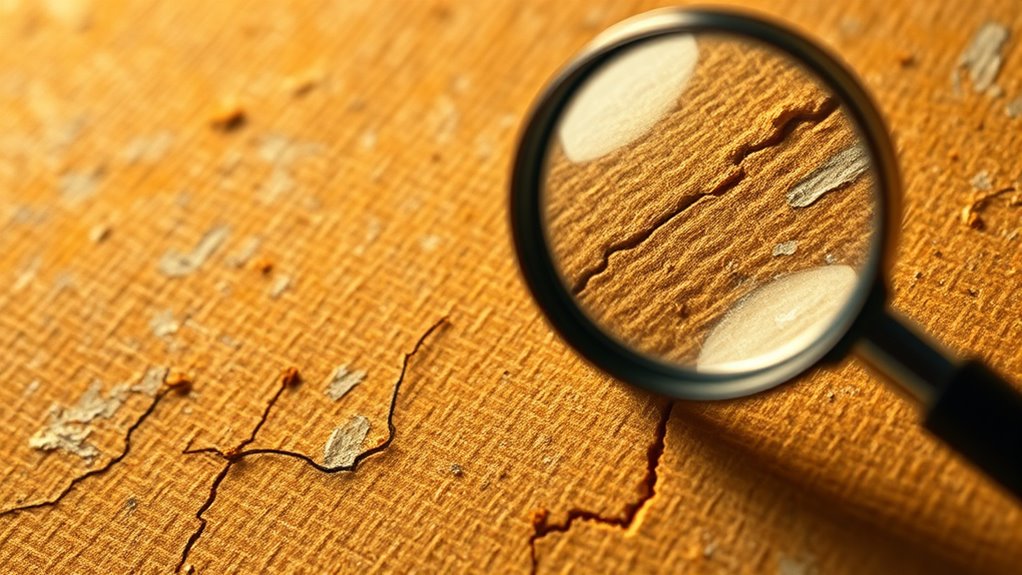
To confidently identify an original piece, you need to examine specific signs of authenticity. Look for details that set the piece apart from famous forgeries or counterfeit detection pitfalls. Focus on:
- Fine craftsmanship with precise, crisp details
- Authentic materials that feel genuine and durable
- Clear, consistent signatures or markings
- Provenance or documentation verifying its origin
Authentic items often have subtle, high-quality finishes that counterfeiters struggle to replicate. Check for inconsistencies like blurry images, uneven edges, or off-center markings. Familiarity with common signs of forgeries helps you avoid buying fake items. Understanding wiring basics and expert appliance recommendations can also aid in verifying the provenance and legitimacy of high-value items. By paying close attention to these details, you can confidently distinguish an original piece from a counterfeit, ensuring your collection or purchase remains authentic and valuable.

Epson Expression Photo HD XP-15000 Wireless Color Wide-Format Printer, Amazon Dash Replenishment Ready, Black, Large
Epson printing system is designed to be used exclusively with Epson Genuine Cartridges. Use of non-genuine ink could...
As an affiliate, we earn on qualifying purchases.
Understanding Editions: Limited, Open, and Special Releases
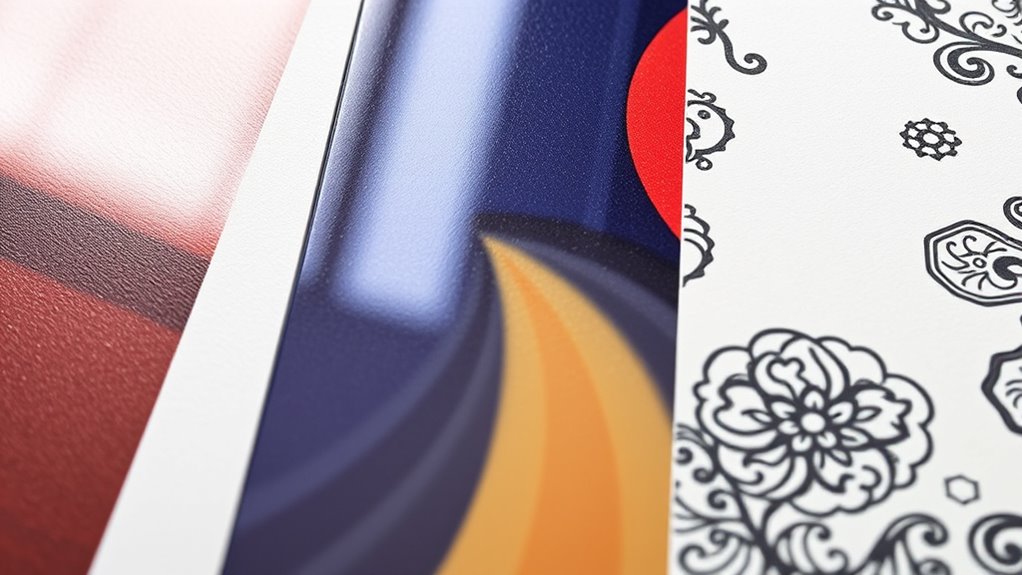
Understanding editions: Limited editions are numbered and finite, making them more exclusive, while open editions are produced in larger quantities. Special releases often include unique features or packaging that set them apart from standard editions. Additionally, knowing edition types and affiliate disclosure and privacy policies can inform your purchasing decisions and detect passive voice to improve your writing and protect your browsing experience. Recognizing collector’s value can also help you determine the long-term worth of a piece.
Limited vs. Open Editions
Have you ever wondered what sets limited editions apart from open editions? Limited editions feature a fixed number of copies, making each piece more exclusive, while open editions are produced endlessly, offering affordability and accessibility. When considering collecting ethics, limited editions often hold more value due to their scarcity, but open editions can still be valuable if they’re part of a renowned artist’s body of work. Preservation techniques come into play, as limited editions may require careful handling to maintain their integrity, especially since their rarity adds to their significance. Imagine:
- A small batch, numbered and signed
- A sense of rarity elevating value
- Open editions easily available but less unique
- Ethical considerations around edition limits and authenticity
- Understanding celebrity transformations can influence the desirability and value of collectible editions
- Proper storage practices are vital to protect the condition of physical editions over time
- Recognizing edition types helps collectors make informed decisions that align with their values and goals
Additionally, being aware of market trends can help collectors make strategic choices about when and which editions to acquire, ensuring their investments are well-informed. Conversely, understanding edition management techniques can assist in maintaining the quality and longevity of physical editions over time.
Special Release Characteristics
Special release editions often stand out because they are produced with unique features or limited timing that differentiate them from standard editions. These releases create excitement among collectors and can notably influence collector trends. They often commemorate special events, anniversaries, or partnerships, giving them a distinct historical context. Understanding these characteristics helps you evaluate value and rarity. For example, limited releases may include exclusive artwork or packaging, increasing desirability. Open releases, by contrast, are more widely available. The table below highlights key differences:
| Feature | Description |
|---|---|
| Limited Release | Small quantity, rare, high demand |
| Open Release | Widely available, less exclusive |
| Special Release | Unique features, often tied to events |
| Collector Trends | Drive demand for specific editions |
| Historical Context | Adds significance and value over time |
Knowing these traits helps you navigate your collection with confidence. Recognizing the production strategies behind different editions can also help you anticipate future trends and value.

Canon imagePROGRAF Pro-4100 44-Inch Professional Photographic Large-Format Inkjet Printer
CES Imaging is a Canon Platinum Reseller
As an affiliate, we earn on qualifying purchases.
Identifying Reproductions: Common Signs and Red Flags
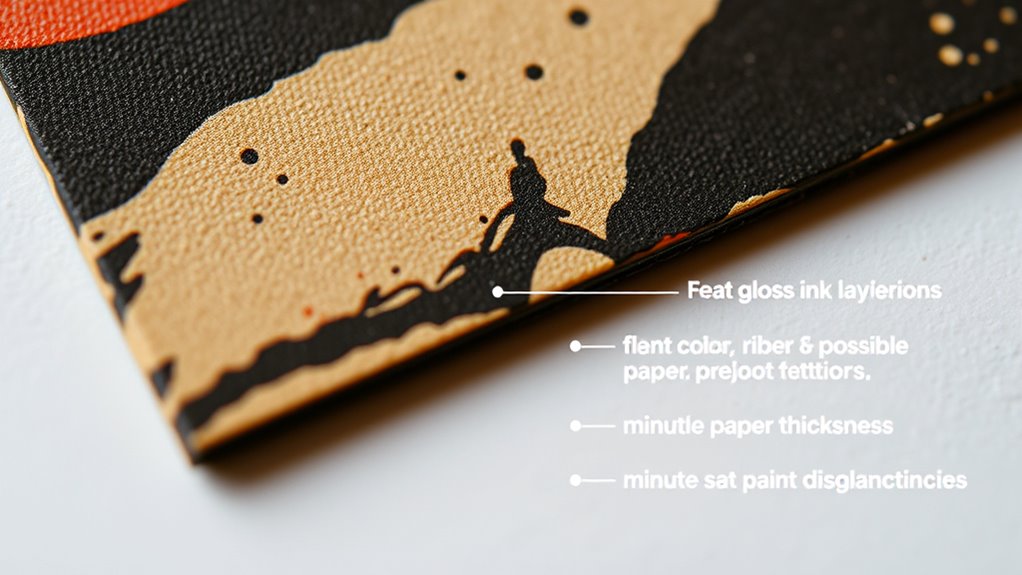
Pay close attention to the material quality and texture; reproductions often feel different from authentic pieces. Examine craftsmanship and detailing, as reproductions tend to have sloppy or inconsistent finishes. Recognizing these subtle signs can help you spot a fake before making a purchase.
Subheading 1: Material Quality and Texture
How can you tell if a piece is authentic or a reproduction just by examining its material quality and texture? Material authenticity and texture significance are key indicators. Genuine items often feel substantial, with surfaces that reflect real craftsmanship. Reproductions may have a smoother, cheaper feel or inconsistent textures. Look for these signs:
- Rough or uneven surfaces compared to smooth originals
- Thin, flimsy materials that bend easily
- Faded or inconsistent textures from poor reproduction
- Artificial finishes that feel plastic-like or overly glossy
- Water-based materials, such as certain plastics or composites, are common in reproductions and tend to lack the durability of authentic items. Additionally, reproductions often utilize cheap manufacturing techniques, which can be detected through careful tactile inspection. Recognizing the quality of the material can help identify the authenticity of collectible items, especially when examining material quality and texture for signs of authenticity.
Subheading 2: Craftsmanship and Detailing
While material quality provides clues about authenticity, closely examining craftsmanship and detailing can reveal even more. Look for inconsistencies in artistic techniques, such as uneven brushstrokes or sloppy edges, which often indicate reproductions. Authentic pieces typically showcase refined, precise detailing that reflects skilled craftsmanship. Pay attention to provenance records; genuine works usually have exhaustive documentation supporting their history. Reproductions often lack these records or show discrepancies upon inspection. Examine surface finishes and minute details—fakes may have superficial flaws or overly perfect features that seem unnatural. By scrutinizing these aspects, you can identify red flags indicating a reproduction. Sharp, consistent detailing, combined with verified provenance, helps confirm an item’s authenticity and distinguishes original works from reproductions.
Comparing Values: How Rarity and Authenticity Affect Price
Rarity and authenticity play crucial roles in determining the value of a collectible, often influencing how much someone is willing to pay. When evaluating market valuation, consider factors like limited editions, unique features, and proven provenance. Your understanding of collector preferences can considerably impact prices. Imagine:
- A rare piece with only a handful in existence
- An authentic, signed edition from a renowned artist
- A reproduction that closely mimics the original but lacks provenance
- A widely available item with no special distinctions
These elements shape perceived worth, driving prices up or down. Rarity tends to increase value because fewer items exist, while authenticity reassures buyers of its legitimacy. Knowing how these factors influence market valuation helps you make smarter buying decisions aligned with current demand. Additionally, collectible market trends can fluctuate based on cultural influences and current popularity, further affecting prices. Recognizing the importance of market volatility can help collectors better anticipate shifts in value over time, especially considering the impact of regulatory frameworks on collectible trading. Moreover, understanding value fluctuations can assist collectors in timing their purchases and sales more effectively, especially when considering factors like bike electric models and their evolving features.
Tips for Verifying and Buying With Confidence
Ever wonder how to confidently verify the authenticity of a collectible before making a purchase? Developing a strong collector mindset is key. Start by researching the piece’s history, referencing art history resources, and examining provenance documents. Authenticity often hinges on details like signatures, materials, and craftsmanship—so scrutinize these closely. Don’t hesitate to ask for expert opinions or certifications from reputable sources. Comparing similar pieces and understanding market trends can also guide your judgment. Trust your instincts, but verify facts with reputable galleries or appraisers. Remember, confident collecting isn’t about rushing; it’s about informed decisions rooted in knowledge and careful evaluation. With these tips, you’ll reduce risks and build a collection you can cherish with certainty.
Frequently Asked Questions
How Do I Determine if a Piece Is an Original or a Reproduction?
To ascertain if a piece is an original or a reproduction, you should focus on authenticity verification and artwork differentiation. Examine the details closely, looking for signs of aging, unique brushstrokes, or signature marks that indicate originality. Consult expert appraisers or use specialized tools for authentication. Compare your piece with verified originals or reproductions, and verify provenance records to ensure the artwork’s history aligns with an original piece.
What Are the Legal Differences Between Original and Reproduction Artwork?
You should know that original artwork grants the artist full rights, protecting against copyright infringement and preserving artist rights. Reproductions, however, often lack these protections unless properly licensed, which can lead to legal issues if used without permission. When dealing with reproductions, you risk infringing on the artist’s rights, so always verify licensing to avoid legal trouble. Respecting these differences helps you stay compliant and support artists’ intellectual property.
Can Digital Reproductions Be Considered Authentic Collectibles?
Digital reproductions are like reflections in a mirror—sure, they show the image, but they lack the true essence of authenticity. While digital authenticity depends on secure provenance and verification, reproductions can often be mistaken for originals without proper reproduction detection. So, if you want your digital art to be a genuine collectible, focus on establishing its authenticity through verified digital signatures and provenance records.
How Does Provenance Influence an Item’s Value and Authenticity?
Provenance history plays a vital role in determining an item’s value and authenticity. When you verify its provenance, you confirm its origin and ownership trail, enhancing trust and desirability. Authenticity verification relies on this documented history, ensuring the piece is genuine. Without clear provenance, the item’s value drops, as potential buyers question its legitimacy. Maintain detailed records to bolster both authenticity and market worth of your collectibles.
Are There Specific Certifications That Verify an Item’s Edition or Originality?
Yes, there are specific certifications that verify an item’s edition or originality. You should look for authenticity certificates issued by recognized certification authorities, as these legitimize the item’s provenance. These certificates serve as proof of authenticity, helping you confirm whether a piece is original or a reproduction. Always verify that the certification authority is reputable to guarantee the authenticity certificate is legitimate and valuable for your collection.
Conclusion
By mastering these tips, you’ll confidently spot true originals and avoid costly reproductions. Don’t let doubts hold you back—imagine holding that rare piece in your hands, knowing it’s authentic. With a keen eye and a little knowledge, you’ll turn every purchase into a smart investment. Trust yourself, and soon you’ll build a collection that’s not only valuable but genuinely yours. Your perfect piece is closer than you think—just stay vigilant.