Authentic artworks show consistent brushwork and surface quality, with smooth, deliberate strokes reflecting skill. Their color palettes are harmonious, layered with depth and subtle *progressions*. You’ll notice signs of aging like tiny cracks, wear, or patina that match the period. Genuine works have confident composition, hidden sketches, and authentic materials that match their era. If you keep exploring, you’ll uncover even more clues that reveal true provenance and craftsmanship before signatures appear.
Key Takeaways
- Consistent and controlled brushwork across the entire surface indicates mastery and authentic technique.
- Harmonious, well-layered color palettes reflect deliberate craftsmanship and emotional depth.
- Signs of natural aging—such as cracks, patina, and surface wear—support genuine age verification.
- Harmonious composition, confident preliminary marks, and deliberate design confirm intentional artistry.
- Support materials and provenance details, including period-specific techniques, help verify authenticity before signature.
Consistent Brushwork and Technique
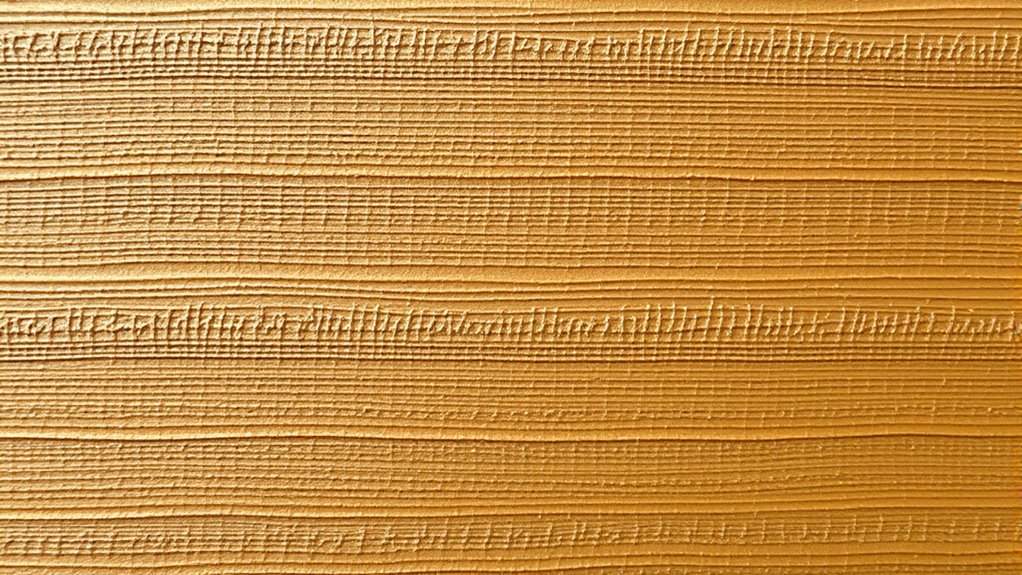
When evaluating authentic works, one of the key indicators is consistent brushwork and technique. You’ll notice that genuine pieces display brushwork consistency across the entire artwork, showing deliberate control and fluidity. This consistency reflects the artist’s mastery of technique, revealing skillful handling of tools and materials. Authentic works rarely have erratic strokes or uneven application, as true artists maintain steady precision to achieve their desired effect. Look closely at the surface; smooth, cohesive brushwork suggests confidence and experience. Skilled artists develop a technique mastery that becomes evident in their consistent style, even in small details. If the brushwork appears uneven or inconsistent, it could be a sign of inexperience or replication. Authentic works showcase a harmonious technique that’s hard to imitate. Additionally, examining layering techniques can reveal the artist’s depth of skill and intentionality, distinguishing genuine pieces from forgeries. Paying attention to brushstroke direction can also help identify the authenticity, as masters often employ specific directional strategies for texture and depth. Moreover, consistent application of paint indicates a practiced hand and familiarity with the medium, further supporting authenticity. Recognizing subtle variations in texture can also be a sign of a genuine work, as skilled artists often introduce nuanced details that are difficult to replicate.
Authentic Color Palette and Layering
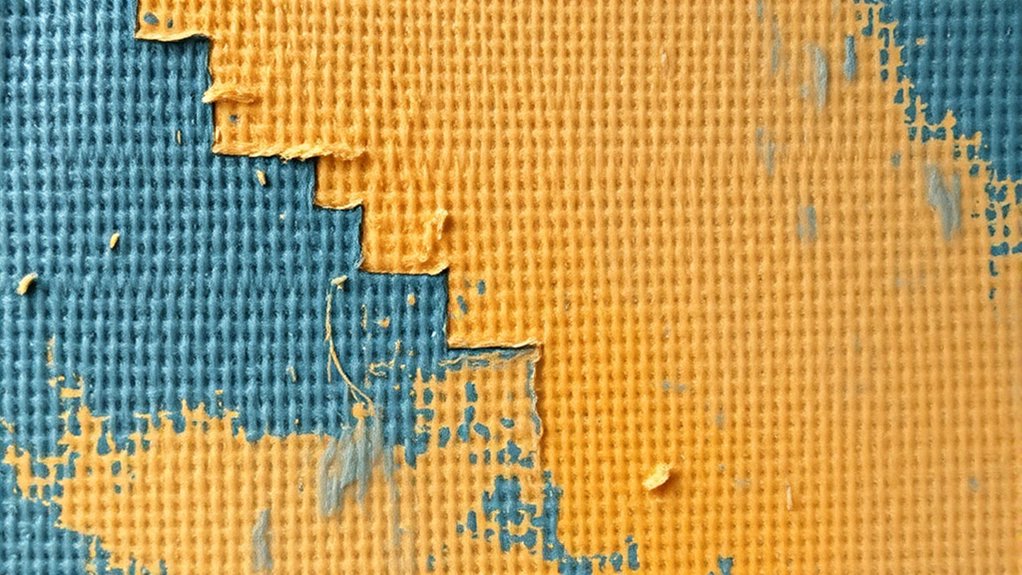
You can create authentic works by choosing harmonious color combinations that enhance your piece’s mood. Skillful layering techniques add depth and richness, making your artwork more compelling. When you master these elements, your creations will truly resonate with authenticity. Paying attention to limited-edition artwork ensures your pieces carry a sense of exclusivity and quality. Incorporating artwork authentication methods can further verify the uniqueness and integrity of your pieces. Additionally, understanding color harmony principles can help you select palettes that evoke the desired emotional response from viewers, especially when you identify and eliminate passive voice to strengthen your writing. Recognizing the importance of wall decor security can help you ensure your artworks are displayed safely and securely.
Harmonious Color Combinations
Have you ever wondered how to create a color palette that feels both authentic and harmonious? It all starts with understanding color theory, which guides you to combine hues that complement each other naturally. Focus on balancing warm and cool tones, and consider the saturation and brightness of your colors to achieve visual harmony. Instead of random pairings, select colors that enhance one another, creating a cohesive look. Think about subtle shifts and analogous shades to keep the palette unified. Authentic works often use a limited range of colors that work seamlessly together, making layers feel intentional. By paying attention to these details, your color combinations will evoke genuine emotion and depth, even before you add signatures or fine details. Incorporating energy-efficient principles into your palette selection can further reinforce a sustainable and authentic aesthetic. Additionally, choosing sustainable color options supports eco-friendly practices and aligns with a mindful approach to design. Understanding color harmony can help you craft palettes that resonate more deeply with viewers and elevate your overall aesthetic.
Skillful Layering Techniques
Mastering skillful layering techniques involves understanding how to build depth and richness within your artwork using an authentic color palette. You achieve this by combining palette diversity with brush stroke complexity, which adds texture and visual interest. Vary your strokes—layer light and dark hues, allowing some colors to peek through beneath others. This technique of layering creates a sense of dimension and authenticity in your work. Don’t rely on flat washes; instead, build layers gradually, letting each dry before adding the next. Using a diverse palette allows you to blend subtle *gradations* and nuanced tones, enhancing realism. The key is to think *regarding* depth, contrast, and harmony, so each layer contributes meaningfully to the overall composition, elevating your work from flat to compelling. Paying attention to color fidelity ensures that your hues remain true and vibrant throughout the layering process.
Quality and Texture of the Canvas or Support

You should examine the surface material closely to guarantee it’s consistent and well-crafted. The texture and grain quality can reveal if the support was prepared properly or altered over time. Paying attention to these details helps confirm the work’s authenticity and original craftsmanship. Additionally, inspecting the material integrity can provide insights into the rug’s age and preservation history. Recognizing signs of forgery detection in the support material can also help prevent counterfeit purchases. Furthermore, understanding the support material used can assist in evaluating the artwork’s provenance and long-term durability. Being familiar with authentic craftsmanship techniques can further aid in distinguishing genuine works from forgeries. Awareness of restoration methods can also help identify alterations that may affect authenticity assessments.
Surface Material Consistency
The consistency of surface materials plays a vital role in determining the overall quality and durability of an artwork. You should examine how the brushstroke consistency appears across the piece—smooth, even, and controlled, indicating careful preparation. Look for uniformity in the support’s texture, which affects how colors blend and maintain their hue over time. Consistent surface materials help achieve better color harmony, where shades transition seamlessly without abrupt changes or irregularities. Irregularities in texture or support quality can cause uneven absorption of paint, leading to inconsistent brushwork. Authentic works often display a stable surface that supports smooth application and cohesive color blending. This continuity suggests the artist’s deliberate choice of materials, contributing to both the work’s longevity and its visual integrity. Additionally, material consistency ensures that the artwork withstands environmental factors without deterioration, reflecting the artist’s attention to detail and quality. Moreover, archival quality materials are essential for preserving the artwork’s integrity over time, further emphasizing the importance of surface material selection.
Texture and Grain Quality
The quality and texture of the support material considerably influence the authenticity of a work. You’ll notice subtle variations in brush stroke variability, which reveal an artist’s hand and technique. Authentic pieces often show natural grain patterns and surface irregularities that align with the period and materials used. Consistent pigment application across the support indicates careful control, while inconsistencies may suggest later alterations or forgery. The grain quality of the canvas or support affects how paint adheres and how strokes appear—authentic works typically display a harmonious interaction between surface texture and paint application. Pay close attention to how the texture influences the overall finish; genuine artworks exhibit a tactile quality that reflects the artist’s intentional choices and mastery of the medium. Additionally, understanding Doomsday Robots can provide insights into the importance of durability and material integrity, which are often reflected in the support’s quality. The material composition of the support can also reveal information about the artwork’s provenance and authenticity. Recognizing creative storytelling elements embedded in the choice of support materials can further authenticate a piece, as artists often select supports that resonate with their narrative or cultural context.
Evidence of Aging and Patina
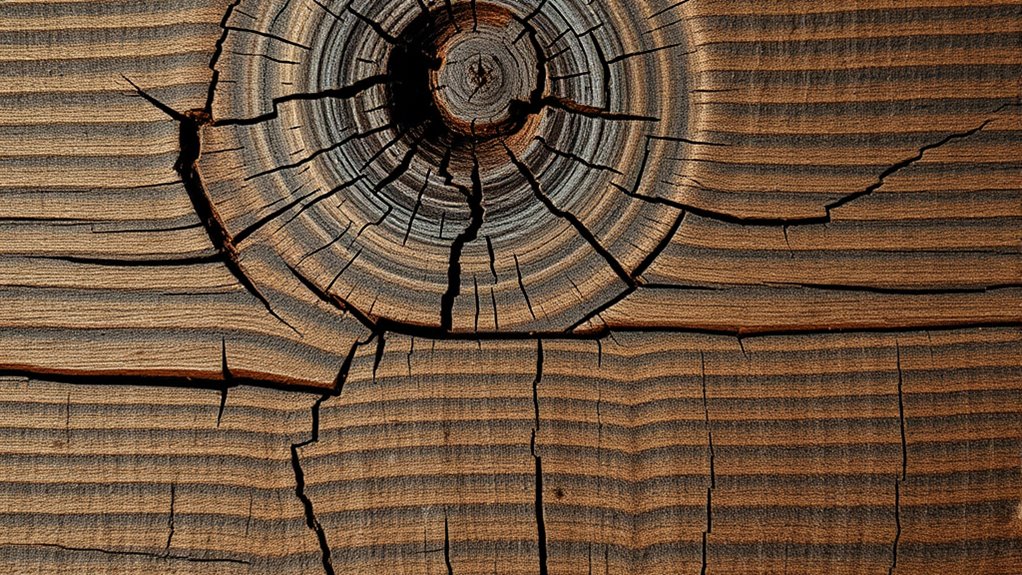
How can you determine if a piece is genuinely aged or simply made to look old? Look closely for authentic evidence of aging and patina. Genuine works show subtle age-related deterioration, like small cracks, worn edges, or uneven surface textures. Chemical aging signs, such as fading or discoloration, develop naturally over time. Be wary of artificially induced patina, which often appears too uniform or fresh-looking. To visualize, consider this table:
| Authentic Aging Signs | Fake or Artificial Patina |
|---|---|
| Irregular surface wear | Uniform surface coating |
| Tiny cracks and crazing | Overly perfect surface |
| Discoloration from age | Streaks or overly consistent colors |
| Slight warping or dents | Unnatural, rigid shape |
| Faint residues or deposits | Excessive or too clean look |
Additionally, examining the chemical composition of the material can help confirm authenticity, as genuine aged items often have unique residues or patina that are difficult to replicate convincingly. Recognizing natural aging patterns involves understanding how different materials react over time, which can vary widely. Furthermore, understanding material behavior over time can provide deeper insight into whether an item’s aging is authentic or artificially created.
Composition and Artistic Style

Examining the composition and artistic style of a piece reveals much about its authenticity and origin. You’ll notice how the brushstroke expressiveness reflects the artist’s unique technique, revealing their mastery or inconsistency. Look for intentional arrangements that demonstrate compositional balance—elements positioned harmoniously to guide your eye naturally across the work. Authentic works often exhibit a confident sense of design, with focal points that feel deliberate yet fluid. In contrast, inconsistent or awkward compositions could signal a forgery or an amateur copy. Pay attention to the style’s coherence with the artist’s known approach. By analyzing these aspects, you gain insight into whether the work aligns with genuine artistic intent, helping you distinguish authentic masterpieces from imitations.
Underlying Sketches or Preparatory Marks
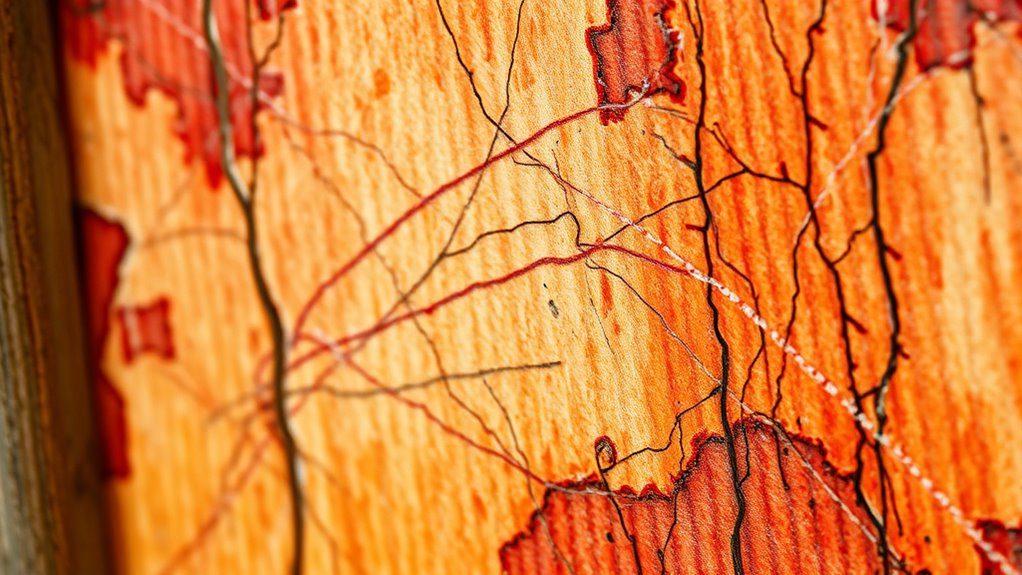
Have you ever looked beneath the surface of a painting to spot the underlying sketches or preparatory marks? These preliminary sketches and preparatory marks reveal an artist’s planning process and confidence. Authentic works often display subtle, confident lines that guided the final piece. These marks can be erased or integrated seamlessly, showing the artist’s method. Recognizing them helps confirm authenticity and skill.
| Purpose | Significance |
|---|---|
| Planning | Shows deliberate composition choices |
| Confidence | Indicates mastery and experience |
| Technique | Reveals use of specific tools or styles |
| Authenticity | Confirms genuine creation process |
Provenance and Historical Context
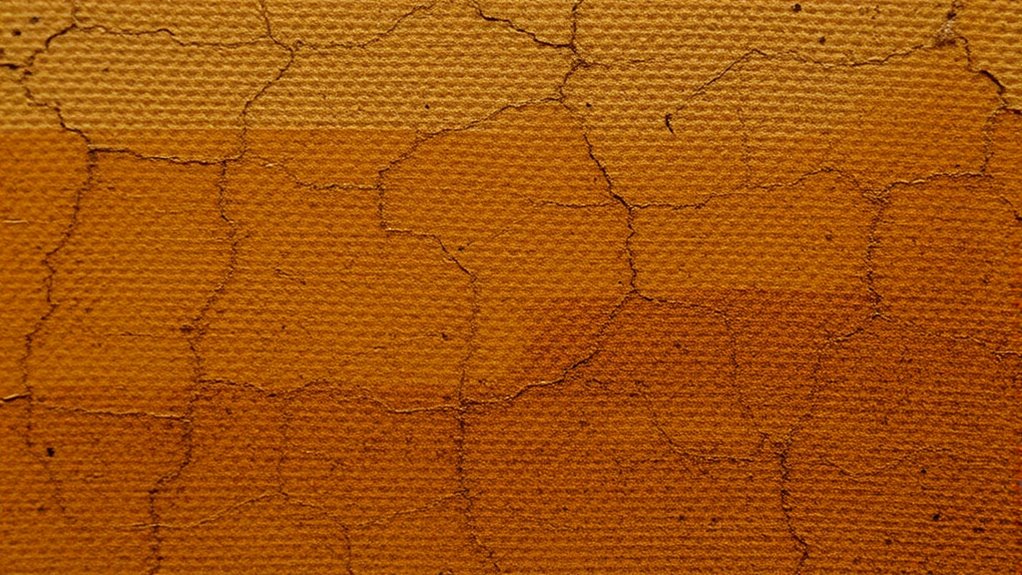
Provenance and historical context serve as essential clues to verify a work’s authenticity and significance. They help you trace the piece’s journey through time, confirming its origins. Look for clear provenance documentation that details ownership history. This may include sales records or exhibition catalogs. Consider the historical setting in which the work was created, as it offers insight into its purpose and value. To visualize this, think about:
- An authentic signature matching known examples from the artist’s era
- Ownership records linking the piece to reputable collectors or institutions
- Contextual details, such as period-specific materials or styles, supporting its place in history
Together, provenance and historical context reinforce the artwork’s credibility, making it easier for you to assess authenticity confidently.
Absence of Modern Materials or Techniques

The absence of modern materials or techniques often indicates that a work was created during its claimed period, supporting its authenticity. If you notice the use of traditional pigments rather than modern pigments, it suggests the artist used authentic, period-specific materials. Synthetic mediums, like acrylics or modern varnishes, weren’t available during earlier eras, so their absence points to historical accuracy. When examining a piece, check for signs of contemporary techniques or materials that wouldn’t have existed at the time. Authentic works typically exhibit aging consistent with their supposed age, without traces of modern restorations or synthetic mediums that could indicate later intervention. This lack of modern materials helps confirm that the artwork is genuinely from its claimed period.
Frequently Asked Questions
How Can I Distinguish Authentic Works From Forgeries Without Expert Analysis?
You can distinguish authentic works from forgeries by focusing on artwork dating and stylistic analysis. Check if the piece aligns with the artist’s known period and style; forgeries often show discrepancies or anachronisms. Examine brushstrokes, materials, and techniques, comparing them to verified works. Trust your intuition, but remember that without expert analysis, some details might be tricky—so approach suspicious pieces with caution and research thoroughly.
What Are the Common Signs of Recent Restoration in Authentic Artworks?
Did you know that over 60% of restored artworks show signs of recent work? You can spot recent restoration by examining brushstroke analysis; fresh paint may appear too smooth or inconsistent with original techniques. Additionally, look for pigment aging discrepancies—newer pigments often have a different texture or color compared to aged areas. These signs indicate recent touch-ups or repairs, helping you determine if an artwork has undergone restoration.
Can Digital Imaging Reveal Underlying Sketches or Modifications?
Digital imaging can reveal underlying sketches or modifications hidden beneath the surface of an artwork. By using techniques like infrared or X-ray imaging, you can see layers of paint, alterations, or initial sketches the artist made. This process allows you to analyze the creative process and authenticity. So, if you’re examining a piece, digital imaging is a powerful tool to uncover hidden details that aren’t visible to the naked eye.
How Does One Verify the Provenance of a Supposed Authentic Piece?
To verify the provenance of a supposed authentic piece, you should start with provenance research, tracing its ownership history through sales records, exhibition catalogs, and previous appraisals. Additionally, consult historical documentation like letters, certificates, or gallery records that support its origin. This thorough investigation helps establish authenticity, ensuring the artwork’s history aligns with known facts and confirming its legitimacy before you make any judgments or purchases.
Are There Specific Markers Indicating the Use of Modern Materials?
You can spot modern materials by examining the pigments and tools used. Modern pigments often have distinct chemical compositions, bright colors, or unnatural textures, while contemporary tools may leave telltale marks or inconsistencies. Look for uneven layers, modern manufacturing residues, or synthetic sheen. By scrutinizing these markers, you identify the use of modern pigments and tools, helping you determine if an artwork incorporates recent materials or maintains historical authenticity.
Conclusion
By studying consistent brushwork and authentic color palettes, you see the artist’s true hand. By examining the quality of the canvas and evidence of aging, you feel the work’s history. By analyzing composition and preparatory sketches, you understand its foundation. By tracing provenance and identifying genuine materials, you confirm its authenticity. These details, woven together, form the core of genuine art—proof of creation, history, and soul, even before the signature reveals itself.