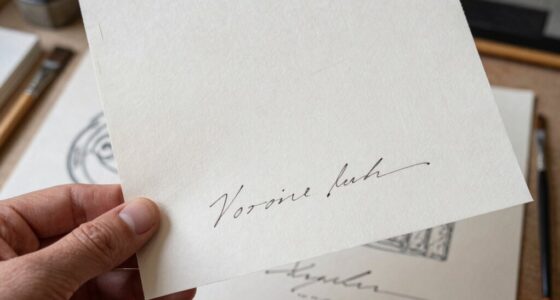
If you suspect a work isn’t authentic, start by closely examining the item for signs like inconsistent logos, poor craftsmanship, or unusual pricing. Do some initial research by comparing it with verified images or descriptions. Next, consult professionals or appraisers for their expert opinion. Be sure to document all your findings with photos and notes. Staying calm and methodical helps you make informed decisions—continue on to learn more about how to handle this situation effectively.
Key Takeaways
- Cease handling the work immediately and document all suspicious signs visually and in writing.
- Gather purchase records, provenance, and compare the work with verified authentic examples.
- Consult certified experts or appraisers for a professional assessment of authenticity.
- Report your suspicions to relevant authorities or platforms to prevent further distribution.
- Make an informed decision based on expert feedback, documentation, and legal considerations.
Gather Initial Information and Observe Details
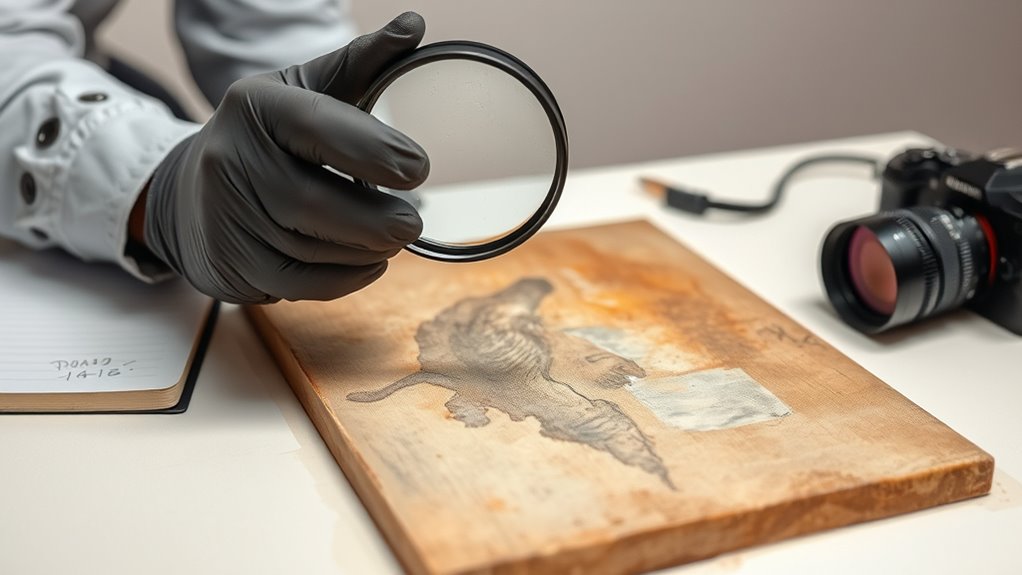
Before jumping to conclusions, it’s essential to gather as much information as possible and carefully examine the work in question. Look for authenticity indicators that can help verify its legitimacy. Pay close attention to details like craftsmanship, materials, and markings, as these often reveal counterfeit signs. Check for inconsistencies in logo placement, font, or color, which can be red flags. Authentic works usually have precise, high-quality finishes, while fakes tend to show flaws or irregularities. Take note of any discrepancies compared to verified images or descriptions. Gathering this initial information helps you build a clearer picture and prepares you for the next steps, ensuring you don’t overlook subtle signs of fraud or mistakenly dismiss genuine items. Incorporating visual inspection techniques can assist in identifying subtle differences during inspection, especially when examining detailed work or listening for irregular sounds. Paying attention to quality control marks can also provide clues about the item’s authenticity and manufacturing standards. Additionally, understanding common counterfeit indicators can further aid in recognizing potential fakes during your assessment. Being aware of authenticity verification methods can further strengthen your confidence in your evaluation process.
Conduct Preliminary Research and Comparisons

How can you confidently determine if a work is authentic? Start by conducting preliminary research and comparisons. Look closely at the artistic techniques used—brushstrokes, color palette, and detailing—to see if they match the artist’s known style. Examine the provenance verification details, such as ownership history and exhibition records, to establish a credible chain of custody. Use reputable sources like auction house catalogs, museum archives, and verified databases to cross-check information. Comparing the work to authenticated pieces can reveal inconsistencies or similarities that support or challenge its authenticity. Additionally, assessing the authenticity verification process can help confirm the work’s legitimacy. Consulting expert opinions and forensic analysis can provide further insights into the work’s origins. Conducting a thorough background check on the artwork’s previous owners and exhibitions can also uncover valuable context. Exploring scientific testing methods can further support your evaluation, offering objective evidence of authenticity. Understanding the importance of cultural symbols and their significance can also aid in identifying potential forgeries rooted in misrepresentation. This initial research helps build a solid foundation for your suspicions, guiding you toward the next steps with a clearer understanding of the work’s background and craftsmanship.
Consult Experts and Seek Professional Opinions

When in doubt about a work’s authenticity, consulting experts and seeking professional opinions is a crucial next step. Experts use appraisal techniques to evaluate authenticity indicators, such as craftsmanship, materials, and provenance. Their insights can provide clarity that isn’t always apparent through visual inspection alone. To help you understand what to ask, consider this comparison:
| Appraisal Techniques | Authenticity Indicators |
|---|---|
| Material analysis | Signature consistency |
| Provenance verification | Age and wear patterns |
| Expert comparisons | Unique stylistic details |
| Scientific testing | Historical accuracy |
Engaging with specialists ensures you get a knowledgeable assessment, reducing the risk of misjudgment and guiding your next move confidently. Additionally, understanding the performance metrics associated with the work can help you make a more informed decision. Incorporating specialist knowledge can further enhance the accuracy of your evaluation process. Moreover, being aware of common deception tactics can help you identify potential red flags during your assessment. Recognizing the importance of authenticity indicators can assist in differentiating genuine works from forgeries. Consulting with certified appraisers who have specific expertise in the work’s category can provide an even more reliable judgment.
Document Your Findings and Consider Next Steps

After consulting experts and gathering their opinions, it’s important to systematically record your findings. Use clear research methods to document details, such as photographs, provenance, and expert assessments. This organized record will help you track evidence and support your case if legal considerations arise. Be sure to include dates, sources, and specific observations to create a detailed file. Proper documentation not only clarifies the authenticity issue but also prepares you for potential legal steps or disputes. Keep copies of all correspondence, expert reports, and relevant documents in a secure location. This detailed record ensures you have a solid foundation for any future actions, whether it’s further investigation, legal consultation, or decision-making. Additionally, understanding key aspects like contrast ratio can help you better evaluate the quality of the item in question. Incorporating knowledge of eco-friendly accommodations and sustainable practices can also guide you in assessing the authenticity of eco-tourism-related claims. Paying attention to authenticity indicators can further strengthen your evaluation process. Your thorough documentation strengthens your position and provides clarity moving forward. Moreover, being aware of electric dirt bike specifications can assist in identifying genuine models and distinguishing them from counterfeit or altered versions. It’s also helpful to stay informed about essential oil safety guidelines to ensure your methods align with best practices for handling and evaluating natural products.
Make an Informed Decision and Take Appropriate Action
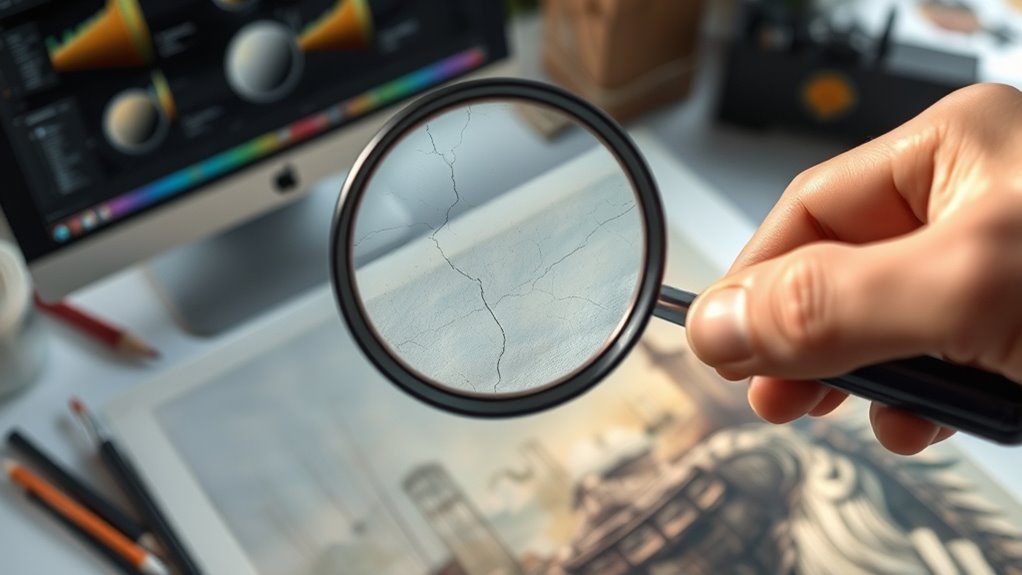
With your documentation in hand, you can now evaluate whether to proceed with further investigation, consult legal experts, or consider selling or displaying the item. Conducting thorough authenticity verification helps you understand the risks and benefits of each option. If doubts remain, consulting legal considerations ensures you stay compliant with laws regarding counterfeit or stolen works. If the work is confirmed as authentic, you might decide to keep or showcase it confidently. If not, you should consider returning, selling, or properly disposing of it to avoid legal or ethical issues. Making an informed decision involves weighing the evidence against potential consequences. Recognizing the importance of proper maintenance routines can prevent future issues and ensure the longevity of your valuable items. Stay objective, prioritize legality, and act responsibly to protect yourself and uphold integrity.
Frequently Asked Questions
How Can I Identify Subtle Signs of Forgery or Counterfeit Details?
To spot fakes, pay close attention to subtle forgery signs like inconsistent fonts, mismatched colors, or irregular textures. Use techniques to spot fakes such as examining fine details under magnification, checking for perfect alignment, or feeling the material’s quality. Look for tiny discrepancies in signatures or stamps, and compare the work to authentic examples. Your keen eye helps reveal hidden clues that indicate counterfeit details.
What Legal Implications Exist When Dealing With Suspected Fake Artwork?
When dealing with suspected fake artwork, you could face legal implications related to art theft and violating intellectual property rights. If you knowingly sell or display counterfeit art, you might be subject to fines, lawsuits, or criminal charges. It’s essential to verify authenticity to avoid infringing on copyright laws and to prevent supporting illegal art activities. Always consult legal experts to ensure you’re protected and compliant with relevant laws.
Are There Specific Tools or Technology That Can Help Verify Authenticity?
You can use digital verification tools for art authentication, which analyze details like brushstrokes, pigment composition, and provenance data. These tools often include high-resolution imaging, spectrometry, and blockchain technology to verify authenticity quickly. By leveraging these digital verification tools, you gain a more accurate assessment, reducing the risk of accepting a fake. Always combine technology with expert consultation for the best results in authenticating artwork.
How Do I Approach a Seller About My Suspicions Without Causing Conflict?
Trust your instincts and approach the seller calmly and respectfully. Express your concerns honestly, focusing on wanting clarity rather than accusations. Use “I” statements to avoid sounding confrontational, like “I noticed some details that seem off.” This way, you maintain a respectful relationship while seeking transparency. Most sellers appreciate honest conversations, and a respectful tone helps prevent conflict, making it easier to resolve any doubts.
What Should I Do if I Discover a Work Is Definitely Not Authentic?
If you discover a work is definitely not authentic, you should document your findings and contact the seller immediately, preferably in writing. Imagine a collector noticing signs of forgery and then reaching out with evidence—this protects your art investment. Use collector tips like verifying provenance and consulting an expert. If the seller refuses to cooperate, consider legal action or reporting it to authorities to safeguard your interests.
Conclusion
By following these steps, you equip yourself with the knowledge and confidence to handle suspicions about authenticity. Remember, acting thoughtfully can save you from future headaches and guarantee you’re making informed decisions. So, the next time you question a work’s genuineness, ask yourself: are you willing to risk missing out on the truth? Trust your process, stay calm, and take deliberate action — your peace of mind depends on it.