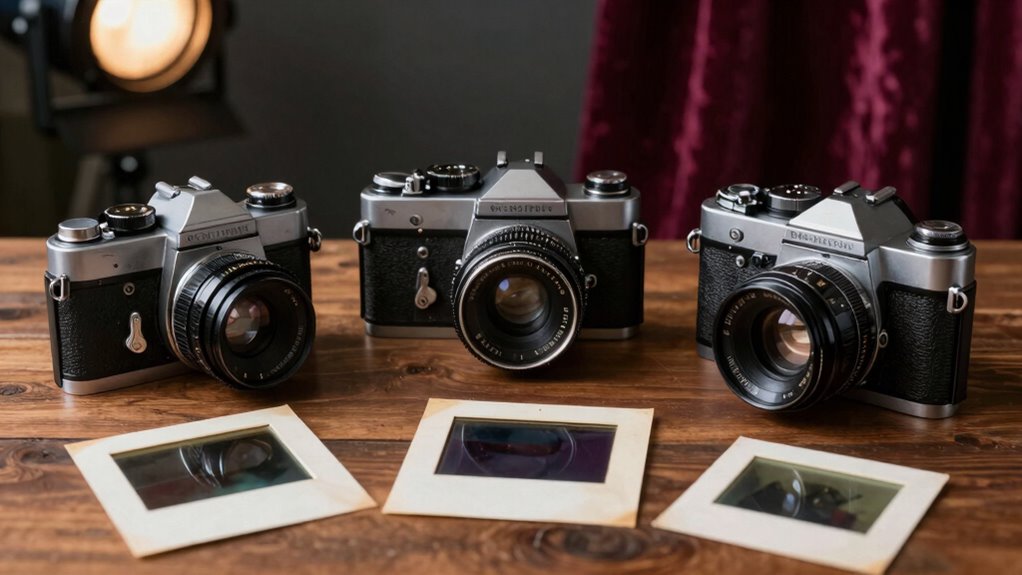

Before buying a studio photo, you should check its authenticity by examining signatures, provenance, and expert verification. Consider the photo’s condition—look for tears, fading, or damage that might lower its value. Knowing the photo’s history and the reputation of the photographer or studio adds to its desirability. Proper storage and preservation are key for maintaining value over time. To learn more about ensuring your collection’s integrity, keep exploring these important aspects.

Prime made for students and young adults
- Fast, free delivery for dorm and study essentials
- Prime Video and Amazon Music included
- Member-only deals
Key Takeaways
- Verify the authenticity of signatures through provenance, expert authentication, and consistent handwriting analysis.
- Assess the photo’s condition, noting damage, fading, and preservation quality to determine its value.
- Research the photographer or studio’s reputation to enhance the photo’s desirability and historical significance.
- Ensure proper storage and minimal wear to preserve the photo’s condition and longevity.
- Obtain certificates of authenticity and detailed provenance to confirm legitimacy and boost confidence in purchase.

Have you ever wondered what makes studio photos valuable to collectors? It’s often a combination of factors, but two of the most important are authentic signatures and photo condition. When you’re considering purchasing a studio photo, understanding these elements can help you make a smarter, more informed decision. Authentic signatures, for example, add a layer of provenance and personal connection that can significantly increase a photo’s value. If the signature is genuine and verifiable, it confirms the identity of the person in the photo, making it more sought after. Fake signatures, on the other hand, can diminish a photo’s worth and even lead to costly mistakes. To verify authenticity, look for signs of consistent handwriting, provenance documentation, or expert authentication.
Authentic signatures and pristine condition greatly enhance a studio photo’s value and authenticity.
Photo condition is equally crucial. A well-preserved photo retains its original clarity, sharpness, and color, which are key indicators of its overall quality. Damage such as tears, creases, fading, or discoloration can drastically reduce a photo’s value. When inspecting a studio photo, pay close attention to the edges, surface, and backing. A photo that’s been stored properly and shows minimal wear will command a higher price in the collectors’ market. Additionally, the clarity of the image, the presence of any restoration work, and the overall preservation state should be carefully assessed. A pristine photo with minimal imperfections is more desirable and easier to authenticate, especially if it’s an important or rare piece. Recognizing photo preservation techniques can help you assess the longevity of the image and its potential future value.
Understanding the significance of photo provenance can further enhance your ability to assess a studio photo’s authenticity and value. Beyond signatures and condition, it’s also wise to research the photographer and the context of the photo. Certain studios or photographers have a reputation that can boost a photo’s desirability. Knowing the history behind the image and its provenance adds to its collectible value. Conducting research on the photographer can reveal important details that increase the photo’s appeal. Additionally, knowing the authenticity verification methods used by experts can provide reassurance about the photo’s legitimacy and history. When buying, always request detailed provenance or certificates of authenticity when available, as these documents can provide reassurance about the photo’s legitimacy and history.
studio photo authentication certificate
As an affiliate, we earn on qualifying purchases.
As an affiliate, we earn on qualifying purchases.
Frequently Asked Questions
How Do I Verify the Authenticity of Vintage Studio Photos?
To verify the authenticity of vintage studio photos, start by examining provenance documentation that traces the photo’s history. Look for digital watermarking embedded by trusted sources, which can confirm authenticity. Research the photographer’s signature or studio marks, and compare the image quality and style with known examples. Authentic photos often have consistent aging signs, so scrutinize details and consult experts or reputable appraisers for a reliable assessment.
What Are Common Signs of Photo Restoration or Alteration?
You can spot photo restoration or alteration by examining the image for inconsistent details, uneven tones, or blurred areas. Digital editing may leave subtle signs like mismatched lighting or unnatural edges. Watermark analysis helps identify if the image has been tampered with or altered. Carefully scrutinize the photo, especially around the subject’s edges or background, to detect signs of restoration, ensuring you’re getting an authentic vintage studio photo.
How Does Photo Condition Affect Value and Collectability?
Your photo’s condition considerably impacts its value and collectability. High-quality photo paper preserves details, while poor paper quality can lead to deterioration. Watch for color fading, which diminishes visual appeal and rarity. Well-preserved photos with minimal fading and durable paper tend to be more valuable to collectors. Maintaining the original condition enhances both aesthetic appeal and market value, making it easier for you to find interested buyers or collectors.
Are There Specific Studios or Photographers More Valuable?
Yes, certain studios and photographers are more valuable due to their reputation and notoriety. When you look for studio photos, prioritize images from renowned studios with a strong history of quality and influence. Photographer notoriety can markedly boost a photo’s value, especially if the artist is celebrated for their unique style or historical significance. Recognizing these factors helps you make informed decisions and invest wisely in collectible studio photos.
What Are the Best Storage Methods to Preserve Studio Photos?
You should store your studio photos in a climate-controlled environment to prevent deterioration. Keep them away from humidity, light, and temperature fluctuations. Also, create digital backups to safeguard against physical damage or loss. Proper storage and backups preserve the details and value of your collection, ensuring they stay pristine for years. Don’t underestimate the power of a controlled environment combined with digital copies—your photos’ longevity depends on it.
As an affiliate, we earn on qualifying purchases.
Conclusion
Understanding studio photos is like holding a treasure map—each detail guides you to true value. By knowing what to look for, you’ll avoid pitfalls and find gems that truly shine. Remember, every photograph tells a story waiting to be uncovered, and your keen eye can turn a simple image into a priceless keepsake. Trust your instincts, do your homework, and let your passion be the compass on this exciting journey of discovery.
provenance documentation for photographs
As an affiliate, we earn on qualifying purchases.
As an affiliate, we earn on qualifying purchases.
photo restoration and conservation supplies
As an affiliate, we earn on qualifying purchases.
As an affiliate, we earn on qualifying purchases.
Fall Picks
fall essentials
As an affiliate, we earn on qualifying purchases.