
To guarantee your artwork is properly protected, your insurance photos should show more than just the front. Including images of the edges, back, and multiple angles provides a complete view of its condition, craftsmanship, and framing details. This thorough documentation helps verify authenticity, assess damages accurately, and supports claims more effectively. Proper lighting and detailed close-ups are essential for clarity. Keep going to discover how detailed photos can make all the difference for your coverage and peace of mind.
Open a free Amazon Business account
Business pricing, bulk buying and tax-exempt orders.
As an affiliate, we earn on qualifying purchases.
Key Takeaways
- Showing multiple angles and edges provides a complete condition assessment and highlights any existing damages or repairs.
- Detailed close-up images reveal artistic intricacies, textures, and materials crucial for authenticity and valuation.
- Including the back and frame helps verify authenticity, identify damage, and document the artwork’s overall display context.
- Multiple views prevent misrepresentation and ensure accurate documentation for insurance claims and disputes.
- Proper lighting and comprehensive photos create a reliable visual record supporting damage evaluation and valuation.
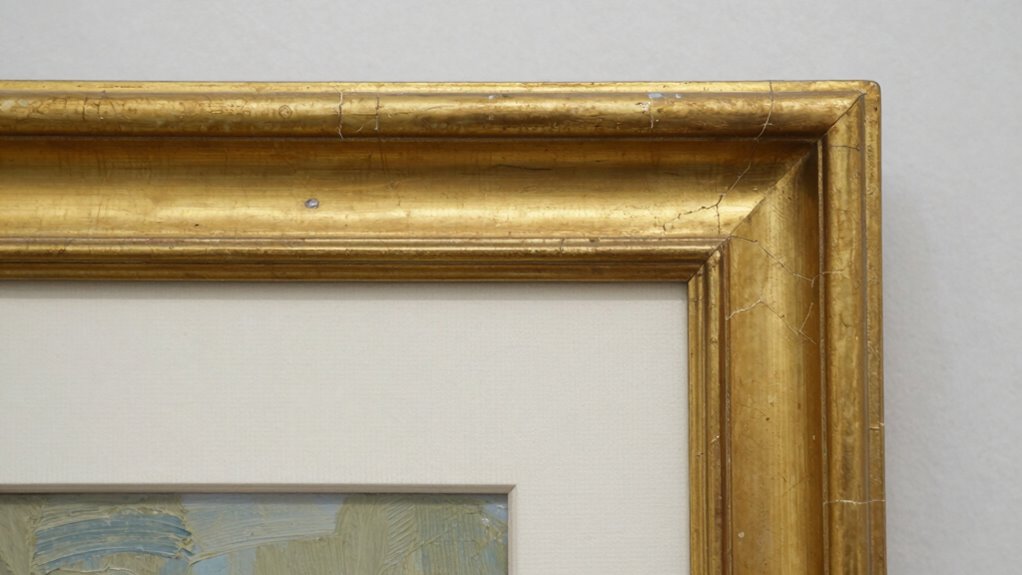
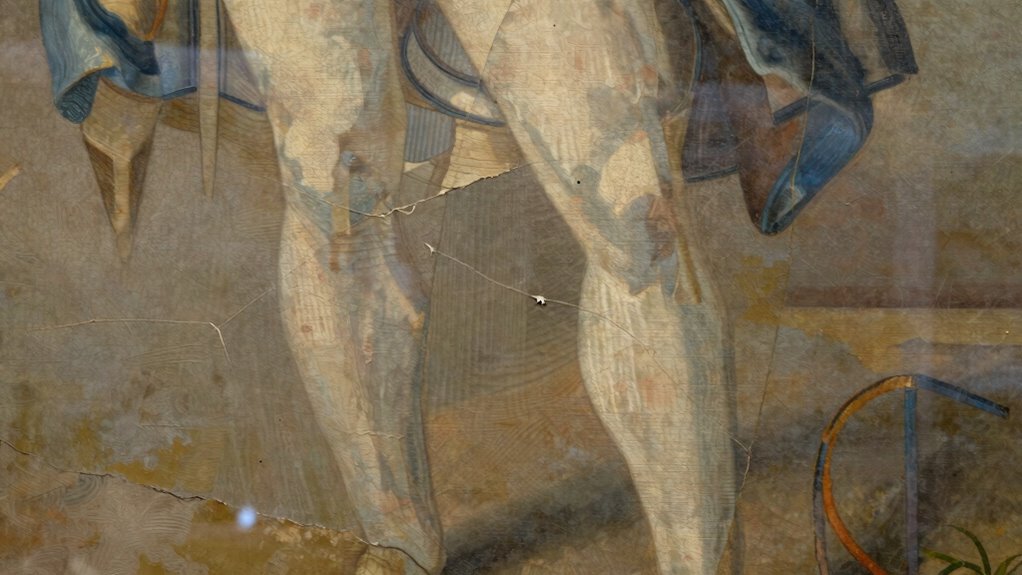
When it comes to insuring artwork, simply snapping a photo of the front isn’t enough to provide thorough coverage. You need to capture more than just the surface; detailed images of the entire piece, including its edges and back, are essential. Insurance companies want a complete visual record that highlights every aspect of your artwork, especially the artistic details that make each piece unique. These details—intricate brushstrokes, textured surfaces, or delicate embellishments—are crucial for establishing authenticity and value. Including close-up shots ensures that nothing is overlooked, especially when evaluating damage or verifying ownership.
Thorough artwork photos should include close-ups, edges, and back views to ensure complete insurance coverage.
Beyond artistic details, framing techniques play an important role in your insurance photos. When you photograph your artwork, consider how the framing enhances or affects the overall presentation. Proper framing can reveal how the piece is displayed, giving insurers a better understanding of its size, condition, and how it fits within its environment. Showing the artwork within its frame can also help identify any existing damages like cracks, scratches, or repairs that may not be immediately visible from a simple front shot. This detailed view helps create an accurate record, reducing potential disputes over damage claims later on.
You should also photograph the artwork from multiple angles. Take wide shots that include the entire piece, but don’t forget to zoom in on specific areas that showcase artistic details or framing techniques. For example, if your artwork has a textured surface or layered materials, close-ups will better capture these features. If the framing has unique moldings or decorative elements, include detailed images of those as well. These additional photos serve as a reference for the artwork’s condition and help prove its originality and craftsmanship in case of loss or theft. Ensuring consistent and accurate lighting techniques can also greatly improve the clarity and usefulness of your photos. Additionally, understanding proper lighting techniques can significantly enhance the quality and informativeness of your insurance photos. Maintaining a comprehensive visual record is especially important because it provides concrete evidence of its condition before any damage occurs, which is vital for damage assessment and claims processing.
artwork insurance photo light box
As an affiliate, we earn on qualifying purchases.
As an affiliate, we earn on qualifying purchases.
Frequently Asked Questions
How Do Different Lighting Conditions Affect Insurance Photos?
Different lighting conditions can ensure your insurance photos by affecting lighting consistency and shadow management. Inconsistent lighting may obscure details or create misleading shadows, making it harder to assess the artwork’s condition accurately. To ensure clear, reliable photos, you should use even, diffuse lighting and minimize shadows. Proper lighting helps insurance adjusters see true colors and textures, making your claim process smoother and more accurate.
What Camera Settings Are Best for Capturing Artwork Details?
You should set your camera to a low ISO to preserve artwork color fidelity and use a narrow aperture like f/8 or higher for sharp details. Keep your camera stable with a tripod to prevent blurring, especially when capturing fine details. Use a remote shutter or timer to avoid movement. Proper lighting and avoiding reflections also help reveal textures and colors accurately, ensuring your insurance photos truly represent the artwork.
Should I Include Provenance Documents in Insurance Photos?
Absolutely, include provenance documents in your insurance photos—they’re like the secret keys to authentication verification! Without them, your artwork’s story might get lost in the shuffle. Provenance documentation provides essential proof of origin, authenticity, and history, strengthening your claim if needed. By capturing these documents alongside your artwork, you create a detailed record that boosts your chances of a smooth, successful insurance process.
How Often Should I Update Insurance Photos for Valuable Artwork?
You should update your insurance photos annually or after any significant changes to your artwork, like restoration or framing. Regular updates guarantee accurate documentation for insurance claims and art appraisals. Keep detailed, high-quality images showing multiple angles, labels, and provenance details. This thorough approach helps streamline claims and provides a clearer record for appraisers, ultimately protecting your valuable artwork more effectively over time.
Are There Specific Angles Recommended for Comprehensive Coverage?
For thorough coverage, you should capture clear, consistent angles like close-ups of artwork framing, textured backgrounds, and detailed edges. Take photos from multiple perspectives, including front, back, and sides, ensuring background consistency. These angles help highlight all damage-prone areas, making your insurance photos detailed and trustworthy. Remember, varied views provide verification, validate value, and boost confidence in your coverage, protecting your precious artwork effectively.
artwork close-up photography kit
As an affiliate, we earn on qualifying purchases.
As an affiliate, we earn on qualifying purchases.
Conclusion
In the end, showing more than just the front of your artwork in insurance photos isn’t just about accuracy—it’s about protecting your investment. While some argue that a clear front shot suffices, experts suggest that detailed images of edges, backs, and any existing damage create a fuller record. This thorough approach might seem extra, but it’s a smart move, ensuring you’re better prepared if the unexpected happens and the truth of your artwork’s condition is fully documented.
art framing and display photography
As an affiliate, we earn on qualifying purchases.
As an affiliate, we earn on qualifying purchases.
artwork damage documentation camera
As an affiliate, we earn on qualifying purchases.
As an affiliate, we earn on qualifying purchases.
Fall Picks
fall essentials
As an affiliate, we earn on qualifying purchases.